Kontaktinformation
Related objects
| Foto | Name | Beschreibung |
|---|---|---|
 |
In Kaltene sind folgende Häuser der Schiffbauer zu besichtigen: „Caurnāši” – die heimische Scholle der Familie Bertliņš, „Ilmati” – bei diesem Hof wurden 6 Segelschiffe gebaut, „Maizītes” – die heimische Scholle der Familie Štāls, hier wurden 16 Gaffelschoner mit zwei und drei Masten gebaut; „Dambekalni” – hier später befand sich auch eine der ersten Fischkonservenfabrik an der Küste. Von der Meeresseite kann man auch alte Anlegestege von Kaltene finden. Diese 200 m lange Anlegestelle haben 1936 die Meister aus Roja – Vater und Söhne Freijs errichtet. An dieser Anlegestelle konnte man 50 Boote anlegen. Heutzutage sind hier nur Holzpfähle geblieben – Meer und Zeit haben ihre Arbeit gemacht. Um mit der Spezifik der Arbeit, Schwierigkeiten und Herausforderungen der heutigen Fischer bekannt zu machen, lohnt es sich, nach Ķirķrags zum örtlichen Fischer Ervīns Vilciņš zurückzukehren. Der Fischer teilt interessante Geschichte über seine Arbeit mit. Es wird möglich sein, zu sehen, wie man einen Morgenfischfang besorgt und später ihn zu kosten. (Die Quelle: Roja TIZ) |
|
 |
1387 wurde die Ortschaft urkundlich als Minor Irva bezeichnet. Bis zur Mitte des 20. Jh. war Mazirbe das größte livische Dorf an der kurländischen Küste: ein Fischerdorf und Zentrum für Schiffsverkehr. Im Dorf gab es eine Kirche, eine Schule, eine Apotheke, Forstwirtschaft, mehrere Läden, ein Post- und Telegraphenamt, einen Bahnhof, ein Sägewerk, ein Friseurgeschäft, eine Bäckerei und eine Fotowerkstatt. In Brauskas wurde eine Ziegelbrennerei betrieben. In den 30er Jahren des 20. Jh. wurde von der Fischergenossenschaft ein Fischverarbeitungswerk errichtet. 1923 wurde hier die Livische Gemeinschaft gegründet und 1939 das Livische Volkshaus eröffnet. Gegenüber dem Volkshaus befindet sich der Bauernhof Stūrīši (Familienhaus von Taizeļi), in dem man livische Haushaltsgegenstände besichtigen und auf Bestellung die lokalen Spezialitäten verköstigen kann. In Mazirbe lebten die ersten Vorsitzenden der Livischen Gemeinschaft, Kārlis Stalte und Mārtiņš Lepste. Der Kulturarbeiter Kārlis Stalte (1870–1978) war ein langjähriger Küster und Organist von Mazirbe und Mārtiņš Lepste Lehrer der livischen Sprache in den 30er Jahren des 20. Jh. Von außen ist das Gebäude der ehemaligen Seefahrtschule zu sehen, in der im Zeitraum von 1894 bis 1914 ca. 2.000 Studenten ausgebildet wurden. Während der Sowjetzeit befand sich hier ein Militärposten – „zastava“. |
|
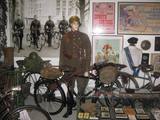 |
This collection contains bicycles from five different armies and five different eras in the history of Latvia. They include a World War I bicycle from the Russian Empire, a bicycle from the Latvian army, two World War II German bicycles, and a Monark-brand military bicycle from Sweden that was donated to the renewed Latvian army in the 1990s. The exhibition also features items that are related to the use of military bicycles – seals, awards, and information about the bicycle units of Latvia’s Home Guard.
This is the only bicycle museum in Latvia, and its exhibits are unique, as well.
|
|
 |
Eine alte Ortschaft. In den 30er Jahren des 20. Jh. gab es hier 50 Bauernhöfe, aber im Jahr 1990 nur noch zehn. In Oviši ist der Wissenschaftler livischer Herkunft; der Entomologe Kārlis Princis (1893–1978) geboren, der 1944 nach Schweden ausreiste. Oviši Leuchtturm (1814) ist der älteste immer noch funktionierende Leuchtturm in Lettland mit einer Höhe von 38 m. Von hier oben bietet sich eine herrliche Aussicht. Das Personalgebäude des Leuchtturms wurde 1905 erbaut und war einst der Bahnhof der Schmalspurbahn. Im Nebengebäude wurde das Museum des Oviši Leuchtturms eingerichtet. In der Nähe des Leuchtturms befindet sich das Kunstobjekt Austra-Baum aus Metall. Dem Kap Oviši gegnüber ist ein guter Ort zurVogelbeobachtung. |
|
 |
Valdemārpils ist ein kleines und leises Städtchen am Ufer des langen Sasmaka-Sees. Schon am Anfang des 17. Jahrhunderts entstand auf dem Boden des Landguts von Sasmaka eine Siedlung der Handwerker und Kaufleute. In der Mitte des 19. Jahrhunderts wohnten in den Städten von Kurland viele jüdische Kaufleute und Handwerker, deswegen nannte man damals Sasmaka die jüdische Hauptstadt. 1926 wurde die Stadt in Valdemārpils umbenannt. Das historische Zentrum der Stadt mit der Bebauung des 19. Jahrhunderts ist ein städtebauliches Denkmal. In Valdemārpils sind die lutherische und orthodoxe Kirchen, die ehemalige Synagoge, ein Denkmal für K. Valdemārs, sowie die großartige Elku-Linde zu besichtigen. |
|
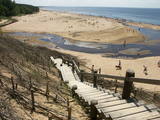 |
The White Dune is one of the landmarks of Saulkrasti, on the Vidzeme gulf coast. The dune offers a splendid view of the sea, the mouth of the Inčupe River and the vast beach. The White Dune formed as the wind drove beach sand over the clay silt of Baltic Ice Lake. Its white 18 meters high sand outcrop once helped local fishermen find their way home. The dune got its name from its white, hardened layers of sand which look like sandstone. |
|
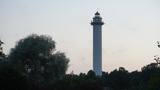 |
Früher Pize, livisch Pizā. Der jetzige Name stammt von dem während der Kaiserzeit erbauten Leuchtturm (Michailowski Majak), der im Namen des Neffen des alten Kaisers Alexander II. genannt wurde. Der heute bestehende Leuchtturm – insgesamt der dritte – Miķeļbāka wurde 1957 erbaut und ist der höchste Leuchtturm in Lettland : 57 m hoch (nur von außen zu besichtigen). Die lutherische Kirche von Miķeļtornis wurde 1893 erbaut. In der Nähe kann man das 1857 erbaute Gebäude des Wirtshauses von Pize (in schlechtem Zustand) mit der für das 19. Jahrhundert typischen Planung und Konstruktion sehen, das als einziges an der Livischen Küste gilt. In Miķeļtornis wurde der erste livische Kulturarbeiter Jānis Princis (1796–1868) geboren, der zusammen mit seinem Sohn Jānis das Evangelium nach Matthäus in den westlichen Dialekt der kurländisch-livischen Sprache übersetzt hat. J. Princis Senior und J. Princis Junior waren auch Autoren der 1845 herausgegebenen Dichtung „Geistliche Lieder und Gebete der Seemänner“. Vorher wurde ein lettisches Dichtungsbuch nur vom Blinden Indrick herausgegeben. Auf dem Bauernhof Olmaņi in Miķeļtornis wird ein Schüler des Künstlers Vilhelms Purvītis, der livische Maler Andrejs Šulcs (1910–2006), geboren. Auf dem Friedhof von Miķeļtornis wird 1978 ein Denkmal für livische Dichter (das erste Denkmal für Liven) eröffnet. Es ist geplant, bis 2019 im Dorfzentrum das Kunstobjekt des Künstlers Ģirts Burvis „Jahrhundert der Segelschiffe“ zu eröffnen. |
|
 |
Die funktionelle Kräuter-Freilichtexposition macht mit der grünen Apotheke der Natur – mit mehr als 300 unterschiedlichen Pflanzen bekannt. Jeder, der die gesunde Lebensweise unterstützt, kann hier das Geheimnis der Phytotherapie erfahren. Hier kann man lernen, wie man verschiedene Saunabesen aus Zweigen, Kräutern und Blumen zusammenbinden, aromatische Schlafkissen, Drogen für Badewannen, heilende Tees und Pflanzenpulver vorbereiten kann, die als Nahrungszusatzstoffe verwendet werden. |
|
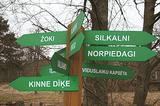 |
Košrags wird als das jüngste livische Dorf des Küstengebietes angesehen (im 17. Jahrhundert gegründet). Im Jahr 1826 gab es in Košrags 78 Einwohner. Im Jahr 1832 wurde in Žoki die erste Leseschule für livische Kinder in den Küstendörfern der Region Dundaga eröffnet, in der als Lehrer der erste fachlich ausgebildete Live Nick Polmanis arbeitete, der im östlichen Dialekt das Evangelium nach Matthäus übersetzt hat. In Košrags gab es eine Windmühle, eine Wassermühle und Bootswerften. Im Frühjahr legten hier Boote mit den Arbeitssuchenden von der Insel Saaremaa an. 1932 wurde der Hafen ausgebaut und 1938 eine Mole zur Sammlung von Seetang errichtet. In den 30er Jahren des vergangenen Jahrhunderts wurde Košrags regelmäßig von finnischen und estnischen Linguisten besucht, die hier die meisten Einheiten livischer Folklore gesammelt haben. Das Haus Norpiedagas wurde vom gesellschaftlichen Arbeiter livischer Abstammung, Didriķis Volganskis (1884–1968), erbaut. Dort wurde sein Sohn geboren, livischer Kulturarbeiter, Pfarrer (Finnland) Edgar Vaalgamaa (Volganskis, 1912–2003), der das Epos „Lāčplēsis“ (Bärenreißer) von A. Pumpurs ins Finnische übersetzt hat. Heute ist Sīkrags ein nationales Kulturdenkmal. |
|
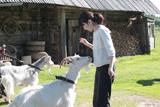 |
Es wäre schwierig, nicht nur in der Region Vidzeme, sondern auch im ganzen Lettland einen anderen ebenso natürlichen Hof zu finden. Die Gäste können in einer alten Kornkammer übernachten, die ihren Duft noch erhalten hat, den Wirt bei der Arbeit in der Schmiede beobachten und selber einen Nagel schmieden, Ziege melken, auf Gänse aufpassen, sowie an Arbeiten auf dem Land teilnehmen: jäten, Heu ernten, Bogenschießen ausprobieren und die Sauna genießen. |
|
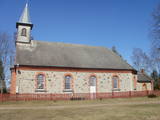 |
Die Geschichte der lutherischen Kirche und Gemeinde von Kaltene began 1567, als der Herzog von Kurland Gotthard Kettler befahl neue Kirchen in Kurland zu bauen. Eine davon war eine Kirche in Kaltene – die St. Katharinen Kirche. 1848 wurde anstelle der alten Holzkirche eine Lehmkirche errichtet. 1880 wurde eine Sakristei zugebaut, aber das Gebäude der Kirche 1896 umgebaut und vergrößert wurde. Die Kirche wurde während des Ersten Weltkriegs von einem Geschoß eines russischen Torpedoboots zerstört. Die Kirche wurde in der ersten Hälfte der 20er Jahre des 20. Jahrhunderts renoviert. Das Altarbild der Kirche von Kaltene „Christus und St. Peter am Meer” hat 1898 M. Pols geschafft (nach Motiven von R. Richter). Die im 18. Jahrhundert errichtete Kanzel und die Orgel der Kirche sind Kulturdenkmäler und stehen unter Staatsschutz. Die Orgel wurde von einem Orgelmeister Augusts Martins 1843 gebaut und befand sich ursprünglich in einer Kirche in Gulbene. 1943 wurde die Orgel in die Kirche von Kaltene umgesetzt. Diese Orgel ist die älteste erhaltene der vom Orgelmeister Augusts Martins gebauten Orgeln. Die Kirchenglocke wurde 2006 auf dem Betrieb „Liepājas Metalurgs” gegossen. 2012 – 2013 wurde neben der Kirche ein neues Gemeindehaus gebaut. Bei den Kirchentoren wurden die ersten Szenen der Lauffilmes “Der lange Weg in den Dünen”, sowie “Schilfwald” gedreht. Unweit befindet sich der Hof „Putniņi”. 1921 besuchte dieser Hof in Kaltene der damalige Kulturminister Rainis. Hier befand sich damals ein Geschäft. Während des Zweiten Weltkriegs wurde der alte Hof „Putniņi” von den deutschen Truppen verbrannt. (Die Quelle: Roja TIZ) |
|
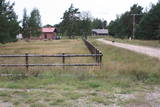 |
Es ist ein langes Dorf, das sich zu beiden Seiten des Flusses Lūžņa befindet. 1937 befanden sich hier 36 Häuser und zwei Bootsanlegestellen. In den 60er Jahren des 19. Jh. wurde Lūžņa zu einem Ort des Schiffbaus, während der sowjetischen Besatzung wurden in der Nähe Militärbasen errichtet. In den 30er Jahren des 20. Jh. besuchte diese Ortschaft mehrmals der finnische Linguist Lauri Kettunen zusammen mit dem estnischen Studenten Oscar Loorits, die das Wörterbuch der livischen Sprache erarbeiteten. In Lūžņa lebte der erste livische Künstler Jānis Belte (1893–1946). Der Bauernhof „Dēliņi“ eines livischen Fischers und Bauern ist im lettischen Ethnographischen Freilichtmuseum zu besichtigen. |
|
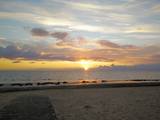 |
Als die größte Ortschaft begann sich Saulkrasti am Ende des 19. Jahrhunderts zu bilden, wenn kleine Fischerdörfer – Neibāde, Pēterupe und Katrīnbāde zum populären Erholungs- und Badeort der Rigenser wurden. Das hat sich rasch den Bau der Sommerhäuser beigetragen. Auf die Entwicklung des Kurorts hat sich auch den 1905 eröffneten Schiffsverkehr zwischen Rīga und Saulkrasti ausgewirkt. Es wurden neue Kurhäuser, Restaurants gebaut und eine andere mit dem Kurort verbundene Infrastruktur entwickelt. Zur Verfügung der Besucher standen in der Sommerzeit verschiedene Veranstaltungen, Bälle und Konzerte mit dem Teilnahme der Orchester aus Rīga. Die nächste Etappe der Entwicklung des Kurorts waren eine in den 30er Jahren des 20. Jahrhunderts gebaute Automobilstraße und eine Eisenbahnlinie zwischen Rīga und Saulkrasti. In der Sowjetzeit wurden Erholungshäuser, Sanatorien und neue Sommerhäuschen gebaut. Saulkrasti wird eine Stadt. Heutzutage lockt die Stadt Saulkrasti nicht nur durch den weißen Sandstrand, sonder auch durch verschiedene jährliche gesellschaftliche Veranstaltungen, den Pfad des Sonnenuntergangs und die Weiße Düne, das einzigartige Fahrradmuseum von Saulkrasti, den Meerespark und die Badestelle „Centrs”, den Saules Platz u.a. Objekte an. |
|
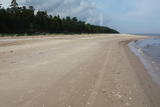 |
In Ģipka wurde die erste Seefahrtschule in Kurland gegründet! Es geschah 1869 – einige Jahre nach der Gründung der Seefahrtschule in Ainaži. Diese Seefahrtschule war der 2. Kategorie, die die Steuermänner auf großer Fahrt und Kapitäne der Küstenschifffahrt vorbereitete. 1894 wurde die Schule nach Mazirbe verlegt. Vor der Eröffnung der Seefahrtschule befand sich seit 1860 in diesem Gebäude eine Schule, aber 1867 wurde für die Bedürfnisse der Seefahrtschule einen zweiten Stock gebaut. Das Gebäude ist bis heutzutage erhalten geblieben und ist in ein Wohnhaus umgebaut. Die Seefahrtschule (in Ģipka und Mazirbe) hat während ihrer 28-jahrigen Existenz mehr als 200 professionelle Seeleute vorbereitet und den Schiffbau in den livischen Küstensiedlungen gefördert. (Die Quelle: Roja TIZ) |
|
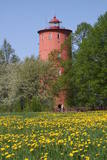 |
Der zweitälteste Navigationsbau in Lettland, und der einzige, der sich 5 km vom Meeresufer entfernt an der obersten Seite des Baltischen Eissees befindet. Seit 2000 wird die Funktion des Leuchtturms hier nicht mehr erfüllt, stattdessen ist hier nun das Naturbildungszentrum „Slītere“ des Nationalparks Slītere untergebracht. Hier kann man Ausstellungen über lettische Leuchttürme und die Geschichte der Ostsee sehen. Aus dem obersten Geschoss (102 m über dem Meeresspiegel) kann man die Küste der Insel Saaremaa (ca. 33 km entfernt) sehen. Neben dem Leuchtturm verläuft der 1,2 km lange Slītere Naturpfad. |
|
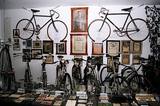 |
It is the bicycle collection of father and son Jānis and Guntis Seregins, which is the only collection of antique bicycles in Latvia. They have been collecting cycles since 1977 when they joined the Antique Automobile Club and became fascinated with Latvia’s cycling traditions. The collection’s core is formed from technically unusual bicycles. In total, the museum has approximately 70 Latvian-made and used bicycles. Besides bicycles there are many other pieces of cycling ephemera relating to sport, cycle clubs and bicycle production. The museum has an extensive collection of bicycle brands, bringing together 1000 badges from all over the world. Guided excursions available. |
|
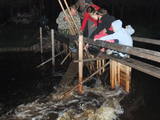 |
Einer der seltenen Orte, wo eine kleine Gruppe (2 bis 3 Personen) sich in einem Fischerboot auf die See begeben und den Küstenfischfang beobachten kann. In Zusammenarbeit mit anderen Fischern wird diese Möglichkeit auch an größeren Gruppen angeboten. Der auf dem Fluss Svētupe gebaute Neunaugen-Fischzaun unterscheidet sich in seinem Aufbau und in der Art des Fischfangs von den Fischzäunen auf dem Fluss Salaca. |
|
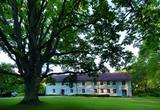 |
The first mention of Pēterupe Rectory goes back to the late 17th century. The Manor Park and the buildings have partially survived to the present day, including a linden alley at the end of Smilšu Street, planted by the pastor Jānis Neilands in 1879 and the grand oak planted by Johann Wilhelm Knierim in 1869. After the fire of 1908, the Rectory was restored and partially rebuilt. In Soviet times, the property was removed from the parish and the house was named “Līgotnes”. During German times the Rectory was occupied by legionnaires. After the war, the building of the Rectory was turned into a hospital, then into a secondary school and later it was transformed into a block of flats for teachers. Now the building again belongs to the parish and it is inhabited by a priest of the parish and his family. |
|
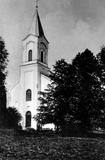 |
The first building of the church was built in 1641. The fourth building of the church was only built in 1856 – during the times of Pastor Johann Wilhelm Knierim. Its altar painting – The Crucified Christ (Golgotha) was painted in 1856 by Jozeps Millers, who was influenced by the altar piece in Munich Louis Church created by his teacher Peter Cornelius. An epitaph of Baroness Auguste Amalija von Pistohlkros, the sister of the owner of Bīriņi Manor and the patroness of the church, was immured in the memorial wall. Construction of the tower was completed on 11 June 1856, as evidenced by a memorial plaque on the wall of the church with an inscription “Erbaut von August Pistolkors 1856”. The church was consecrated in 1864. And a year later an organ by Martin Company with 8 registers, which was extended to 14 registers in 1903, was installed in the church. Unfortunately, the organ was destroyed in WW2. Saulkrasti (Pēterupe) Evangelical Lutheran Church survived both World War 2 and the Soviet period. The Soviet era was one of the most difficult times for the church, because many churches in the area were destroyed, pastors were discharged and the congregation fell apart. The Pēterupe congregation remained. As an architectural monument the church was lucky enough to undergo roof repairs of the tower even during Soviet times. Funds were granted by the Chairlady of the Executive Committee Ņina Manzūrova. |
|
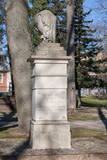 |
In 1877, Baron August von Pistohlkors, celebrating the merits of his ancestors in the foundation and development of Neibāde, ordered a monument to be erected in the park. After World War I, in the early 1930s, the monument was accidentally found during the cleaning of the bed of the River Ķīšupe. The monument was renovated by the Neibāde Aid and Improvement Society and officially reopened in 1933. The monument also suffered damage after World War II. Now the monument is restored and located in the park of the open-air stage. |
|
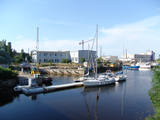 |
Von dem Bau eines Hafens träumte K. Valdemārs schon im zarten Kindesalter. Aber nur am Anfang des 20. Jahrhunderts wurde in Roja einen sogenannten Schutzhafen gebaut – es wurde einen ~ 213 m langen Schutzdamm im Meer 0,5 km von der Küste entfernt gebaut. Aber dieser Damm zerspaltete sich allmählich und brach endgültig 1933 zusammen. In den 1930er Jahren fing den Ausbau des Flusses Roja an. Bei den Arbeiten wurde einen in Frankreich hergestellten Bagger “Rāpulis” ausgenutzt. Es wurden Wallen aufgeschüttet, Steindämme und Pfahlmolen errichtet, die später mehrmals verlängert wurden. 1932 haben die Fischer selbst eine 107 m lange Mole errichtet. 1972 ist die Hafenmole vollständig renoviert worden. Einst funktionierte hier aktiv bei einer Vereinigung der Fischereibetriebe das Fischerkollektivwirtschaft “Banga”. (Die Quelle: Roja TIZ) |
|
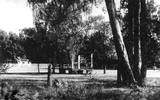 |
Vannūzis (Bath) – A building of the five-building complex “Kurhaus”. During the times of the Neibāde resort, this small building used to be a bath place. In order for the guests of the resort to be able to take a dip in the sea water even in bad weather, barrels of water were delivered by horses to the bath place. |
|
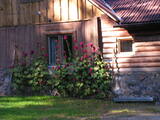 |
Das Ferienhaus "Vējavas" befindet sich nur 300 m entfernt vom Meer. Die Gäste haben Zimmer in einzelnen Häusern. Gemeingebrauch von der Landsauna mit Kaminsaal und kleiner Küche. Eine Laube für Feiern im Sommer für bis zu 60 Personen. Zeltplätze.Parkplatz. |
|
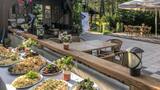 |
Die Gäste werden hier mit Musik und dem Hausbranntwein Dzimtenīte zur Stärkung der Tapferkeit empfangen. Danach folgt eine Fahrt mit Fischerbooten oder einem Schiff auf dem Fluss Roja oder auf der See. Nach der Fahrt kann man eine Mahlzeit mit einer auf dem Feuer gekochten Fischsuppe, Tischliedern und Tänzen genießen, sowie dem Räuchern von Fischen zuschauen und sie auch verkosten, Bier und Birkensaft trinken. Man kann hier eine Einleitung über den Beruf des Fischers und Erzählungen über das traditionelle kurländische Gericht Sklandrausis und seine Vorbereitung anhören. Lettische Küche: Frischer Fisch Der Morgenfang, Zwiebelsuppe nach lettischem Geschmack, Graupengrütze, Grützwurst, geräucherte Fische, Kartoffelpfannkuchen, Roggenbrot-Dessert, Bier, Hausbranntwein Dzimtenīte, Kräutertee, Birkensäfte, Zider. Das besondere Gericht : Hergestellt in Roja: Auslese der Fischproduktion dieser Region; Makrele in einer besonderen Gewürzmischung „Bokzāles“; Turm aus Quark in einer Erdbeersoße. |
|
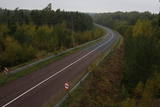 |
This is the ancient shore of the Baltic Ice Lake. We can only imagine the landscape 10,000 years ago, when the Kurzeme peninsula was covered with vegetation reminiscent of a tundra, and waves from the icy lake dashed against the ancient shoreline. We know that the lake was full of icebergs of various sizes. Today the cliff is more than 20 km long (some 9 km of it are in the Slītere National Park), and it is as much as 42 m high. It is the most impressive cliff of its type in all of Latvia. At the foot of the cliff are the Irve flatlands (the name comes from the Liv 'īrva' or 'īra', both of which refer to deer). The flatlands are the former bottom of the Baltic Ice Lake. The Blue Hills are crossed by many small streams and rivers (Pitragupe, Lorumupe, Kaļķupe, Mazupe, etc.). Their valleys are the basis for a branched and very complicated system of waterways which look particularly impressive when the trees are bare. In many places the cliffs and valleys display small areas of sandstone from the Narva suite. These are Latvia's oldest sediment cliffs that can be seen above ground. Although the Blue Hills are very impressive in scope, there are only a few places where there are important viewing areas (a viewing tower at the Dundaga-Mazirbe road, the view from the Šlītere lighthouse, the view from Mežlīdumi). The mightiness of the ancient shoreline can truly be enjoyed from the Cirste-Mazirbe road, the Cirste-Riepaldi road, Mežlīdumi and the Vīdala-Melnsils road). It is worth visiting the area in the springtime, when the slopes of the Blue Hills seem to be sinking under the fresh greenery. |
|
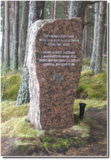 |
Der Gedenkplatz der Kämpfe der
finnischen Jäger in Klapkalnciems. Nach
dem Ersten Weltkrieg wurde 1929 hier ein
Denkmal für fünf gefallene finnische
Soldaten aufgestellt. In der Sowjetzeit
wurde dieser zerstört und im Mai 2004 neu
aufgestellt. Im Museum von Lapmežciems
kann man Fotos sehen und mehr
Information über die finnischen Jäger
erfahren.
|
|
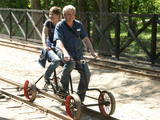 |
Die Sammlung des Museums (gegründet 1954 spiegelt lettische und livische Traditionen der Fischer, Seefahrer und Bauern wieder, deren Umfeld und Lebensart. Man kann hier Fischerhöfe mit Netzhütten und Räucherhäusern, Scheunen, u.a. sehen. Hier gibt es Fischerboote und die größte Ankersammlung des Baltikums mit etwa 100 Exemplaren, der Größte davon wiegt 22 Tonnen. Die Windmühle wurde aus Užava hierher gebracht. Im Wohnhaus aus dem 19. Jh. „Smiltnieki” kann man authentische Gegenstände des täglichen Lebens sehen. Das neueste Eksponat des Museums ist ein fast hundert Jahre altes Bethaus der Baptisten von Lielirbe. Beliebt ist eine Fahrt mit der Schmalspurbahn (mazbānītis) (vom 1. Mai bis 31. Oktober), die mit einer Schienenbreite von 600mm eine 1,3 km lange Hügelstrecke befährt, an deren Ende ein Drehkreis angelegt ist. Das Museumsgebäude ist nach dem Vorbild der ehemaligen Bahnstation von Mazirbe erbaut worden. Das Museum ist ein Teil des Küstenparkes, hier gibt es auch Kinderspielplätze und einen Ankerpfad. |
|
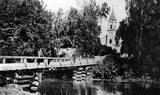 |
On the right bank of the River Pēterupe is one of the historical areas of Saulkrasti – Pēterupe Village. It is believed that the village began to form around a chapel during the so-called Swedish or Catholic times. The chapel was named after the Apostle St. Peter, and therefore the river and the village also carries his name. Pēterupe Village can be considered the oldest village in the Saulkrasti region. The oldest witnesses of the origin of Pēterupe Village are: Rectory, Pēterupe Evangelical Lutheran Church, Outpatient Clinic and the wooden buildings in the old village centre. |
|
 |
In der zweiten Hälfte des 19. Jahrhunderts hat sich zwischen den Höfen “Dzeņi” un “Lielkalni” an der Küste von Vidzeme eine der größten Schiffsbaustellen – die ehemalige Schiffsbaustelle von Ķirbiži (später – Vitrupe) gebildet, von der heutzutage nichts erhalten geblieben ist. In der Zeitperiode von den 60er Jahren des 19. Jahrhunderts bis 1929 sind hier 28 Schiffe gebaut worden. |
|
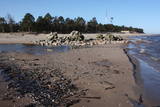 |
Das Kap Kolka – ist das ausgeprägteste Kap an der lettischen Meeresküste, wo man den Zusammenstoß
der Wellen von zwei „Meeren“ – der Ostsee (das große Meer) und der Bucht von Riga (das
kleine Meer) beobachten kann. Das Kap geht noch fünf Kilometer als Sandbank weiter ins Meer bis
zum Leuchtturm von Kolka. Am Kap Kolka geht die Sonne im Meer auf und runter, deshalb kann man
hier phänomenale Sonnenaufgänge und Untergänge beobachten. Das Kap Kolka ist aber auch ein
gefährlicher Platz für Schwimmer wegen der unbeständigen Strömungen und Treibsand. In den
Dünen beim Kap Kolka ist ein von Bildhauer G. Burvis gefertigtes Denkmal für „Die vom Meer Genommenen“
aufgestellt. Es ist eine symbolische Pforte, durch die man den Leuchtturm von Kolka sehen
kann. Noch gibt es ein altes Schiffswrack, den Stein – das Zentrum Europas und K. Valdemars
gewidmete Informationsstände zu besichtigen. Von außen kann man auch eine alte sowjetische
Militärbasis besichtigen, die heutzutage vom lettischen Grenzschutz genutzt wird. Während der
Frühlingsmigration
der Vögel ist das Kap ein bedeutender Platz für Wandervögel, die hier Rast machen
und sich erholen. Dieses Naturschauspiel lockt viele Vogelbeobachter an. Für die Bequemlichkeit der
Besucher gibt es einen Parkplatz, Bänke mit Tischen und ein Besucherzentrum. In der Sommerzeit gibt
es auch ein kleines Café – eine großartige Möglichkeit sich zu kräftigen!
|
|
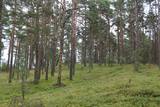 |
Wahrscheinlich war der Kirchenberg Baķu einen alten Sakralort. Heutzutage ist es eine Dünenerhöhung, die etwa größer als die anderen Dünen ist. Man erzählt eine Legende über eine hier versunkene Kirche. Die Orte mit den Legenden über eine versunkene Kirche können davon zeugen, dass einst sich an einem bestimmten Ort einen christlichen oder auch heidnischen Ort für das Gebet befand. (Die Quelle: Roja TIZ) |
|
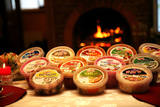 |
Ein örtliches Unternehmen, das eine schöne kulinarische Fischproduktion herstellt. Dank der breiten und qualitativen Auswahl errang das Unternehmen einen stabilen Platz auf dem lettischen Markt. Bietet mehr als 50 verschiedene Arte der Fischkulinarie – marinierter Fisch, Fisch in Gelee, Fischsalate, sowie Gefrierfisch und Fischfilet. (Die Quelle: Roja TIZ) |
|
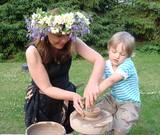 |
Aus Lehm, Steinmasse und anderen Materialien formt die Töpferin Geschirr und verschiedene Gegenstände für Innenausstattung und sie brennt ihre Werke in einem offenen Brennofen. Die Besucher können hier an einer Führung teilnehmen, die Handwerkerin bei ihrer Arbeit beobachten, selber eine Tasse formen, sowie die Werkstatt beim Öffnen des Brennofens besuchen. |
|
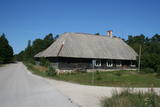 |
In den 50er Jahren des 19. Jahrhunderts war hier eine von der Siedlung Žocene verlegte Schule. Befindet sich bei der Kirche von Ģipka. 1938 hat hier eine Genossenschaft von Dundaga den Handel von Gütern des täglichen Bedarfs organisiert. (Die Quelle: Roja TIZ) |
|
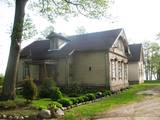 |
Bei einem Spaziergang einen 1 km langen Landweg entlang, der sich gemütlich am Meer entlang erstreckt, kann man einen echten Zauber der Siedlung spüren. Auf der rechten Seite sind zerstreute Steine, kleine Blumengärtchen an der Seeküste, Bänke, die laden ein niederzusitzen, gestürzte Boote zu sehen. An der Küstenseite befindet sich mehr als 100 Jahre die jetzige Bibliothek von Kaltene. Das Gebäude wurde 1899 als ein Sommerhaus des Barons Nolcken aus Nogale gebaut und mehrfach umgebaut. Deswegen änderte sich auch die Rolle dieses Gebäudes in der Gesellschaft. Ursprünglich befand sich hier seit dem Jahr 1926 eine Schule, danach – ein Klub, aber seit dem Jahr 1992 – wieder eine Grundschule. Wenn man den Weg entlang geht, sind gepflegte, schöne kurländische Küstenhöfe zu sehen, zwischen denen man auch die Häuser der alten Fischer und Schiffbauer finden kann, wie das Haus “Burliņi”. Bei dem Flussschen Žulniekvalks befand sich auf dem Hof ‘Smilgas” eine Schmiede des Schiffsschmiedes Pēters Valdemārs, der damals der Hauptschiffsschmied auf dem Gelände von Kaltene bis Upesgrīva war. (Die Quelle: Roja TIZ) |
|
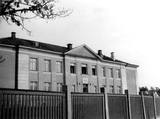 |
The roots of Saulkrasti Secondary School reach back to Pabaži, to 1912, when a young teacher – Olga Veicmane (after marriage: Cīrule) arrived from Riga to teach the sea captain Reisons’ daughter. Soon many other tutor-seekers joined her and in autumn of 1912 a school was established in Pabaži. The school had a good reputation, and pupils came from the entire surrounding area. In January of 1913, the school was moved to more spacious premises at 20 Rīgas Street. |
|
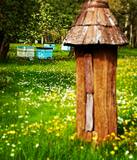 |
In dem reizvoll gelegenen Hof, in dem die Landwirtschaft nach einer umweltfreundlichen Philosophie erfolgt, werden etwa 300 Bienenvölker gehalten. Zur Befriedigung der Bedürfnisse der Besucher gibt es einen Hofladen und einen Verkostungsraum. Auf dem Hof kann man Honig aus verschiedenen Blütentrachten kaufen, Pollen (als gesondertes Erzeugnis oder mit Honig vermischt), Propolis (als gesondertes Erzeugnis oder mit Honig vermischt), Bienenbrot, Wachskerzen und andere Souvenirs. Aug dem Hof werden Verkostungen veranstaltet, die auch Met umfassen, zudem gibt es Führungen. |
|
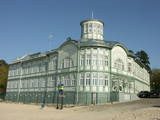 |
Юрмала (второй по величине город Латвии) основан в 1959 году, путем объединения городов Кемери и Слока с Юрмальским районом города Риги. Юрмала протянулась на 32 километра вдоль побережья Рижского морского залива. В свое время курорт Юрмалы был одним из известнейших объектов подобного рода в Северной Европе. Этому способствовало развитие местного и международного транспорта (дилижансы, паровозы, поезда) и движения. Первых гостей-купальщиков приняли Дубулты, где в 1834 году построили первую гостиницу, а в 1847 – первый курзал. В XIX веке начали работать первые лечебные учреждения. С 1834 г. началось стремительное строительство гостиниц. Развитие курорта прервала Первая мировая война. После войны снова наблюдался быстрый расцвет курорта – от 12 тысяч (1920 г.) до 32 тысяч (1935 г.) отдыхающих. Подобно юрмальским развивались и кемерские курорты, массовый характер которые приобрели в советский период. Современная Юрмала – популярное место проведения концертов, фестивалей, выставок, спортивных соревнований и других публичных мероприятий. |
|
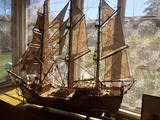 |
Еще 20-30 лет назад в Рое жили Лаймонис и Илга Вейдеманы, которые были глухими людьми и с большой любовью создавали модели парусников различного размера. В основе создания моделей парусников лежала нереализованная мечта о больших кораблях предков и морских просторах, по которым не будет суждено плыть. Модели парусников были сделаны с высокой точностью, тщательно и с большой любовью, без изучения секретов изготовления моделей парусников. Коллекцию парусников теперь унаследовала внучка Лаймониса Вейдемана, которая хочет показать широкой публике чудесную коллекцию и старательный труд своего дедушки. Хозяйка дома встретит посетителей и расскажет о создании парусников. (Источник: Ройский ТИЦ) |
|
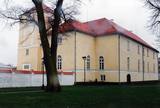 |
Замок возводился как военный стратегический объект, поэтому за время своего существования пережил разные власти и времена. Строение (впервые упомянуто в конце 13 века), невзирая на опустошительные войны, с небольшими изменениями сохранило свой основной объем и сущность замка Ордена, что является уникальным для Латвии случаем! Считается старейшим замком средневековья в Латвии. С 2001 года в здании располагается Вентспилсский музей - один из современнейших в Латвии. |
|
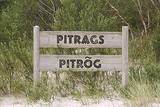 |
Впервые упомянут в документах в 1582 году. На мелях Питрагса лежит много затонувших кораблей. В 1826 году в Питрагсе было насчитано 11 дворов и 190 жителей. В 19-ом веке здесь был открыт трактир. В 1937 году в селе находилось 12 старохозяйств и 38 рыбных хозяйств (в основном – новохозяйства). В селе было несколько мест переработки рыбы - куры. В Питрагсе жила великолепная сказительница ливского языка Мария Шалтьяре (Бертольде, 1860 - 1930), которая поделилась более чем 200 сказками и преданиями, более 90 песнями, играми и т. д. Молитвенный дом баптистов в Питрагсе был построен в 1902 году. В Первую мировую войну он сгорел, в 1925 году был восстановлен, а в конце 20-ого века - отремонтирован. В центре Питрагса в доме Крогу хозяин создал коллекцию из 27 образцов старинных ограждений (заборов) ливского берега, предлагает копчение и дегустацию рыбы. |
|
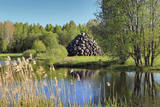 |
Нагромождение валунов высотой 9 метров является своего рода памятником Кришьяну Барону и его достижениям на благо латышского народа. В Валпенском имении жила мать К. Барона и будущий Отец дайн. На камнях высечены названия исчезнувших домов. Их направление в каменной пирамиде указывает на бывшее местонахождение домов. Автор идеи Валпенской пирамиды – Имантс Зиедонис, скульптор – Вилнис Титанс. |
|
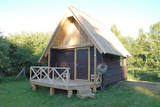 |
Коттедж, домик отдыха и место для кемпинга «У Андриса в Питраге» расположены в домах «Крогу» в поселке Питрага Колкского округа Дундагского района. И дом отдыха, и место для кемпинга расположены в тихом лесу, в уединенном месте, всего в 800 метрах от моря. Место для кемпинга может вместить 50 палаток и 3 трейлера. |
|
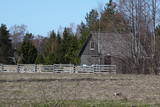 |
В исторических источниках упоминается в 1310 году. Согласно Пилтенскому ваковому регистру 1582-1583 года в деревне насчитывалось восемь дворов, а в Ваковой книге Дундагского поместья 1731 года - три. В 1826 году в каждом дворе проживают 16-17 человек, всего около 60. Записи 1935 года свидетельствуют, что все 49 ливов знали ливский язык, однако только 11 из них говорили по-ливски в своих семьях. В Рупниеках Саунага был магазин, владельцу которого Карлису Тилманю принадлежало производство по засолу кильки. В Саунагсе родился капитан дальнего плавания Арвидс Людевикс (1912 - 1996). В мае 1945 года на буксире «Рота» он переправлял латвийских беженцев из Вентспилса в Швецию. Корабль был задержан, а капитан депортирован в Сибирь. В Саунагсе родился также капитан дальнего плавания Висвалдис Фелдманис (1938 - 2017). |
|
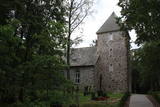 |
Находится в 1,2 км к югу от центра Гипки, на другой стороне дороги Юрмала – Колка (P 131). Трудно поверить, что эта церковь, выстроенная из булыжников, построена совсем недавно – после 1992 года, поскольку предыдущая сгорела в советское время – в 1979 г. Иронично обстоятельство, что в башне церкви после Второй мировой войны находился наблюдательный пожарный пост Дундагского лесничества. Во время пожара погиб великолепный алтарь и орган, но алтарную картину „Христос на кресте” удалось спасти. Теперь храм снова служит своему основному назначению. |
|
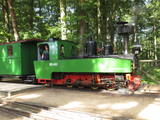 |
Это великолепная возможность вернуться в прошлое – во времена, когда на территории Латвии «господствовал» период узкоколейной железной дороги. Вплоть до 60-х годов прошлого столетия на Северокурземском побережье действовала узкоколейная железная дорога, соединявшая прибрежные рыбацкие поселки. До сего дня сохранились места (еле различимые коридоры на фоне природы), отдельные станционные здания или их остатки. В Вентспилсском Приморском музее под открытым небом можно с интересом проехаться по Круговой линии протяженностью 1,4 км или Горной линии протяженностью 3 км, в конце которой находится поворотный круг. Локомотив узкоколейки был построен в 1916-м году в Германии. Можно также осмотреть станционное здание со всем оборудованием. |
|
 |
Центр ливов «Куолка» (Kuolka)
*Object Inactive*

|
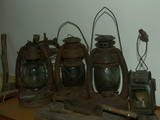
Находится в центре Колки, в здании «Зитари». Здесь собрана и представлена коллекция этнографических предметов, характерных для ливов в XIX –XX вв., а также свидетели духовной культуры ливов – книги и письмена на ливском языке, а также видеофильмы и аудиозаписи. Представлены сапоги, за которыми охотились лихие люди «каясгрези» (ногорезы), и рыбацкая шапка. |
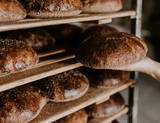 |
Общество с ограниченной ответственностью SIA N. Bomja maiznīca Lielezers – это предприятие одного владельца, Нормунда Бомиса (Normunds Bomis), основанное в 1991 году, которое находится в 3 км от Лимбажи. В этой пекарне пекут подслащенный ржаной хлеб, мучная опара для которого сутки созревает в осиновых бадейках и заквашивается дрожжами. Подслащенный ржаной хлеб занесен в Схему качества продуктов питания ЕС как изделие с гарантированными традиционными свойствами. Руководят выпечкой хлеба опытные мастера-пекари Ласма Боме (Lāsma Bome) и Валтерс Канопа (Valters Kanopa). |
|
 |
Корчма на шоссе Рагана – Лимбажи, недалеко от Игатского замка. Построен на фундаменте мельницы господской усадьбы, сохранив при этом колесо мельницы. Сотрудничают с местными крестьянам. Латышская кухня: Суп из боровиков, ячменная каша с мясом, ячменные лепешки, кровяная колбаса с брусничным соусом, тонкие блины с повидло, картофельные блины, жареная камбала или судак, слойка из черного хлеба. Особое блюдо: Кролик в маринаде и фаршированное филе индейки. |
|
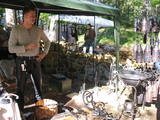 |
В мастерской кузнеца выставлены работы - фонари, подсвечники, петли, приспособления для камина, перила для лестницы, ворота, а также экспонаты 18 века. Посетители могут сами выковать гвоздь. «Проверки» молодых пар у кузнеца. Принимаются заказы. |
|
 |
Зиедница (Цветочница)
*Object Inactive*

|
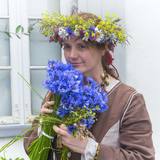
Зиедница - баня и беседка целительницы Лиги Рейтере. Здесь предлагаются банные процедуры для больших и маленьких. Хозяйка покажет, как связать веники, истопить банную печь и поддать легкого пару. Можно узнать, как из дикорастущих трав заварить вкусный чай или приготовить салат, а также сплести красивый венок или травяной ковер. Здесь вам предложат мастер-классы и выездные мероприятия – творческие занятия, учебные семинары, ужин, практическое парение. Целительница расскажет также о языке и традициях. |
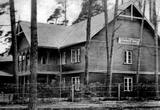 |
Комплекс „Странд” был самым большим и роскошным в Нейбаде. Он состоял из трех зданий, павильона для танцев и парка. До настоящего времени сохранилось только здание отеля, где была устроена скорая медицинская помощь Саулкрасты – по адресу ул.Айнажу 17. |
|
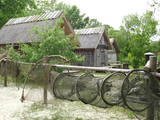 |
Очень интересный памятник истории рыболовства. Лодочные причалы - когда-то пристани для рыбацких, где рыбаки строили хижины сетей и хранили свой инвентарь. Лодочные причалы играли и социальную роль - здесь собрались мужи, рассуждали о дальнейшей работе, а жены и дети плели сети. В ходе времени хижины для сетей лодочных причалов Бигауньциемса подмыты в море, а лодочные причалы Рагациемса - частично погибли. Находящиеся в Лапмежциемсе сохранились лучше всего. Одна из хижин для сетей восстановлена, но остальные находятся в очень плохом состоянии. Это может быть причиной тому, почему, идя вдоль берега моря, им следует уделить внимание и сделать какое-то «историческое» фото. |
|
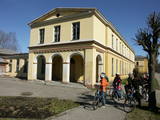 |
В исторических хрониках Кемери (Kemmer) впервые упоминается в 1561 году. Со второй половины XVIII и начала XIX вв. хорошо известны целебные свойства Кемерских серных источников и грязей местных болот, поэтому сюда на лечение отправляются представители Курземских высших кругов. Гостей принимают местные лесники. В это время происходят первые грязевые купания. Развитие юрмальских и кемерских купальней на какой-то момент приостанавливает Отечественная война 1812 года. Два десятилетия спустя, с 1833 по 1835 год, пользу от процедур испытал генеральный губернатор Балтии граф K. M. Пален, который обратился к российскому царю Николаю I за поддержкой для дальнейшего развития курорта. Просьба была удовлетворена, и в 1836 году царь отпускает 700 га государственной земли и предоставляет 100 000 рублей на строительство лечебницы и мощение дороги от Кемери до большака Слока - Тукумс. Два года спустя (1938 г.) открывается первое государственное купальное учреждение. Эта дата считается годом основания курорта. Слава о курорте распространяется во всей Российской империи, и курорт становится все популярнее. В несколько этапов формируется Кемерский ландшафтный парк, являющийся важной составляющей курорта. В середине и во второй половине XIX в. дальнейшему развитию курорта способствуют как движение пароходов, так и движение по железной дороге, открытой в 1877 году от Риги до Тукумса. В 1912 году открывается прямая железнодорожная линия Кемери - Москва. Незадолго до Первой мировой войны количество пациентов в год достигает 8300 человек. Линия фронта Первой мировой войны держится в болоте Кемери несколько лет, и курорт основательно разрушается. Невзирая на это, после войны происходит быстрый подъем, и Кемери становится любимым местом отдыха жителей Риги и одной из самых модных Европейских здравниц. В 1924 году в Кемери строят новое купальное учреждение с грязевыми ваннами, которое на тот момент является одним из современнейших в Европе, а в 1936 году Президент Государства Карлис Улманис открывает одно из выдающихся зданий времен Первой независимой Латвии – гостиницу «Кемери». После Второй мировой войны, в советское время, курорт значительно расширяется, и в его окрестностях открываются почти 10 санаториев, в которых работают около 100 врачей. В 1971 году Кемери присваивается статус курорта Всесоюзного значения. С 1975 по 1985 гг. в Кемери создается крупнейший из санаториев – «Лива» (первоначально – «Латвия»), имеющий два 11-этажных корпуса. В «Ливе» одновременно могли проходить лечение до 1200 пациентов, а в течение года - до 140 000 пациентов. В начале девяностых годов XX столетия санаторий закрыли как нерентабельный. Вплоть до 1994 года в Кемери действуют пять санаториев: «Чайка», «Даугава», «Дзимтене» (Родина), «Кемери» и «Лива» (Латвия) и курортная поликлиника «Кемери». Более позднее время можно рассматривать как своего рода закат Кемери в качестве крупномасштабного лечебного курорта. |
|
 |
В доме «Берзини» выпекают чудесный на вкус пшеничный и ржаной хлеб по старинным родовым рецептам. Вкус и аромат хлебу придает особая печь, которой более 70 лет. Хлеб можно заказать, или, договорившись заранее, сделать и испечь самому свою буханку. |
|
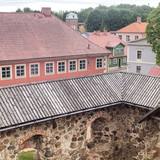 |
Считается, что на горе Кезберкалнс в Либмажи стоял замок Лемиселе государства ливов Метсеполе. Так же имеются сведения, что вплоть до XVI в. сюда по Светупе и Дуньэзерсу приходили с моря торговцы. В 1223 году епископ Альберт построил в Лимбажи каменный замок. Лимбажи, как и Валмиера, стал членом Ганзейского союза. В начале XVI в. экономическая роль поселения значительно снижается, так как Светупе и Дуньэзерс не использовались для судоходства. В период с XVI - XVIII вв. город и горожане страдали от войн, болезней и пожаров. В результате количество жителей достигло своего наивысшего упадка - восемь человек. На рубеже XIX – XX веков и в начале XX столетия хозяйственная жизнь снова восстанавливается. |
|
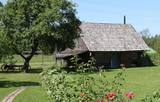 |
Сельский двор в 14 км от Лимбажи, где гости смогут принять участие в сельскохозяйственных работах, научиться собирать травяные чаи, насладиться настоящей деревенской баней и растительными ингаляциями. Ночлег в хозяйском доме или в клети.
|
|
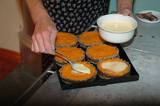 |
Один из первых постоялых домов на Колке, находящийся на расстоянии 1.2 км от Колкасрагса, который является самой северной точкой Курземе и отделяет Балтийское море от Рижского морского залива. Хозяйство находится на северо-западе Латвии – на территории, в древности заселенной ливами, которую сегодня называют «Ливским берегом», и специализируется на приготовлении традиционных ливских блюд, а также печет скландраусисы. Хозяйка демонстрирует процесс приготовления традиционного Северо-Курземского сладкого блюда – скландрауши. Предлагает пешие экскурсии «Прогулка в историю индустриальной Колки» с театрализованными элементами и дегустацией лучших шпрот в Латвии. Латышская кухня: Букстиньпутра с жареным луком и мясом, кефир, травяные чаи. Особое блюдо: Скландраусис. |
|
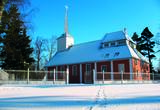 |
19 апреля 1998 года Римско-католическая церковь Милости Божией – в т.н. “Белое воскресенье” или день Милости Божией – была освящена Римско-католическая церковь Милости Божией в Саулкрасты. Длина здания –24 метра, высота башни – 16 метров. Церковь проектировал архитектор Янис Шредерс. Церковь рассчитана на 300 мест. Образ Христа на алтарной картине изображен таким, каким его в своем видении 22 февраля 1931 года узрела святая монахиня польского монастыря Фаустина, и создан художником Эриком Пудзенсом. В 14 картинах на стенах церкви изображен путь страданий – крестный путь Христа от суда до момента воскрешения. Алтарь сделан из благородного дерева ясеня. 2 августа 1998 года около Римско-католической церкви Милости Божией в Саулкрасты был освящен крест высотой 7,38 метра. Ночью этот крест освещен подсветкой. Этот крест является копией креста на Голгофе в Иерусалиме, на котором был распят Иисус Христос. |
|
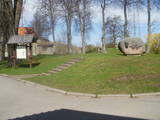 |
Здесь установлен памятный камень К. Валдемару, говорящий о его заслугах на благо создания и развития Латвийского государства. На этом месте когда-то находилась Ройская или Лубэзерская мореходная школа, рядом с которой находился учительский дом, сохранившийся до наших дней. Сейчас здесь расположена Ройская частная практика семейных врачей. Мореходная школа просуществовала с 1873-го по 1915-й годы, но во время Первой мировой войны она была разрушена. Мореходная школа готовила штурманов каботажного плавания. Здесь можно было учиться бесплатно и учебный материал освоить на латышском языке. Латышские моряки были известны в России и за границей, даже на американском континенте. Их уважали за знание дела, добропорядочность и преданность. (Источник: Ройский ТИЦ) |
|
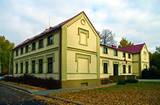 |
In 1888, the building, provided for a doctor’s needs, was donated by Baron Alexander Alexei von Pistohlkors to the parish of Pēterupe Lutheran Church. Along with the building, Baron Pistohlkors also donated 6 hectares of land and 10 000 roubles for the doctor’s use. Arvēds von Engelhards became the first medical doctor in Pēterupe. In 1890, the first pharmacy was opened in one room of the clinic, serving people from a wide area; it remained in the building until 1895. This outpatient clinic was the very first stone building in Saulkrasti, the first health authority in a wide area, as well as the first pharmacy. Through its entire lifetime, the house was maintained from voluntary donations – at first by Alexander Alexei von Pistohlkors, then by churchgoers of Pēterupe Parish – therefore by the money of the villagers. |
|
 |
Природный парк "Лауму"
*Object Inactive*

|
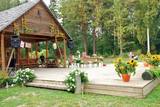
В «Лаумас» вам предлагают почувствовать себя пчеловодом-бортником – понаблюдать за жизнью пчел в улье (в одежде для пасечника), пройти по Пчелиной тропе и забраться на дерево при помощи снастей для лазания, добычи меда. Здесь можно отлить восковые свечи и купить продукты пчеловодства (мед, пыльца и др.). Латышская кухня: Фасолевый суп и суп с фрикадельками, блины с вареньем, домашний лимонад, травяные чаи. Особое блюдо: «Букстиньпутра в лаумасском вкусе». |
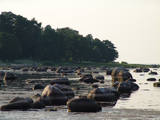 |
Береговые образования древней стадии Балтийского моря – Литоринового моря – в природе проявляются небольшим и пологим обрывистым берегом, образовавшимся примерно 4500 – 5000 лет назад. Материал береговых отложений – галька и гравий – содержат богатейший комплекс остатков фауны, характерный для Литоринового моря. Лучше всего обрыв древнего моря можно проследить возле хутора «Добели» в Калтене. Обрыв древнего берега в Калтене вляется одним из немногих участков на побережье Рижского залива, где во времена Литоринового моря был абразионный берег. Мелкие морские заливы полюбили птицы, которые здесь кормятся и отдыхают во время миграций. (Источник: Ройский ТИЦ) |
|
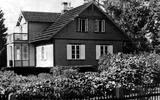 |
Reinis Kaudzīte, co-author of the first Latvian novel “Times of the Land-Surveyors” (“Mērnieku laiki”) stayed in Pēterupe Village from 1913. |
|
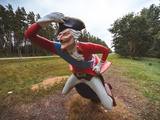 |
В восстановленном хозяйском доме поместья Дунтес разместилась музейная экспозиция, которая знакомит посетителей с приключениями и жизнью легендарного выдумщика и короля всех лжецов барона Мюнхгаузена. Первый этаж музея посвящен барону Мюнхгаузену и его историям, а на втором этаже можно осмотреть экспозицию восковых фигур выдающихся личностей из истории Латвии, а также самую большую в Латвии коллекцию пивных кружек. В лесу разбиты три кольца троп с деревянными скульптурами, самая длинная из троп ведет до самого моря. Детей привлечет деревянный корабль аттракционов. |
|
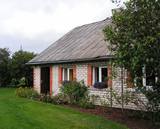 |
Близость Колкасрагса, насыщенный запахом моря и сосен воздух, своеобразная идентичность места – характеризующие Колку черты, которые впитал в себя и двор «Уши». Для гостей - отдельная квартирка с душем и туалетом в сельском доме. |
|
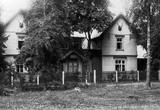 |
Ранее дом назывался „Форстей” (в переводе означает «дом лесничего»). Его построили, используя старые бревна замка Бирини. Первым владельцем здания был барон поместья Бириню Александр Алексей фон Пистолкорсс. В нем жил главный лесничий имения Паулс Молтрехтс; это было место работы и проживания главного лесничего и охотничий домик поместья. Здание неоднократно перестраивалось. Вид, наиболее близкий теперешнему, в том числе символические рога оленя, оно приобретает в 1891 году. Во времена независимой Латвии дом получил латышское название – «Межа мая» («Лесной дом»). Несколько раз менялись также его владельцы. В 30-е годы дом становится местом отдыха работников культуры и искусства. Здесь в 1937 году летние каникулы провел композитор Альфред Калниньш, работая над интерпретацией партитуры ко второй постановке первой латышской оперы “Банюта”. В послевоенный период с 1945 по 1956 год в здании находился Сельский Совет Саулкрасты, а во время Саулкрастского района - Отдел народного образования. Затем в это здание из Юрмалы был перенесен детский санаторий „Костер”, который позднее был переименован в честь Саулкрасты. В настоящее время здание является частной собственностью. |
|
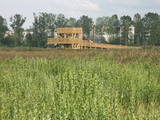 |
Одна из самых интересных особо охраняемых природных территорий Риги, предназначенных для защиты прибрежных биотопов – дюн, приморских береговых лугов и обитающих на них птиц и растений (здесь находится 29% видов орхидей). В этом природном заказнике была создана маркированная образовательная тропа со смотровой вышкой для наблюдения за птицами - единственная в Латвии смотровая вышка под открытым небом, приспособленная для людей в инвалидных колясках. |
|
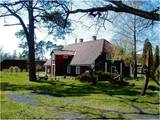 |
Музей (ул. К. Валдемара 47) был открыт в 1969-м году в старом здании мореходной школы, которая была основана в 1864-м году по инициативе К. Валдемара. За время существования мореходной школы здесь получили образование более 1000 капитанов и штурманов дальнего плавания. Экспозиция музея знакомит с деятельностью первой латышской мореходной школы, а также с историей строительства парусников на Видземском побережье во второй половине 19-го века и начале 20-го столетия. В саду музея можно осмотреть коллекцию якорей и верхнюю часть (отреставрированная) смытого в свое время Айнажского маяка. |
|
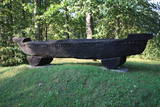 |
В 3 км к югу от центра Юркалне, у старой (гравийной) дороги Лиепая – Юркалне находится место, где располагалась бывшая Феликсбергская трехлетняя мореходная школа (1871 - 1902 г.). Так как от здания ничего не сохранилось, ее место обозначено сколоченной из дуба лодкой и двумя деревянными столбами, на которых вырезаны древние знаки рыбацкой собственности. |
|
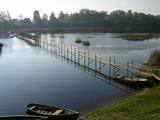 |
Одно из редких мест в мире, где по-прежнему в промышленном масштабе ловят миногу, используя старинный метод, которому более 150 лет – закол, т.е. через реку построены мостки с мережами. На Салаце таких три. В сопровождении местного рыбака можно увидеть процесс рыбной ловли, отведать и на месте приобрести жареную миногу. |
|
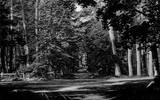 |
С созданием курорта Нейбаде в 1823 году, началась забота об отдыхе гостей. Парк, разбитый в английском стиле, создал садовник Акерберг, которого барон Август фон Пистолкорсс привез из Эстонии. В 20-30-х годах 20 века Общество помощи и благоустройства Нейбаде заботилось о восстановлении разрушенного во время войны курортного памятника и парка, об уходе за ними, об украшении Саулкрасты, организовывало мероприятия, создало театр и хор, которым руководила Ольга Цируле. На эстраде в Саулкрасты всегда проводились праздники. Особо стоит упомянуть 16 июля 1933 года, когда на эстраде отмечали переименование Нейбаде и Петерупе в Саулкрасты. Эстрада была многократно перестроена и улучшена. Как в советское время, так и позже эстрада является местом встречи местных жителей, как в радостные минуты, так и во времена перемен, и в памятные даты. Здесь было положено начало созданию Саулкрастского отделения Народного фронта. Сейчас эстрада стала местом проведения досуга на летние выходные, посещая различные мероприятия. Ежегодно здесь происходит Саулкрастский городской праздничный концерт.
|
|
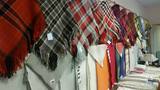 |
SIA "Limbažu Tīne" ir vilnas pārstrādes uzņēmums ar senām mājas tekstila tradīcijām, kas dibināts jau 1914. gadā. Šobrīd uzņēmumā tiek ražota vilnas dzija, austi augstvērtīgi vilnas un linu audumi, segas, parklāji, pledi, galdauti, dvieļi, lakati un citi tekstilizstrādājumi. Limbažu Tīne ražo etnogrāfiskos audumos pēc autentiskajām Baltijas reģiona kultūrvēsturiskā mantojuma paraugiem. |
|
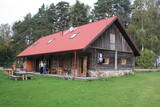 |
С 21 июня 2011 года на пятьдесят первом километре шоссе Таллин – Рига открыт «МЕКЕС КРОГС». Обычно корчма обустраивается в доме на обочине дороги, в замках, ригах и мельницах - эта корчма обустроена в 104-летнем хлеву. Рядом с корчмой стоит горделивый, построенный в 1907 году из красных кирпичей дом Туйского волостного управления. Латышская кухня: Щавелевая похлебка с крупами, холодный суп, говяжья отбивная котлета, баранина и овощная похлебка, перловка с копченным мясом и грибами, селедка с творогом, хлебный суп. Особое блюдо: Букстиньпутра со шкварками и Меккские пряные колбасы. |
|
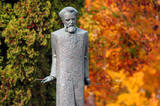 |
Авторы памятника скульпторы З. Рапа и Ю. Рапа. Памятник был открыт 16-го мая 1998-го года, когда в Лимбажи отмечали 775-й День рождения города. |
|
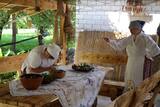 |
Хозяева занимаются рыболовством уже в третьем поколении. Каждый проезжающий может купить местную копченую рыбу. Туристические группы могут принять участие в мероприятии культурно-активного отдыха (бросание сапога к морю, рассказы и театральное выступление жен рыбаков, процесс копчения рыбы, дегустации). Латышская кухня: Вяленая и копченая камбала, корюшка горячего копчения и другая рыба, которая готовится по передаваемым из рода в род местным рецептам. |
|
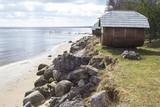 |
Старинный ливский поселок, ливское название которого Mustanumm. Еще в середине 20-го века здесь жили ливы. В поселке Мелнсилс у впадения речки Бакупите в Рижский залив представители семейств Ландманисов, Морицов и Отомеров построили три парусника. В поселке находятся два культурно-исторических места: церковная гора Бакю – древнее культовое место и городище пирата Троммеля. (Источник: Ройский ТИЦ) |
|
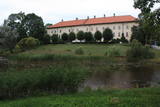 |
Один из крупнейших замков Курземе, сохранившийся до наших дней в сравнительно хорошем состоянии. В середине XIII века Рижский домский капитул приступил к строительству замка.В 1434 году Дундагское поместье купил епископ Курляндии. В период с XVI –XX вв. здесь хозяйничали представители рода Майделов и Остен-Сакен.Дундагский замок дважды сгорал и многократно перестраивался. Последний раз замок перестраивался после сожжения в 1905 году. Интерес представляют две стелы из песчаника по обе стороны входных дверей с фигурными рельефами рыцаря (с левой стороны) и епископа (с правой стороны). Замок известен легендами о свадьбе гномов и Зеленой деве. Сегодня в замке находится Дундагская музыкальная и художественная школа, гостиница и зал для торжеств, Дундагский ТИЦ и представлены разные экспозиции. Осмотр замка рекомендуется в сопровождении местного гида. Замок окружает парк, истоки которого относятся к XVII веку. Через парк течет речушка Паце, запруда на которой образует Дундагский пруд. С искусственного острова в пруду видно городище Калнадарзс. В парке по-прежнему зеленеет (некоторые большие ветки обломались) так называемый «Рублёвый дуб», изображение которого находилось на выпущенном в 1919 году денежном знаке – латвийские сто рублей. |
|
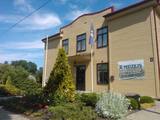 |
Один из главных остановочных пунктов на Северокурземском побережье, где можно получить обширную информацию и представление об истории края и побережья, культурно-исторических ценностях, строительстве парусников, традициях рыболовства, людях этого края, их труде и заслугах. Музей в Рое был основан в 1968-м году. В настоящее время можно осмотреть постоянные экспозиции о Кришьяне Валдемаре, мореходной школе в Рое и строительстве парусников в 19-м веке. Создана также экспозиция об истории рыбообработки с 19-го века до наших дней, Ливском береге, о советском вкладе в развитие побережья. Кроме осмотра основной экспозиции еще можно «познакомиться» с тремя жительницами Курземе, представляющих различные исторические периоды: Милдочка – простая жена рыбака c побережья, госпожа Паулиня со времен парусников и Анна Петровна с советского времени. Они увлекательно знакомят с предметами, не представленными в музее и со «скверным» юмором жителей Курземе. (Источник: Ройский ТИЦ) |
|
 |
В биографии К. Валдемара есть известный факт, что летом 1839-го года учителя и ученики Лубэзерской народной школы несколько дней провели на взморье, в поселке Роя, расположенном в 19-и верстах от школы, где позже при посредничестве К. Валдемара была построена мореходная школа. Эта первая встреча с морем произвела на мальчика захватывающее, незабываемое впечатление. «Величественный вид моря так цепко захватил ум юноши, что он все три дня больше ни о чем не думал, как о величественном море, у которого с детской надежностью уже тогда сразу же построил план или проект, каким образом можно было бы на реке Роя соорудить более глубокий порт, в который могли бы входить большие лодки и маленькие корабли» К. Валдемарс. (Источник: Ройский ТИЦ) |
|
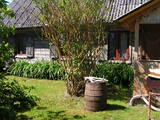 |
Сохранившийся в старинном стиле рыбацкий домик недалеко от моря, в Берзсциемсе, предлагает для спокойного отдыха две уютные комнатки с камином и небольшой кухней. Хозяева – наследники во многих поколениях и хранители древних рыбацких традиций, также в обработке рыбы и ее копчении. У гостей есть возможность приобрести местную копченую рыбу из озера Энгуре и Балтийского моря.
|
|
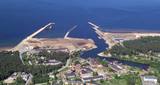 |
В 19 веке на побережье у Скулте выросла маленькая рыбацкая деревушка. Название Звейниекциемс (Рыбачий поселок) произошло от основного занятия его жителей. В 1967 году часть Скултского рыбачьего поселка присоединилась к городской части Скулте. Сегодня в Звейниекциемсе работает порт Скулте, который был торжественно открыт 7 октября 1939 года. Камень, который в качестве свидетеля строительства порта выбрал Карлис Улманис, все еще находится в Звейниекциемсе, а в порту активная деятельность ведется по сей день. Между портом Скулте и пляжем в Саулкрасты находится каменистый пляж Звейниекциемса. |
|
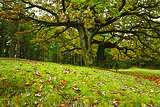 |
В исторических источниках упоминается уже в 1582 году. В Дундагской ваковой книге 1736 года в Вайде упоминаются два двора - Лекши и Жонаки. Согласно данным переписи весной 1935 года в Вайде проживало 106 человек, в том числе 40 ливов, 60 латышей, несколько эстонцев и немцев. В 1939 году в деревне Вайде был 21 двор. В Лажах Вайде родился Ника Полманис (1823 - 1903) - первый образованный лив, и всю жизнь прожил ливский поэт Альфонс Бертольдс (1910 - 1993), который посвятил стихотворение растущему рядом со двором вековому дубу. С Жонаками связан богатый род Бертольдов: ливская сказительница Мария Шалтьяре, капитан морских яхт Андрейс Бертольдс (США), его сын, ученый - библиотекарь Артурс Бенедиктс Бертольдс (США), ливский поэт Альфонс Берольдс, знатоки ливского языка Паулина Клявиня и Викторс Бертольдс, швейцарский врач Марселс Бертольдс, всемирно известный пианист Артурс Озолиньш (Канада) и Гризельда Кристиня (1910-2013) – сказительница ливского языка и поэтэсса, которая была последним носителем ливского языка, для которого это был родной язык. Озолниеки также связаны с родом Бертольдов – знатоком ливских традиций и языка Паулиной Клявиней (1918 - 2001) и ее матерью – ливской сказительницей Катриной Зебергой. Коллекцию ливских этнографических предметов, собранную Паулиной, можно осмотреть в Латвийском этнографическом музее под открытым небом – в амбаре ливского двора «Делини». В Пурвзиеды Вайде можно осмотреть коллекцию рогов лесных животных, собранную лесником Эдгарсом Хаусманисом. |
|
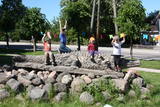 |
Изготовленная в 1995 году (скульптор О. Скарайнис) скульптура стоит на развилке дороги (пересечение улиц Талсу и Е.Динсберга) у молочного завода Дундаги. „Крокодил” посвящен сильным людям и бывшему жителю Дундаги Арвиду Блументалю (1925 – 2006), который жил в Австралии, был большим авантюристом и охотился на крокодилов (~ 10 000). A. Блументалс был прототипом главного героя в знаменитом фильме Пола Хогана “Крокодил Данди”. |
|
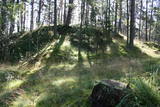 |
Недалеко от впадения речки Килминьупе находится овитое преданиями городище Троммеля – средневековое место укрепления. Оно находится в 100 м от хутора «Крауяс». Найденные здесь в 1977-м году во время археологических раскопок куски кирпича и черепки печных горшков свидетельствуют о том, что укрепление использовалось в Средневековье. Место связано с преданиями о пирате Троммеле, который здесь зарыл награбленное богатство, поэтому на дюне видно много ям, вырытых черными археологами. В предании говорится о пирате Троммеле, который со своими людьми грабил корабли в Рижском заливе от Курземского побережья до острова Роню. В древности на этом побережье стояли на якоре многие корабли, ожидавшие более благоприятного попутного ветра, чтобы обойти мыс Колка, но пират использовал его для своих корыстных целей. Он также собирал добро с погибших кораблей. Замок Троммеля был каменным. (Источник: Ройский ТИЦ) |
|
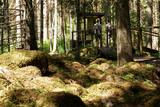 |
В Калтенском лесу можно увидеть овитое преданиями чудо природы – Калтенские калвы или Валовые калвы. Происхождение нагромождений камней в в лесу в 2–3 км от моря связано с береговыми образованиями Балтийского ледникового озера. Велна калва – самое большое нагромождение. В свое время Велна калва было красивым нагромождением камней, такое огромное, что «достигало верхушек деревьев». На более ранних картах обозначена абсолютная высота нагромождения над уровнем моря – 20 м. В нагромождении было много камней своеобразной формы. Среди них много полностью шарообразных, а также камней тарельчатой формы. Это нагромождение почти полностью было разрушено в 1960 – 1970 годах, раздробив камни на щебень для строительства дорог. До наших дней осталась только относительно небольшая нижняя часть нагромождения, длина которого примерно 300 м, а высота 2 м. Ученые высказывают также мнение, что калвы в древности могли быть святыми местами, так как о них сохранилось много преданий. Для осмотра оборудована благоустроенная природная тропа с мостками, информационными стендами и небольшой площадкой для стоянки автомашин. (Источник: Ройский ТИЦ) |
|
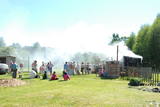 |
Посетители могут принять участие в копчении рыбы (камбала, а также сарган и лещ), отведать продукцию и послушать рассказ о традициях прибрежного рыболовства. В «Кроги» представлено примерно 20 видов заборов побережья, характерных для Берега ливов. |
|
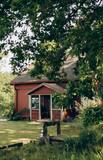 |
Усадьба «Луки» – это место в Юркалне, где можно побыть в тишине и покое на природе. Вы можете отдохнуть в коттеджах в саду или в большом доме. Каждое место спроектировано так, чтобы гости чувствовали себя комфортно и спокойно. Ферма имеет благоустроенный ландшафт с большими дубами, чайным садом, настоящей баней и садовыми навесами. Также есть салон со старинными и современными изделиями ручной работы. Ферма подходит для спокойного отдыха или семейного торжества. |
|
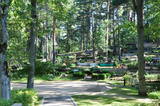 |
Кладбище на этом месте (Сигули) существует уже с 1773-го года. На Царникавском кладбище покоится выдающийся народный поэт Оярс Вациетис (1933 – 1983), где ему поставлен памятник. Можно также осмотреть каплицу Царникавского имения, построенную в 18-м веке и надгробие арендатора имения Фалка. |
|
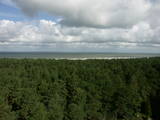 |
38-метровая башня стены Овишского маяка (сигнальный фонарь расположен на высоте 33 метров) построена в 1814 году и без особых изменений функционирует до сегодняшнего дня. Это самый старый действующий маяк Латвии, в котором размещена экспозиция, посвященная Латвийским маякам. |
|
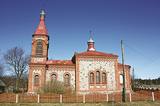 |
Впервые в письменных источниках упомянута в 1387 году под названием Домеснес, и под этим именем известна до начала 20-го века. В церковной книге Ирбе - Гипки есть сведения, что в 1770 году в Колке было 4 двора - Кроги, Уши, Вецвагари и Кабрики. В 1844 году в Колке обустроили церковную школу, в которой учителем работал Ника Полманис, а первое здание школы в Колке было построено в 1881 году. Почти полвека учителем в ней проработал лив Карлис Бернштейнс (1881 - 1951). Предводителем Дундагского бунта, начавшегося в 1859 году, считается сын хозяина Колкских Сарнастов - ливонец Ника Шубергс (1833 - 1884). В конце 19-го века в Колке было 392 жителя, а в 1935 году из 343 жителей 145 были ливами. В середине 80-х годов 20-го века на ливском языке в Колке свободно говорили 13 ливов. Колка - единственная прибрежная ливская деревня, которая продолжала развиваться в условиях советского пограничного режима, поскольку она стала центром рыболовного колхоза. В 50-60-е годы население быстро росло, были построены новые дома, школа и народный дом, детский сад, рыбообрабатывающие заводы. Сейчас Колка с 700 жителями - самый большой поселок на побережье ливов. Здесь работает цех рыбообрабатывающей фабрики «Лицис-93», местные рыбаки и коптильщики рыбы, действует центр ливов «Kуолка» („Kūolka”) и ансамбль ливов «Лаула» (“Laula”), а в Ушах можно попробовать ливские блюда. |
|
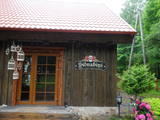 |
Трактир обосновался в старинном срубе неподалеку от Лиелпупской церкви. В старом амбаре рядом с трактиром по рецептам предков делают мясные и колбасные изделия, которые можно купить в мясной и колбасной лавке Sidrabiņi. Предлагаются экскурсии и дегустация продукции. |
|
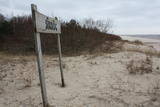 |
Одна из старейших ливских деревень, которая упоминается уже в 1387 году. Древняя дорога из усадьбы Дундага в Сикрагс существовала уже в средневековые времена. В 17-ом веке в Сикрагсе был один из самых важных малых портов в северном Курземе, в который заходили корабли из Англии, Голландии и Любека, перевозящие уголь, зерно и другие товары. До Первой мировой войны действовали пять производств по переработке рыбы (кильки), в 20-30 годы 20-го века в деревне рыбной ловле занимались около 55 рыбаков. В Сикрагсе родилась деятель культуры ливского происхождения Хильда Грива (Цербаха, 1910-1984), капитан дальнего плавания Карлис Анбакс (1884-1937), баптистский священник Карлис Лацеклис (1904-1970), знаток ливского языка и традиций Петерис Дамбергс (1909-1987), родилась художник-график Байба Дамберга (1957). Сегодня Сикрагс является национальным памятником культуры. Деревню пересекает велосипедный маршрут узкоколейной железной дороги с мемориальным камнем на месте станции. Сикрагс, как и следующие деревни в восточном направлении, расположен в Национальном парке Слитере. |
|
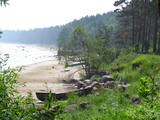 |
В Рое можно посетить как песчаный пляж с благоустроенной инфраструктурой, так и каменистое взморье. На каменистом взморье находится Ройский морской валун примерно 2 м высотой и 12,5 м в обхвате. Для морского побережья характерно своеобразное очарование ландшафта с разбросанными камнями и неспешным течением времени. У впадения речки Силупите в море еще сейчас можно увидеть деревянные фрагменты старинной баржи и остатки железных гвоздей того времени. Начиная с 1939-го года Роя была «начальным» пунктом так называемой «закрытой зоны», где вплоть до 1993-го года находилась зона дислокации Советской армии и флота. В дюнах возле улицы Краста еще можно увидеть наследие советского времени. Здесь находится большая насыпь из бетона, с которой в свое время пограничники наблюдали за морем и ловили нарушителей границы. За дюнами находился полигон пограничников со всем необходимым. В Рое находилась как пограничная застава, так и радиолокатор противовоздушной обороны. (Источник: Ройский ТИЦ) |
|
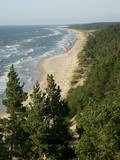 |
Construction on the lighthouse was initially completed in 1879. The structure suffered damage during both world wars and was restored several times. The structure is 19 metres high and stands 46.5 metres above the wavy sea. Here you will find one of the loveliest views of the shores of the Baltic Sea.
|
|
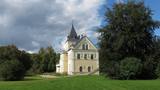 |
Расположен в жилом здании поместья «Доле» (построено в 1898 г. как собственность рода фон Левисов оф Менар).Музейные фонды отображают Даугаву как важный исторический водный путь, предлагают для осмотра одежду, предметы быта племен балтов и ливов, а также другие экспонаты.В парке господской усадьбы «Доле» можно увидеть заколы для миног и восстановленное заграждение для ловли лосося.Рядом с музеем находится пушка времен Курземского герцогства – 17 век (найдена в реке Миса), вылитая на Вагранке в Балдоне. Чуть дальше представлены 4 пушки Российской царской армии, которые были найдены в 2007 году на строительной площадке в городе Саласпилс. |
|
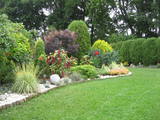 |
В этом месте можно почувствовать красоту природы, ее силу, энергию, быть в гармонии с природой, не только испытать энергию растений, Латышских знаков и земли, но и полюбоваться камнями – украшением сада. Ботанический сад с видом на море и каскадом водопадов, которые радуют глаз весной и осенью, а летом - это каменная река. Сад находится в 1 км к северу от остановки автобуса Туя. В саду представлены 28 видов хвойных растений, 14 видов декоративных кустарников, а также 13 сортов рододендронов, альпинарий (каменный сад) и многолетники. Есть интересная коллекция камней, можно определить их энергетическое поле, сад с эзотерикой. Можно осмотреть каменистое Видземское побережье. Ботанический сад неоднократно удостаивался наград на уровне Салацгривского края и в масштабе государства. |
|
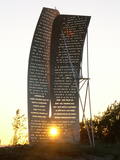 |
В Ошвалки – населенном месте между Юркалне и Сарнате установлен памятный знак «Парус надежды», посвященный тем латышским беженцам (1944 – 1945), которые на рыбацких лодках отправились через Балтийское море в Швецию. Знак установлен на прибрежной дюне между дорогой и морем. |
|
|
|
On 14 June 1991, this sign sculpted by Zezostrs Ķēde in memory of the repressions of 1941 and 1949 was unveiled in the garden of Pēterupe Church. |
|
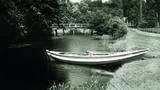 |
Кишупе (длина 31 км) берет свое начало из болота Ледургской волости. На самом пляже Кишупе часто меняет русло и устье. Один из притоков Кишупе имеет интересное название – Пупалюрга. Название Кишупе, возможно, происходит от имени человека и названия дома. Поблизости от реки в 17 веке жил человек по имени Кисис. |
|
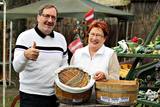 |
В Царникаве ‒ в том месте, где Гауя впадает в море, ‒ уже в старину развивались традиции ловли и переработки миноги. Во время экскурсии можно узнать о миноге и о том, как ее перерабатывают, а также попробовать миногу гриль, приготовленную на углях, миногу в желе и суши из миноги. Латышская кухня: Жареная минога на решетке, миноги в желе, булочки с миногой. |
|
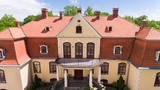 |
В поместье были проведены значительные работы по реконструкции. Поместье соответствует стандарту пятизвездночной гостиницы, но все же удалось сохранить дыхание старины и великолепие сельской романтики. Интерьеры комнат украшают дровяные печи и камины.Ресторан предлагает блюда для гурманов.
|