Kirchen
| Überblick | Details |
|---|---|
 |
Lettland
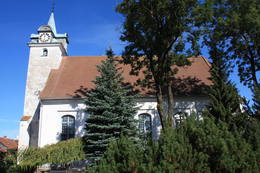
Die katholische Dreifaltigkeitskirche von KuldigaAls Treuegabe Herzog Jakob Kettlers an den polnischen König war das Gotteshaus von1640-1642 erbaut worden. In diesem ist unter anderem ein Beichtstuhl mit allegorischen Malereien (1691) erhalten, drei Altäre mit Schnitzereien im Rokoko-Stil und eine Skulptur “Madonna mit dem Kinde” aus dem 16.Jh.. Nach vorheriger Anmeldung kann die Kirche auch von innen besichtigt werden.  156 156
Leistungen
156km - Entfernung von der Hauptstadt |
 |
Lettland
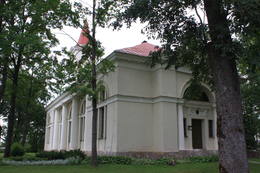
Evangelisch-lutherische Kirche von KrustpilsSie befindet sich in Krustpils, am rechten Ufer des Flusses Mazā Daugava, in der Rīgas Straße 211 a. Die heutige gemauerte Kirche (früher befanden sich hier zwei andere Kirchen) ist von 1818 bis 1820 gebaut worden, aber sie wurde im Jahr 1824 eingeweiht. Das Gotteshaus hat sehr stark im Ersten Weltkrieg gelitten, aber es wurde im Jahr 1924 erneuert. In der Kirche befinden sich mehrere bedeutende Kulturdenkmäler: das Altargemälde Gebet Christi im Garten Gethsemane, eine Orgel (die Pfeifen sind in Deutschland hergestellt) u.a. Das Gotteshaus wird als eines der hervorragendsten Beispiele des Empirestils in Lettland angesehen und es hat im Jahr 1999 die Blaue Fahne des Europäischen Kulturerbes erhalten. Es gibt Erzählungen über geheime unterirdische Gänge, die zu der westlich liegenden Insel Daugavsala führen. Tagsüber ist die Kirche hauptsächlich von außen zu besichtigen. Unweit von der Kirche kann man zwei Denkmäler besichtigen: Eines ist den politisch Repressierten und das andere – den nationalen Partisanen gewidmet. 135
Leistungen
135km - Entfernung von der Hauptstadt |
 |
Lettland
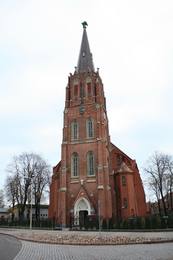
Liepajas Svetas Annas luteranu baznicaНаходится в стороне от площади Куршу, ул. Э.Венденбаума, д. 1. Старейшая церковь города, сведения о которой сохранились с 1508 года. Первый храм на этом месте был построен из дерева. После неоднократных перестроек (последняя – в 1893 г. под руководством архитектора Лиепаи Пауля Макса Берчи) храм приобрел теперешний вид в неоготическом стиле с башней высотой около 60 м. Церковный интерьер славится одним из самых выдающихся шедевров времен барокко в Латвии – алтарем (резчик по дереву Николя Сефренс младший), который в 2012 году отметил свое 350-летие.Алтарь считается одной из самых выдающихся работ Восточной Европы того времени. Ретабло алтаря (5,8 x 9,7 м) известно тематическим циклом страданий Иисуса. В храме находится третий по величине орган Латвии, который построен по эскизам композитора и органиста Альфреда Калниньша. Церковь можно осмотреть изнутри и подняться на колокольню. 217
Leistungen
217km - Entfernung von der Hauptstadt |
 |
Lettland
Puderova Old-Believers Prayer HousePuderova Old-Believers Prayer House. The architectural monument of local importance was built in
the beginning of the 20th century.
|
 |
Lettland
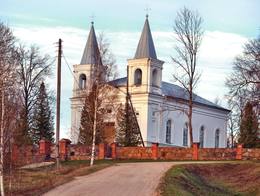
Sts. Simon and Judas Roman Catholic Church of DricaniSts. Simon and Judas Roman Catholic Church of Dricāni was
built in 1859 on the top of the hill. There is the wooden altar of the Holy Spirit, decorated with woodcarvings, wooden statuettes and the icon of Simon and Jude.
 1-12 1-12
Leistungen
1-12 Aktive Saisonmonate |
 |
Lettland
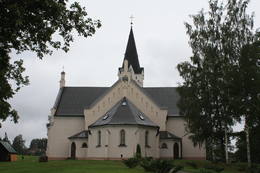
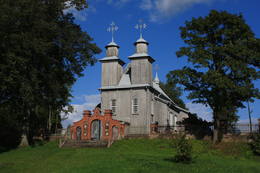
Die evangelisch-lutherische St. Thomas-Kirche in JaunpiebalgaDie Bauarbeiten leitete von 1801-1804 Baumeister Friedrich Veit aus Cēsis. Im Zentrum des Altars des Gotteshauses befindet sich das Gemälde „Christus am Kreuze“ (2. Hälfte des 19. Jh.). Die Glocke wurde 1895 gegossen, die Orgel 1914 gebaut. Vor dem Eingang der Kirche erhebt sich ein 1930 eingeweihtes Denkmal für die im 1. Weltkrieg und im lettischen Freiheitskampf gefallenen Krieger (Bildhauer Kārlis Zāle, Architekt Aleksandrs Birznieks). Unlängst wurden Renovierungsarbeiten an der Fassade und im Innenraum abgeschlossen. 136
Leistungen
136km - Entfernung von der Hauptstadt |
 |
Lettland
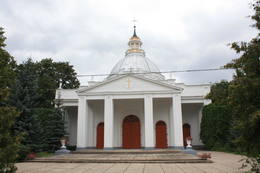
Berzgales katolu baznicaОдна из самых красивых деревянных церквей Южной Латгалии. Построенный из бревен и обшитый досками храм строился в период с 1750 по 1751 гг. Сохранился алтарь работы XVIII века (резьба по дереву, барокко) и проспект органа, а также более 30 предметов, имеющих художественную ценность. Во дворе церкви в XIX веке построена колокольня. В направлении озера Рушонс построен деревянный пасторат. 240
Leistungen
240km - Entfernung von der Hauptstadt |
 |
Lettland
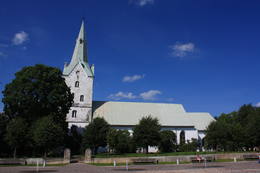
Daugavpils Sveta Petera kedes katolu baznicaAtrodas Rīgas ielā 39. Dievnams celts 1848. – 1849. g. klasicisma stilā (arhitekts A. Štauberts), bet laikā no 1924. – 1934. g. pārbūvēts (A. Vizuļa projekts). Dievnama izskatu salīdzina ar Svētā Pētera katedrāles veidolu Vatikānā. Blakus baznīcai atrodas Rīgas ielas gājējiem domātā daļa. 226
Leistungen
226km - Entfernung von der Hauptstadt |
 |
Lettland
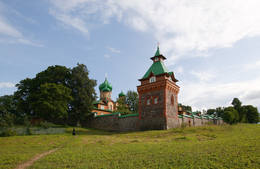
Dobeles luteranu baznicaAtrodas pilsētas centrā - Tirgus laukuma malā. Dievnams tapis 1495. g., pēc Livonijas ordeņa mestra Valtera fon Pletenberga (~ 1450. – 1535.) pavēles. Gadsimtiem ritot, ēka pārbūvēta un tagad redzamais tornis celts 1907. g. Baznīcā apskatāmi nozīmīgi kultūrvēstures pieminekļi: altārglezna “Golgāta” - H. Kīperta darināta kopija (pēc K. Arnoldi Kandavas luterāņu baznīcas oriģināla (1864. g.)), muižniekam Fīlipam Drahenfelsam veltīta epitāfija (B. Bodekers, 16. un 17. gs. mija), A. D. Tīzenhauzenas kapu plāksne (1648. g.), kristāmtrauka pamatne (18. gs.) un piemiņas plāksne 1. pasaules karā un Latvijas Brīvības cīņās kritušajiem draudzes locekļiem (1925. g.). Ap Tirgus laukumu (atjaunots, jauka strūklaka) izvietojies Dobeles vēsturiskais centrs. 72
Leistungen
72km - Entfernung von der Hauptstadt |
 |
Estland
Hain von Kuremäe und Nonnenkloster PühtitsaKloster von Kuremäe wurde im Jahr 1891 errichtet und es ist das einzige tätige russisch-orthodoxe Nonnenkloster in Estland. In den vergangenen Tagen befand sich hier der Hainort der altertümlichen Esten. Am Berg ist eine Opferquelle, die heute wegen seines heilenden Wassers als heilige Quelle genannt wird. Kloster ist für die Touristen geöffnet und alltägliches Leben der Klosterbewohner kann man besichtigen. Wer den ganzen Klosterkomplex besichtigen möchte, kann von Nonnen eine Führung bestellen. 187
1-12
Leistungen
187km - Entfernung von der Hauptstadt
1-12 Aktive Saisonmonate |
 |
Lettland
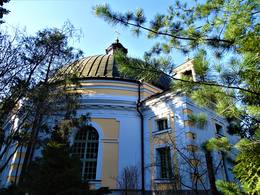
Evangelisch-lutherische Kirche von KatlakalnsNach Angaben befand sich die Kirche an dieser Stelle schon im 17. Jahrhundert. Die jetzige Kirche wurde von 1792 bis 1794 gebaut. Der Autor des Projektes eines kuppelförmigen Gebäudes war Christoph Haberland, der Hauptbaumeister von Riga. Eine Form der Kuppel sichert eine gute Akustik in den Innenräumen. Der Altar ist gegenüber der Eingangstür eingerichtet. Zwischen den Kolonnen des Gebäudes befindet sich ein Altarbild, das Christus und St. Peter in aufgewühltem Meer darstellt. Zu den bedeutenden Gegenständen der Innenausstattung gehören Weinbecher, Kerzenträger aus den 18 – 19 Jahrhunderten u.a. 2014 wurde das Gebäude restauriert. Südlich von der Kirche befindet sich der Friedhof von Katlakalns, auf dem ein berühmter deutsch-baltischer Publizist und Schriftsteller Garlieb Merkel (1769 – 1850) bestattet wurde, der eine große Rolle in der Aufhebung der Leibeigenschaft im Baltikum spielte. |
 |
Lettland
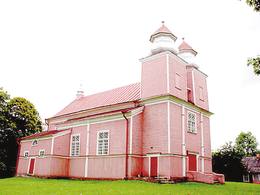
Römisch-katholische Kirche St. Johannes der Täufer in FeimaniBefindet sich im Südteil der Siedlung Feimaņi. Die Kirche wurde von 1756 bis 1760 gebaut. Feimaņi war ein Eigentum der Baronengeschlecht von Korff. Die Kirche gehörte verschiedenen Konfessionen gemäß dem Religionswechsel der Baronen von Korff vom Luthertum zum Katholizismus. Es lohnt sich zu erwähnen, dass die katholische Kirche in Feimaņi sich zwischen den Kirchen im Bezirk Rēzekne durch größte Anzahl der Kunstdenkmäler von staatlicher Bedeutung auszeichnet. Darunter sind eine Beichtbank, Kirchenbänke, einen Orgelprospekt, Silberbecher und fünfzehn Holzschnitzereien des Altars, darunter drei aus dem 18. Jahrhundert zu erwähnen. Bei den Kirchentoren erhebt sich einen Glockenturm mit vier Glocken. Während der Karwoche werden in der Kirche anstatt der Glocken die s.g. “Klappern” verwendet. Die sind 2 m lange un1 m hohe Gegenstände, die an altertümliche Wäschemängel erinnern. In Feimaņi befindet sich eine der drei Fahnenherstellungswerkstätten Lettlands, die mit den modernsten Einrichtungen im Baltikum ausgestattet ist. An diesem Ort wurde sowohl ideologisch als auch physikalisch die Fahne Lettgallens “geboren”. 226
1-12
Leistungen
226km - Entfernung von der Hauptstadt
1-12 Aktive Saisonmonate |
 |
Lettland
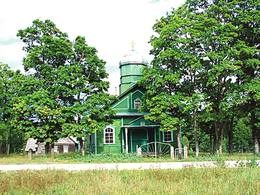
Ismeri Old-Believers Prayer HouseIsmeri Old-Believers Prayer House was built in 1912 by the donations of local people. The parish of
Ismeri exists since 1861.
|
 |
Lettland
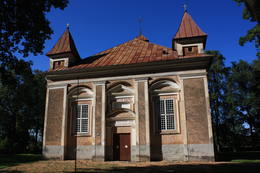
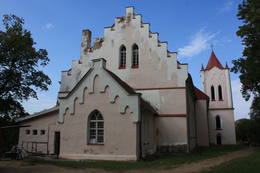
Evangelisch-lutherische Kirche des Heiligen Georgs in SubateDie Kirche befindet sich an dem nordöstlichen Ufer des Sees Mazais Subates ezers. Das Gotteshaus ist von 1685 bis 1686 im byzantinischen Stil laut der Anweisung des Besitzers des Landgutes von Prode H. F. Osten-Sacken gebaut worden. Diese Kirche ist die einzige Kirche in Lettland, deren Architektur den Formen eines idealen protestantischen Gotteshauses aus dem Ende des 17. Jhs. ähneln, Interessant sind die kleinen Türme an den Gebäudeecken. Die Innenausstattung des Gotteshauses bilden reichlich ornamentierte und mit Skulpturen verzierte Holzschnitzereien, darunter auch der Altar aus dem 17. Jh., die Kanzel und die Beichtbank, sowie Kunstwerke aus dem 17. bis 18. Jh. und eine im Jahr 1682 gegossene Glocke. Es ist noch zu erwähnen, dass einen Teil der Innenausstattung der Kirche die Handwerker der Holzbildbauerschule aus Stelmuže hergestellt haben. 171
Leistungen
171km - Entfernung von der Hauptstadt |
 |
Lettland
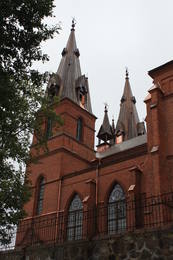
The Lutheran Church of St John in AizputeThe Lutheran Church of St John in Aizpute is on Beidas Hill, which is near the steep river valley of the Tebra River and the Dzirnavdīķis pond which the river has created. The church is on an ancient Courlandian castle hill. The current Gothic appearance of the church dates back to 1860, when it was rebuilt. The tower dates back to 1730. This is one of the oldest churches in Kurzeme, and it features an interesting interior with many artistic monuments. 175
Leistungen
175km - Entfernung von der Hauptstadt |
 |
Lettland
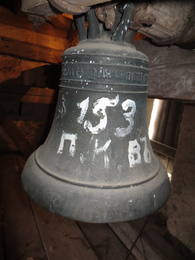
Die Herz-Jesu-Kathedrale in Rezekne An der Stelle der heutigen Kirche war 1685 von den Mitteln des Krakauer Heerführers Belinskis eine Holzkirche gebaut worden, die 1749 renoviert worden war, jedoch 1887 während eines Gewitters niederbrannte. Ein Jahr später begannen die Bauarbeiten einer zweitürmigen Kirche im neogothischen Stil. Diese wurde 1904 eingeweiht. Sie gilt als eins der eindrucksvollsten Gotteshäuser Lettlands. Beachtenswert sind die Glasmalereien, die die Bischöfe Meinhard und Albert darstellen. Neben der Kirche befindet sich das Diakonie-Zentrum Rēzekne – Aglona mit dem Sitz des Bischofes. 245
Leistungen
245km - Entfernung von der Hauptstadt |
 |
Lettland
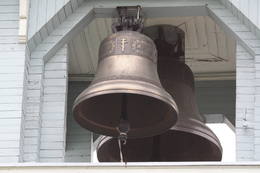
Lutherische Kirche von SabileEine 1651 gebaute Kirche wurde mit Pausen während des Halbjahrhunderts gebaut. Die ist voll umgebaut und heutige Ansicht erhielt 1876. In der Kirche befindet sich ein der bedeutendsten sakralen Einrichtungsgegenstände Lettlands – die älteste im Stil des Manierismus errichtete Kanzel Lettlands (1590) und die im 19. Jahrhundert eingestellte Kapellenglocke einer zerstörten Ritterburg (1450), die die älteste Kirchenglocke Lettlands ist. Das vom deutschen Meister F. Wolf geschaffene Altarbild “Christus am Kreuz” sowie der Altar sind vor kurzem renoviert worden. 109
1-12
Leistungen
109km - Entfernung von der Hauptstadt
1-12 Aktive Saisonmonate |
 |
Lettland
Gebetshaus des Heiligen Nikolaus der Altgläubigen von RezekneDas Gotteshaus ist im Jahr 1895 gebaut, aber im Jahr 1906 umgebaut worden. Auf seinem Turm befinden sich drei Glocken, die aus Silber und Kupfer gegossen sind und von denen eine zu der größten Glocke (4832 kg) in den baltischen Staaten ernannt worden ist. Neben dem Gottsehaus befindet sich ein Museum, das mit der Kultur und dem Kirchenleben der Altgläubigen bekannt macht. Dieser Ort ist einer der seltenen Orte der Altgläubigen, der öffentlich zugänglich ist. 245
Leistungen
245km - Entfernung von der Hauptstadt |
 |
Lettland
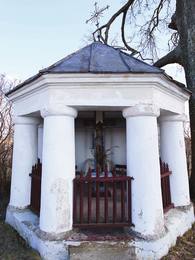
The Crucifix of KurpinikiThe Crucifix of Kurpinīki is known also as the place where Janis Streičs
shot some scenes of the movie „The Child of a Man”. Long time ago this crucifix
was situated in the courtyard of writer’s grandfather Donat Klidzejs in the USA.
|
 |
Litauen
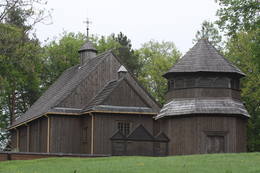
Kirche in PalusėDie Kirche hat einen 1800 gebauten einzigartigen achteckigen Glockenturm. Blick auf den Lūšiai-See. 113
Leistungen
113km - Entfernung von der Hauptstadt |
 |
Lettland
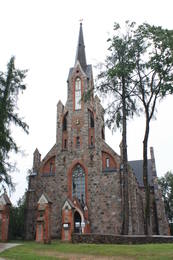
The Cesvaine Lutheran ChurchFound in the northern part of Cesvaine, the church was built of fieldstones in the Neo-Gothic style in 1879 by the architect Paul Max Bertschy. The church was restored in 1929 and again in the early 1990s. The altar painting, “Christ on the Cross” (1923) is by Jēkabs Bīne.
182
Leistungen
182km - Entfernung von der Hauptstadt |
 |
Litauen
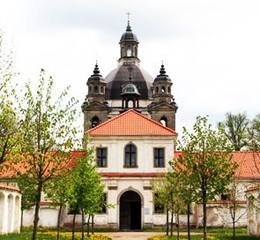
PazaislisEin hervorragendes Sakralensemble im Barockstil (17 – 18 Jh.), eine Kirche und ein tätiger Nonnenkloster. 99
Leistungen
99km - Entfernung von der Hauptstadt |
 |
Lettland
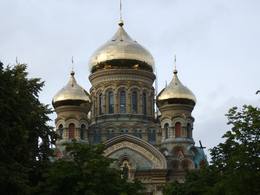
The St Nicholas Orthodox Maritime CathedralDas Gotteshaus ist von 1900 bis 1903 im byzantinischen Stil als eine Kirche der Kriegsgarnison gebaut worden, bei deren Einweihung Zar Nikolai II teilgenommen hat, indem der Heilige Nikolai – der Schutzpatron der Seeleute geehrt wurde. Das prachtvolle Gebäude wurde während des Ersten Weltkriegs von den Deutschen ausgeraubt. Während der Ersten Republik Lettlands diente die Kathedrale als das Gotteshaus der Garnisone von Liepaja. Die Sowjetarmee hat die Räume des Gotteshauses als das Kino des Sport- und Matrosenklubs und als ein Lager benutzt. Es gibt Erzählungen darüber, dass die Sowjetsoldaten aus den Heiligenbildern der Fassade Teile von Goldmosaiken herausgebrochen haben. Heute wirtschaftet in der Kirche die orthodoxe Gemeinde. Beim Bau der Kathedrale ist eine einzigartige Technologie der ununterbrochenen Betonierung verwendet worden, darum haben die Baukonstruktionen keine Stützsäulen und ihr Gewicht nur auf die Gebäudewände stützt, die die vier sich kreuzenden Bogengewölbe halten. Heute ist dieses Gotteshaus die höchste orthodoxe Kathedrale in Lettland. 220
Leistungen
220km - Entfernung von der Hauptstadt |
 |
Lettland
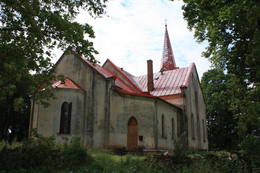
The Aizkraukle Lutheran ChurchA bit less than one kilometre from the Aizkraukle castle hill, the church can be seen from the Rīga-Daugavpils highway (A6). The church was built in 1688 on the steep banks of the
82
Leistungen
82km - Entfernung von der Hauptstadt |
 |
Lettland
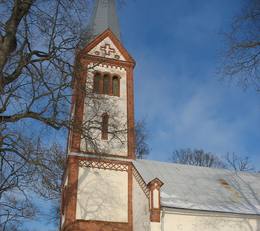
Kirche von KrimuldaEine der ältesten Kirchen Lettlands, gebaut im 13. Jh. nach der Eroberung von Kubesele. 51
Leistungen
51km - Entfernung von der Hauptstadt |
 |
Lettland
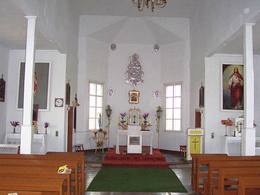
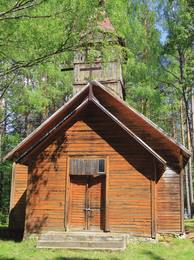
Holy Trinity Parish Catholic Church of StruzaniHoly Trinity Parish Catholic Church of Strūžāni was renovated
and sanctified in 1958. The church has no towers because they were not allowed in the time of the Soviet
Union.
|
 |
Lettland
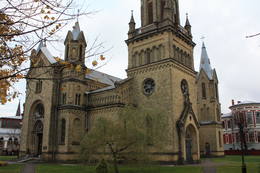
Krupenisku Old-Believer Prayer HouseKrupenišku Old-Believer Prayer House was built in 1908. The autor of the
design is engineer I. Ivanov. At present the church is in bad tehnical condition.
|
 |
Lettland
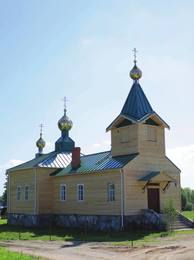
Liepajas Sveta Jazepa katolu katedraleAtrodas starp Kr. Valdemāra un Kuršu ielām. Viena no iespaidīgākajām un greznākajām pilsētas celtnēm, kas būvēta neoromantikas formās. 19. gs. beigās katoļu draudze nevarēja saņemt atļauju jauna dievnama celtniecībai, tādēļ uz vecās ēkas uzbūvēja jaunu, kur vecā baznīca tapa par lielākās ēkas sānu kapelu. Baznīcas sienas un koka griestus rotā attēli ar Bībeles sižetiem. Dievmātes kapelā saglabājies mazās baznīcas (no 18. gs.) centrālais altāris. Baznīcas griestos ir iekārts burinieka modelis, ko dāvinājuši vētras laikā izglābušies jūrnieki. 217
Leistungen
217km - Entfernung von der Hauptstadt |
 |
Lettland
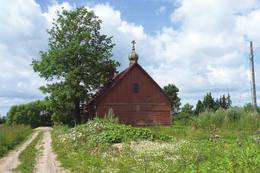
Tiskadi Orthodox ChurchTiskādi Orthodox Church is the cultural monument of the local significance. The construction works of the building lasted from 1829 to 1878. The
church was reconstructed in 2008. The church has antique icons and the library
of sacred literature.
|
 |
Lettland
Rimsi Old-Believers Prayer HouseRimši Old-Believers Prayer House. The church was built in the
beginning of the 20th century.
|
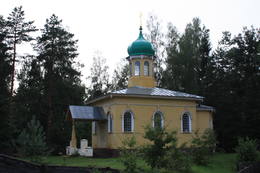 |
Lettland
Jersikas Kristus apskaidrosanas pareizticigo baznicaСо стороны шоссе Рига – Даугавпилс (А6) (напротив кафе «Бордертаун») стоит необычный (построенный из складывающихся конструкций) храм, который изготовлен в Одессе в 1866 году. Церковь служила передвижной церковью царской армии и стоит на этом месте с 1904 года. Раньше (с 1886 г.) она находилась в Даугавпилсе. При храме построен деревянный дом-молельня, который открыт целые сутки. 176
Leistungen
176km - Entfernung von der Hauptstadt |
|
|
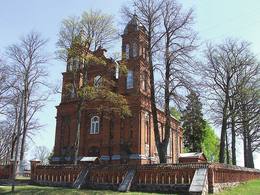
Lettland
Krustceli Old-Believers Prayer HouseKrustceļi Old-Believers Prayer House was built in 1939.
|
 |
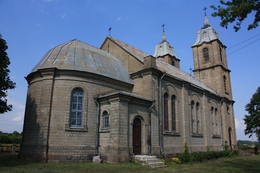
Lettland
Roman Catholic Church of PrezmaSts. Simon and Judas the Apostles Roman Catholic Church of
Prezma. The brick stone church with its two towers was built in 1859.
The Monument of National significance.
|
 |
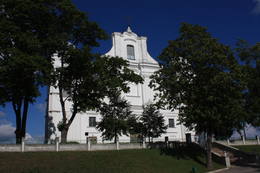
Lettland
Spruktu Sveta Antona Romas katolu baznicaAtrodas nomaļā vietā, 0,7 km no Daugavpils – Krāslavas (A 6) ceļa, Daugavas virzienā. Dievnams celts 1933. – 1938. gadā koka kapelas vietā pēc Prāvesta Vaclava Kozlovska projekta, kurš pats arī vadījis celtniecības darbus. Dievnams celts no lieliem cementa ķieģeļiem. Tā lielajā altārī novietota Svētā Antona glezna, bet sānu altārī – Jaunavas Marijas statuja. Gan glezna, gan statuja ir pārvesta no Izvaltas baznīcas. Ikdienā baznīca apskatāma no ārpuses. 245
Leistungen
245km - Entfernung von der Hauptstadt |
 |
Lettland
The Dagda Roman Catholic Church of the All-Holy TrinityThe first wooden Catholic church in Dagda was built in 1705, while the church that is seen today was built in the Baroque style during the latter half of the 18th century, the work financed by a local nobleman. Important interior elements include the altar, the pulpit, the organ, a monument to the Hilsen dynasty, etc. To the North of the church is historical Dagda itself, with typical red brick buildings from the early 20th century that are known as the former homes of Jewish merchants.
265
Leistungen
265km - Entfernung von der Hauptstadt |
 |
Lettland
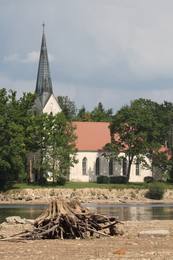
Kokneses luteranu baznicaAtrodas Pļaviņu HES ūdenskrātuves krastā (R. Blaumaņa ielas galā) iepretim salai, uz kuras top Likteņdārzs. Baznīca (celta 1687. g.) ir vairākkārt atjaunota (1731., 1887.). Tagad redzamais tornis tapis par Stukmaņu muižas īpašnieku atvēlētajiem līdzekļiem. Baznīcā par mācītāju kalpojis Ernests Gliks. Padomju laikos ēkā atradies Stučkas vēstures un mākslas muzejs. Apmeklētāji var uzkāpt dievnama tornī (čuguna zvans!), kā arī aplūkot mākslinieka A. Dobenberga gleznas. Baznīca ir atvērta un apskatāma arī no iekšpuses. 101
Leistungen
101km - Entfernung von der Hauptstadt |
 |
Lettland
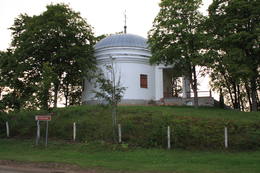
Varaklanu Sv. Viktora katolu kapela - baznicaVarakļānu centrā, Rīgas ielas malā paceļas neliels paugurs, uz kura atrodas balta ēka ar 4 kolonnām un kupolveida jumtu, kas celta pēc Romas Panteona parauga. Kapela būvēta 1814. g. (arhitekts Vinčento Macoti), un tajā atrodas grāfu Borhu dzimtas apbedījumi. Kapelā bija novietoti arī Sv. Viktora pīšļi, kas pārvesti uz Varakļānu katoļu draudzes baznīcu. 199
Leistungen
199km - Entfernung von der Hauptstadt |
 |
Lettland
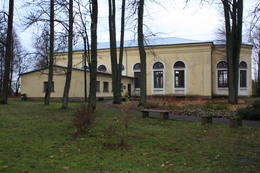
Nicas luteranu baznicaDievnams celts (1851. g.) un vēlāk (1876. g.) paplašināts. Tas tika sagrauts 2. Pasaules kara laikā un pēcāk atjaunots. Līdz Latvijas neatkarības atgūšanai to izmantoja par skolas sporta zāli. Pēc draudzes darbības atsākšanas (1989. g.) sākās arī baznīcas un ar to saistīto tradīciju atdzimšana. Apskatāma no iekšpuses. 238
Leistungen
238km - Entfernung von der Hauptstadt |
 |
Lettland
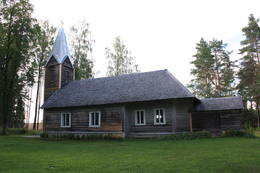
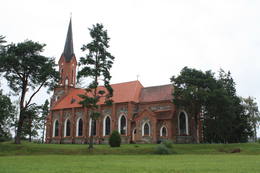
The Lode (Apsi) Lutheran ChurchThe Lode (Apši) Lutheran Church is between Lake Bānūži and Lake Ilze. It is a unique example of wooden architecture and dates back to 1780. The log church had a straw roof until the early 20th century, at which point a shingled roof was installed instead. 119
Leistungen
119km - Entfernung von der Hauptstadt |
 |
Lettland
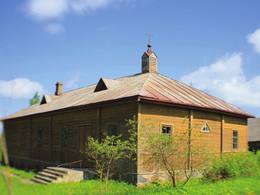
The Velena Lutheran ChurchThe Velēna Lutheran Church is at the crossing of the Smiltene-Gulbene-Lizums roads. It is said that the roof of the first wooden church at this location had a peat moss roof. The organ from the Sauer company still works, and it is one of the best organs in Latvia. The organist offers guided tours of the church. 161
Leistungen
161km - Entfernung von der Hauptstadt |
 |
Lettland
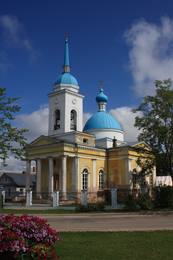
St. Alois Roman Catholic church of OstroneSt. Alois Roman Catholic church of Ostrone (Ustroņu) was built
in 1935 in the time of dean B. Valpitrs CCM (Congregation Clericorum
Marianorum).
|
 |
Lettland
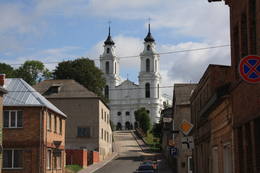
Die orthodoxe Kirche von LudzaBefindet sich im Zentrum der Altstadt, auf der Kreuzung Latgales iela - Baznīcas iela. Das Gotteshaus ist 1834-1845 im klassizistischen russischen Stil erbaut. Vor nicht allzu langer Zeit wurden Decken und Wandmalereien erneuert. Im Turm des Gotteshauses befindet sich eine 1667 kg schwere Glocke. 266
Leistungen
266km - Entfernung von der Hauptstadt |
 |
Lettland
Die katholische Kirche von LudzaDie erste katholische Kirche auf dem Kirchberg von Ludza war 1687 gebaut worden, diese fiel jedoch einem Brand zum Opfer. 1738 wurde eine neue Holzkirche im Barockstil erbaut, wegen ihres prächtigen Interieurs wurde sie als schönstes hölzernes Gotteshaus Lettlands bezeichnet. Diese verbrannte im großen Stadtbrand von 1938. Der Bau der jetzigen wurde 1939 begonnen, vollkommen fertiggestellt und restauriert wurde sie jedoch erst Anfang der 90er Jahre des letzten Jahrhunderts. 266
Leistungen
266km - Entfernung von der Hauptstadt |
 |
Lettland
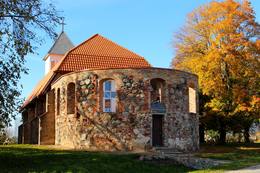
Gramzdas luteranu baznicaDievnama mūri kā svētvieta glabā ne tikai svētuma starojumu, mierinājumu, bet arī smagus, rūgtus un iznīcinošus notikumus. Vairākkārt pārbūvēta, sagrauta, dedzināta, un tomēr atjaunota. 243
Leistungen
243km - Entfernung von der Hauptstadt |
|
|
Estland
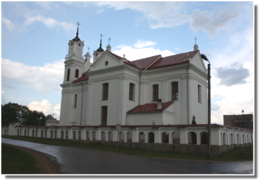
Kirche KihelkonnaEine einzigartige Kirche mit einem im 17. Jh. beiseite gebauten Glockenturm. 248
Leistungen
248km - Entfernung von der Hauptstadt |
 |
Lettland
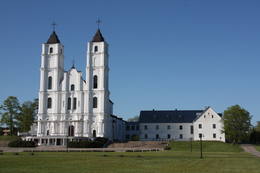
Katholische Kirche von DvieteDie Kirche befindet sich im Zentrum der kleinenOrtschaft Dviete. Die weiße Gestalt der Kirche ist schon von weitem zu sehen. Die erste Kirche aus Holz wurde hier im Jahr 1775 unter der Leitung des Landgutbesitzers J. K. Wischling gebaut. Später wurde das Gotteshaus abgerissen und in den Friedhof von Zarinki versetzt. Die heutige Gestalt (im Stil Neobarock, mit zwei Türmen) hat die katholische Kirche von Dviete im Jahr 1864 dank der Finanzierung des Grafen Kasimir Plater-Sieberg bekommen. Die Kirche wurde im Ersten Weltkrieg zerstört, darum wurde bis zu ihrem Wiederaufbau und ihrer Einweihung im Jahr 1929 als der Gebetsraum die Kornkammer des Landgutes von Dviete (mit einem Giebeldach) verwendet, die sich am Rand der Straße Dviete – Bebrene befindet und heute erneuert ist. Im Jahr 1940 wurde um die Kirche ein gemauerter Zaun mit einem Ziegeldach, aber in den 1970er Jahren – das Gemeindehaus gebaut. Das Gotteshaus hat eine besonders prachtvolle barocke Innenausstattung, die als die prachtvollste in dem ehemaligen Bezirk von Daugavpils betrachtet wird. 208
Leistungen
208km - Entfernung von der Hauptstadt |
 |
Lettland
Die katholische Basilika von AglonaAuffällig sind die beiden 60m hohen Türme des im Barockstil erbauten Gotteshaus. Die Kanzel, der Orgelprospekt, die Orgel und ein Beichtstuhl stammen aus dem 18. Jh., die Seitenaltäre vom Beginn des 19. Jh. Im zentralen Teil des Altars befindet sich das Gemälde „Die wundertätige Gottesmutter von Aglona aus dem 17.Jh., dem Heilkräfte zugesagt werden, daher wird es nur zu bedeutenden Zeiten gezeigt. Vor dem Besuch des römischen Papstes Johannes Paul II in Lettland im Jahre 1993 fanden umfangreiche Renovierungs- und Umbauarbeiten am Kirchenkomplex statt. Alljährlich kommen am 15. August Pilger nach Aglona, um das Fest Mariä Himmelfahrt zu feiern. Etwa 100m von der Basilika befindet sich die heilige Quelle Aglonas Svētavots. 231
Leistungen
231km - Entfernung von der Hauptstadt |
|
|
Estland
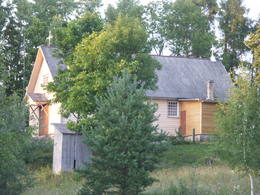
St. Martins-Kirche in KäinaDie Ruinen der um 1500 gebauten eindrucksvollen Kirche, die man besichtigen kann. Das Gebäude wurde nach dem Luftangriff 1942 beschädigt. 148
Leistungen
148km - Entfernung von der Hauptstadt |
 |
Lettland
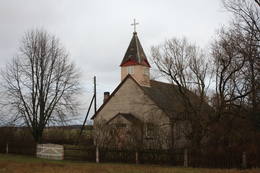
The Roman Catholic Church of the Holy Virgin Mary in DukstigalsDie heutige Kirche aus Holz wurde auf diesem Hügel im Jahr 1947 gebaut, aber sie ist erneuert worden. Heute befindet sich in der Kirche das Dekanat von Rēzekne. Die Kirche kann man von außen besichtigen. Im Dorf Dukstigals waren bis zum Jahr 1960 zwei Gemeinden: Das Weiße Dukstigals (von Šadurskis) und das Schwarze Dukstigals (von Slobodskis). Im Weißen Dukstigals wurde eine Kirche im Jahr 1775 gebaut. Diese Kirche hat die Sowjetmacht im Jahr 1960 gewalttätig zerstört. Und das wurde trotz der Tatsache gemacht, dass diese Kirche ein Baudenkmal und die älteste Kirche (367 Jahre alt) in der Region Latgale war! Eine Rechtfertigung war die Erklärung, dass sich in einer Gemeinde zwei Kirchen nicht befinden dürfen. 261
Leistungen
261km - Entfernung von der Hauptstadt |
 |
Lettland
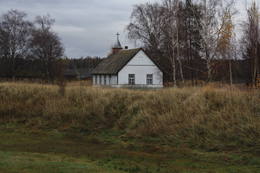
Muitnieku luteranu baznicaNelielā izmēra ēka (balts ķieģeļu mūris, ar dēļiem apšūts zems tornis) atrodas Liepājas – Klaipēdas šosejas (A 11) malā. 20. gadsimta sākumā tā kalpojusi kā lūgšanu nams, taču tā paša gadsimta vidū pārbūvēta, uzceļot torni. 233
Leistungen
233km - Entfernung von der Hauptstadt |
 |
Lettland
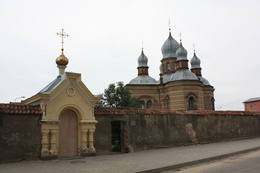
Jurmalciema baptistu baznicaLabi aplūkojama (neliela izmēra vienstāvu ēka) no Klajumu vējdzirnavu puses. Baptistu draudze Jūrmalciemā dibināta 1933. gadā. 242
Leistungen
242km - Entfernung von der Hauptstadt |
 |
Lettland
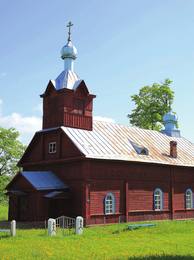
Orthodoxe Kirche des Heiligen Geistes und MännerklosterDie orthodoxe Kirche des Heiligen Geistes und das Männerkloster, sowie die sich auf dem Gelände des Klosters befindliche orthodoxe Kirche des Heiligen Nikolaus des Wundertäters befinden sich in Jēkabpils, in der Brīvības Straße 200. Die byzantinisch-orthodoxe Kirche des Heiligen Geisteswurde von 1853 bis 1886 gebaut, aber die vorigen Kirchen wurden im 17. Jh. an der Stelle des im Jahr 1773 abgebrannten Gotteshauses gebaut, für dessen Bau der kurländische Herzog Jakob Holz zur Verfügung gestellt hatte. An der Kirche befand sich der Männerkloster des Heiligen Geistes, aber im Jahr 1903 brach zu Ostern in dem Kloster ein Feuer aus, in dem nur das Gemälde der Jungfrau Maria erhalten blieb. Die Kirche hat im Ersten Weltkrieg gelitten, aber sie wurde im Jahr 1933 erneuert. Neben der Kirche des Heiligen Geistes befindet sich das älteste Gotteshaus von Jēkabpils – die im Jahr 1774 gebaute gemauerte Kirche, die im Namen des Heiligen Nikolaus des Wundertäters genannt ist. Diese Kirche zeichnet sich durch ihre kleinen Maße (17 x 19,5 Meter) aus. Heute haust hier das Kloster der orthodoxen Kirche des Heiligen Geistes, den man auch von innen besichtigen kann. Dieser Gebäudekomplex ist von einem eindrucksvollen und den lettischen Städten nicht charakteristischen Mauerzaun aus dem 17. Jh. eingeschlossen. 141
Leistungen
141km - Entfernung von der Hauptstadt |
 |
Lettland
Tiskadi Old-Believers Prayer HouseTiskādi Old-Believers Prayer House was built in 1886 and reconstructed
in 1905. The large church was sanctified 100 years ago. It is situated in the district which is mostly populated by Old Believers. The church stands on the hill.
|
 |
Lettland
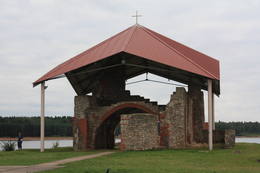
Die Ruine der Kirche von IkskileSeit den 70er Jahren des 20.Jh. befindet sich diese auf der kleinen Insel des hl. Meinhards im Staubecken des Rigaer Wasserkraftwerkes. Die hier zu sehenden Baureste sind die Ruine des ältesten Steinbaus Lettlands. Der Bau der Kirche wurde 1184 begonnen, sie wurde mehrfach umgebaut und zerstört, zuletzt 1916. Heute ist die Ruine des Gotteshauses konserviert, es befindet sich eine Metallüberdachung darüber, die Ufer der Insel sind befestigt. Auf der Insel ist ein 10m hohes Kreuz errichtet (Künstler E. Samovičs) und ein Steinaltar (Bildhauer J, Karlobs) 32
Leistungen
32km - Entfernung von der Hauptstadt |
 |
Lettland
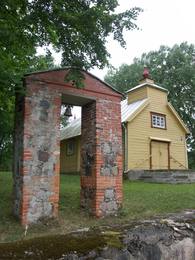
The Roman Catholic Church of Archangel Michael in ZosnaDas Gebäude ist im Jahr 1800 gebaut und im Jahr 1825 umgebaut worden. Die katholische Kirche von Zosna ist eine der kleinsten hölzernen Kirchen in der Region Latgale und das älteste Gotteshaus im Nationalpark Rāzna. In dem Gebäude befindet sich ein bekanntes Altargemälde Madonna mit dem Kind. Bemerkenswert sind auch das Tor, der Zaun (aus roten Ziegelsteinen und Feldsteinen gebaut) und der Glockenturm. Unweit von der Kirche wohnt die Verwalterin der Kirche, mit der man sich über den Besuch der Kirche einigen kann. 249
Leistungen
249km - Entfernung von der Hauptstadt |
 |
Lettland
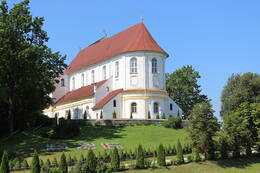
The Skaistkalne Roman Catholic ChurchThe Skaistkalne Roman Catholic Church is in the southern part of Skaistkalne and on the right bank of the Mēmele River valley. The Baroque church is known as the most beautiful Catholic church in Zemgale. The ornate interior and the graves of clergymen and noblemen can be toured. 75
Leistungen
75km - Entfernung von der Hauptstadt |
 |
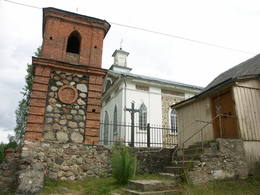
Lettland
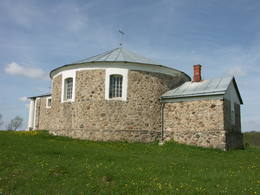
The Jaundome Catholic chapelThis chapel is interesting in form and made of field stones. It was built in the 19th century and is not open to the public. 276
Leistungen
276km - Entfernung von der Hauptstadt |
 |
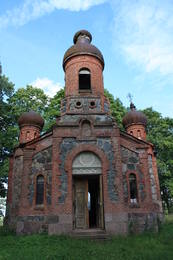
Lettland
Borovkas Svetas Dievmates Romas katolu baznicaDaugavpils – Krāslavas (A 6) ceļa malā redzamais dievnams uzcelts ar Plāteru dzimtas pārstāvju – Vaclava un Kazimira Plātera atbalstu 1811. gadā. Dievnamu ieskauj metālkaluma un no ķieģeļiem mūrēts žogs, kā arī divi zvanu torņi. Labās puses zvanu tornī karājas vecs zvans. No baznīcas iekārtas ir jāpiemin galvenais altāris, ko rotā Dievmātes skulptūra, trīs biktskrēsli, četras evaņģēlistu sienas freskas un Lurdas Dievmātes glezna. Ikdienā apskatāma no ārpuses. 252
Leistungen
252km - Entfernung von der Hauptstadt |
 |
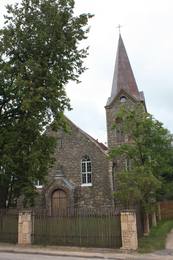
Lettland
Malu pareizticigo baznicaDievnamu (atrodas Skujenes – Vecpiebalgas ceļa malā) 1872. g. cēla pirmais izglītotais latviešu arhitekts Jānis Frīdrihs Baumanis (1834. – 1891.), kas ir vairāku pazīstamu celtņu – J. Vītola Mūzikas akadēmijas, Rīgas cirka, Valsts bankas u.c. ēku projekta autors. Padomju laikā Māļu baznīcā atradās tukšās taras pieņemšanas punkts, bet mūsdienās – saglabājies tikai ēkas ārējais veidols. Baznīca apskatāma arī no iekšpuses. 108
Leistungen
108km - Entfernung von der Hauptstadt |
 |
Lettland
Plavinu Sveta Petera luteranu baznicaAtrodas Raiņa ielā 18. Baznīca celta 1911. - 1912. g. pēc Stukmaņu muižas nomnieka barona R. Noldes iniciatīvas. 1. pasaules karā cietušo baznīcu atjaunoja un no jauna iesvētīja 1921. g. Baznīcā apskatāma altārglezna “Kristus augšāmcelšanās”. Dievnams tāpat kā daudzas citas pilsētas ēkas ir būvētas no apkaimē sastopamā izejmateriāla – dolomīta. Interesanti, ka tornis būvēts ēkas vienā malā – asimetriski. 122
Leistungen
122km - Entfernung von der Hauptstadt |
|
|
Lettland
Recina Old-Believers Prayer HouseRečina Old-Believers Prayer House was built in 1912. It has a rectangular shape with a single-hall,
rubble-wall foundation and a small tower on the top of the altar.
|
|
|
Estland
Kirche KarjaDie kleinste und eine der reichtesten Kirchen Nordeuropas im Sinne der Zierelemente. Seit dem Bau im 14. Jh ist äußerlich kaum verändert worden. 194
Leistungen
194km - Entfernung von der Hauptstadt |
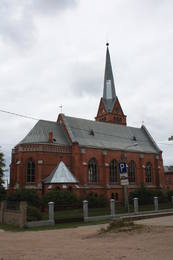 |
Lettland
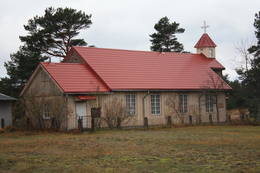
Daugavpils Martina Lutera katedraleAtrodas t.s. Baznīcu kalnā – 18. novembra ielā 66. Apjoma ziņā – lielākais Daugavpils luterāņu dievnams, kuru cēla laikā no 1891. - 1893. g. neogotiskā stilā no sarkanajiem ķieģeļiem (arhitekts Vilhelms Neimanis). 1941. g. baznīcā izcēlās ugunsgrēks un gāja bojā lielākā daļa no tās sākotnējās iekārtas. Turpmāko divu gadu laikā baznīcu daļēji atjaunoja, taču vēlāk tajā izveidoja noliktavu u.c. baznīcai „nepiederīgas” iestādes. 1985. g. ēka vēlreiz cieta ugunsgrēkā. Pagājušā gadsimta deviņdesmito gadu sākumā uzsāka baznīcas atjaunošanas darbus, uzstādīja solus un altāri, kas ir Ogres Amatniecības vidusskolas audzēkņu darinājums. 226
Leistungen
226km - Entfernung von der Hauptstadt |
 |
Lettland
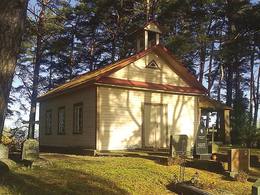
Jurmalciema Naceretes evangeliski luteriska baznicaAtrodas ciema ziemeļdaļā. Neliela vienstāvu ēka ar svaigi nomainītu jumtu. Pēc vieniem avotiem celta 1883. gadā, citiem – pamatakmens ielikts 1933. g. 1. maijā. Tā tapusi pēc vietējo iedzīvotāju ziedojumiem uz Pirču māju zemes (saimnieks zemi atdevis dievnama celtniecībai). Baznīcas iekārta 2. pasaules kara laikā gāja bojā, tādēļ mūsdienās redzamā ir tapusi 20. gs. otrajā pusē. 241
Leistungen
241km - Entfernung von der Hauptstadt |
 |
Lettland
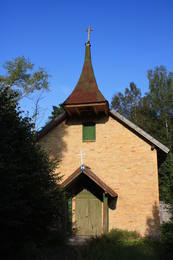
Idena graveyard chapelĪdeņa graveyard chapel has Catholic church services. Īdeņa chapel was built in 1898 by the foundation
of dean Smilgevičs. The church is devoted to the honor of the Holy Cross. The chapel has a small bell tower
and the weatherboards. You shouldn’t miss the chapel’s special celebration that is the indulgences of St.
Francis of Assisi, stigmata day in September 17.
|
 |
Lettland
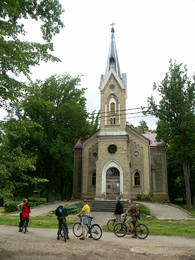
Labraga luteranu baznicaAtrodas Labraga – Apriķu ceļa malā. Kāds nostāsts vēsta, ka to 1896. gadā cēlis vietējais muižkungs, kurš vēlējies, lai viņa meitas laulības notiktu baznīcā. Dievnamā atrodas altārglezna "Kristus pie krusta un Sv. Marija Magdalēna", kas gleznota 19. gadsimtā (autors T. Šprengels). 199
Leistungen
199km - Entfernung von der Hauptstadt |
 |
Lettland
Die lutheranische Kirche von KemeriDas Gotteshaus befindet sich in der A. Upīša Straße 18. Es ist im Jahr 1897 in neogotischen Formen (Architekt Heinrich Schell) gebaut worden und es ist eines der wenigen Gebäude in der Stadt, das aus Ziegelsteinen im 19. Jh. gebaut wurde. Im Gotteshaus befindet sich das Altargemälde von Indriķis Zeberiņš Christus heilt die Kranken (1943). Die Innenräume der Kirche kann man während der Gottesdienste oder mit vorheriger Anmeldung besichtigen. An der Kirche kann man das von Eižens Laube projektierte Denkmal (1926) besichtigen, das 80 lettischen Schützen gewidmet ist, die während des Zweiten Weltkriegs gefallen und auf dem Brüderfriedhof in der Nähe des Flusses Vēršupīte bestattet sind. An der Kirche sind auch die Teilnehmer des am 18. Mai 1919 stattgefundenen Kampfs von Kauguri J. Kārkliņš un F. Siliņš bestattet worden. Mit vorheriger Anmeldung kann man die Kirche auch von innen besichtigen. 47
Leistungen
47km - Entfernung von der Hauptstadt |
 |
Lettland
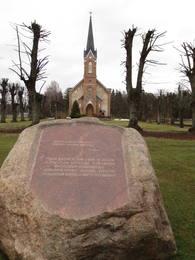
Evangelisch-lutherische Kirche St. Johannes in PinkiDie erste Kirche in Piņķi war aus Holz. Eine Idee über den Bau einer neuen Kirche erschien schon in den 50er Jahren des 19. Jahrhunderts, aber der erste Baustein wurde am 25. Mai 1872 gelegt (Architekt J. D. Felsko). Die Kirche ist von 1872 bis 1874 gebaut worden. Eine Orgel mit neun Registern wurde vom bekannten Orgelmeister Wilhelm Sauer 1890 gebaut. Am 17. Juli 1916 hatte hier das 5. Bataillon der Lettischen Schützen, das zur Frontlinie marschierte, nahe dem Landgut von Piņķi Unterkunft bezogen. An dem erwähnten Tag hat der Oberst Jukums Vācietis in der Kirche in Piņķi eine Predigt gehalten (über diesen Fakt haben Historiker verschiedene Meinungen), die zu einem der bedeutendsten Ereignissen der Geschichte Lettlands jener Zeit wurde. Das historische Ereignis hat den lettischen Dichter und Schriftsteller Aleksandrs Čaks dazu veranlassen, das in seinem Gedicht “Predigt in der Kirche in Piņķi” zu verewigen. Die Kirche (Kulturdenkmal) kann man auch von innen betrachten. In der dunklen Tageszeit wird das Gebäude angestrahlt. Nahe der Kirche befindet sich ein Gedenkstein für die Lettischen Schützen. 16
1-12
Leistungen
16km - Entfernung von der Hauptstadt
1-12 Aktive Saisonmonate |
 |
Lettland
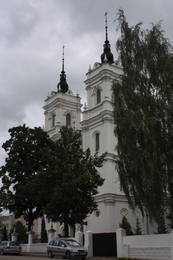
KirchenbergDer höchste Punkt im Südteil von Daugavpils – in der Umgebung der 18. Novembra Straße, wo auf einem relativ kleinen Territorium, im Umkreise von ~ 0,3 km sich die Kirchen von vier Konfessionen befinden: das Bethaus für Altgläubige in Daugavpils (1908 – 1928), die St. Boris und Gleb russisch-orthodoxe Kathedrale (1905), die römisch-katholische Kirche der Heiligsten Gottesmutter (1905) und die evangelisch-lutherische Kirche Martin Luthers (1893). 222
1-12
Leistungen
222km - Entfernung von der Hauptstadt
1-12 Aktive Saisonmonate |
 |
Lettland
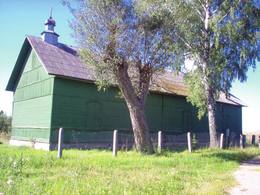
Kampiski Old-Believers Prayer HouseKampišķi Old-Believers Prayer House was reconstructed in 1931
by architect V. Šervinskis. The building is very high and spacious; has two cells and a rectangular belltower with the cross on the top.
|
 |
Lettland
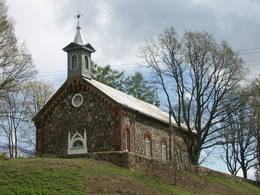
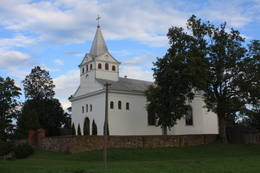
Die katholische Kirche von SarkaniAm westlichen Ufer des Cirma Sees erhebt sich die 1830 von Feldsteinen erbaute Kirche. Ein berühmtes Gemälde der Jungfrau Maria, dem Wunderkräfte zugeschrieben werden, macht das Gotteshaus zu einem beliebten Wallfahrtsziel. 169
Leistungen
169km - Entfernung von der Hauptstadt |
 |
Lettland
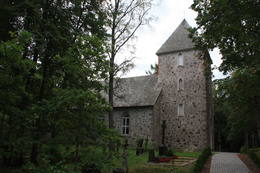
Jasmuizas (Aizkalnes) katolu baznicaAtrodas Jasmuižas austrumdaļā. Dievnams celts 1815. g., bet pārbūvēts 1932. g. 217
Leistungen
217km - Entfernung von der Hauptstadt |
 |
Lettland
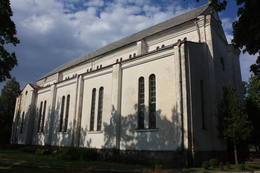
Gipka Lutheran Church1.2 km to the south of the centre of Ģipka and on the side of the Jūrmala-Kolka road (P131), this church makes it hard to believe that the rock church was built very recently – after 1992, because it was burned down during the Soviet occupation in 1979. Ironically, the Dundaga forestry fire safety post was housed in the steeple of the church after World War II. The ornate altar and organ were destroyed in the fire, but the altar painting, “Christ on the Cross,” was saved. The church is now once again open for business. 141
Leistungen
141km - Entfernung von der Hauptstadt |
 |
Lettland
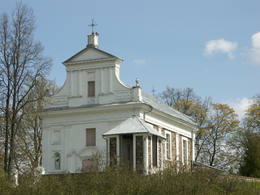
The Roman Catholic Church of St John the Baptistwas built between 1930 and 1947. On both sides of the altar are sculptures of angels that date back to the late 17th century and were sculpted in Subate. They are the only elements of this kind in the Baroque decorative sculpture in churches in Kurzeme. It may be that the figure of the Saviour on the cross with a sleeping lamb at his feet was produced by the same artists. No one knows how the artworks arrived in Subate. The organ with its wooden pipes was manufactured by Juris Bokums. During the season, the interior of the church can be toured, and if you contact the church in advance, you can arrange for organ music performances. 192
Leistungen
192km - Entfernung von der Hauptstadt |
 |
Lettland
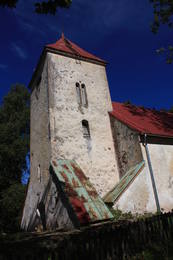
The Bukmuiza Catholic churchConstruction of the church began in 1830 thanks to money donated by nobleman Ludvigs Šabanskis. The Baroque stone church is surrounded by a restored stone fence, and inside there are icons including "Heart of Jesus," "Christ's Suffering," and "St Joseph." The church is not open to the public on a daily basis. 279
Leistungen
279km - Entfernung von der Hauptstadt |
 |
Lettland
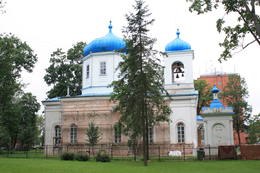
Ivandes luteranu baznicaIespaidīgais un monumentālais dievnams uzcelts 1816. gadā. No baznīcas nozīmīgākajām interjera detaļām ir saglabājušās ērģeles, altārglezna, lustra un kroņlukturis. Jāpiebilst, ka baznīca savā pastāvēšanas laikā nav pārtraukusi savu darbību. 170
Leistungen
170km - Entfernung von der Hauptstadt |
 |
Lettland
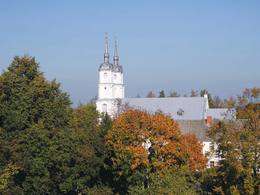
Rezeknes Vissvetakas Dievdzemdetajas Piedzimsanas pareizticigo baznicaAtrodas pilsētas centrā, Atbrīvošanas alejā 98. Dievnamu sāka celt 1840. g. (iesvētīja 1846. g.) un tas uzskatāms par pilsētas vecāko sakrālo būvi. Nekvalitatīvu būvniecības materiālu izmantošana un cēlāju pieredzes trūkums bija iemesls, kādēļ 1854. g. to nācās pārbūvēt. Pie baznīcas atrodas 1867. g. būvēta Sv. A. Ņevska kapliča, kas veltīta cara Aleksandra II paglābšanās faktam vilciena katastrofā un stikla mauzolejs, kurā apbedīts baznīcas mecenāts ģenerālis Karaulovs (šobrīd tiek restaurēts). Dievnams ir atvērts arī apmeklētājiem. 240
Leistungen
240km - Entfernung von der Hauptstadt |
 |
Lettland
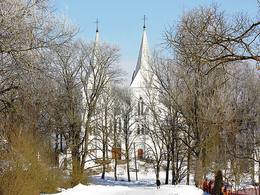
St. Michael the Archangel Roman Catholic Church of VilaniSt. Michael the Archangel Roman Catholic Church of Viļāni. The Church together with the Monastery
of Bernardian Order was built in the middle of the 18th century. It is a national cultural monument. Many
important paintings, sculptures and objects of applied arts have survived here. The Church has an organ and
a fisharmony. The status of national importance was awarded to the architectural monument in 1952.
213
Leistungen
213km - Entfernung von der Hauptstadt |
 |
Lettland
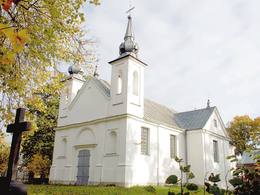
Holy Jesus Heart Roman Catholic Church of BikovaHoly Jesus Heart Roman Catholic Church of Bikova
(Gaigalava). Enjoy the Gothic forms and architectural design of the church. The church and the altar are
decorated with the icons of Zebedee sons – James and John (the apostles of Jesus) and other saints.
|
 |
Lettland
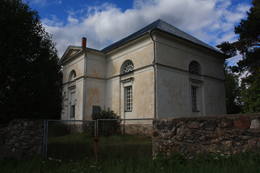
Blessed Our Lady’s Birth Roman Catholic Church of KaunataBlessed Our Lady’s Birth Roman Catholic Church of Kaunata
was rebuilt in 1850 by Zuzanna Druva after the wooden building was
burned down. The church has a fabric icon „St. Elizabeth is visited by Mary”.
|
 |
Lettland
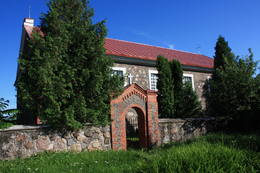
Gostinu luteranu baznicaAtrodas Lielajā ielā 34 a. Vēlīnā klasicisma stilā celtā baznīca pēc muižnieka Nikolausa fon Korfa ierosmes būvēta laikā no 1828. - 1830. gadam. Dievnams ir interesants ar to, ka tajā apskatāms Vidzemes sakrālmākslā rets altāra tips – kancelaltāris (kancele un altāris ir apvienoti arhitektoniski vienotā mākslinieciskā kompozīcijā). 126
Leistungen
126km - Entfernung von der Hauptstadt |
 |
Lettland
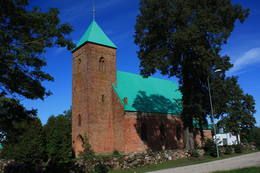
Katholische Kirche des Heiligen Erzengels Michael in SubateDie Kirche befindet sichin dem historischen Zentrum von Subate. Das Gebäude (ohne Turm) ist im Jahr 1831 aus Feldsteinen und aus den Mitteln des Grafen Michael von Plater-Sieberg gebaut worden. Vor dem Gebäude erhebt sich ein eindrucksvoller Glockenturm. In dem Gotteshaus befindet sich die Skulpturengruppe Golgata aus dem 18. Jh., ein Kruzifix und ein bedeutendes Relief am Hauptaltar – eine Holzschnitzerei, die nach den Motiven der bekannten Freske von Leonardo da Vinci Das heilige Abendmahl geschaffen worden ist. 171
Leistungen
171km - Entfernung von der Hauptstadt |
 |
Lettland
Edoles luteranu baznicaAtrodas Ēdoles centrā. Dievnams tapis 17. gs. vidū, pateicoties Ēdoles pils īpašnieka - Johana Dītriha Bēra iniciatīvai, kas to veltījis sava noslepkavotā tēva piemiņai, domādams, ka tādējādi varēs izpirkt brāļa Filipa - tēva slepkavas grēkus. Lai izpirktu savējos, J. D. Bērs licis sevi paglabāt zem baznīcas durvju sliekšņa. Dievnama iekštelpas rotā sākotnējais baroka interjers, kā arī krāšņs ērģeļu prospekts un luktu apdares elementi. 176
Leistungen
176km - Entfernung von der Hauptstadt |
 |
Lettland
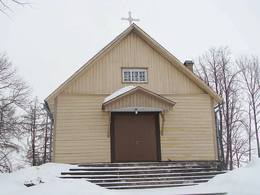
St. Virgin Mary Roman Catholic Church of DukstigalsSt. Virgin Mary Roman Catholic Church of Dukstigals. The
wooden church was burned down in the World War II and restored in 1947. The church has the icon of Our
Lady in the central altar and the statue of Our Lady.
|
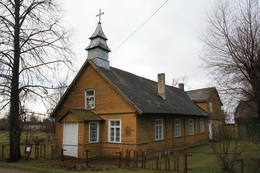 |
Lettland
Rucavas baptistu baznicaAtrodas Rucavas galvenās ielas malā, netālu no centra.Rucavas draudzi dibināja 1871. gadā, bet izmēros nelielo dievnamu uzcēla 1888. gadā. 260
Leistungen
260km - Entfernung von der Hauptstadt |
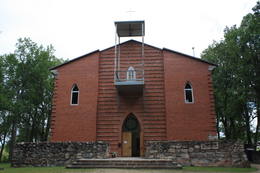 |
Lettland
Die lutherische Kirche von VecpiebalgaDas erste Gotteshaus in Vecpiebalga war 1345 erbaut worden, das nächste 1834-1845 unter der Bauleitung des livländischen Baumeisters Mārčis Sārums. Dieses war im Herbst 1944 zerstört und von 1995-1997 nach Plänen der Architektin Ausma Skujiņa wieder aufgebaut worden. Im Altar der Kirche befindet sich das Altargemälde „Christus wandelt im Land Piebalga“ von Jūlijs Jēgers. Neben dem Gotteshaus befindet sich ein Gedenkstein für politisch Unterdrückte. 128
Leistungen
128km - Entfernung von der Hauptstadt |
|
|
Lettland
Ikskiles luteranu baznicaAtrodas Daugavas prospektā 10, starp Rīgas – Daugavpils šoseju (A 6) un Kalēju ielu. Dievnams celts laikā no 1931. - 1933. g. (arhitekts: Pēteris Kundziņš). Padomju gados tajā bija izvietota Latvijas Valsts bibliotēkas grāmatu glabātava. Pateicoties draudzes aktivitātēm 1989. g., ēku atjaunoja. Tagad tā kalpo savam pamatmērķim. 31
Leistungen
31km - Entfernung von der Hauptstadt |
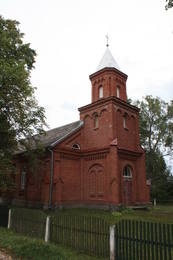 |
Lettland
Mikeltorna luteranu baznicaAtrodas iepretim bākai. Saukta arī par Pizes (Miķeļtorņa lībiskais nosaukums) baznīcu. To uzcēla 1893. g. Padomju laikā ēkā bija izvietots pionieru nometnes klubs. Tagad tā atkal kalpo savam pamatmērķim. 217
Leistungen
217km - Entfernung von der Hauptstadt |
|
|
Estland
St. Mauritius Kirche zu HaljalaGebaut als ein Gebäude des Festungstyps. Wurde in der Zeit des Livländischen Kriegs und des Nordkriegs zerstört. 1865 wurde der heutige Turm gebaut. Die von J. V. Rabe gebaute Kanzel mit Spindeltreppe. 88
Leistungen
88km - Entfernung von der Hauptstadt |
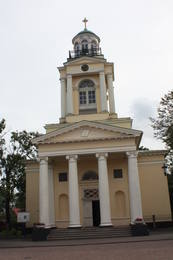 |
Lettland
Ventspils Nikolaja luteranu baznicaLai arī dievnama pirmsākumi meklējami 18. gs. sākumā, tā celtniecību (arhitekts Johanns Eduards de Vite) pabeidza viena gada laikā 1834. – 1835. g. (vēlīnā klasicisma stils). Būvniecības darbus finansēja Krievijas cars. Gan baznīcas atrašanās piejūrā, gan arī tās nosaukums liecina, ka tā celta, godinot Svēto Nikolaju, kas ir visu jūrnieku un zvejnieku aizbildnis. Baznīca apskatāma arī no iekšpuses, kur uzmanība jāpievērš ērģelēm un altārgleznai (1888. g.). 191
Leistungen
191km - Entfernung von der Hauptstadt |
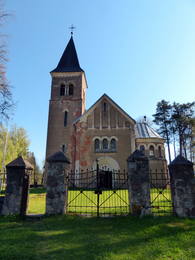 |
Lettland
Evangelisch-lutherische Kirche von GarseneDie heutige – die dritte – Kirche wurde im Jahr 1906 auf der Initiative und aus der zur Verfügung gestellten Finanzierung von Gotthard von Budberg gebaut. Er hat das Gotteshaus seiner verstorbenen Frau Gertrude Vorsa gewidmet. In der Kirche ist eine Orgel der Firma Walker aufgestellt, die im Jahr 1906 in Ludwigsburg (in Süddeutschland) hergestellt worden ist. Im Jahr 1992 wurde in der Kirche eine Gedenktafel an die repressierten Einwohner von Gārsene enthüllt. Auf dem Friedhof, der sich 100 Meter südlich von der Kirche befindet, kann man die mit Erzählungen umwobene Gruft der Baron-Familie Budberg und nebenan auch den Friedhof der Familie besichtigen. Die Kirche kann man auch von innen besichtigen. 160
4-12
Leistungen
160km - Entfernung von der Hauptstadt
4-12 Aktive Saisonmonate |
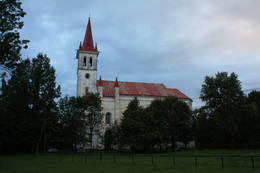 |
Lettland
Nicgales Romas Katolu Draudzes Jaunavas Marijas Dzimsanas baznicaMeklējama Nīcgalē, starp Rīgas – Daugavpils šoseju (A 6) un Daugavas krastu. Baznīcu cēla (neogotikas stils) pēc muižnieka Henriha Plātera - Zīberga iniciatīvas 1862. - 1863. g., veltot to Jaunavas Marijas dzimšanai. Kā jau daudzas citas baznīcas, arī šī ēka un tās interjera priekšmeti cieta 1. pasaules kara laika notikumos. To atjaunoja 1922. gadā. Baznīcas iekārta ir saglabājusies no 19. gs. 60. gadiem, bet, centrālā altāra augšdaļu pārbūvēja 1957. gadā. Dažus gadus vēlāk - 1961. g. uzstādīja ērģeles. 193
Leistungen
193km - Entfernung von der Hauptstadt |
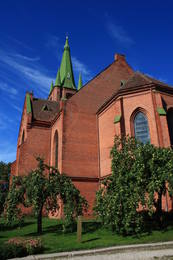 |
Lettland
Kuldigas Sv. Annas luteranu baznicaMūsdienās redzamais iespaidīgais dievnams tapis ilgākā laika posmā. Jau 1870. g. latviešu draudze sāka vākt ziedojumus neogotiskās baznīcas celtniecībai, ko pabeidza 1904. gadā (V. Neimaņa projekts). Ēkas iekšpusi rotā dekoratīvi zvaigžņu velvju griesti, bet tās altārdaļā izvietotasmākslinieka J. Šķērstena veidotās vitrāžas (1940. g.) un 17. gs. kristāmtrauks. Baznīcu ieskauj plašs dārzs. 157
Leistungen
157km - Entfernung von der Hauptstadt |
 |
Lettland
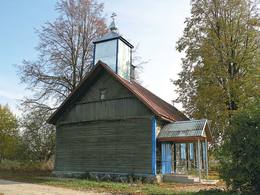
Pluskovas Old-Believer Preaching HousePļuskovas Old-Believer Preaching House was built in the beginning
of the 20th century
|
 |
Lettland
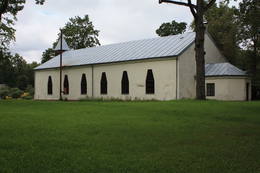
Jumpravas luteranu baznicaJau pēc dievnama veidola var spriest, ka vēl ne tik sen – padomju laikos ēka bija izmantota citām vajadzībām. Pēc 2. pasaules kara to atsavināja draudzei, bet torni – uzspridzināja, dievnamā ierīkojot noliktavu. 20. gs. deviņdesmitajos gados draudze uzsāka baznīcas atjaunotni un tagad tā kalpo savam pamatmērķim. 67
Leistungen
67km - Entfernung von der Hauptstadt |
 |
Lettland
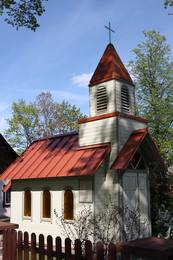
Kapela PreilosPreiļos, blakus viesu namam „Pie Pliča” (Raiņa bulvāris) ikviens var apskatīt un ieiet Latgales un Latvijas mazākajā dievnamā – kapelā. 204
Leistungen
204km - Entfernung von der Hauptstadt |
|
|
Lettland
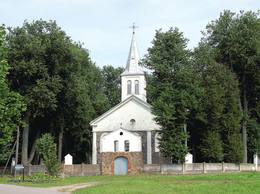
Vecauces evangeliski luteriska baznicaVecauces ev. lut. baznīca ir valsts nozīmes arhitektūras piemineklis. Baznīca pirmo reizi uzcelta kā koka būve 1667. gadā, bet pēc zibens spēriena 1729. gadā tā nodega. Mūra baznīca celta 1744. gadā, savukārt 1866.gadā Mēdemu valdīšanas laikā baznīcu paplašināja līdz 500 sēdvietām, izgatavoja jaunu altāri, kanceli un uzstādīja Liepājas ērģeļmeistara Kārļa Hermaņa būvētas ērģeles. meklētājiem piedāvā doties interesantā, izklaidējošā un informatīvā ekskursijā pa baznīcu, apskatot ekspozīciju "Auce pirmās Latvijas brīvvalsts laikā" un baznīcas bibliotēku (Baznīcas grāmatas (pirmās Latvijas brīvvalsts laiks – 1918.-40.g., vācu laiks, padomju laiks un šodiena)). Baznīcā izveidotajā Mākslas telpā apskatei tiek piedāvātas vairākas unikālas ekspozīcijas: skolotājas Jadvigas Kupčes grāmatu un personīgo lietu ekspozīcija, kantātes “Dievs Tava zeme deg” vārdu autora Andreja Eglīša ekspozīcija, izcilā flamenko ģitārista Andreja Kārkliņa un režisora Kārļa Pamšes ekspozīcijas. 111
1-12
Leistungen
111km - Entfernung von der Hauptstadt
1-12 Aktive Saisonmonate |
 |
Lettland
Sts. Peter and Paul Roman Catholic Church of OzolmuizaSts. Peter and Paul Roman Catholic Church of Ozolmuiža was built in 1820 by the foundation of
counts Plāteri-Zībergi. It is a stone building with a small bell tower. The church has a huge stone altar with
four columns and a massive cross. It is a monument of state importance.
|
 |
Estland
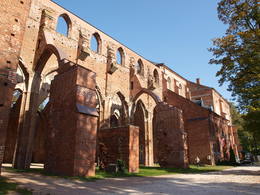
Domkirche von TartuEine der größten Kirchen Osteuropas (bis 16. Jh.) un die einzige mittelalterliche Kirche Estlands mit zwei Türmen. Wurde in 13. – 16. Jh. gebaut, zerstört im Laufe des Livländischen Kriegs. Im Chorteil der Kirche befindet sich das Museum der Universität Taru (früher – eine Bibliothek). Die Türme sind renoviert und in denen sind die Aussichtsplätze eingerichtet. 185
Leistungen
185km - Entfernung von der Hauptstadt |
 |
Lettland
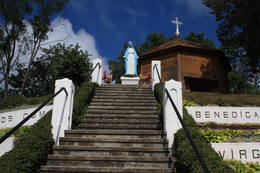
Sveta Tadeusa kapelaНаходится в 50 м к западу от Лудзенской католической церкви. Построена в 1738 году в форме восьмиугольной ротонды и служила местом отдыха графов Карницких. Небольшое здание с дощатой обшивкой, деревянным потолком и кирпичным полом. Возле капеллы установлена скульптура Девы Марии (1934 г.) работы лудзенского художника Леона Томашицкого - королевы земли Мары. 266
Leistungen
266km - Entfernung von der Hauptstadt |
 |
Lettland
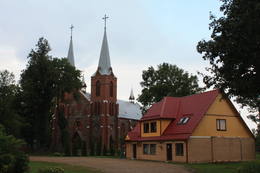
Vidsmuizas katolu baznica0,2 km austrumos no Vidsmuižas atrodas no šķeltajiem laukakmeņiem un sarkanajiem ķieģeļiem celtā (1910. - 1912. g.) Vidsmuižas katoļu baznīca. Tāpat kā Riebiņos esošā, arī šī ir uzskatāma par tipisku 19. – 20. gs. mijas Latgales lauku baznīcas paraugu. 224
Leistungen
224km - Entfernung von der Hauptstadt |
 |
Lettland
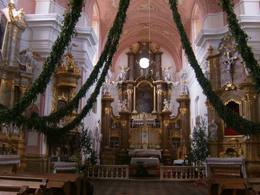
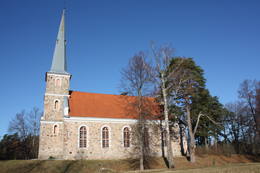
Kirche von PasieneDie Kirche von Pasiene ist eine der bedeutendsten katholischen Kirchen der Region Latgale. Das heutige gemauerte Gebäude ist im Jahr 1761 im Stil des polnischen Barock gebaut worden. In der Kirche hat sich die originelle und sehr prachtvolle Innenausstattung (18.Jh.) erhalten. Jährlich finden hier Veranstaltungen der geistlichen Musik und Polnische Kulturtage statt. Auf einer Führung kann man diese Kirche und andere Sehenswürdigkeiten an der Grenze der EU (man muss den Reisepass mitnehmen!) besichtigen. 308
Leistungen
308km - Entfernung von der Hauptstadt |
 |
Lettland
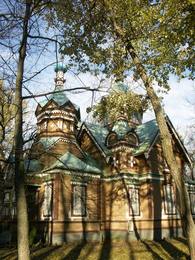
Die lutherische Kirche von MazirbeDie Holzkirche wurde 1766 erbaut, die neue Mauerkirche wurde anstelle der alten Kirche 1868 errichtet und eingeweiht. Der hohe Turm diente während der Tageszeit als Orientierungspunkt für Schiffe. 1993 wurde das Altarbild der Künstlerin Gunta Liepiņa-Grīva „Christus und Petrus auf dem Meer“ eingeweiht, das anstelle des verlorenen Gemäldes gemalt wurde. Am 18. November 1923 wurde im nebenliegenden Pfarrhaus von Mazirbe (heute das Zentrum für Rekollektion) die blau-grün-weiße livische Flagge eingeweiht. In der Umgebung des Pfarrhauses kann man Messsteine von Mazirbe, Zeugen des Schwarzen Todes (1710, 1711), finden. Der lateinische Text auf den Steinen deutete, dass die Liven des Küstengebietes durch Karl IX. und Pest überwältigt wurden. Der Text auf den Steinen ist nicht mehr lesbar, wurde jedoch entschlüsselt und ist bekannt. Auf dem Friedhof von Mazirbe ist das Denkmal des Alten Taizelis, ein Denkmal für die Eltern des Kapitäns A. Bertholds und die Grabstätte des legendären Werwolfs, zu sehen. 174
Leistungen
174km - Entfernung von der Hauptstadt |
 |
Lettland
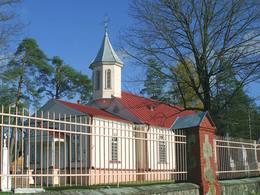
Die Orthodoxe Kirche von den Heiligen Apposteln Peter und PavilDas Gotteshaus befindet sich in der Katedrāles Straße 1. Es ist im Jahr 1893 in den architektonischen Formen der hölzernen Kirchen von Nordrussland (Architekt Vladimirs Lunskis) gebaut worden und es ist das älteste Gotteshaus von Ķemeri. An der Kirche sind 97 im Ersten Weltkrieg gefallene russische Soldaten bestattet worden, denen im Jahr 1925 ein Denkmal – ein schwarzes Kreuz aus Marmor – enthüllt wurde. Unweit von der Kirche kann man einen Brüderfriedhof und ein Denkmal finden, die beide den im Zweiten Weltkrieg Gefallenen und den nach dem Krieg von Verletzungen Verstorbenen gewidmet sind. Laut Erzählungen wurde die Kirche ohne keinen einzigen Nagel gebaut. Die Kirche kann man während der Gottesdienste besuchen, aber die Besucher müssen geeignet angezogen sein! In anderer Zeit ist das Gebäude von außen zu besichtigen. 48
Leistungen
48km - Entfernung von der Hauptstadt |
 |
Lettland
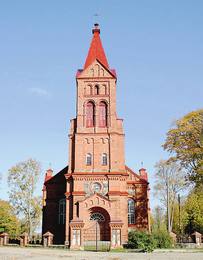
St. Cross Honouring Roman Catholic Church of MaltaSt. Cross Honouring Roman Catholic Church of Malta (Rozentova) is national architectural
monument. The church has a promiment „St. Mary Magdalene beside the Cross of Jesus” and three big
altars. The wooden log building was constructed in 1780. It was sanctified in 1782.
|
 |
Lettland
St. John the Baptist Roman Catholic Church of CiskadiSt. John the Baptist Roman Catholic Church of Ciskādi was built approximately in 1990. The brick building is an example of Romanesque style.
The church has a specific icon called „Madonna and the child”, crucifix and the
organ.
|
 |
Litauen
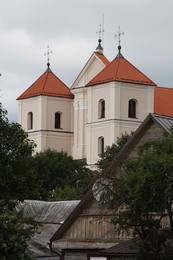
Svetas Jaunavas Marijas paradisanas katolu baznicaBaznīca atrodas Sodu ielā (Sodų gatve) 8. Tās pirmsākumi meklējami 1409. g. (viena no vecākajām Lietuvas baznīcām), kad Lietuvas dižkunigaitis Vītauts Dižais izveidoja Traķu apgabala baznīcu. Dievnams joprojām ir pazīstams ar 1123. g. Konstantinopolē gleznotās Traķu Dievmātes gleznu, kuru it kā Vītautam 1390. g. uzdāvinājis Bizantijas ķeizars Emanuels Paleologs II. Šis fakts gan ir jāuzskata par leģendu, ko aprakstījis vēsturnieks Albertas Vijūkas – Kojalavičius, jo 1645 g. gleznas restaurācijas laikā noskaidrojās, ka tā ir tapusi 15 gs. beigās vai 16. gs. sākumā. Traķu Dievmātes glezna ir pirmā Lietuvas pāvesta vainagotā glezna (vainagošanas ceremonija notika 1718 g.), pēc kuras brīnumus piedzīvojuši daudzi ticīgie - gan katoļi, gan pareizticīgie, gan pagāni, gan tatāri. Latvijā - Aglonas bazilikā atrodas šīs gleznas kopija, ko uzskata par svētu! Vislabākais skats uz baznīcu, Traķu ezerpili un Traķiem paveras no klaja paugura Galves (Galvė) ezera ziemeļu krastā. |
 |
Lettland
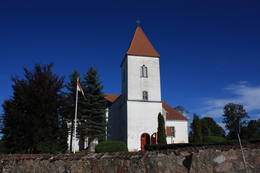
The Roman Catholic Church of St MichaelBuilt around 1625. For several centuries it was the main worship place for the Suiti community, supporting the community's spirituality and identity. In 1882 the church was expanded into the form of a cross that is seen today. Inside the church you can see work done by the Dutch wood carver Johann Mertens around 1715. The organ was built by F. Weisenborn in Jēkabpils in 1893, and the altar painting dates back to 1910. The bricked graveyard of the Schwerin dynasty is under the church. Contact it in advance if you wish to see its interior. 187
Leistungen
187km - Entfernung von der Hauptstadt |
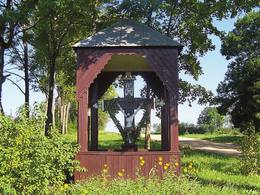 |
Lettland
The Crucifix of RuzinaThe Crucifix of Ružina is made of wood according to old Latgalian traditions.
|
 |
Lettland
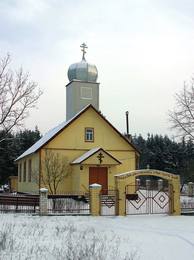
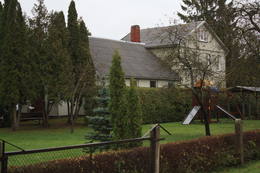
Malta (Borovaja, Borovska) Old-Believers Prayer HouseMalta (Borovaja, Borovska) Old-Believers Prayer House. The construction
of the church was started in 1931 by A. Gruncevičs. The Church is an architectural
monument of local importance.
|
 |
Lettland
Priekules baptistu baznicaAtrodas Tirgoņu un Zāļu ielas krustojumā (Zāļu ielā 12). Interesanta ar faktu, ka šī ir vienīgā padomju laikā uzbūvētā (1948. g., pēc citiem avotiem – šajā gadā atjaunota) Latvijas baznīca. 233
Leistungen
233km - Entfernung von der Hauptstadt |
|
|
Lettland
Preilu katolu baznicaMeklējama pilsētas centrā - Tirgus laukumā 11. Dievnams uzcelts 1886. g. Ēkā atrodas vairāki nozīmīgi mākslas pieminekļi – gleznas, krucifikss (18. gs.) u.c. Baznīcas dārzā apskatāma skulptūra “Latgales māte” (tēlnieks B. Buls) un piemineklis politiski represēto piemiņai (tēlniece V. Dzintare). Baznīca ir apskatāma arī no iekšpuses. 203
Leistungen
203km - Entfernung von der Hauptstadt |
 |
Lettland
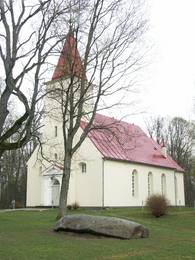
The Lielvarde Lutheran ChurchLocated in the
56
Leistungen
56km - Entfernung von der Hauptstadt |
 |
Lettland
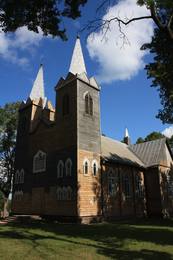
Pildas katolu baznicaВ1699 в центре Нюкши Пасиенские доминиканские монахи построили часовню, на месте которой в 1765 году помещик Хилзен возвел новую церковь. Помещения были маленькие, и в 1922 - 1926 гг. на фундаменте старой церкви строится новая и большая – теперешняя церковь, которую называют одним из самых красивейших деревянных храмов Латгалии. В здании находится центральный алтарь работы второй четверти XVIII века и два боковых алтаря работы примерно 1700 г. Церковь можно осмотреть изнутри. 277
Leistungen
277km - Entfernung von der Hauptstadt |
 |
Lettland
Guriliski Old-Believers Prayer HouseGuriliški Old-Believers Prayer House was built in the beginning
of the 20th century. It has a very old bell that was made in 1939.
|
 |
Estland
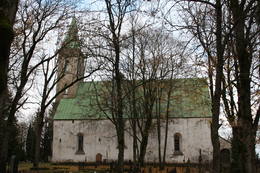
Kirblas baznica (Kirbla kirik)Vienīgā baznīca nacionālā parka teritorijā. Tā atrodas Kirblas (Kirbla) ciemā – uz neliela pacēluma, kas Baltijas ledus ezera laikā bijusi sala, kuru no visām pusēm ietvēris ūdens. Kirblas baznīcas pirmsākumi ir meklējami 16. gs. un par tās celtniecību saglabājušies dažādi interesanti nostāsti. Tas ir viens no mazākajiem Igaunijas dievnamiem (29 x 11 m). 103
Leistungen
103km - Entfernung von der Hauptstadt |
 |
Lettland
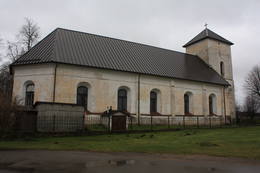
Grobinas luteranu baznicaAtrodas Grobiņas centrā, Dzērves laukuma malā. Pirmā baznīca Grobiņa bija celta jau ap 1560. g., bet nākamā – 1596. g. celtā iznīcināta 1659. g. zviedru iebrukuma laikā. Pēc Kurzemes un Zemgales hercoga Jēkaba Ketlera iniciatīvas 1664. g. tiek uzcelts jauns dievnams, ko atjauno 1892. gadā. Tas dedzis 2. pasaules kara laikā, bet vēlāk atkal atjaunots. Šobrīd notiek altāra restaurācijas darbi. 205
Leistungen
205km - Entfernung von der Hauptstadt |
 |
Lettland
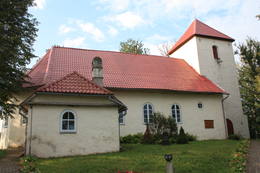
Sakaslejas luteranu baznicaCelta ~ 1560. g. vietā, kur agrāk atradusies Sakas osta. Dievnamā apskatāms > 170 gadus vecs kuģa modelis. Vietējie ticēja, kas tas aizsargā jūrniekus un bojāejas. Šāda tradīcija Latvijā ir novērojama tikai dažās baznīcās. Baznīcu var apskatīt arī no iekšpuses. 216
Leistungen
216km - Entfernung von der Hauptstadt |
 |
Lettland
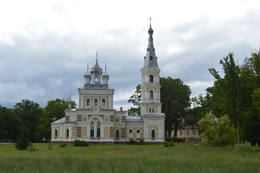
Stameriena's Orthodox Church of St Alexander NevskyThe owner of the Stāmeriena Estate was Baron Johann Gottlieb von Wolff, and his wife, Sofia Potyomkina, was a member of the Russian Orthodox faith, so work on the church began in 1902. It was consecrated two years later. The crosses on the steeple of the church are known for mountain crystals that were presented by the Wolff dynasty. Contact the church in advance for a tour of its interior. 199
1-12
Leistungen
199km - Entfernung von der Hauptstadt
1-12 Aktive Saisonmonate |
 |
Lettland
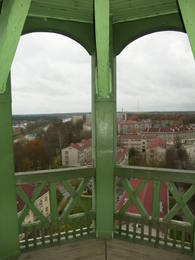
St. Simeon evangelische Kirche in ValmieraDer Bau der Kirche wurde 1283 angefangen. In der Kirche befinden sich die Grabsteine der angesehenen Bürger aus den 15. – 16. Jh., Orgel (1886), Kanzel und Chormalerei (1730). Blick vom Turm auf die Stadt. 108
1-12
Leistungen
108km - Entfernung von der Hauptstadt
1-12 Aktive Saisonmonate |
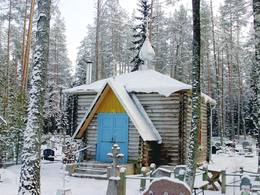 |
Lettland
All Saints Orthodox Church of Malta (Rozentova)All Saints Orthodox Church of Malta (Rozentova) was built in
1928. It is the wooden log building with double window frames and a
dome. Facades are decorated with the motive of the sun.
|
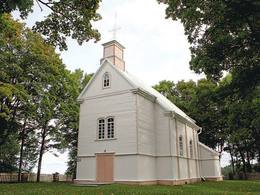 |
Lettland
Roman Catolic Church of PusaRoman Catolic Church of Puša was built in 1743. Financed by Count Šadurskis; managed by Jesuits
mission. There is on organ and 3 altars in the church.
|
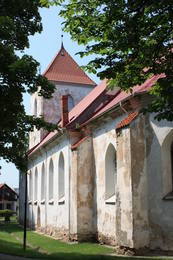 |
Lettland
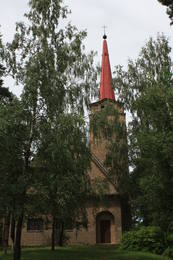
Sv. Gara luteranu baznicaAtrodas Bauskas vēsturiskajā centrā, Plūdoņa ielā 13 a un ir šīs pilsētas daļas vecākā ēka. Dievnams celts 1591. - 1594. g. vēlās gotikas stilā, bet tornis piebūvēts 1614. g. Baznīcas iekšpusē atrodas nozīmīgi mākslas pieminekļi: altāris (1699. g., pārbūvēts 1861. g., mākslinieks J. Dērings), kancele (1762. g.) un ērģeļu prospekts (1766. g.) – abi Nikolaja fon Korfa dāvinājums, draudzes soli (17. gs. vidus – 18. gs. sāk.), senākais no koka veidotais Bauskas ģerboņa attēlojums (1640. g.), deviņas 16. – 17. gs. kapu plāksnes, epitāfijas u.c. Baznīca, kurā ir vērts ieiet! 65
Leistungen
65km - Entfernung von der Hauptstadt |
 |
Lettland
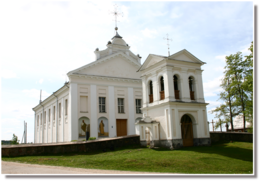
Evangelisch-lutherische Kirche von ViesiteDie Kirche befindet sich im Westen von Viesīte – an der Seite der Kaļķu Straße, auf dem sogenannten Hügel Vales kalniņš (eine vom Gletscher gebildete Hügelreihe). Es ist interessant, dass an diesem Ort im Jahr 1919 die Verteidiger von Viesīte die Bermondt-Armee geschlagen haben. Der Grundstein der Kirche wurde am 15. August 1937 (am Gedenktag der Helden) gelegt, im Jahr 1939 wurde die Kirche eingeweiht, aber im Jahr 1994 – erneuert. Den Bau des Gotteshauses hat der Professor Pauls Stradiņš unterstützt. In dem Gotteshaus befindet sich das von Ligita Caune geschaffene Altargemälde. Östlich von der Kirche – am Fuße des Hügels Vales kalniņš – ist ein Denkmal aufgestellt, der dem Professoren Pauls Stradiņš gewidmet ist. 141
Leistungen
141km - Entfernung von der Hauptstadt |
 |
Lettland
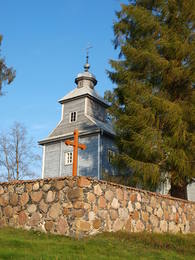
Katholische Kirche von BebreneDie Kirche befindet sich gegenüber dem Landgut von Bebrene, am Rand der Straße Ilūkste – Birži. Sie wurde in einem längeren Zeitraum gebaut: Der Bau der Kirche wurde im Jahr 1797 begonnen, aber nur im Jahr 1883 beendet. Die Gestalt der Kirche hat klassizistische Züge, aber die Innenausstattung – barocke Formen. Während der Gottesdienste ist die Kirche von innen zu besichtigen. 195
Leistungen
195km - Entfernung von der Hauptstadt |
 |
Lettland
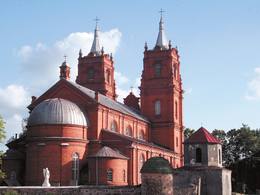
Katholische Kirche von IndricaEine aus Holz von den einheimischen Handwerkern nach der Finanzierung der Grafen Plater gebaute Kirche stammte von 1655 bis 1658 als eine nicht große einschiffige Basilika. Das einzigartige kulturhistorische Denkmal gilt als eine der ältesten Holzkirchen in Lettgallen. Die Schnitzerei des Zentralaltars in den Formen des Barocks wurde von den Meistern der Schnitzereischule von Stelmuže erschaffen. Im Seitenaltar befindet sich das Bild aus dem 18. Jahrhundert “St. Maria Magdalena”. Die Kirche wurde 1698 auf den jetzigen Platz – am rechten Daugava-Ufer befördert. Das Gebäude wurde mehrmals – 1890 und 1918 erneuert. Um die Kirche herum befindet sich einen Steinzaun aus dem Ende des 17. Jahrhunderts mit einem separat stehenden Glockenturm aus der Mitte des 19. Jahrhunderts, der 2002 restauriert wurde. Gemäß verschiedenen Informationsquellen kann man behaupten, dass die Gemeinde von Indrica die älteste in Lettgallen ist. 280
1-12
Leistungen
280km - Entfernung von der Hauptstadt
1-12 Aktive Saisonmonate |
 |
Lettland
Roman Catholic Church of Nautreni (Rogovka)Immaculate Conception of Virgin Mary Roman Catholic Church of Nautrēni (Rogovka). The construction
works of the brick church lasted from 1901 till 1914. It is an example of Romantesque style. The
organ was bought in 1939; it is a national cultural monument.
|
 |
Lettland
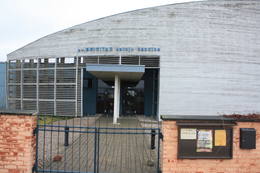
Grobinas Sv. Brigitas katolu baznicaAtrodas Celtnieku un Z. Mauriņas ielu krustojumā. Dievnams uzcelts 2000. gadā modernās arhitektūras formās (arhitekti Aija un Andris Kokini), kas simbolizē Noasa šķirstu vai zviedru laivas, kas atnesušas kristīgo ticību. 204
Leistungen
204km - Entfernung von der Hauptstadt |
 |
Lettland
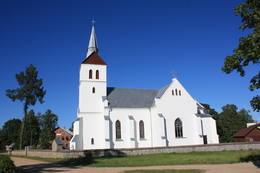
Römisch-katholische Kirche von RubeniWenn das Wetter sonnig ist, ist die hellweiße Kirche, die sich im Süden des Dorfes befindet, schon von weitem zu sehen. Die erste Kirche aus Holz, die dem Heiligen Peter und Paul gewidmet war, wurde hier im Jahr 1759 von den Jesuiten gebaut. Die heutige Kirche wurde ungefähr 150 Jahre später – im Jahr 1893 – gebaut. Das Gotteshaus ist von innen während des Gottesdienstes zu besichtigen. Im Kirchengarten ist der Geistliche und Holzbildbauer litauischer Herkunft Antons Rimovičs (1865 – 1933) bestattet. Gegenüber der Kirche befindet sich das Gemeindehaus. 170
Leistungen
170km - Entfernung von der Hauptstadt |
 |
Lettland
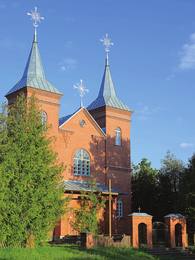
Holy Trinity Roman Catholic Church of StolerovaHoly Trinity Roman Catholic Church of Stoļerova. The construction
works of the church were finished in 1999 by the support of dean Butāns. The building is slightly larger than
the previous one; the newest (restored) church in Rēzekne district. The church has a specific icon of Our
Lady that was transferred from the chapel of Rozenmuiža.
|
 |
Lettland
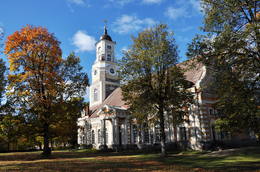
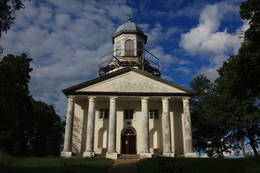
Evangelisch-lutherische Kirche von AluksneDie Kirche wurde in der Zeit des Barons Otto Hermann von Vietinghoff von 1781 bis 1788 nach dem Projekt des Architekten Christoph Haberland im Stil des Klassizismus mit barockalen Stilelementen und einem bunten Mosaik aus Feinsplitt an der Fassade des Gebäudes gebaut. Die Kirchenorgel wurde 1855 von Augusts Martins eingerichtet. Die Kirchenglocke wurde während des Ersten Weltkriegs nach Russland gebracht und anstelle dieser Glocke wurde eine 1530 gegossene Glocke aufgehängt. Das Altarbild (der Autor ist unbekannt) “Die Taufe Jesu” ist 2000 erneuert worden. In der Mitte des 19. Jahrhunderts waren in der Gemeinde von Alūksne viele Esten, deswegen wurden die Gottesdienste auch auf Estnisch gehalten. Die Wiederaufbauarbeiten der Kirche wurden 1934 unter der Leitung vom Architekten P. Kampe geführt. Zurzeit ist ein festes Gebäude mit einem 55,5 m hohen Turm eine der Dominanten der Stadt. 200
1-12
Leistungen
200km - Entfernung von der Hauptstadt
1-12 Aktive Saisonmonate |
 |
Lettland
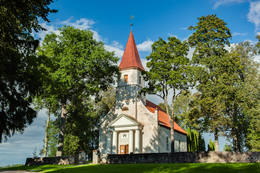
Dzerbenes luteranu baznicaTagadējais dievnams (iepriekšējie celti 1652. un 1776. g.) būvēts laikā no 1839. - 1842. g. Vidzemē pazīstamā lībiešu būvmeistara Mārča Sāruma (1799. –1859.) vadībā. Par prototipu tam izmantoja Pievolgas vācu koloniju baznīcu veidolu. Dievnama altārī atrodas Pītera Paula Rubensa gleznas “Kristus pie krusta” kopija (oriģināls – Minhenē), ko 1887. g. baznīcai uzdāvināja Nēķena muižas īpašniece. Baznīcas remonta laikā (1928. g.) atklāja piemiņas plāksnes 1. pasaules karā un Latvijas Brīvības cīņās kritušajiem. Blakus baznīcas atrodas viduslaiku kapsēta. Celtnes autors un būvdarbu virsuzraugs - H. fon Hagemeistars esot teicis, ka šis dievnams esot „vienīgā baznīca visā Vidzemē un varbūt arī pasaulē, kas uzcelta bez apreibināšanās”. 115
Leistungen
115km - Entfernung von der Hauptstadt |
 |
Lettland
Rubenes Luteranu baznicaPastāv uzskats, ka tieši Rubenē izveidojusies pirmā latviešu draudze. Baznīcas altārdaļa būvēta jau 14.gs., bet pati baznīca savu pašreizējo izskatu ieguvusi 1739. gadā.Būtiska baznīcas interjera sastāvdaļa ir Ķieģeļu muižas mantinieces Barbaras Helēnas fon Budbergas 1762. gadā dāvinātais kroņlukturis ar Krievijas impērijas divgalvaino ērgli un zaru ornamentiem uz bumbas. Baznīcā redzama arī zīme (1869. g.), kas ir veltīta pusgadsimtam kopš dzimtbūšanas atcelšanas. Pastāv vairākas teikas par Rubenes baznīcas nosaukuma rašanos. Viena no tām vēsta, ka, sargājot baznīcu no velna, tās sienā iemūrēta sieviete un vīrietis, kura vārds bijis Rubens. Baznīca esot nosaukta viņam par godu.Vēl viena versija vēsta, ka baznīcas nosaukums cēlies no rubeņa, kas sēdējis kādā no kokiem, kas vēlāk izmantots baznīcas celtniecībā. 95
1-12
Leistungen
95km - Entfernung von der Hauptstadt
1-12 Aktive Saisonmonate |
 |
Lettland
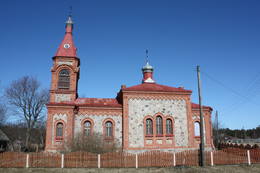
Orthodoxe Christi Geburt-Kirche von KolkaDie Angaben darüber, dass die Liven den orthodoxen Glauben angenommen haben, beweist eine Urkunde, die in den 1990er Jahren während der Restaurationsarbeiten im Turm der evangelisch-lutherischen Kirche (siehe auch weiter) gefunden und dort beim Bau der Kirche im Jahr 1885 hineingelegt wurde. Diese Urkunde erzählt, dass der Übertritt der Liven zum orthodoxen Glauben, dem sogenannten Glauben des Kaisers, „nicht mit der Glaubensüberzeugung verbunden ist, aber das ist ein Mittel, wie man an Vorteile für Grundstücke und an Genüsse gelangen kann.” Die orthodoxe Gemeinde hat schon im Jahr 1885 ein Grundstück vom Baron Osten-Sacken gekauft, auf dem im Jahr 1890 die Kirche, das Priesterhaus und ein Schulgebäude gebaut wurde. Alle Gebäude haben sich bis heute erhalten. Die Kirche hat ihre eigene Gemeinde und die Gottesdienste werden hier einmal im Monat abgehalten. Man kann Angaben darüber finden, dass Kolka das einzige Dorf an der livischen Küste ist, wo in den 1890er Jahren eine orthodoxe Kirche gebaut wurde. Die Glocke hat ihren Platz im Jahr 1936 gefunden. Während der Sowjetzeit wurde die Kirche als eine Leichenhalle benutzt, aber dient sie ihrem ursprünglichen Ziel. 159
Leistungen
159km - Entfernung von der Hauptstadt |
 |
Lettland
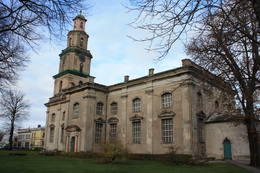
Evangelische Dreifaltigkeits-kirche in LiepajaDas Gotteshaus wurde von 1742 – 1758 für die deutsche Gemeinde der Stadt nach einem Projekt von J.K. Dorn erbaut, der 55m hohe Turm wurde 1866 fertiggestellt. Die Fassade und das Interieur der Kirche sind im Spätbarock mit klassizistischen Zügen gehalten , im Interieur gibt es auch prunkvolle Elemente im Rokoko Stil. Das Gotteshaus ist bekannt für seine von 1773 – 1780 vom Halle’schen Orgelbauer Heinrich Andreas Contius erbaute Orgel . Nach dem Umbau von 1885 hat das Instrument heute über 7000 Pfeifen, 131 Register und 4 Manuale. Es gilt als die größte mechanische Orgel der Welt, es lohnt sich, sie in einem Konzert anzuhören! Besucher können Kirche und Orgel besichtigen und Kirchturm besteigen 216
Leistungen
216km - Entfernung von der Hauptstadt |
 |
Lettland
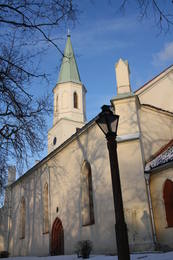
Die lutherische KatharinenkircheEine erste Holzkirche wurde an dieser Stelle1252 errichtet, ein steinernes Gotteshaus wurde 1665 erbaut. Diese fiel einem Brand zum Opfer, wurde aber 1672 erneuert, in späteren Jahren auch umgebaut. Bedeutende Baudenkmäler zieren das Interieur des Gotteshauses – ein Altar, eine Kanzel, eine Orgel mit Malereien auf dem Prospekt und dem Balkon. In der Kirche ist der legendäre Herzog Jakob Kettler getauft, hier heiratete er Prinzessin Charlotte Luise von Brandenburg. In der Sowjetzeit wurde die Kirche nur als Museum und Konzertsaal genutzt. Der Legende nach hat die Kirche ihren Namen nach einer gewissen Katharina erhalten, die Spenden für den Bau der Kirche gegeben habe, dann verleumdet und zum Tod auf dem Folterrad verurteilt worden sei und später heilig gesprochen wurde. Zu ihrem Gedenken gibt es über dem Seiteneingang der Kirche ein Medallion, mit ihrem Abbild mit Märtyrerkrone, dem Folterrad und einem Schwert in der Hand. Motive dieser Legende sind auch im Wappen der Stadt Kuldiga zu erkennen. Vom Kirchturm hat man einen guten Blick auf die Ziegeldächer der Altstadt.  156
156
Leistungen
156km - Entfernung von der Hauptstadt |
 |
Lettland
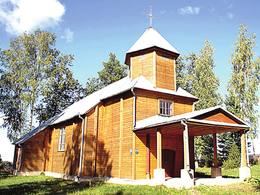
St. Anthony Roman Catholic Church of Pilcene (Pilcine)St. Anthony Roman Catholic Church of Pilcene (Piļcine) is the oldest wooden church in Latgale, built
in 1670. It is prominent because of its half columns, hexagonal tower, semicircular windows, and a dome
with a cross and antique interior.
|
 |
Lettland
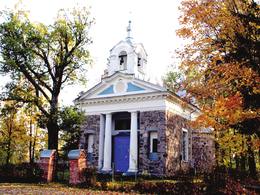
Kulnevskaya (Ilzeskalns) Orthodox ChurchKulnevskaya (Ilzeskalns) Orthodox Church was built in 1832 by Kulnevs, the landlord of Ilzenberg
(Ilzeskalns) manor house. He was also the brother of Jacob Kulnevs. The Church has an iconostasis with
icons of the 19th century. The rectangular building has semicircular niches at its sides. The members of Kulnevs
family are buried here. The place of tomb is a rare phenomenon in Orthodox churches of Latvia.
|
 |
Lettland
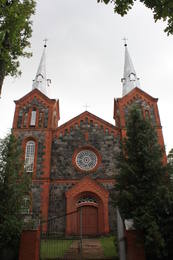
Riebinu Sv. Apustulu Petera un Pavila katolu baznicaDievnams celts no šķeltajiem laukakmeņiem un sarkanajiem ķieģeļiem laikā no 1894. - 1909. g. Tajā saglabājušās vecās koka baznīcas iekārtas un 18. gs. sākumā veidots cilnis “Svētais vakarēdiens”. 210
Leistungen
210km - Entfernung von der Hauptstadt |
 |
Lettland
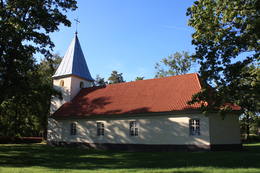
The Jurkalne Catholic Churchaccording to legend, was washed into the sea because of collapsing shores along with other buildings and the old road. The church was built in 1862 and has an altar painting from the late 19th century, "Mother of God," along with an organ. The metal elements of the building's doors are interesting. Hanging from the ceiling of the church is a sailing ship that has to do with the rescue of the crew of the sunken ship. 199
Leistungen
199km - Entfernung von der Hauptstadt |
|
|
Lettland
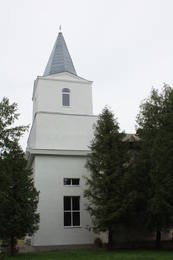
Salaspils Sveta Jura luteranu baznicas drupasBaznīca šajā vietā – blakus Livonijas ordeņa pilij (nav saglabājusies) atradās jau ~ 1380. gadu. Tagad redzamais dievnams (patiesībā – atliekas) tika nopostīts pēc 2. pasaules kara un uzspridzināta 20. gs. 70. gados. Tā drupas ir iekonservētas un virs altārdaļas uzstādīts balts koka krusts. Atrodas Salaspils dienviddaļā starp Rīgas HES dambi un ūdenskrātuvi. 20
Leistungen
20km - Entfernung von der Hauptstadt |
 |
Lettland
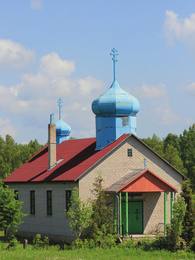
Evangelisch-lutherische Kirche von BirziDie erste Kirche war hier schon am Anfang des 18. Jhs. Danach wurde die zweite und die dritte – die heutige – Kirche (1847 – 1848) gebaut. Das Gotteshaus hat sowohl im Ersten Weltkrieg, als auch während der Sowjetzeit gelitten, als sich hier von 1969 bis 1993 eine Werkabteilung für Watteherstellung befand. Heute bekommt das Gebäude langsam seine Gestalt zurück. In den 1990er Jahren war es in sehr schlechtem Zustand. Es ist noch zu erwähnen, dass von 1826 bis 1856 in diesem Gotteshaus als Küster und Orgelspieler der lettische Dichter und Übersetzer Ansis Līventāls (1803 – 1878) gearbeitet hat. Neben der Kirche befindet sich seine Grabstätte mit einem Denkmal, sowie der Friedhof der im Ersten Weltkrieg gefallenen russischen und deutschen Soldaten und das Grabdenkmal des Pfarrers und Schriftstellers Jacob Florentin Lundberg (1782 – 1857). 149
Leistungen
149km - Entfernung von der Hauptstadt |
 |
Lettland
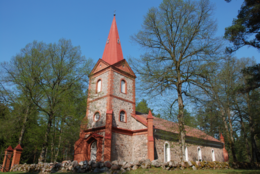
Vainova Old-Believers Prayer HouseVainova Old-Believers Prayer House was built in 1980 replacing the previous
church that was burnt by lightening. Initially, the Prayer House was one of the
biggest churches in Latgale (for 2 000 people). The congregation of the church
exists since the 18th century.
|
 |
Lettland
The Rinda church and manseThe church was built in 1835, and its greatest treasure is the organ, which was built by Karl Bittner in 1854. The manse is being restored. Boats are available for rental. 181
1-12
Leistungen
181km - Entfernung von der Hauptstadt
1-12 Aktive Saisonmonate |
|
|
Lettland
Dunikas – Golgatas (Krustcelu) luteranu baznicaCelta 1933. g. vietējai brāļu draudzei. Baznīcā atrodas glezna “Kristus” (1850. g.) un Liepājas meistara Jēkaba Jauģieša 1920. g. darinātās ērģeles. Mūsdienās dievnamu izmanto Bārtas draudze. Pie baznīcas novietots akmens apkaimes represētajiem iedzīvotājiem. 240
Leistungen
240km - Entfernung von der Hauptstadt |
 |
Lettland
Katholische Kirche von AknisteDas Gotteshaus ist von 1937 bis 1940 gebaut worden und als sein Prototyp hat die Auferstehungskirche in Kaunas in Litauen gedient. Die Kirche ist ein einschiffiges Gebäude, das in geometrisch rechteckigen Formen gebaut ist, die dem Stil Funktionalismus charakteristisch sind. In der Kirche befindet sich ein großer Altar aus Holz, eine Kanzel und zwei Seitenaltäre (am Anfang des 19. Jh. hergestellt), die früher die Kirche von Rokišķi geschmückt haben. Aus der Kirche von Rokišķi wurden die beiden Altäre hier gebracht, weil in der Kirche von Rokišķi eine neue Innenausstattung hergestellt wurde. Im Jahr 1997 hat die Kirche die Blaue Fahne des Europäischen Kulturerbes erhalten. Neben dem Gotteshaus befinden sich das in der zweiten Hälfte des 19. Jhs. aus roten Ziegeln gebaute Tor der katholischen Kirche und der Park der Selen. 149
Leistungen
149km - Entfernung von der Hauptstadt |
 |
Lettland
Saulkrasti (Peterupe) Evangelical Lutheran ChurchThe first building of the church was built in 1641. The fourth building of the church was only built in 1856 – during the times of Pastor Johann Wilhelm Knierim. Its altar painting – The Crucified Christ (Golgotha) was painted in 1856 by Jozeps Millers, who was influenced by the altar piece in Munich Louis Church created by his teacher Peter Cornelius. An epitaph of Baroness Auguste Amalija von Pistohlkros, the sister of the owner of Bīriņi Manor and the patroness of the church, was immured in the memorial wall. Construction of the tower was completed on 11 June 1856, as evidenced by a memorial plaque on the wall of the church with an inscription “Erbaut von August Pistolkors 1856”. The church was consecrated in 1864. And a year later an organ by Martin Company with 8 registers, which was extended to 14 registers in 1903, was installed in the church. Unfortunately, the organ was destroyed in WW2. Saulkrasti (Pēterupe) Evangelical Lutheran Church survived both World War 2 and the Soviet period. The Soviet era was one of the most difficult times for the church, because many churches in the area were destroyed, pastors were discharged and the congregation fell apart. The Pēterupe congregation remained. As an architectural monument the church was lucky enough to undergo roof repairs of the tower even during Soviet times. Funds were granted by the Chairlady of the Executive Committee Ņina Manzūrova. 45
1-12
Leistungen
45km - Entfernung von der Hauptstadt
1-12 Aktive Saisonmonate |
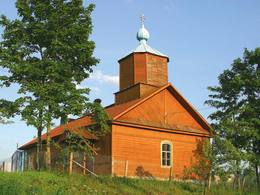 |
Lettland
Lipuski Old-Believers Prayer HouseLipuški Old-Believers Prayer House was built in 1893 at lake
Rāzna in village Lipuški. In former days, it was one of the largest Old-
Believers parishes in the Baltic countries; you will notice Old-Believers cemeteries that are placed in the
neighbourhood.
280
Leistungen
280km - Entfernung von der Hauptstadt |
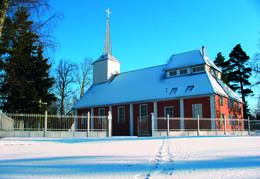 |
Lettland
Roman Catholic Church of Divine Grace in SaulkrastiRoman Catholic Church of Divine Grace – On 19 April 1998, the so-called “White Sunday” or the Day of Divine Grace, Saulkrasti Roman Catholic Church of Divine Grace was consecrated. The building is 24 m long and its tower is 16 m high. The 300-seat church was designed by the architect Jānis Šrēders. The image of Christ on the altarpiece was derived from the vision of the saint, Sister Faustina, of 22 February 1931 in a monastery in Poland. The altarpiece was created by the artist Ēriks Pudzēns. 14 paintings on the walls of the church depict Christ’s path of suffering from conviction to resurrection. The altar is built of ash. On 2 August 1998, a 7.38 m tall cross was consecrated by Saulkrasti Roman Catholic Church of Divine Grace. At night this cross is illuminated. The cross is similar to the cross of Golgotha in Jerusalem where Jesus Christ was crucified. 47
1-12
Leistungen
47km - Entfernung von der Hauptstadt
1-12 Aktive Saisonmonate |
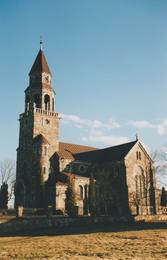 |
Lettland
Die katholische Hl. Johannes der Täufer-Kirche von ViskiDie Kirche war von 1908-1925 aus gehauenen Feldsteinen im neogothischen Tudor-Stil (nach einem Projekt des Architekten Standmanis aus Liepaja) an der Stelle der ursprünglichen Eichenbohlen - Kirche von 1621 erbaut worden. Vom Kirchturm hat man eine weite Aussicht auf die Seen um Višķi. 225
1-12
Leistungen
225km - Entfernung von der Hauptstadt
1-12 Aktive Saisonmonate |
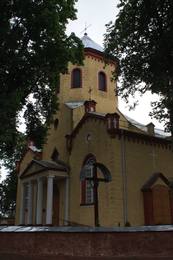 |
Lettland
Livanu Sveta Mikela katolu baznicaAtrodas Līvānu ziemeļdaļā, Baznīcas ielā 17. Dievnams uzbūvēts 1861. g. un paplašināts 1880. gadā. Pēc nopostīšanas 1. pasaules kara laikā to atjaunoja 1918. gadā. No interjera ievērības cienīgas ir ērģeles (uzstādītas 1936. g.), glezna „Svētais Jānis Kristītājs” (mākslinieks Šēnbergs) un 14 Krusta ceļa gleznas, kas ir vācu mākslinieka Fogela gleznu kopijas (19. gs. pirmā puse). Kopš 20. gadsimta sākuma bez izmaiņām ir saglabājies tikai Ostrabramas Dievmātes altāris ēkas labajā pusē. 2007. gadā nokrāsoja dievnama fasādi. Šo darbu laikā, no ēkas sienas izņēma nesprāgušu artilērijas lādiņu, kas bija iestrēdzis 1. pasaules kara laikā. 163
Leistungen
163km - Entfernung von der Hauptstadt |
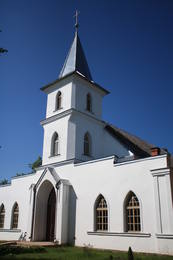 |
Lettland
Römisch-katholische Kirche von IluksteDie Kirche befindet sichnördlich von dem Platz Vienības laukums. Die erste gemauerte Kirche wurde in Ilūkste aus den Mitteln der Grafen Plater-Sieberg von 1754 bis 1769, aber die heutige - im Jahr 1816 gebaut. Im Jahr 1861 stand das Gotteshaus zur Verfügung der rechtgläubigen Gemeinde, aber im Jahr 1920 kehrte es in den Händen der katholischen Gemeinde zurück. Die Kirche wurde im Jahr 1921 erneuert. Während der Gottesdienste kann man sie vom innen besichtigen. 200
Leistungen
200km - Entfernung von der Hauptstadt |
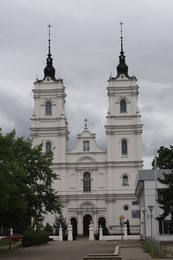 |
Lettland
Daugavpils Dievmates Romas katolu baznicaAtrodas t.s. Baznīcu kalnā - A. Pumpura ielā 11 a. Varenais neobaroka stilā celtais dievnamu tapis 1905. g. Pastāv viedoklis, ka par šīs baznīcas prototipu izmantotas Aglonas vai Krāslavas bazilikas, kā arī Rietumeiropas baznīcu paraugi. Tās interjeru rotā divstāvīgs altāris, kurā novietota spāņu gleznotāja B. E. Muriljo pazīstamās gleznas “Svētā Dievmāte” kopija. 1909. g. baznīcā uzstādīja poļu meistara Ādolfa Hofmana būvētās ērģeles.No būvniecības laika saglabājusies arī pārējā baznīcas iekārta. 227
Leistungen
227km - Entfernung von der Hauptstadt |
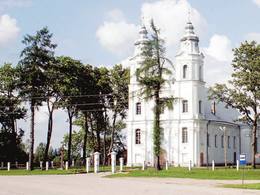 |
Lettland
St. Anna Roman Catholic Church of BerzgaleSt. Anna Roman Catholic Church of Bērzgale. The Church was
built in 1770 and sanctified in 1776. The building is an example of Baroque style with a woodcarved altar
and two pictures of Virgin Mary. The church resembles Aglona Basilica.
258
Leistungen
258km - Entfernung von der Hauptstadt |
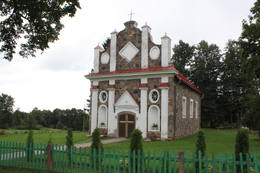 |
Lettland
Svetas Marijas Magdalenas (Madalinas) Romas katolu baznica GosporosMeklējama Gosporos, starp Rīgas – Daugavpils šoseju (A 6) un Daugavu. Apjomā nelielais dievnams būvēts 1820. gadā romāņu stilā no laukakmeņiem senas kapsētas vietā. Tuvāk Daugavai ir izveidota aka, no kuras iztek Svētavots, kam piedēvē dziednieciskas īpašības. Pie baznīcas novietots dobumakmens. 181
Leistungen
181km - Entfernung von der Hauptstadt |
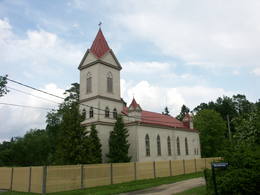 |
Lettland
Die römisch katholische Kirche vom Heiligen Johannes dem TäuferDas Gotteshaus befindet sich in der Sēravotu Straße 10. Das im Historismus gebaute Gebäude ist im Jahr 1899 aus Holz gebaut worden und es ist das neueste von allen drei Gotteshäusern von Ķemeri. Die Kirche kann man von innen an den Tagen besichtigen, wenn hier Gottesdienste abgehalten werden, zu anderen Zeiten – nur von außen. 47
Leistungen
47km - Entfernung von der Hauptstadt |
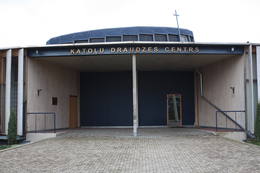 |
Lettland
Liepajas Sveta Meinarda katolu baznicaAtrodas Ganību ielā 120. Celta (iesvētīta 2001. g.) mūsdienu modernās arhitektūras formās un interesanta ar faktu, ka sākotnēji bijusi Vatikāna paviljons Pasaules izstādē “Expo 2000” Hannoverē. To pārbūvēja un uz Liepāju pārcēla par Vācijas katoļu saziedotajiem līdzekļiem. Ēkā darbojas katoļu draudzes centrs. 218
Leistungen
218km - Entfernung von der Hauptstadt |
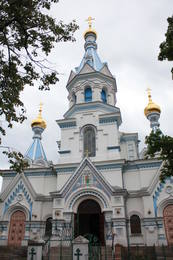 |
Lettland
Daugavpils Sveto Moceklu Borisa un Gleba pareizticigo katedraleAtrodas t.s. Baznīcu kalnā - Tautas ielā 2. Šo uzskata par vienu no krāšņākajiem Latvijas pareizticīgo dievnamiem, kura ārējo veidolu izrotā daudzo torņu kupoli. Tā celta 1905. g. kā Dinaburgas garnizona baznīca ar daudziem nozīmīgiem mākslas pieminekļiem interjerā, t.sk. 19. gs. ikonām. Dievnams ir ikdienā atvērts un apskatāms no iekšpuses. 226
Leistungen
226km - Entfernung von der Hauptstadt |
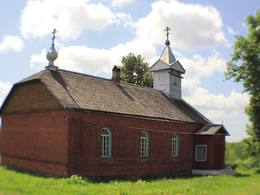 |
Lettland
Bоrisovas St. Nikolay Old-Believers Prayer HouseBоrisovas St. Nikolay Old-Believers Prayer House was built in the period of 1911 – 1921 . The different feature of the Prayer House is a brick building placed on the hill. The bell of the temple was specially
ordered and brought from St. Petersburg. The bell has a very soft sound.
|
|
|
Estland
Katharinen-kirche in MuhuEine der schönsten Landkirchen Estlands, wurde ursprünglich als Zufluchtsort verwendet. Wurde im Stil der Frühgotik gebaut. Die Wandmalerei aus dem Jahr 1330. 153
Leistungen
153km - Entfernung von der Hauptstadt |
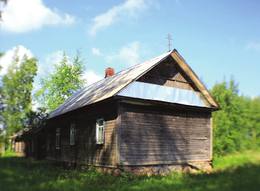 |
Lettland
Paramonovas Old-Believer Preaching HouseParamonovas Old-Believer Preaching House was built in
1882.
|
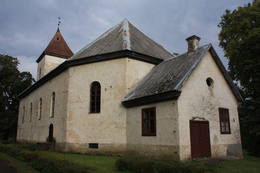 |
Lettland
Ciravas luteranu baznicaЦелостное здание церкви строилось в 1780 – 1781 гг. во времена барона Х.Ф. Бера, а перестраивалось в 1876 и 1888 гг. Церковь известна своим алтарем и кафедрой, выполненными в стиле рококо, и построенным в первой половине XVIII века органом. Церковь можно осмотреть изнутри. 191
Leistungen
191km - Entfernung von der Hauptstadt |
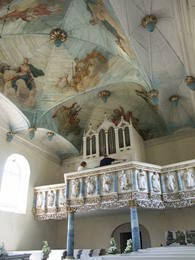 |
Lettland
The Apriki Lutheran ChurchThe Apriķi Lutheran Church is, for good reason, known as one of the most beautiful churches in Kurzeme. It was owned by the Osten-Zacken dynasty in the past, built in the 17th century, and rebuilt in 1710. The wooden interior is in the Rococo style with elements of the Baroque, and it dates to the mid-18th century. It is amazingly ornate. The beautiful ceiling paintings, which were produced by a Prussian painter called Rode, were painted between 1744 and 1746. 188
Leistungen
188km - Entfernung von der Hauptstadt |
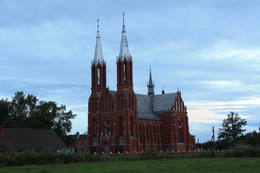 |
Lettland
Liksnas Vissvetas Jezus Sirds Romas katolu baznicaЦерковь строилась с 1909 по 1913 год. Качество красного кирпича, используемого в строительстве храма, было плохим, поэтому с 1939 года заменено около 60 000 кирпичей! Храм считается одним из самых внушительных сакральных строений Латвии. В строительстве церкви применены декоративные элементы неоготического стиля, а в интерьере - алтарь, кафедра, хоры органа, молитвенные скамейкии изготовленные в наши дни исповедальни созданы в готических формах. Орган строился в 1931 году. Храм пострадал во время Первой мировой войны и был восстановлен в 1921 году. Осмотр церкви рекомендуется проводить в сопровождении гида. 208
Leistungen
208km - Entfernung von der Hauptstadt |
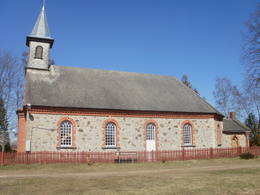 |
Lettland
Lutherische Kirche von KalteneDie Geschichte der lutherischen Kirche und Gemeinde von Kaltene began 1567, als der Herzog von Kurland Gotthard Kettler befahl neue Kirchen in Kurland zu bauen. Eine davon war eine Kirche in Kaltene – die St. Katharinen Kirche. 1848 wurde anstelle der alten Holzkirche eine Lehmkirche errichtet. 1880 wurde eine Sakristei zugebaut, aber das Gebäude der Kirche 1896 umgebaut und vergrößert wurde. Die Kirche wurde während des Ersten Weltkriegs von einem Geschoß eines russischen Torpedoboots zerstört. Die Kirche wurde in der ersten Hälfte der 20er Jahre des 20. Jahrhunderts renoviert. Das Altarbild der Kirche von Kaltene „Christus und St. Peter am Meer” hat 1898 M. Pols geschafft (nach Motiven von R. Richter). Die im 18. Jahrhundert errichtete Kanzel und die Orgel der Kirche sind Kulturdenkmäler und stehen unter Staatsschutz. Die Orgel wurde von einem Orgelmeister Augusts Martins 1843 gebaut und befand sich ursprünglich in einer Kirche in Gulbene. 1943 wurde die Orgel in die Kirche von Kaltene umgesetzt. Diese Orgel ist die älteste erhaltene der vom Orgelmeister Augusts Martins gebauten Orgeln. Die Kirchenglocke wurde 2006 auf dem Betrieb „Liepājas Metalurgs” gegossen. 2012 – 2013 wurde neben der Kirche ein neues Gemeindehaus gebaut. Bei den Kirchentoren wurden die ersten Szenen der Lauffilmes “Der lange Weg in den Dünen”, sowie “Schilfwald” gedreht. Unweit befindet sich der Hof „Putniņi”. 1921 besuchte dieser Hof in Kaltene der damalige Kulturminister Rainis. Hier befand sich damals ein Geschäft. Während des Zweiten Weltkriegs wurde der alte Hof „Putniņi” von den deutschen Truppen verbrannt. (Die Quelle: Roja TIZ) 112
1-12
Leistungen
112km - Entfernung von der Hauptstadt
1-12 Aktive Saisonmonate |
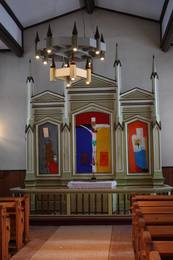 |
Lettland
Evangelisch-lutherische Kirche von KolkaEs gibt eine Erzählung über einen dänischen Händler, der sich bei einem Schiffbruch am Kap von Kolka gerettet und als Dank in Kolka eine Kirche gebaut hat. In Kolka hat es mehrere Kirchen gegeben, die ihren Standort gewechselt haben. Das Fundament des heutigen aus Feldsteinen gebauten Gotteshauses hat der damalige Inhaber des Landgutes von Dundaga Karl Ludwig Ferdinand von der Osten-Sacken gelegt. Das Gotteshaus ist an der Stelle (oder in der Nähe) der hölzernen Kirche gebaut, die sehr stark im Krimkrieg gelitten hatte. Die ersten Bauarbeiten wurden von dem Baumeister Oto Zīverts im Jahr 1885 (Architekt Teodors Zeilers) angefangen. Während der Sowjetzeit wurde die Kirche gewaltsam ausgeraubt und in dem Gebäude wurde ein Lagerraum eingerichtet. Es ist wert, das moderne Altargemälde (Künstlerin Helēna Heinrihsone) zu besichtigen, dem kein anderes Altargemälde in keiner anderen Kirche ähnlich ist. Früher befand sich an der Stelle des Gemäldes ein Kreuz. 159
Leistungen
159km - Entfernung von der Hauptstadt |
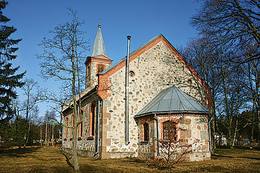 |
Lettland
Kirche von KolkaEs gibt eine Erzählung über einen dänischen Händler, der sich bei einem Schiffbruch am Kap von Kolka gerettet und als Dank in Kolka eine Kirche gebaut hat. In Kolka hat es mehrere Kirchen gegeben, die ihren Standort gewechselt haben. Das Fundament des heutigen aus Feldsteinen gebauten Gotteshauses hat der damalige Inhaber des Landgutes von Dundaga Karl Ludwig Ferdinand von der Osten-Sacken gelegt. Das Gotteshaus ist an der Stelle (oder in der Nähe) der hölzernen Kirche gebaut, die sehr stark im Krimkrieg gelitten hatte. Die ersten Bauarbeiten wurden von dem Baumeister Oto Zīverts im Jahr 1885 (Architekt Teodors Zeilers) angefangen. Während der Sowjetzeit wurde die Kirche gewaltsam ausgeraubt und in dem Gebäude wurde ein Lagerraum eingerichtet. Es ist wert, das moderne Altargemälde (Künstlerin Helēna Heinrihsone) zu besichtigen, dem kein anderes Altargemälde in keiner anderen Kirche ähnlich ist. Früher befand sich an der Stelle des Gemäldes ein Kreuz. Orthodoxe Christi Geburt-Kirche von Kolka. Die Angaben darüber, dass die Liven den orthodoxen Glauben angenommen haben, beweist eine Urkunde, die in den 1990er Jahren während der Restaurationsarbeiten im Turm der evangelisch-lutherischen Kirche (siehe auch weiter) gefunden und dort beim Bau der Kirche im Jahr 1885 hineingelegt wurde. Diese Urkunde erzählt, dass der Übertritt der Liven zum orthodoxen Glauben, dem sogenannten Glauben des Kaisers, „nicht mit der Glaubensüberzeugung verbunden ist, aber das ist ein Mittel, wie man an Vorteile für Grundstücke und an Genüsse gelangen kann.” Die orthodoxe Gemeinde hat schon im Jahr 1885 ein Grundstück vom Baron Osten-Sacken gekauft, auf dem im Jahr 1890 die Kirche, das Priesterhaus und ein Schulgebäude gebaut wurden. Alle Gebäude haben sich bis heute erhalten. Die Kirche hat ihre eigene Gemeinde und die Gottesdienste werden hier einmal im Monat abgehalten. Man kann Angaben darüber finden, dass Kolka das einzige Dorf an der livischen Küste war, wo in den 1890er Jahren eine orthodoxe Kirche gebaut wurde. Die Glocke hat ihren Platz im Jahr 1936 gefunden. Während der Sowjetzeit wurde die Kirche als eine Leichenhalle benutzt, aber heute dient sie ihrem ursprünglichen Ziel. 156
Leistungen
156km - Entfernung von der Hauptstadt |
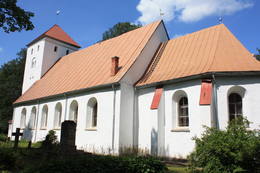 |
Lettland
Kalnamuizas luteranu baznicaŠo sakrālo celtni uzskata par vecāko Zemgales baznīcu, kas joprojām pilda savu pamatfunkciju. Tās celtniecību uzsāka 1567. g. un pēc nopostīšanas atjaunoja 1614. g. Pēc poļu - zviedru un Ziemeļu kara to atkārtoti atjaunoja 1815. g. Dievnamu var apskatīt arī no iekšpuses. 73
Leistungen
73km - Entfernung von der Hauptstadt |
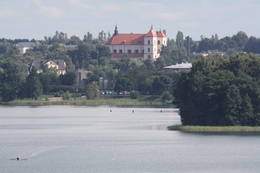 |
Litauen
Svetas dievmates dzimsanas pareizticigo katedralePareizticība Traķu apkārtnē „ienāca” jau Lietuvas dižkunigaiša Ģedimina (Gediminas) valdīšanas laikā (1316. – 1341.). Līdz 18. gs. beigām no astoņām pareizticīgo baznīcām Traķos nebija saglabājusies neviena, tādēļ pareizticīgo draudze 1863. g. uzcēla jaunu baznīcu, kas saglabājusies līdz mūsdienām un apskatāma Vitauta ielā (Vytauto gatve) 32. |
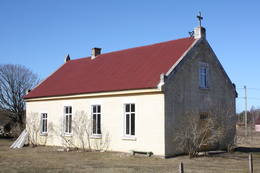 |
Lettland
Baptistenkirche von PitragsDas Gotteshaus ist ein in einfachen Formen gebautes eingeschossiges Gebäude, auf dessem Dach über den Eingang ein Kreuz gesetzt worden ist. Obwohl die Gemeinde von Pitrags im Jahr 1890 gegründet wurde, ist das Gotteshaus im Jahr 1902 gebaut worden. Von 1925 – 1926 wurde es nach einem Brand im Ersten Weltkrieg und auch während der Ersten Unabhängigkeit Lettlands erneuert. 176
Leistungen
176km - Entfernung von der Hauptstadt |
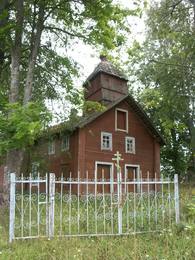 |
Lettland
The Ruduski Old Believers prayer houseThis small wooden church with fragments of a metal gate is on the side of the road in the village of Ruduški. It is not open to visitors on a daily basis. 281
Leistungen
281km - Entfernung von der Hauptstadt |
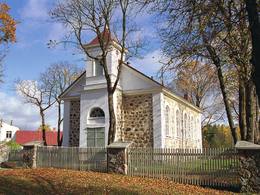 |
Lettland
St. John the Baptist Roman Catholic Church of NagliSt. John the Baptist Roman Catholic Church of Nagļi was built
in 1862 by landlord Nābels. Some time ago, Nagļi Church was a branch of Viļāni Church. The Bernardian
monks served there. After the closing of the cloisters in 1930s, the church was served by priests.
|
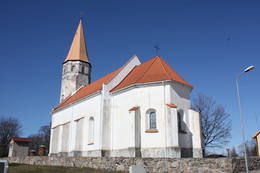 |
Lettland
Evangelisch-lutherische Kirche von NeretaDie Kirche befindet sichim Zentrum von Nereta, in der Rīgas Straße 2. Sie wird als eines der ältesten Gotteshäuser (Barock mit Merkmalen der späten Gotik) der Region Zemgale angesehen. Die Kirche wurde von 1584 bis 1593 auf der Initiative des Grafen Wilhelm von Effern gebaut (im Jahr 1679 umgebaut). In der Kirche befinden sich aus Stein gemeißelte Grabstein-Reliefs, die am Ende des 16. Jh. hergestellt und Wilhelm von Effern und Georg von Effern gewidmet sind. (Der Grabstein von Georg von Effern ist das hervorragendste Kunstwerk des frühen nördlichen Manierismus in Lettland.) Das Altargemälde (1863) hat P. Handlers geschaffen, die Orgel (1893) hat R. Knaufs gebaut, aber die Glasmalereien (1900) hat E. Baijermans gebildet, die Deckenlaternen sind aus dem 17. und 19. Jh. Die Besucher der Kirche können aus dem 38,6 Meter hohen und eigenartigen achteckigen Kirchenturm die Landschaft von Nereta und der näheren Umgebung besichtigen. 119
Leistungen
119km - Entfernung von der Hauptstadt |
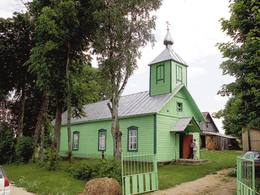 |
Lettland
Uljanova Old-Believers Prayer HouseUļjanova Old-Believers Prayer House was built in 1875. The house
is a modest building where everyone can come to confess. The Prayer House is not rich in decorations.
220
Leistungen
220km - Entfernung von der Hauptstadt |
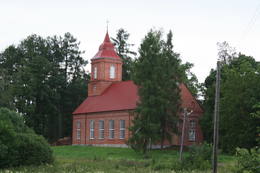 |
Lettland
Liezeres luteranu baznicaLīdz 18. gs. šajā vietā bija koka baznīca, kamēr 1798. g. uzcēla mūra baznīcu, kas cieta 1. pasaules karā, bet 2. pasaules kara laikā to uzspridzināja. Tikai pusgadsimtu vēlāk - 1991. gadā tika uzsākti atjaunošanas darbi, kas joprojām turpinās. Tagad redzamais dievnams ir iepriekšējā līdzinieks. 151
Leistungen
151km - Entfernung von der Hauptstadt |
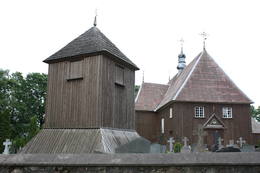 |
Litauen
Platelu baznica (Platelių baznycia)Iespaidīga koka celtne un izcils koka arhitektūras piemērs, kuru pamanīs katrs Plateļu apmeklētājs! Plateļu baznīca ir viens no Lietuvas vecākajiem koka dievnamiem. Pašreiz redzamais ir būvēts 1744. g., bet zvanu tornis – 1899. g. Dienvidos no baznīcas plešas Plateļu muižas parks. 306
Leistungen
306km - Entfernung von der Hauptstadt |
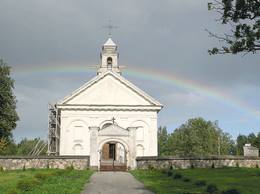 |
Lettland
Divine Providence Catholic Church of RikavaDivine Providence Catholic Church of Rikava (Baltini) was built in Doric style in 1929 by the donations
of landlord Alexander Riks. The church has icons „St. Antony” and „Jesus Christ appears to Mary
Magdalene”. Beside the church there is a cemetery and family vault of Riks.
|
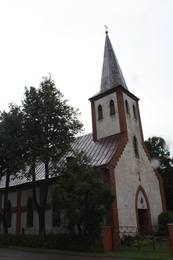 |
Lettland
Livanu luteranu baznicaAtrodas pie Līvānu dzelzceļa stacijas, Dzelzceļa ielā 17. Tā kā Līvānos nebija luterāņu baznīcas, draudze dievkalpojumus noturēja ugunsdzēsēju depo. 1929. gadā ielika dievnama pamatakmeni un pēc trīs gadiem pabeidza pašas ēkas celtniecību. Saglabājušās ziņas, ka padomju laikā baznīcā bija plānots iekārtot sporta zāli un noliktavu, taču tas neticis īstenots. Jāpiemin, ka baznīca ir celta uz bijušās korķu fabrikas pamatiem. Dievnama zvana iegādei līdzekļus sarūpēja kara ministrs – ģenerālis Jānis Balodis u.c. 165
Leistungen
165km - Entfernung von der Hauptstadt |
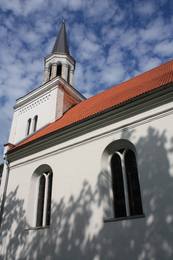 |
Lettland
Iecavas luteranu baznicaAtrodas Iecavas upes ielokā starp Rīgas un Sporta ielu. Baznīcas celtniecību uzsāka 1641. g. un pabeidza ap 1657. g. Ēka ievērojami cieta 2. Pasaules kara laikā. Pie baznīcas atrodas kapi, kuros apglabāti grāfu Pālenu dzimtas pārstāvji. To ziemeļaustrumu stūrī redzama Pālenu dzimtas kapliča. Baznīca ir it kā „sadalīta” divās daļās – vienā daļā notiek restaurācijas darbi, otrā izvietota bibliotēka. To ir vērts redzēt arī no iekšpuses. 43
Leistungen
43km - Entfernung von der Hauptstadt |
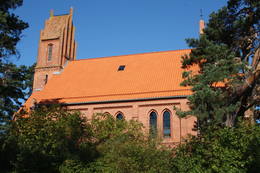 |
Litauen
Lutherische Kirche in NidaEin im gotischen Stil gebautes Gotteshaus wurde 1888 eingeweiht. Daneben befindet sich ein etnografischer Friedhoff aus dem 19 – 20 Jh. mit ungewöhnlichen Grabkreuzen aus Holz. In den Formen der Kreuze sind die Motiven von Pflanzen, Vögeln, Tieren zu sehen. 357
Leistungen
357km - Entfernung von der Hauptstadt |
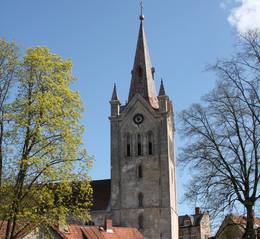 |
Lettland
Evangelisch-lutherische St. Johanniskirche in CesisGebaut am Ende des 13. Jh. als eine dreischiffige Basilika im romanischen Stil mit gotischen Elementen. 1853 wurde der 65 m hohe Turm aufgebaut (Aussichtsplatz). In der Kirche befinden sich die Grabsteine der livonischen Bischöfe, Kanzel (1748), Altar aus Eichenholz (1858), Altarbild (1862), Buntglasfenster und eine der besten Orgeln Lettlands (1907). 90
Leistungen
90km - Entfernung von der Hauptstadt |
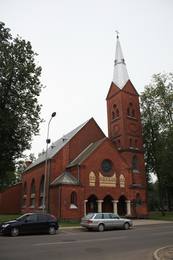 |
Lettland
Die evangelisch- lutherische Kirche von RezekneDas Gotteshaus war von 1932 – 1938 an der Stelle einer alten Holzkirche nach einem Projekt von J. Cīruļis erbaut worden. Bis 1994 befand sich hier ein Filmverleih. Heute kann man in der Kirche eine Fotoausstellung über den Bau der Kirche besichtigen – „Vom Fundament bis zur Turmspitze, alte lettische Kirchenbauämter in Fotografien. Vom 37m hohen Glockenturm aus hat man einen Blick über die Stadt . 241
Leistungen
241km - Entfernung von der Hauptstadt |
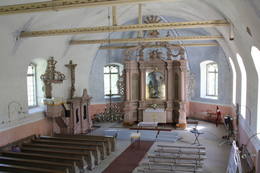 |
Lettland
Dundagas luteranu baznicaХрам построен в 1766 г., а колокольня возводилась в 1897 году. Орган, построенный в 1859 году органным мастером Ансисом Динсбергсом, считается старейшим органом Латвии работы латышского мастера. Запрестольный образ «Пасхальное утро» создан Янисом Розенталсом в 1912 году. Церковь можно осмотреть изнутри. 153
Leistungen
153km - Entfernung von der Hauptstadt |
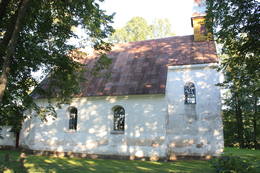 |
Lettland
Evangelisch-lutherische Kirche von ZasaIm nördlichen Teil des Parks von Zasa befindet sich die im Jahr 1750 gebaute und nicht große evangelisch-lutherische Kirche von Zasa. Heute ist die Orgel des Gotteshauses erneuert worden, die der bekannte Orgelbaumeister Andrejs Sūnākslis gebaut hat. An der Kirche befindet sich der Friedhof der im Ersten Weltkrieg gefallenen deutschen Soldaten. 176
Leistungen
176km - Entfernung von der Hauptstadt |
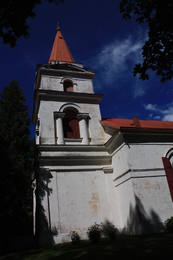 |
Lettland
Evangelisch-lutherische Kirche von SaukaWenn man am nördlichen Ufer des Sees von Sauka (wo die Kreuzung nach Klauce ist) fährt, kann man die von Bäumen umsäumte evangelisch-lutherische Kirche von Sauka sehen. Das heutige Gebäude ist das dritte Gotteshaus an dieser Stelle. Es wurde im Jahr 1827 eröffnet und es ist hauptsächlich von außen zu besichtigen. Der Altar der Kirche ist mit den Skulpturen der Apostel Peter und Paul und mit dem Altargemälde von Julius Döring Christus am Kreuz mit Maria und Johannes geschmückt. Die Orgel haben Meister aus Jelgava, aber die Pfeifen – Meister aus Sauka hergestellt. 134
Leistungen
134km - Entfernung von der Hauptstadt |
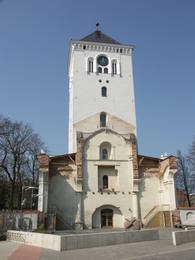 |
Lettland
Turm der St. Dreieinigkeits-kirche in JelgavaDer Turm wurde am 27. Juni 1941 in der Zeit eines Luftangriffes der sowjetischen Armee zerstört und 1954 von den Sappeuren der Sowjetarmee in die Luft gesprengt. Die Renovierung der gebliebenen Reste des Turmes hat 2009 angefangen. Im erneuerten Turm ist ein schönes interaktives Museum (Kinderfreundlich), ein Besucherzentrum und einne Glassaussichtsplattform eingerichtet. Ein Restaurant. 44
Leistungen
44km - Entfernung von der Hauptstadt |
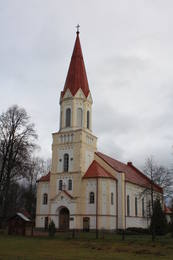 |
Lettland
Rucavas luteranu baznicaХрам неоднократно горел и строился снова. Теперешняя церковь построена в 1874 году, а после пожара 1927 года была восстановлена в 1932 году. Можно осмотреть алтарную икону«Иисус со святым причастием», две картины И. Зебериньша «Иисус у креста» и «Иисус благословляет детей» (1957 г.). Проспект органа является первым, построенным в «латышском» вкусе органом (резчик по дереву П. Планкус, 1936 г.), а сам инструмент номинирован как самая красивая и самая объемная работа лиепайского мастера Екаба Яугиеша. Трубы органа сделаны из дерева, что является редким случаем. Церковь можно осмотреть изнутри. 260
Leistungen
260km - Entfernung von der Hauptstadt |
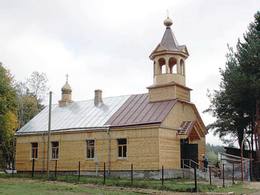 |
Lettland
Vilani Old-Believers Prayer HouseViļāni Old-Believers Prayer House. The architect P.Pavlovs built Old-Believers Prayer House in 1930s.
The congregation was established very recently. Nevertheless the 14 meters high tower was constructed in
2004. The Prayer House is a very simple building but you will be pleased to see the magnificent icons. The
Prayer House has been renovated completely.
|
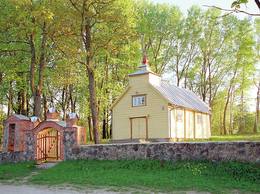 |
Lettland
St. Michael the Archangel Parish Church of ZosnaSt. Michael the Archangel Parish Church of Zosna. The church
was built in 1800 by the donations of local people; it is devoted to Saint Michael. The church is built on the
stone foundation and panelled with boards. It has a small square tower that was restored in 1994.
|
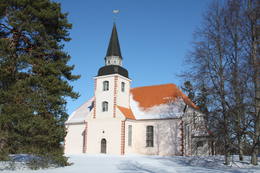 |
Lettland
Die lutherische Kirche von LiepupeDas Gotteshaus hat eine nicht traditionelle Planung und Einrichtung: Der Altar befindet sich in der Mitte, aber die Kanzel – über dem Altar. Die Kirche hat einen eigenartigen Glockenturm mit einer im Jahr 1634 gegossenen Glocke. Die heutige Innenausstattung aus Holz haben die Schüler der Handwerkerschule von Riga geschaffen. Neben der Kirche befinden sich die Ruinen der alten Kirche und das Pfarrhaus, wo am Ende des 18. Jhs. als Hauslehrer Garlieb Merkel gearbeitet hat, der das in Liepupe Beobachtete in seinem bedeutenden Werk Letten verwendet hat. 70
Leistungen
70km - Entfernung von der Hauptstadt |
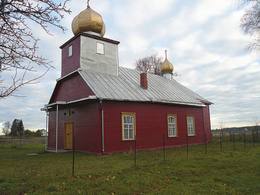 |
Lettland
Notra’s Old-Believers Prayer HouseNotra’s Old-Believers Prayer House. The construction works
lasted from 1928 till 1931. The church is situated on the site of the
previous church that was originally built in 1853.
|
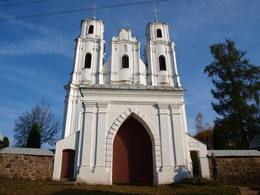 |
Lettland
Römisch-Katholische Kirche Maria Himmelfahrt von PiedrujaBefindet sich am rechten Daugava-Ufer. Von verschiedenen Orten in Pedruja sind schöne Blicke auf diese Kirche. Die erste Holzkirche ist in Piedruja nach dem Befehl des Fürsten Jan Sapieha 1632 gebaut worden. 1759 ist die Kirche verbrannt worden. Die bis heute erhaltene Steinkirche im Barockstil mit zwei Türmen (wahrscheinlich, der Projektautor – ein italienischer Architekt A. Paroko) ist 1759 gebaut worden. Unter dem 27 m hohen (Höhe der Türme) Gebäude befinden sich Kellerräume. In den Türmen befinden sich drei Glocken (der größte stammt aus dem Jahr 1711, der mittlere – aus dem Jahr 1897, der kleinste – aus dem Jahr 1619). Die größte Glocke wiegt fast 0,4 Tonnen. In den Innenräumen der Kirche sind viele bedeutende kulturhistorische Gegenstände zu sehen – der Zentralaltar aus Holz mit dem Bild Maria Himmelfahrt, drei Altäre aus dem 18. Jahrhundert, die Kanzel aus dem Anfang des 19. Jahrhunderts, der St. Anton Altar, die Freske mit der Abbildung der Heiligen Dreifaltigkeit, das Kirchengerät aus dem 17. Jahrhundert u.a. Neben dem Gebäude befindet sich ein großer Garten mit einem Steinzaun und Steinbegräbniskapellen. Im Garten befinden sich die Gräber der Pfarrer Kazimirs Konvalevskis un Broņeslavs Stefanovičs. Der Pfarrer Broņeslavs Stefanovičs hatte eine große Rolle im Wiederaufbau der Kirche nach dem Ersten Weltkrieg. Die Gemeinde von Piedruja fing an, sich in der ersten Hälfte des 17. Jahrhunderts zu bilden. 289
1-12
Leistungen
289km - Entfernung von der Hauptstadt
1-12 Aktive Saisonmonate |
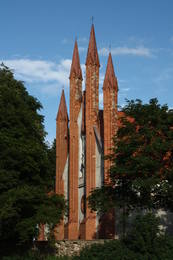 |
Litauen
Senie Traki (Senieji Trakai)Traķu pirmsākumi ir meklējami Senajos Traķos, kas atrodas 4 km dienvidaustrumos no Traķu centra. Uzskata, ka Senos Traķus ir dibinājis Lietuvas dižkunigaitis Ģedimins (~ 1275. – 1341.) 14. gs. pirmajā pusē. 14. gs. otrajā pusē šeit uzcēla mūra pili, no kuras līdz mūsdienām ir saglabājušies tikai nostāvināti zemes vaļņi. Laikā no 1345. – 1382. g. tajā valdīja Ģedimina dēls – Ķēstutis (1297. – 1382.). Senajos Traķos dzimis arī viens no izcilākajiem viduslaiku Lietuvas valdniekiem – Ķēstuta dēls - Vītauts Dižais. Kā pilij, tā arī tās valdniekiem bija nozīmīga loma sekojošajos krusta karos un cīņās. 1391. g. pils tika sagrauta cīņas laikā ar Vācu ordeni, kādēļ arī zaudēja savu stratēģisko nozīmi. 1405. g. benediktīniešu mūki šajā vietā uzcēla baznīcu, bet 18. gs. beigās - jaunu un lielāka apjoma klosteri, kura vienu no korpusiem 1889. g. pārbūvēja par baznīcu. |
|
|
Lettland
Krutes luteranu baznicaНаходится в 2,5 км к северу от Круте. Небольшое здание из деревянных бревен с дощатой обшивкой первоначально было построено в 1642 году, а кирпичная башня восстановлена после Второй мировой войны. Интерьер церкви – алтарь (вторая половина XVII века), алтарная икона неизвестного автора «Иисус у креста» (XVII в.) и богато орнаментированная кафедра (1642 г.) являются важными памятниками времен маньеризма. 238
Leistungen
238km - Entfernung von der Hauptstadt |
 |
Lettland
Pusa Manor park and ChapelPuša Manor - Chapel was built in the end of the 18th century; it is located
in the Pušas Manor park that was built in the middle of the 19th
century. Both are permanent local architectural monuments.
|
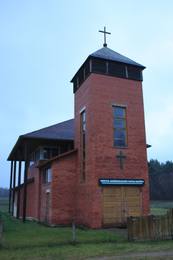 |
Lettland
Bartas Romas katolu baznicaAtrodas 2,5 km no Bārtas centra, Bārtas upes labajā krastā. Mūsdienīgais dievnams tapis 2002. gadā (arhitekte: A. Siliņa). 231
Leistungen
231km - Entfernung von der Hauptstadt |
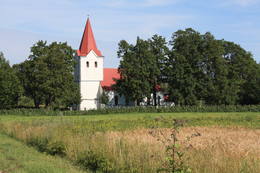 |
Lettland
Evangelisch-lutherische Kirche von LasiWenn man auf der Straße Nereta – Ilūkste fährt, kann man das Gotteshaus schon von weitem sehen. Es ist im Jahr 1805 gebaut, aber im Jahr 1888 restauriert worden. In der Kirche haben sich der ursprüngliche Altar, die Kanzel und der Orgelprospekt erhalten. An der Kirche sind die im Ersten Weltkrieg gefallenen deutschen Soldaten bestattet worden. An der westlichen Gebäudewand befinden sich zwei Gedenktafeln, die zu Ehren der im Ersten Weltkrieg gefallenen Einwohner der Gemeinde Laši und der während der Sowjetzeit Repressierten enthüllt sind. 184
Leistungen
184km - Entfernung von der Hauptstadt |
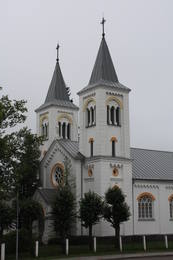 |
Lettland
Die römisch-katholische Mater Dolorosa Kirche in RezekneDer Bau des Gotteshauses im neoromantischen Stil fand von 1936 – 1939 nach einem Entwurf des Architekten Pawlow statt, sie wurde bereits vor Beendigung der Bauarbeiten 1937 eingeweiht. Es ist der Gottesmutter der Schmerzen (Mater dolorosa) gewidmet, dieser Thematik ist auch der Hauptaltar geweiht. In dem Gebäude befinden sich Heiligenbilder aus dem Anfang des 20. Jh., im Garten beim Eingang steht eine Statue der Gottesmutter von Fatima. 240
Leistungen
240km - Entfernung von der Hauptstadt |
|
|
Estland
Kirche ValjalaDie älteste Steinkirche Estlands (Anfang der Bau in 1227). Der einzigartige Taufstein im Baltikum aus dem 13. Jh. 193
Leistungen
193km - Entfernung von der Hauptstadt |
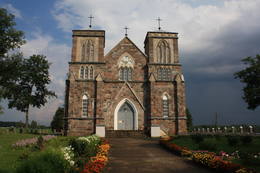 |
Lettland
Juzefovas (Juzepovas) Sveta Petera un Pavila Romas katolu baznicaAtrodas skaistā vietā – Elernes loka ziemeļdaļā, Daugavas senielejas malā. Mūsdienās redzamais dievnams celts no tēstiem laukakmeņiem iepriekšējo vietā laikā no 1934. - 1961. gadam. Pēc baznīcas uzcelšanas padomju vara tajā izvietoja klubu, tādēļ draudze baznīcu atguva tikai 1989. gadā. Šīs vietas agrākais nosaukums – Naujene (Novene) ir lietuviešu cilmes. Savukārt, Juzefovas vārds cēlies no vietējā muižnieka Juzefa (Jezupa) Šadurska. 235
Leistungen
235km - Entfernung von der Hauptstadt |
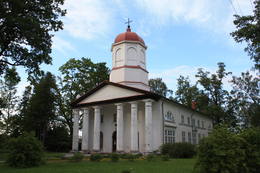 |
Lettland
Drustu luteranu baznicaMūsdienās redzamo (pēc skaita – trešo) baznīcu cēla laikā no 1835. - 1837. g. (ampīra stilā) Mārča Sāruma vadībā. Arī šīs ēkas projektēšanā par paraugu bija ņemts Pievolgas vācu baznīcu veidols, tādēļ tā līdzīga Dzērbenes luterāņu baznīcai. Dievnama altāri rotā Otto Donnera fon Rihtera glezna “Kristus debesbraukšana” (1898. g.). E. Martina firmā būvētās 10 reģistru ērģeles (1901. g.) darbojās arī šodien. Pie Drustu baznīcas atrodas 1932. g. atklātais un formās iespaidīgais (E. Kuraua firmas veidots) granīta piemineklis 1. pasaules karā un Latvijas Brīvības cīņās kritušo piemiņai. Nelielā baznīcas sienas nišā novietota piemiņas plāksne komunisma terora upuriem. 121
Leistungen
121km - Entfernung von der Hauptstadt |
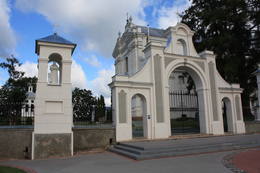 |
Lettland
Römisch- katholische Kirche St. Ludwig in KraslavaDas beindruckende Denkmal des lettgalischen Barocks. Gebaut in der Periode von 1755 bis 1767 nach dem Projekt des italienischen Architekten A. Parako. Eine Kapelle mit der Reliquie vom St. Donatus, dem Beschützer von Krāslava. 264
Leistungen
264km - Entfernung von der Hauptstadt |
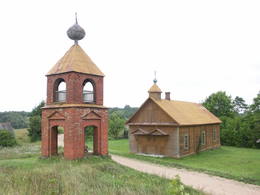 |
Lettland
The Old Believer prayer house in BliznevaOne of the most unusual houses of worship in the national park, this one has a red brick tower, and together with local residential buildings it makes up an interesting cultural landscape. The prayer house is not open to the public. 282
Leistungen
282km - Entfernung von der Hauptstadt |
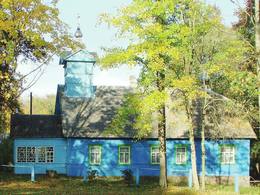 |
Lettland
Stikani Old-Believers Prayer HouseŠtikāni Old-Believers Prayer House. The construction works of the church were held in 40s of the 20
th century on the site of the previous church built by brothers Rogozini. You should see Gospel (the protected
art object).
|
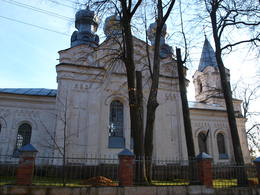 |
Lettland
Orthodoxe Kirche St. Nikolaus von PiedrujaBefindet sich am höchsten mit Bäumen bewachsenen Ufer des Flusses Marki hinter der Grenzkontrollstelle von Piedruja. Zur Kirche führt eine Straße aus Pflastersteinen, die wahrscheinlich die einheimischen Bauer am Anfang des 20. Jahrhunderts gelegt haben. Es war eine Pflicht, ein Stein mitzunehmen, wenn man zum Gottesdienst geht. Dieser Stein wurde später für den Straßenbelag verwendet. Diese Kirche mit sechs Kuppeln ist eine der schönsten im heutigen Bezirk Krāslava. Die Kirche ist von 1883 bis 1885 an der Stelle der alten Holzkirche gemäß den architektonischen Formen der altrussischen Stadt Wladimir und bisantischen architektonischen Formen (17. Jahrhundert) gebaut worden. Es gibt Informationen, dass die Größe der Gemeinde ehemals sogar eine Tausend Gemeindemitglieder erreichte. 289
1-12
Leistungen
289km - Entfernung von der Hauptstadt
1-12 Aktive Saisonmonate |