
| Nr | Name | Beschreibung |
|---|---|---|
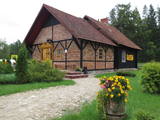 |
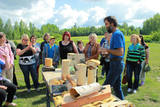
Das Café befindet sich im 115. Kilometer der Straße von Vidzeme (A2). Hier kann man am Backprozess des Brotes teilnehmen, das jedes Wochenende organisiert wird. Lettische Innenausstattung. Produkte von lokalen Bauern und Heimarbeitern. Lettische Küche: Hähnchenleber-Salat, Lammfleischsuppe, Suppe mit Fleischbällchen, kalte Suppe, gebratener Wels, geschmortes Schweinefleisch, Kartoffelpfannkuchen, Pfannkuchen mit Marmelade, Quarkfladen, geschichtetes Roggenbrot-Dessert. Das besondere Gericht: Selbstgebackenes Roggenbrot. |
|
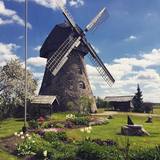 |
Diese Windmühle befindet sich an einem schönen Ort auf der höchsten Erhebung der Umgebung. Sie ist eine der seltenen holländischen Windmühlen in Lettland (1852), die noch funktionsfähig ist. Hier kann man den Mahlprozess ausprobieren. Jedes Jahr wird am letzten Juliwochenende der Tag von Jacob – Festtag des Brotes aus den neuen Roggen – gefeiert. Lettische Küche: Mittagessen des Müllers: Grütze aus Gerstenmehl mit Fleischsoße, dünne Pfannkuchen, Kefir, Kräutertees. |
|
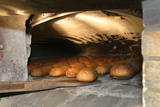 |
In dem Backprozess des Brotes von Lāči, das nicht nur in Lettland, sondern auch über die Grenze berühmt ist, werden seit langer Zeit gepflegte Meisterkenntnisse und Meisterfertigkeiten angewendet. Hier kann man Führungen bestellen, einen Brotlaib formen und backen, eine Mahlzeit in einem netten Wirtshaus zu sich nehmen und Produkte kaufen. Das aus Roggenmehl gebackene Brot ist eines der Identitätssymbole Lettlands. Lettische Küche: Cremige Steinpilzsuppe, verschiedene heiße Töpfe, Brotsuppe, Dessert des Bäckers. |
|
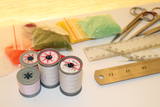 |
Radošajā mājā Latvietes pūrs var apgūt praktiskās iemaņas rokdarbu veidos, kas nepieciesami latviešu tautas tērpu darināšanai – baltie un krāsainie darbi, zīļu vainagu darināšana, adīšana, tamborēšana, tilla izšuvumi, pīto un austo jostu darināšana u.c. Saimniece pati pārzina dažādus rokdarbu veidus un to tehnikas, nepieciešamības gadījumā tiek pieaicināti sava aroda meistari. Ir zināšanas par latviešu tautas tērpa novadu īpatnībām, saimniece labi zina tautas tērpu attīstības vēsturi un pielietojumu
|
|
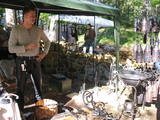 |
The workshop offers a look at lanterns, candelabras, hinges, fireplace tools, stair railings and gates that have been manufactured there, as well as several exhibits from the 18th century. You can produce your own nail, and the blacksmith will also “test” young couples. He also accepts orders for products. |
|
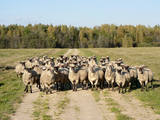 |
Auf den umliegenden Feldern der Wirtschaft, die in dem Dienerhaus des ehemaligen Landgutes von Ķempēni haust, weiden mehr als 200 Lettische Schwarzköpfige Schafe (diese Rasse wurde in Lettland in den 1920er bis 1930er Jahren gezüchtet). Hier kann man Fleisch, Wolle und Felle kaufen, sowie an einer Führung mit Verkostung teilnehmen. |
|
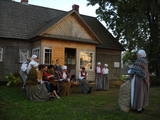 |
Latgalisko tradīciju un prasmju māja “Ambeļu skreine” ir latgalisko vērtību glabātāja un popularizētāja. Interesentiem tiek piedāvātas interaktīvas aktivitātes latgaliešu kultūras garā, dažādas meistarklases. “Ambeļu skreinē” tiek svinēti gadskārtu svētki un izkoptas dažādas amatu prasmes. Te notiek danču vakari, dziedāšana, zīlēšana, tiek cepta maizīte, siets siers un tiek veidotas tautas lietišķās mākslas izstādes. No mājas paveras brīnišķīgs skats uz Višķu ezeru un Latgales krāšņajām dabas ainavām. |
|
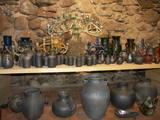 |
Besucher können eine Töpferwerkstatt kennenlernen, dem Meister bei seiner Arbeit zuschauen, versuchen selbst etwas zu formen, Tonprodukte, unter anderem auch Gartendekors aus Keramik, erwerben und einen schönen Garten bewundern. |
|
 |
Tāšu meistars Jurijs Ivanovs ar lielu centību un degsmi pēc seniem paraugiem cenšas atjaunot labākās Zilupes novada tāšu apstrādes tradīcijas. Top novadam raksturīgi autentiski tāšu trauki ķiploku, putraimu, saldumu, sāls uzglabāšanai, paliktnīši kafijas krūzei vai pannai. Īsts meistarstiķis ir darbarīku rokturu izgatavošana. Darbnīcā varēsiet izgatavot tāšu glezniņu, tāšu tauri, uzrakstīt īpašu vēstuli kādam ļoti mīļam cilvēkam. |
|
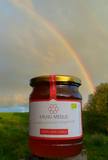 |
Möglicherweise die am höchsten gelegene Imkerei im Baltikum, ca. 300 m über Meeresspiegel. Die Bio-Bienenprodukte werden auf dem Berg Gaiziņkalns und in der Umgebung geerntet. Es werden eine Führung durch den Bauernhof, Imkerei-Workshops und eine Verkostung der Bienenprodukte angeboten. |
|
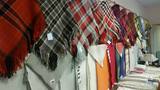 |
SIA "Limbažu Tīne" ir vilnas pārstrādes uzņēmums ar senām mājas tekstila tradīcijām, kas dibināts jau 1914. gadā. Šobrīd uzņēmumā tiek ražota vilnas dzija, austi augstvērtīgi vilnas un linu audumi, segas, parklāji, pledi, galdauti, dvieļi, lakati un citi tekstilizstrādājumi. Limbažu Tīne ražo etnogrāfiskos audumos pēc autentiskajām Baltijas reģiona kultūrvēsturiskā mantojuma paraugiem. |
|
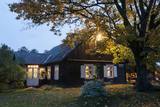 |
Stūrīši is a homestead owned by the Taisel family, offering a collection and a chance to taste Liv foods: fish soup, porridge, sprat sandwiches, pastries, etc. |
|
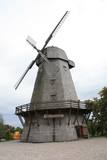 |
Die Windmühle ist von 1867 bis 1869 im holländischen Stil gebaut worden. Der Namen erwarb die Windmühle nach dem Familienname des ersten Besitzers – Riba. Die Windmühle ist eins der besser erhaltenen Architekturdenkmäler dieser Typs in Lettland. Auf der Windmühle ist die dauerhafte Exposition “Der Weg vom Getreide” errichtet, die über landwirtschaftliche Entwicklung in Semgallen, die Traditionen der Getreidezucht und des Brotbackens erzählt. Es werden Exkursionen mit Guidebegleitung angeboten. Die Windmühle gehört zum Erholungskomplex (Hotel, Restaurant, Mühle) „Rožmalas”. |
|
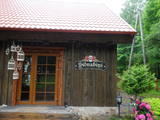 |
Die Gaststätte wurde in einem alten Blockhaus in Nähe der Liepupe-Kirche errichtet. Im ehemaligen alten Stall neben der Gaststätte werden nach Rezepten der Vorfahren Fleisch- und Wurstwaren hergestellt, die man im Fleisch- und Wurstladen Sidrabiņi kaufen kann. Es werden Führungen und Verkostungen angeboten. |
|
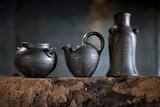 |
Der Töpfer Stanislavs Vilums widmet sich der traditionellen Schwarzkeramik und verwendet dazu Ton aus Lettgallen. Dabei verwendet er keine industriellen Werkzeuge und der Brandofen wird mit Holz geheizt. Die Arbeit mit der Töpferscheibe wird demonstriert und der Brennprozess erläutert. Man kann versuchen, selbst mit Ton zu arbeiten. Die Töpferwaren stehen auch zum Verkauf. |
|
 |
Spieķu darbnīca Siguldā aicina izdzīvot spieķa izgatavošanas procesu, kam ir vairāk kā 200 gadu sena vēsture. Darbnīcā ir iespējams pašiem apgleznot savu spieķīti, vai iededzināt rakstu zīmes un vārdus. Spieķīši ir atpazīstamākais un senākais Siguldas simbols, kas attīstījies līdz ar kņaza Kropotkina ierīkotajām senlejas takām, kļūstot par gājēja neatņemamu ceļabiedru. |
|
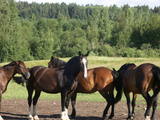 |
Auf dem Hof Untumi werden eine Pferdeherde gehalten und gezüchtet, sowie Pferde gekauft, die den Anforderungen der historisch gezüchteten lettischen Pferderasse entsprechen. Hier kann man in einem Pferch oder in der Umgebung des Hofes unter der Leitung eines Instrukteurs Reitfertigkeiten erlernen. Im Sommer kann man hier mit einem Pferdewagen, aber im Winter – mit einem Pferdeschlitten fahren. Die Pferde werden zu Hochzeiten und anderen Veranstaltungen verwendet. |
|
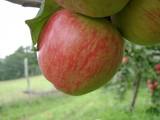 |
Der Hof befindet sich an einem sehr schönen Ort am Westhang der Hügel um Talsi, von wo aus sich die Sicht nach Talsi und Umgebung eröffnet. Hier werden Äpfel angebaut und verarbeitet (getrocknet, Apfelchips, Saft). Auf die Gäste wartet eine Führung, bei der man die Produkte verkosten und erwerben kann. Der Hof befindet sich in einem besonders geschützten Gebiet, im Naturschutzpark Hügelland von Talsi. Im Sommer kann man hier auch mit Zelt campen. Die Besucher können zusehen, wie der Baumschnitt erfolgt. Aus den Gärten der Höfe in diesem Hügelland wurde eine Vielzahl an Apfelsorten gesammelt, woraus die Hausherrin die Kollektion einheimischer Äpfel erstellt und weiter vervollkommnet. Am Hof gibt es eine Schautafel, die mit dem NSG bekanntmacht. |
|
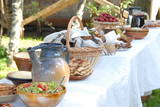 |
This facility is in the historical village of Pape in Southern Kurzeme. Accommodations are available in an historical granary with a roof made of reeds. It is appropriate for inhabitation during the late spring, the summer and the early fall. There are three bedrooms, a small front room and a kitchen, with two floors in all. The building will fit eight people. This is an ideal location for creative camps, plenary sessions, master workshops and other activities. There are tenting areas for as many as 80 people. The Mikjāņi farm observes local traditions and offers traditional foods such as “herring on coals,” white butter with boiled potatoes, fish soup, etc., for visitors who apply for a meal in advance. This offer is only available to groups which register in advance. |
|
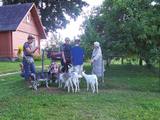 |
Latgale Farmstead „Mežmalas”. The owners of the farmstead created an interesting collection of the old
household items, tools and equipment of the 19th and 20th century. The visitors are offered to try plainting of
the scale basket. Sale of baskets and herbal tea. Enjoy walking along the energetic path through the pine forest.
Working hours: on request |
|


