
| Нo | Название | Описание |
|---|---|---|
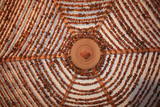 |
Здесь можно наблюдать за работой разных ремесленников (обработка янтаря, ювелиры, ткачи, портные и др.) и приобрести работы мастеров. Представлены самые длинные в мире янтарные бусы (123 м, 19 кг!), которые сделаны из подаренного жителями города кусочков янтаря. Дети могут принять участие в творческих мастерских. |
|
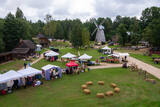 |
Во дворе и в хозяйственных зданиях выставлена характерная для деревни Латвии коллекция предметов быта, орудий труда, используемых в сельском хозяйстве машин и механизмов. Посетители могут принять участие в приготовлении пирожков с салом и хлеба, которые пекут в настоящей сельской печи, а также в сопровождении хозяина отправиться в познавательную экскурсию. Праздников посева и Праздников жатвы экспонаты – паровую машину, молотилку – можно увидеть в действии. К праздникам приурочены ярмарки сельской продукции, дегустации. |
|
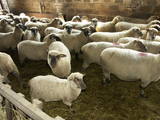 |
На полях крестьянсого хозяйства пасется более чем полторы сотни овец. Построена станция для кормления баранов, организуются аукционы животных и Дни овец. Хозяин проводит экскурсии, предлагает приобрести племенных овец и продукцию овцеводства. |
|
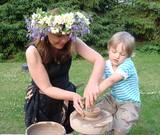 |
Умелица из глины, каменной массы и других материалов делает посуду и всевозможные предметы интерьера, обжигая их в печи с открытым огнем. Посетители могут отправиться в познавательную экскурсию, понаблюдать за работой ремесленницы и сами попробовать выточить кружечкус. Приглашает на открытие печи. |
|
 |
Wooden slat weaving workshop is located in Jelgava county, Sesava parish. Craftswoman is making different type of wooden slat baskets and basketry from pine, linden, aspen and black alder. There are several different categories of baskets, available in different sizes - picknick baskets, baskets for berry and mushroom picking, trays, baskets for firewood, laundry baskets, onion / garlic baskets, baskets for kids, and diverse baskets for daily use. Various inscriptions and drawings are also made on the weavings. They also accept orders for individual orders. In the workshop it is possible to see the wooden slat basket weaving process as well as have the opportunity to learn to make your own basket. |
|
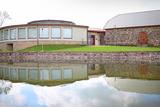 |
Модный и современный центр (в объединении со старым – отреставрированным амбаром) с выставочным залом, исторической экспозицией, местом для торговли изделиями ремесленничества и конференцзалом. Здесь работают ремесленники края, за которыми можно понаблюдать за работой и поработать вместе с ними. |
|
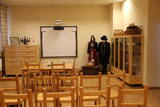 |
В хранилище наследия суйтов вам предложат осмотреть постоянную выставку суйтских народных костюмов, дадут объяснение национального костюма и дадут возможность его примерить. Общество предлагает уютное место для встреч и современно оборудованное место для семинаров, различных видов обучения. |
|
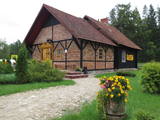 |
Кафе «Кукабурра». Находится на 115 км Видземского шоссе (A2). Предлагают принять участие в процессе выпечки ржаного хлеба, который проходит в конце каждой недели. Латышский интерьер, продукты от надомников и крестьян. Можно посетить музей хлеба. Латышская кухня: Салат из куриной печени, суп из баранины, суп с фрикадельками, холодный суп, жареный сом, тушенная свинина, картофельные блины, блины с варением, сырники, слойка из черного хлеба. Особое блюдо: Испеченный самими ржаной хлеб. |
|
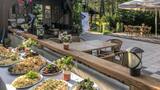 |
Хозяйка гостиницы "Роя" приглашает на пир! Для улучшения самочувствия здесь гостей встречают музыкой и «Дзимтените», затем – уха на костре, застольные песни и танцы. Наблюдение за процессом копчения рыбы и потчевание, пиво и березовый сок. Рассказ жен рыбаков о скландрауши (дижрауши) и процессе их приготовления, а также короткий экскурс в профессию рыбака. Покушать можно в ресторане «Отра пусе». Латышская кухня: Свежая рыба «Утренний улов», луковый суп в латышском вкусе, букстиньш, кровяная колбаса, копченая рыба, картофельные блины, десерт из ржаного хлеба, пиво, «Дзимтените», травяной чай, березовый сок, яблочный сидр. Особое блюдо: «Сделано в Рое» – рыбное ассорти из продукции края, «Скумбрия в Bokzālēs», «Творожная башенка в соусе из свежей клубники».
|
|
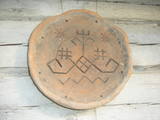 |
В уникальной местности Латвии Вайдавас плетут стулья, представлена коллекция инструментов, связанных с традициями плетения, фотографии (с конца 18 века - до середины 20 в.). Керамист Ириса Вайновска рассказывает о гончарном искусстве мастеров и предлагает декоративные тарелки, интересные дудочки для ветра и сувениры. |
|
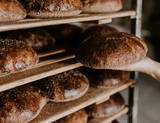 |
Общество с ограниченной ответственностью SIA N. Bomja maiznīca Lielezers – это предприятие одного владельца, Нормунда Бомиса (Normunds Bomis), основанное в 1991 году, которое находится в 3 км от Лимбажи. В этой пекарне пекут подслащенный ржаной хлеб, мучная опара для которого сутки созревает в осиновых бадейках и заквашивается дрожжами. Подслащенный ржаной хлеб занесен в Схему качества продуктов питания ЕС как изделие с гарантированными традиционными свойствами. Руководят выпечкой хлеба опытные мастера-пекари Ласма Боме (Lāsma Bome) и Валтерс Канопа (Valters Kanopa). |
|
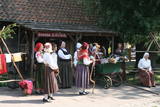 |
2003.gada decembrī folkloras kopa „Atštaukas” izveidoja folkloras centru „Namīns”, kurā svin svētkus, organizē Jāņu ielīgošanu, Lieldienu iešūpošanu, Miķeļdienas tirgu, Annas dienas Saimnieču svētkus, tautiskos Ziemassvētkus. „Atštaukas” palīdz saglabāt un popularizēt dažādus latviešu tautas godību rituālus, gan kāzu, gan arī bēru tradīcijas. Folkloras centrā „Namīns” darbojas arī skola, kurā bērniem tiek mācīta folklora un tautas tradīcijas. |
|
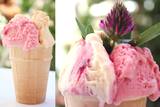 |
Семейное предприятие (основано в 2006 году) из выращенных плодов и ягод выпускает домашнее мороженое. Производят как классическое - пломбир, сливочное, йогуртовое мороженое и сорбеты, так и чудеса современной кухни – мороженое с килькой, синим сыром, хреном и картофелем с томатным соусом. Разработано 80 всевозможных рецептов мороженого. По предварительной договоренности можно заказать экскурсию и узнать о приготовлении мороженого от самих поваров. В кафе можно отведать блюда из мороженого, причём каждое включает добавку с другим мороженым. В кафе с радостью встречают и четвероногих друзей! Особое блюдо: Мороженое из хрена с селедкой. |
|
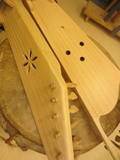 |
Один из немногих латвийских мастеров кокле, который сам делает инструменты и помогает их делать другим, проводя мастер-классы. Он делает также другие латышские традиционные музыкальные инструменты, рассказывает о них, демонстрирует, консультирует, коллекционирует и собирает исторические сведения. Мастер работает в Драбешском доме Ремесел, где любой желающий может обучиться традиционным ремеслам – тканию, обработке кожи, гончарному ремеслу, фильцеванию, изготовлению музыкальных инструментов. |
|
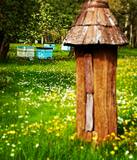 |
Красивый сельский двор с экологической философией управления и ~ 300 пчелиных семей. Для посетителей построен магазинчик и дегустационный зал. Покупка меда разных цветов, цветочной пыльцы, прополиса, пчелиного хлеба, восковых свечей и сувениров. Дегустация продуктов пчеловодства (в т.ч. медового вина) и экскурсия. |
|
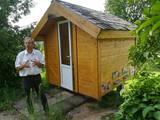 |
"Piebalga medus" is located in Vecpiebalga region, turning off the highway Cēsis – Vecpiebalga – Madona (P30). Beekeeping, apitherapy and narration "About and around bees". Tasting and purchase of beekeeping products. A candlestick workshop is available for visitors. Especially with the fact that the apiary only with Latvian hives. |
|
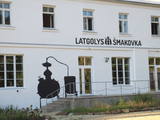 |
Завод шмаковки Малнавской усадьбы (1827) предлагает посетителям экскурсию, дегустацию, закуски. Осмотр усадьбы, парка, бункеров Гитлера, туристическая информация о достопримечательностях Латгалии. |
|
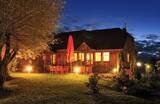 |
Корчма на шоссе Рагана – Лимбажи, недалеко от Игатского замка. Построен на фундаменте мельницы господской усадьбы, сохранив при этом колесо мельницы. Сотрудничают с местными крестьянам. Латышская кухня: Суп из боровиков, ячменная каша с мясом, ячменные лепешки, кровяная колбаса с брусничным соусом, тонкие блины с повидло, картофельные блины, жареная камбала или судак, слойка из черного хлеба. Особое блюдо: Кролик в маринаде и фаршированное филе индейки. |
|
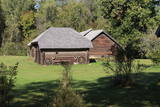 |
A unique farmyard that includes a full set of buildings typical of this area. The farmstead buildings reflect at least 300-400 years of Latvian nation-building development. In the area it is possible to stay in a dwelling house (2 rooms, two people each) and in the tents. Picnic places available. It is also possible to organize different events and activities. |
|
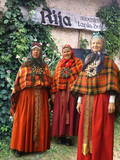 |
В старой риге Алсунгской усадьбы находится сувенирная лавка, где можно приобрести сделанные в суйтском крае сувениры и полезные в хозяйстве вещи: платки, перчатки, носки, посуду, травяные чаи и др. Суйты – это небольшая католическая община в лютеранском Курземе. Их традиции коренятся в культуре латышей, ливов, поляков и немцев, когда-то живших здесь. Суйты отличаются яркими народными костюмами, выразительной манерой общения, своеобразным этнографическим пением с тянущимся звуком ”ē” и, конечно же, остроумной манерой исполнения песен. Культурное пространство суйтов включено в список нематериального культурного наследия ЮНЕСКО. |
|


