
| Нo | Название | Описание |
|---|---|---|
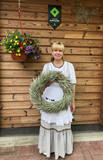 |
Находится в 0,3 км к югу от дворца господской усадьбы Малнавас. Хозяйка готовит сытные латгальские блюда, предлагает дары села. Гостям показывают, как готовят торты и пекут пироги. Хлеб «Дзилю» - это узнаваемый символ Карсавы. Организуют бранчус – поздний завтрак в выходные и базарчики местных надомников и ремесленников. Латышская кухня: Латгальское сало, перловая каша с гарниром, фаршированный картофель салом и луком, тушеные овощи с мясом, ягодный хлеб, чай с медом. Особое блюдо: Самоиспеченный хлеб «Дзилю», в тесто которого вмешивают отруби, изюм, клюквенное варенье и льняные семечки. |
|
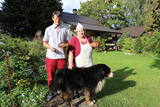 |
В доме «Берзини» выпекают чудесный на вкус пшеничный и ржаной хлеб по старинным родовым рецептам. Вкус и аромат хлебу придает особая печь, которой более 70 лет. Хлеб можно заказать, или, договорившись заранее, сделать и испечь самому свою буханку. |
|
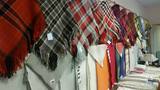 |
SIA "Limbažu Tīne" ir vilnas pārstrādes uzņēmums ar senām mājas tekstila tradīcijām, kas dibināts jau 1914. gadā. Šobrīd uzņēmumā tiek ražota vilnas dzija, austi augstvērtīgi vilnas un linu audumi, segas, parklāji, pledi, galdauti, dvieļi, lakati un citi tekstilizstrādājumi. Limbažu Tīne ražo etnogrāfiskos audumos pēc autentiskajām Baltijas reģiona kultūrvēsturiskā mantojuma paraugiem. |
|
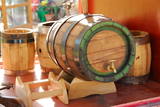 |
Ремесленник делает бочки, горячие бадейки, мебель, лестницы, двери и другие полезные в быту предметы. Проводит экскурсию, делится навыками своего ремесла и опытом, а также предлагает совместно сделать любую из полезных в хозяйстве вещей. Посетители могут наблюдать процесс изготовления бочки от начала до готового продукта, а также опробовать старинные орудия труда. |
|
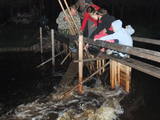 |
Для разных по численности групп предлагается выход в море на рыбацкой лодке и наблюдение за ходом прибрежной рыбной ловли. Сделанный на Светупе закол для миног отличается от заколов на Салаце по принципам строения и ловли. Во время сезона коптят и готовят вкусную миногу. |
|
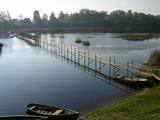 |
Одно из редких мест в мире, где по-прежнему в промышленном масштабе ловят миногу, используя старинный метод, которому более 150 лет – закол, т.е. через реку построены мостки с мережами. На Салаце таких три. В сопровождении местного рыбака можно увидеть процесс рыбной ловли, отведать и на месте приобрести жареную миногу. |
|
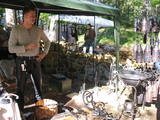 |
В мастерской кузнеца выставлены работы - фонари, подсвечники, петли, приспособления для камина, перила для лестницы, ворота, а также экспонаты 18 века. Посетители могут сами выковать гвоздь. «Проверки» молодых пар у кузнеца. Принимаются заказы. |
|
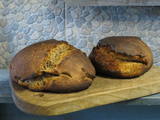 |
Хозяйка в напольной дровяной печи печет настоящий латышский деревенский ржаной хлеб. Тесто готовит из ржаной или пшеничной муки с добавлением соли, сахара, тмина и на натуральной закваске. Посетители могут наблюдать и принять участие в процессе выпечки хлеба, попробовать и купить хлеб, а также осмотреть музей. Все в хозяйстве выращивают сами в духе, дружественном к окружающей среде! |
|
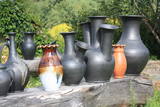 |
Обаятельный гончар приглашает в гости, предлагает экскурсию, демонстрацию навыков, участие посетителей в процессе производства керамических изделий, а также приглашает интересующихся на открытие печи. Приобретение гончарных изделий. |
|
 |
Выращивание и переработка чеснока, магазинчик деревенских продуктов. Рассказ о пользе чеснока для здоровья и о способах его применения в кулинарии. Предлагаются различные чесночные приправы, чаи, маринованные продукты, закуски, дегустация блюд с чесноком. Для детей ‒ рисование с помощью чеснока на ткани, игры с чесночной тематикой. |
|
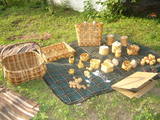 |
Одни из редко встречающихся берестоплетельщиков в Латвии предлагают осмотреть мастерскую, увидеть изготовленные из бересты предметы и делятся опытом. Каждый интересующийся при помощи мастеров может изготовить из бересты простые предметы, которые подойдут в качестве замечательных сувениров. |
|
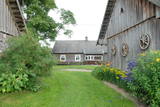 |
Одно из редчайших мест, где представлен к публичному осмотру характерный для исторического края Селия двор со всей своей планировкой и типичными постройками. «Гулбьи» находятся относительно далеко от крупных дорог и населенных пунктов - на острове Дронка, недалеко от начала древней долины Двиете. Хозяева «Гулбьи» собрали богатую коллекцию старинных хозяйственных и предметов быта. Прибывшие сюда могут ознакомиться с хозяйством, коллекцией лечебных растений, отведать еды селов или посетить баню по-черному. Можно сказать, что в «Гулбьи» люди живут в натуральном хозяйстве, соблюдая и поддерживая традиции исторического края. Латышская кухня: Тонкие блины, суп из перловой крупы, картофельный суп-пюре, тушеная фасоль в особом соусе, буберт, хлебный суп с взбитыми сливками, торты, травяные чаи. Особое блюдо: Цеппелины. |
|
 |
Atrodas netālu no Biksēres muižas, blakus muižas parkam. Ozolkalna klēts saimniece Līga Kuba aušanas prasmes pirms pāris gadiem apguvusi Sarkaņu amatu skolā. Šeit radusies iecere par privātas aušanas darbnīcas izveidi, kas arī īstenota. Saimniece savas aušanas prasmes nodod jebkuram interesentam. Apmeklētāji var iegādāties šeit darinātos suvenīrus. |
|
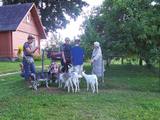 |
Усадьба „Межмала”. Хозяева усадьбы собрали интересную
коллекцию старинных предметов быта и труда 19 – 20 веков.
У посетителей есть возможность самим испытать чудо плетения
корзин из лучины. Приобретение корзин, травяных чаев.
Энергетическая тропа леса.
Время работы: по договоренности |
|
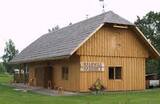 |
В мастерской плотника предлагают особые экскурсии и мероприятия для взрослых и детей, разработаны тематические программы. Под руководством мастеров можно опробовать в работе традиционные деревообрабатывающие инструменты и освоить старинные игры, в заключение угоститься чаем, придающим силы, и устроить пикник в романтическом Доме костра. Можно купить деревянные сувениры и сделать заказы. |
|
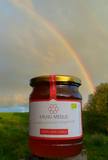 |
Пчелиный пасека "Калну медус" находится на Видземской возвышенности, и в летний сезон можно отправиться на экскурсию по пасеке, продегустировать продукты пчеловодства, а также отправиться в тур по сбору чайных трав. |
|
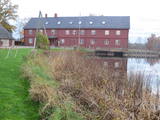 |
Сохранилось в рабочем состоянии выпущенное в XIX веке на латвийском машинном заводе «Шуберт Рудзитис & т-щи» чесальное и прядильное оборудование, произведенная в Германии уникальная прядильная машина и мельница с жерновыми поставами. На представленном 100-летнем старинном устройстве по переработке шерсти изготавливаются одеяла и подушки, наполненные набивкой из овечьей шерсти (ручная работа), и сувениры, которые можно заказать и купить. Предлагаются экскурсии, пекут хлеб. Латышская кухня: Маринованная салака с овощами, букстиньпутра, картофельное пюре по-Видземски (с жаренным луком), блинчики с вареньем из латвийских ягод и меда, хлеб собственного приготовления. Особое блюдо: Крендели из заварного теста и хозяйский суп из шести видов рыбы. |
|


