Contact information
Saistītie objekti
| Photo | Name | Description |
|---|---|---|
 |
The owner offers cheeses and smoked meats. Tourist groups and individuals are welcome, and the farm’s products can also be purchased in Rīga. |
|
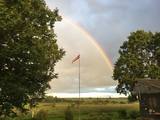 |
This farm is run by a young family which left the hurly-burly of
|
|
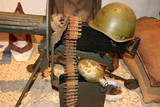 |
Found at Daugavpils Street 40 in Aglona, this is one of the largest private collections of military exhibits related to World War II in
|
|
 |
In the 1930s, the grandfather of the current owner of Juri farm, Juris Lubāns, built a house in Latgale, in what is now Preiļi Municipality, and began developing the farm. In the 1990s, the current owners, Juris and Lidija, returned to Juri and took over the farm. Traditional farming alone was not enough to make a living, so the couple learned the art of cheesemaking. Their cheese quickly became popular among family and neighbours, and over time they built up a loyal customer base. Cheeses
How the Cheese Is Made For Visitors Where to Buy the Cheese |
|
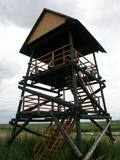 |
The tower is on the western shore of the lake, next to the dam and the Zvidze canal. From here you will see the overgrowth north-western part of the lake, Akmeņsala Island, and a wide area of open water. The third is on the southern shore of the lake, by the dam and the Īdeņa canal. Here you will find typical views of wetlands – areas of reeds, shrubbery, wet meadows and the overgrown lake. |
|
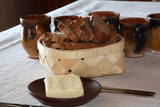 |
This is an authentic Lettigalian farm which dates back to the early 20th century. It features a house, granary, cattle shed, sauna and smithy. Folklore groups perform here. You can celebrate the Summer Solstice, attend a St Michael’s Day market and learn ancient craftsmanship skills. Lettigalian foods are served to groups. |
|
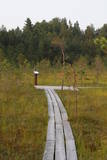 |
The small Andrupene swamp is found to the North of the Andrupene Farm Museum in a deep area between hillocks. It is a high-type swamp with an open central part, and it is 130 m long and 120 m wide. There are stands of white alder alongside the swamp. In 2009, the administrators of the Rāzna National Park restored a wooden educational pathway that had been established originally by the Andrupene Elementary School. Today there are stairs, a viewing platform, wooden pathways, and information stands. |
|
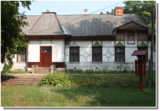 |
Zosna (Veczosna) Manor. The building is surrounded by a small park near the bank of Lake Rāzna.
There are 39 different species of trees and bushes. It was built in 1870 by the order of duke Goļicins. It is
one of the rare truss buildings in Latgale.
|
|
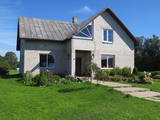 |
The creativity of this farm woman is seen in the preparation of various country goodies – cheese, baked cheese sticks, etc. The farm is biologically certified and uses its own produce. Tastings and purchases are offered, as are tours for groups of 10 people or more. |
|
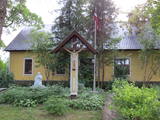 |
Antons Rancans produces wooden busts of well known people from politics, the arts and other fields of endeavour, and these can be purchased. Visitors can also commission decorative objects that are produced from wood. The artist also produces crucifixes. Gundega Rancāne is a landscape painter who is renowned for her masterful use of light and shadow. Her works are available for purchase.
|
|
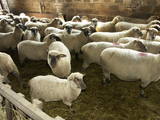 |
The farm has vast meadows along the banks of the Aiviekste River, with some 400 head of blackhead sheep – the largest herd of its type in Latvia. You can tour the far and purchase pedigree sheep, meat, wool, pelts and vegetables. |
|
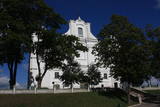 |
The first wooden Catholic church in Dagda was built in 1705, while the church that is seen today was built in the Baroque style during the latter half of the 18th century, the work financed by a local nobleman. Important interior elements include the altar, the pulpit, the organ, a monument to the Hilsen dynasty, etc. To the North of the church is historical Dagda itself, with typical red brick buildings from the early 20th century that are known as the former homes of Jewish merchants.
|
|
 |
The “Upenite” country house is located on the southern shore of Lake Ciritis. This farm nurtures Lettigalian traditions, serves Lettigalian foods, produces dairy products (including cheeses), grows local plants (which you can purchase), and offers a chance to visit a proper Lettigalian black sauna. The owners themselves will serve as the sauna masters. Master’s classes in the baking of tortes are offered. |
|
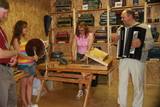 |
Here you will find a vast collection of antique instruments. You’ll learn about their history and about how they were manufactured. You can play music or commission or purchase homemade instruments. If you contact the venue in advance, the Igaunis family will organise a concert performance for you. |
|
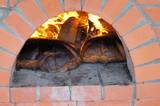 |
В хозяйстве по старинным бабушкиным рецептам, на листьях клена пекут душистый «Кисло-сладкий кузнечный» и Кузнечный ржаной» хлеб, хрустящую корочку которого смазывают льняным маслом. Предлагается поучаствовать в процессе выпечки хлеба, дегустация и приобретение. |
|
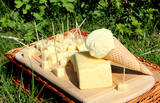 |
Кафе на летней террасе, которое находится на пляже пруда Прейльского парка, предлагает 100% натуральное домашнее мороженое с ягодами. На месте пекут свежие блины «Пампукас». Кафе работает только во время сезона со Дня матери (8-е мая) до Дня отца (11-е сентября). Для туристических групп предлагаются экскурсии и дегустация мороженого с сыром. |
|
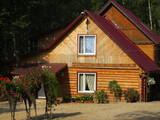 |
Занимается скотоводством, плодоводством, овощеводством, производством и переработкой молока и мяса. Поделятся умением вязания и варки (на костре) сыра, выпечки хлеба по рецептам предков и предлагает проведение свадьбы в латгальском духе. Латышская кухня: Ржаной хлеб, 14 сортов всевозможных сыров, крестьянский суп, домашнее пиво с демонстрацией его приготовления. Особое блюдо: Гульбешники с грибным соусом. |
|
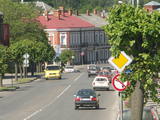 |
«Сердце Латгалии», где в XIV - XII вв. поднялся укрепленный латгальский замок. На месте латгальского замка в 1285 году Ливонский орден приступил к строительству каменного замка. После крушения Ливонии (Резекне вошел в составе Польши) город находился в запущении. Экономическая жизнь в Резекне возобновилась во второй половине XVIII столетия. Со строительством шоссе Санкт-Петербург – Варшава (1836 г.) и железнодорожной ветки Санкт-Петербург – Варшава (1861 г.) Резекне становится пунктом назначения отдыхающих из Санкт-Петербурга. В годы Второй мировой войны существенно пострадала большая часть построек города. Современный город – это важный экономический и культурный центр Латгалии. |
|
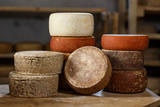 |
Биологическое хозяйство по разведению коз и производству сыра. Сыр различного вида из козьего и коровьего молока. В хозяйстве насчитывается около 100 дойных коз. Хозяева – Рута и Стефан принимают посетителей (разговаривают на латышском, немецком и английском языках). Сыр можно приобрести на месте, на Калнциемском базарчике в Риге и в других местах Латвии. Продукция ‒ сыры из козьего и коровьего молока. Предлагаются экскурсии на ферму и сыроварню, дегустация продукции. |
|
 |
Кафе «Папардес зиедс»
*Object Inactive*

|
Предагает услуги питания как индивидуальным посетителям, так и группам. По предварительному заказу предлагаются дары латгальских озер – фаршированная щука, блюда из раков, угря. Участник Латгальского кулинарного наследия. Владелица Мария Алексеева является членом клуба сыроделов Латвии. |
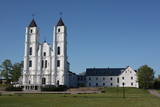 |
Центр католицизма Латвии исвятое место мирового значения. Первые упоминания о базилике относятся к 1699 г., когда орден доминиканцев основал монастырь, а год спустя возводится первая деревянная церковь. С 1768 по 1800 гг. строится наблюдаемая сегодня каменная церковь Святого Доменика и здания костела. Построенный в стиле барокко храм выделяется двумя 60-метровыми башнями. Кафедра, проспект органа, орган, исповедальня и скамьи работы XVIII века, боковые алтари – начала XIX века. В центральном алтаре находится икона «Аглонская Чудотворная Богоматерь» (XVII в.), обладающая целебными свойствами, поэтому она открывается только во время проведения важных мероприятий. Перед визитом в Латвию Папы Римского Иоанна Павла II (1993 г.) были проведены существенные работы по перестройке и реставрации комплекса. 15 августа в Аглону стекаются паломники, чтобы отметить праздник Вознесения Святой Девы Марии. |
|
 |
Andrupenes dabas takā var iepazīt sūnas, pārliecināties par sfagnu lielo ūdens uzsūkšanas spēju, gar laipas malām ieraudzīt apaļlapu raseni un purva dzērveni, apskatīt spilves, vaivariņus un purva vārnkāju, kā arī purva pasauli. Takas garums ~ 750m.
|
|
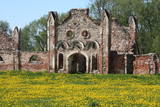 |
Строительство дворца господской усадьбы (родовая собственность графов Борхов) началось в начале XIX века, а закончилось шестью десятилетиями позже. В советское время во дворце размещались разные учреждения, а в 1978 г. возник пожар, в результате которого пострадала верхняя часть здания.Дворец не восстановлен и подлежит осмотру только снаружи.Усадьбу опоясывает один из самых выдающихся ландшафтных парков Латвии (середина XIX века). Комплекс господской усадьбы желательно осматривать в сопровождении Ирены Кяркуж, которая во время экскурсии рассказывает интересные предания и поет на латгальском языке! |
|
 |
Делает всевозможные глиняные изделия - подсвечники, посуду, свистульки, которые можно купить в мастерской, а также принимает заказы. Каждый сам может поработать с глиной, а свою работу взять с собой. |
|
 |
Крестьянское хозяйство "Атаугас"
*Object Inactive*

|
В хозяйстве выращивается малина и клубника, ягоды и саженцы которых можно собрать и купить. Экскурсия по хозяйству, консультации. Группам (не менее 10 человек) предлагается принять участие в выпечке хлеба (деревенский кисло-сладкий и др.), где каждый может замесить тесто, вылепить буханку, взбить масло и попробовать на вкус свой хлеб. |
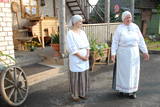 |
Музей хлеба, пекарня и гостевой дом, расположенные всего в 0,6 км от Аглонской базилики. Посетители могут проследить путь хлеба от зернышка до буханки, которую каждый может сделать сам. Предлагается дегустация хлеба (и травяные чаи) с театрализованным представлением на крестины, свадьбу, юбилей и др. На стол ставятся клёцки, крапивники, суп из сушеных грибов или уха из речной рыбы. В музее можно приобрести свежеиспеченный хлеб и работы местных ремесленников. Латышская кухня: Суп из озерной рыбы, клёцки и крапавники. Особое блюдо: Суп из сушеных грибов. |