
| Nr | Name | Beschreibung |
|---|---|---|
 |
Ainavisks, ap 340 m garš un līdz 15 m augsts atsegums, kas atrodas nepilnu kilometru lejpus Raunas ietekas Gaujā, kreisajā pamatkrastā. To veido sarkandzeltenīgi Gaujas svītas smilšakmeņi. Gar Kazu ieža austrumu daļas pakāji izkaisīiti vairāki lieli laukakmeņi, kas ērti iekārtojušies uz smilšakmeņos izskalotas pamatnes. |
|
 |
In der Geschmackstube kann man die leckersten Gerichte der Bierkneipe Pihtla, traditionelles Saaremaa-Hausbier, Saare-Käse, Fresko-Eiscreme, Apfellimonade und andere lokale Produkte genießen. |
|
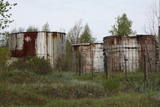 |
Die Transportabteilung der Raketen von Karaosta wird zur Zeit nicht genutzt. Die Abteilung ist relativ eingezäunt, teilweise geschlossenes Territorium.
|
|
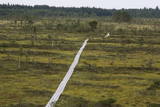 |
The tower is in the western part of the Vasenieki swamp, and an interesting nature trail with information stands and pathways was recently established there. The tower offers a look at unique swampland – visitors can survey the entire swamp. Wear proper footwear when it is damp outside!
|
|
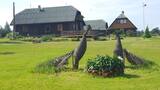 |
Unterkunft in einem Landhaus für bis zu 40 Personen (mit Zustellbetten). Sauna- und Badehausservice, Partyraum, Erholung im Freien - Schwimmen in Teichen, Angeln, Sport- und Erholungsgebiete. Die Gastgeber bieten an, getrockneten Fisch oder Fischsuppe zu probieren, auch von Ihrem eigenen Fang. Es gibt 17 Fischteiche zum Angeln. In "Paradises" ist es auch möglich, Feiern unter freiem Himmel zu organisieren und die Nacht in Zelten zu verbringen. |
|
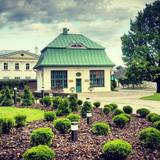 |
Befindet sich in Alūksnē, Pils Straße 25 a. In einem am Anfang des 20. Jahrhunderts errichteten Gebäude des Handelspavillons wurde 1990 das Bibelmuseum von Ernst Glück errichtet, das die einzige Einrichtung dieser Art in Lettland und Baltikum ist. Das Museum ist dem Pfarrer und Aufklärer Ernst Glück (1652 – 1705) – dem ersten Bibelübersetzer ins Lettische gewidmet. Im Museum kann man sich mit den verschiedenen Bibelausgaben von 1694 bis heutzutage auf 38 Weltsprachen, den Ausgaben der Predigten und anderer christlicher Literatur bekannt machen. |
|
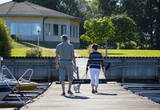 |
Das Hotel liegt in der Nähe des Meeres in einer ruhigen Umgebung, nur einen kurzen Spaziergang vom Zentrum von Ekenäs in Raseborg entfernt. In der Nähe finden Sie Restaurants, Geschäfte, den Bahnhof und die Strände. |
|
|
|
Der Turm befindet sich im Gutspark Kiiu. Wurde im ersten Viertel des 16. Jh. errichtet und diente als einen „Schutzraum” für Grundbesitzer. Geöffnet für Besucher und bietet den berühmten estnischen Likör „Kiiu torn” an. |
|
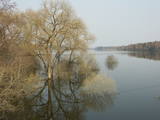 |
Es ist ein einzigartiges Naturgebiet und kulturgeschichtliches Gebiet zwischen Kaldabruņa, Bebrene und Dviete. Durch das Urstromtal fließt der kleine Fluss Dviete, der die Seen Skuķu ezers und Dvietes ezers und die Wiesen der Flussniederung durchquert. Während der Hochwasserzeit arbeiten diese Wasserbecken als Reservoir für die Gewässer des Flusses Daugava, weil sie umfangreiche Hochwassermassen schnell aufnehmen und später langsam zurückgeben können. Wenn es im Frühling sehr viel Wasser gibt, dann ähneln die hier sichtbaren Landschaften keiner anderen in Lettland. Diese Besonderheit der Wasserstandschwankungen ist der Grund, warum dieser Ort für Pflanzen und für Vögel während der Migrations- und Nistzeit von Bedeutung ist. Zum Schutz des Gebietes ist der Naturpark der Flussniederung von Dviete eingerichtet worden. Es ist interessant, dass die höheren Stellen, die während des Hochwassers nicht überschwemmt werden, Inseln genannt werden. Im Urstromtal von Dviete sind 15 eventuelle alte Siedlungen (aus der Steinzeit, Bronzezeit und Eisenzeit) gefunden und viele Zufallsfunde mit verschiedenen Gegenständen ausgegraben worden. Man hat allen Grund zu glauben, dass dieser Ort einer der ältesten und bedeutendsten Wohnorte auf dem heutigen Gebiet von Südlettland ist. |
|
 |
Die Idee des Zentrums besteht in der Stärkung der Gesundheit durch reine Lebensmittel. Deshalb wird hier geschmackvolle Feinkost aus leicht verarbeiteten, vitaminreichen Lebensmitteln angeboten. Hauptsächlich werden die im Garten des Zentrums und in den benachbarten Betrieben angebauten frischen Produkte verwendet. Speziell entwickelte Kuren bestehen aus leckeren Gemüsesuppen und Eintöpfen sowie verschiedenen Breien. Die Heilkuren sehen nicht nur bestimmtes Essen, sondern auch Prozeduren und Übungen vor. Sie müssen deshalb im Voraus bestellt werden. |
|
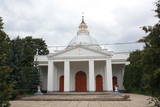 |
Atrodas Rīgas ielā 39. Dievnams celts 1848. – 1849. g. klasicisma stilā (arhitekts A. Štauberts), bet laikā no 1924. – 1934. g. pārbūvēts (A. Vizuļa projekts). Dievnama izskatu salīdzina ar Svētā Pētera katedrāles veidolu Vatikānā. Blakus baznīcai atrodas Rīgas ielas gājējiem domātā daļa. |
|
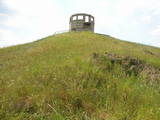 |
In gewisser Hinsicht einzigartiges mehr als 24 400 Hektar großes Territorium nutzte die sowjetische Armee als Militärversuchsfeld des Kriegsluftfahrtes mit den Übungszielen. Die Geschichte des Militärversuchsfeldes beginnt mit dem Jahr 1951. Damit das Territorium für solches Ziel geiegnet würde, wurden vier hier Kolchosen aufgelöst, viele Wege gesperrt, mehrere Hunderte Bauernhöfe und Einzelhöfe soltten umsiedeln. Die Bewegung der Zivilpersonen wurde nur im Jahr 1993 teilweise erneuert, nachdem mehrere neue Wege aufgebaut worden sind. Wenn man eine allumfassende Ansicht auf die Waldkomplexe des ehemaligen Militärversuchsfeldes sehen will, sollte man auf das künstlich gebildeten Hügel sogennaten „Hünengrab der Offiziere” hinaufsteigen. Von diesem Hügel koordinierten die Kommandeure die Truppenübungen der Armee. Es empfiehlt sich nicht auf die „unwegsame Wanderungen“ zu gehen!
|
|
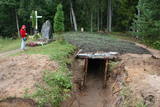 |
Im Oktober 1948 haben die gegen die sowjetische Macht gestimmten nationalen Partisanen in Wälder von Īle einen 9 x 6 m großen Bunker gebaut. Das Ziel war der Kampf gegen die existierende Ordnung und Ideologie. Fünf Monate später die Komitee der Staatssicherheitsdienst ging zum Angriff gegen diesen Bunker vor. Nach fünf Stunden langen Kampf sind 15 Partisanen ums Leben gekommen und 9 Partisanen wurden gefangengenommen.
|
|
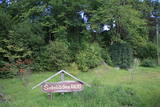 |
Atrodas ~ 1,5 km ziemeļos no Krāslavas centra, Jāņupītes krastā (ir norāde). Pēc atsevišķiem savrupatradumiem var spriest, ka pilskalns apdzīvots laikā no I g. t. pr. Kristus līdz vēlajam dzelzs laikmetam. Domājams, ka savu nosaukumu tas ieguvis šeit sastopamo mālu dēļ. Nelielas mālu ieguves vietas pilskalna nogāzēs ir redzamas arī šodien. Saglabājies nostāsts, ka grāfs Plāters šeit apraudājis savu sievu, kuru pats neuzticības dēļ licis iemūrēt pazemē. |
|
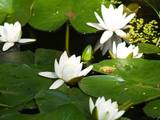 |
Lēdurgas dendroparks ir viens no bagātākajiem parkiem Latvijā. Parkā var iepazīt vairāk kā 1000 koku un krūmu sugas, pasugas un varietātes. Gadu gaitā Lēdurgas dendroparks kļuvis par dabas un kultūrvēsturisku aizsargājamu objektu. Piedāvājumā - skuju un lapu koki, dekoratīvie un ogu krūmi, vīteņaugi, ziemcietes, tējas augi u.c. |
|
 |
Ein ruhiger Ort bei der Natur, wo man sich herrlich erholen kann. Das Essen wird aus lokalen Produkten von Hiiumaa auf Wunsch der Gäste zubereitet. Darüber hinaus kann man eine authentische Sauna mit Holzofen und ein Bad im Bottich genießen. Es gibt einen Kinderspielplatz. |
|
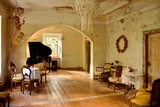 |
Iespējams apskatīt Kroņvircavas muižas kompleksu, kas bija pēdējā Kurzemes un Zemgales hercoga Pētera Bīrona lauku īpašums ar pili. To pēc hercoga pasūtījuma 1776. - 1785. gadā būvēja galma arhitekts Severīns Jensens. No hercoga pils līdz mūsdienām saglabājies vienīgi ziemeļaustrumu korpuss un virtuve kā atsevišķa ēka. Vispilnīgāk no muižas kompleksa ēkām saglabājušās Kavalieru māja, Pārvaldnieka māja, kurā tagad vietu radis projekts “Muižas istabas”, klēts-magazīna, stallis. Kroņvircavas muižas apbūve ir Valsts aizsardzības objekts. Pili ieskāva liels baroka stila parks ar ūdens parteru, kas kā muižas dārzs sākts ierīkot 1693. gadā. Šobrīd “Muižas istabās” saimnieko ģimene, kas vēlas saglabāt autentiskās mājas vērtības, iedzīvināt džezu uz “Muižas istabu” improvizētās skatuves, izstādīt mākslinieku darbus un svinēt svētkus. Aicinām apmeklēt vēsturiskā un kultūras mantojuma interesentus dzīvās mūzikas pavadījumā atklāt Vircavas bagāto vēsturi, ģimenes piedzīvojumus ar 250 gadīgo namu un sajust īpašo atmosfēru, ko novērtējuši daudzi mūsu apmeklētāji. |
|
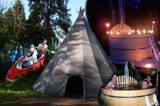 |
Wanderzentrum von Lahemaa beschäftigt sich mit Popularisierung von Naturschutz und Natururlaub – wir pflantzen Bäume, bauen und stellen Nistkatsen auf. Unseren Gästen bieten wir Kanuwanderungen, Moorwanderungen und Abenteuer auf Geländebogen- und Geländearmbrustpfad im Nationalpark Lahemaa an. Für gemütliches Relaxen gibt es einen Kaminraum und Sauna mit Badefass. |
|
 |
An organic farm where it is possible to read and taste strawberries directly from the field during the season. There are also real wild strawberries. Sea buckthorn is also grown, can be read and tasted in September. Small-scale processing (juices, syrups, frozen products, jams) - home producer status. |
|
 |
Das Wirtshaus befindet sich am Rande der Straße Cesis – Valmiera. Es ist ein Blockhaus im lettischen Stil. Gemüse und Früchte werden von den lokalen Bauern gekauft. Lettische Küche: Dünne Pfannkuchen, Kartoffelpfannkuchen, kalte Suppe, Waldpilzsuppe, Ampfersuppe nach dem Geschmack der Großmutter, Graupengrütze, graue Erbsen, gebratene Strömlinge, Kabeljaufilet, im Bier von Brenguļi geschmortes Rindfleisch, geschmortes Kaninchen, geschichtetes Roggenbrot-Dessert. Das besondere Gericht: "Glendeloka". |
|


