
| Нo | Название | Описание |
|---|---|---|
 |
Находится на 67 км шоссе Рига – Лиепая (A9). Любимое место путешественников для обеда. Латышская кухня: Щавелевый суп, маринованная селедка с творогом, «Деревенская трапеза» (картофель, яйцо, копчено мясо, маринованный огурец), свиные котлеты, бефстроганов по-курземски, тушеная кислая капуста с охотничьими колбасками, ячменная каша с мясом, крем из черного хлеба, хлебный суп с взбитыми сливкам. |
|
 |
Ainavisks, ap 340 m garš un līdz 15 m augsts atsegums, kas atrodas nepilnu kilometru lejpus Raunas ietekas Gaujā, kreisajā pamatkrastā. To veido sarkandzeltenīgi Gaujas svītas smilšakmeņi. Gar Kazu ieža austrumu daļas pakāji izkaisīiti vairāki lieli laukakmeņi, kas ērti iekārtojušies uz smilšakmeņos izskalotas pamatnes. |
|
 |
В «Комнате вкусов» Вы сможете попробовать лучшее, что предлагает пивная кухня Pihtla ‒ традиционное сааремское домашнее пиво, сыр Saare, мороженое Fresko, яблочный лимонад и другие местные продукты. |
|
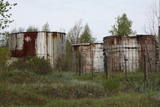 |
В настоящее время территория ракетной транспортной части военного порта не используется, относительно огорожена и частично закрыта.
|
|
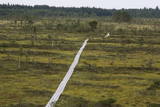 |
The tower is in the western part of the Vasenieki swamp, and an interesting nature trail with information stands and pathways was recently established there. The tower offers a look at unique swampland – visitors can survey the entire swamp. Wear proper footwear when it is damp outside!
|
|
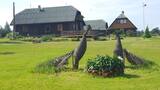 |
Размещение в загородном доме до 40 человек (с дополнительными местами). Услуги сауны и бани, банкетный зал, отдых на природе - купание в прудах, рыбалка, спортивные и оздоровительные площадки. Хозяева предлагают отведать вяленую рыбу или уху, в том числе из собственного улова. Для ловли рыбы имеется 17 прудов. В "Paradīzes" также можно организовать торжества на свежем воздухе, а также переночевать в палатках. |
|
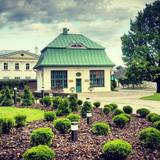 |
Музей посвящен священнику и просветителю Э. Глюку (1652 – 1705) – первому переводчику Библии на латышский язык. Единственный музей в Латвии и Балтии, в котором хранится первое издание библии переведенной на латышский язык. В экспозиции можно ознакомиться с различными изданиями Библии на 38-и языках с 1694-го года до наших дней, проповедей и другой христианской литературой. Cоздан в 1990-м году. Находится в здании торгового павильона, построенного в начале 20-го века. |
|
 |
Отель расположен недалеко от моря в тихом месте, всего в нескольких минутах ходьбы от центра Экенеса в Расеборге. Рядом находятся рестораны, магазины, железнодорожный вокзал и пляжи. |
|
|
|
Der Turm befindet sich im Gutspark Kiiu. Wurde im ersten Viertel des 16. Jh. errichtet und diente als einen „Schutzraum” für Grundbesitzer. Geöffnet für Besucher und bietet den berühmten estnischen Likör „Kiiu torn” an. |
|
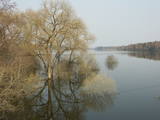 |
Уникальная природная и культурно-историческая территория между Калдабруни - Бебрене и Двиете. По древней долине бежит маленькая речушка Двиете, протекающая через озера Скукю и Двиете и прилегающие к древней долине пойменные луга. Во время наводнения она ведет себя как своего рода «накопитель» вод Даугавы, быстро принимает большую массу вод половодья, а позднее медленно их отдает. Водянистыми веснами отсюда открываются такие виды, которые не увидишь нигде в Латвии. Особенности колебания уровня вод древней долины являются причиной тому, почему это место жизни растений и обитания птиц является таким важным как во время миграции, так и во время гнездования. В целях охраны территории создан природный парк поймы Двиете.Интересно, что места, находящиеся на возвышенности, которые во время половодья не подтопляются, называются островами. В древней долине Двиете обнаружено 15 возможных поселений древних людей (каменный, бронзовый, железный век) и много всевозможных старинных предметов – отдельные находки. Есть основание полагать, что это - одно из древнейших и важнейших мест поселения людей в южной части тогдашней Латвии. |
|
 |
Идея центра ‒ укреплять здоровье, питаясь чистыми продуктами, поэтому здесь предлагается насладиться вкусом лишь слегка обработанных и богатых витаминами продуктов. По большей части здесь используют свежие продукты, выращенные в саду при Центре и в окрестных хозяйствах. Специально разработанные курсы питания включают вкусные овощные супы и разнообразные рагу, а также различные каши. Лечебные курсы предполагают не только определенное питание, но и процедуры, и тренировки, которые нужно заказывать заранее. |
|
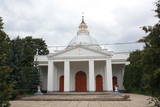 |
Atrodas Rīgas ielā 39. Dievnams celts 1848. – 1849. g. klasicisma stilā (arhitekts A. Štauberts), bet laikā no 1924. – 1934. g. pārbūvēts (A. Vizuļa projekts). Dievnama izskatu salīdzina ar Svētā Pētera katedrāles veidolu Vatikānā. Blakus baznīcai atrodas Rīgas ielas gājējiem domātā daļa. |
|
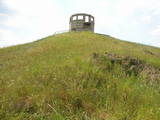 |
В известной мере уникальную, более 24 400 га территорию Советская армия использовала как полигон с учебными мишенями для военной авиации. История полигона началась с 1951 г., когда для использования территории в этих целях отсюда были ликвидированы четыре колхоза, закрыты дороги, перенесены несколько сотен крестьянских хозяйств и хуторов. Движение гражданских лиц на полигоне в Зварде частично восстановили только в 1993 году, когда было построено несколько новых дорог. Если хочется охватить всеобъемлющим взглядом и лесные массивы бывшего полигона, следует взобраться на «Курган офицеров» - искусственно созданный высокий холм, с которого армейские маневры координировались командирами. Не рекомендуется отправляться в походы по бездорожью!
|
|
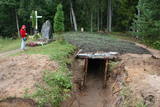 |
В октябре 1948 года настроенные против советской власти партизаны построили в Ильских лесах бункер, величиной 9 х 6 метров, для борьбы с существующим порядком и идеологией. Пятью месяцами позже Комитет государственный безопасности окружил упомянутый бункер, и в результате пятичасовой борьбы 15 партизан погибло, а 9 были взяты в плен. В память об этом историческом событии Ильский бункер был восстановлен, и сейчас свободно доступен для каждого интересующегося.
|
|
 |
Atrodas ~ 1,5 km ziemeļos no Krāslavas centra, Jāņupītes krastā (ir norāde). Pēc atsevišķiem savrupatradumiem var spriest, ka pilskalns apdzīvots laikā no I g. t. pr. Kristus līdz vēlajam dzelzs laikmetam. Domājams, ka savu nosaukumu tas ieguvis šeit sastopamo mālu dēļ. Nelielas mālu ieguves vietas pilskalna nogāzēs ir redzamas arī šodien. Saglabājies nostāsts, ka grāfs Plāters šeit apraudājis savu sievu, kuru pats neuzticības dēļ licis iemūrēt pazemē. |
|
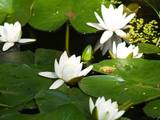 |
Lēdurgas dendroparks ir viens no bagātākajiem parkiem Latvijā. Parkā var iepazīt vairāk kā 1000 koku un krūmu sugas, pasugas un varietātes. Gadu gaitā Lēdurgas dendroparks kļuvis par dabas un kultūrvēsturisku aizsargājamu objektu. Piedāvājumā - skuju un lapu koki, dekoratīvie un ogu krūmi, vīteņaugi, ziemcietes, tējas augi u.c. |
|
 |
Спокойное место на лоне природы, где можно отлично отдохнуть. Из доступных в окрестностях Хийумаа продуктов здесь готовят различные блюда, следуя пожеланиям гостей. Кроме того, здесь можно насладиться аутентичной сауной с дровяным отоплением, искупаться в бочке, а для детей оборудована игровая площадка. |
|
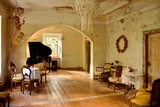 |
Iespējams apskatīt Kroņvircavas muižas kompleksu, kas bija pēdējā Kurzemes un Zemgales hercoga Pētera Bīrona lauku īpašums ar pili. To pēc hercoga pasūtījuma 1776. - 1785. gadā būvēja galma arhitekts Severīns Jensens. No hercoga pils līdz mūsdienām saglabājies vienīgi ziemeļaustrumu korpuss un virtuve kā atsevišķa ēka. Vispilnīgāk no muižas kompleksa ēkām saglabājušās Kavalieru māja, Pārvaldnieka māja, kurā tagad vietu radis projekts “Muižas istabas”, klēts-magazīna, stallis. Kroņvircavas muižas apbūve ir Valsts aizsardzības objekts. Pili ieskāva liels baroka stila parks ar ūdens parteru, kas kā muižas dārzs sākts ierīkot 1693. gadā. Šobrīd “Muižas istabās” saimnieko ģimene, kas vēlas saglabāt autentiskās mājas vērtības, iedzīvināt džezu uz “Muižas istabu” improvizētās skatuves, izstādīt mākslinieku darbus un svinēt svētkus. Aicinām apmeklēt vēsturiskā un kultūras mantojuma interesentus dzīvās mūzikas pavadījumā atklāt Vircavas bagāto vēsturi, ģimenes piedzīvojumus ar 250 gadīgo namu un sajust īpašo atmosfēru, ko novērtējuši daudzi mūsu apmeklētāji. |
|
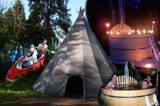 |
Целью туристического центра Лахемаа является пропаганда природосберегающего образа жизни и умения жить в природе-сажаются деревья и развешиваются домики для птиц. Для интересующихся - походы на каноэ по Лахемааскому национальному парку, походы по болоту и стрельбу из лука и арбалета. Приятно провести время можно в каминном зале и сауне с гидромассажной ванной. |
|
 |
An organic farm where it is possible to read and taste strawberries directly from the field during the season. There are also real wild strawberries. Sea buckthorn is also grown, can be read and tasted in September. Small-scale processing (juices, syrups, frozen products, jams) - home producer status. |
|


