

Contact information
Related objects
| Photo | Name | Description |
|---|---|---|
 |
The Rakši leisure venue offers a look at one and two-hump camels, llamas, alpacas and guanacos. Pancakes made of healthy camel milk can be tasted, you can ride llamas or camels, and there are other forms of active recreation, as well. |
|
 |
The farm produces hemp from which it produces hemp butter, roughly ground seeds, as well as hemp oil. The granary, which is 101 years old, features antique instruments once used to process hemp fibres. Visitors can taste and purchase delicious products and take an exciting tour which speaks to the history of hemp farming. Latvian cuisine: Rough and fine hemp spread, hemp sandwiches, pressed and toasted hemp crumbs, hemp oil.
|
|
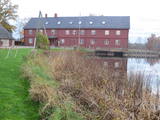 |
The watermill processes wool with equipment that is 100 years old and is used to produce handmade blankets and pillows that are stuffed with sheep wool, as well as souvenirs that can be commissioned and purchased. The watermill offers tours and fresh-baked bread. A wool pulling and wrapping machine that dates back to the 19th century and was manufactured at the Šūberts Rudītis & Co company in the 19th century is still used, as are a unique weaving apparatus from Germany and a grain mill.
Latvian cuisine: Marinated herring with vegetables, porridge, mashed potatoes a la Vidzeme (with fried onions), pancakes with jam made of Latvian berries and honey, homemade bread.
Special foods: Water pretzels and local soup with six types of fish.
|
|
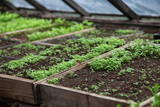 |
The farm grows some 25 types of plants and prepares products from approximately 50 types of plants. Visitors will learn about the use of medicinal plants not just in teas, but also in oils, extracts, tinctures, syrups, etc. These can be used for everyday nutrition. Products can be tasted and bought, and you can help out with the farm’s operations. There is also livestock to view. |
|
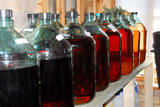 |
This location produces alcoholic beverages, including vodka called “Red Cliff Water”, other vodkas, and liqueurs made of cranberries, lingonberries, blackberries, mountain-ash, sea buckthorn, as well as a special “Christmas balsam.” Tours are available with interesting stories about how the beverages are produced. |
|
 |
Bakery DONAS
*Object Inactive*

|
Bread at Donas is baked according to ancient traditions. The dough is scalded in a trough, kneaded by hand and then lovingly shaped into loaves that are baked in a real wood stove on maple leaves. You can prepare your own loaf and take it home with you. Nothing is tastier than a warm slice of bread with milk and honey. You will also enjoy other Latvian country treats such as dried meat patties and sausages made of grits. There are also 17 different types of cheeses. Latvian cuisine: Grit porridge, sauerkraut, country steak haché, 21 kinds of cheeses, milk, honey, herbal teas, country bread. Special foods: Donas sourdough bread. |
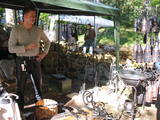 |
The workshop offers a look at lanterns, candelabras, hinges, fireplace tools, stair railings and gates that have been manufactured there, as well as several exhibits from the 18th century. You can produce your own nail, and the blacksmith will also “test” young couples. He also accepts orders for products. |
|
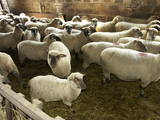 |
The farm breeds more than 150 sheep. There is a location to feed lambs, and the owners organise animal auctions and “Sheep Days” events. You can take a tour of the farm and purchase pedigreed sheep and sheep-related products. |
|
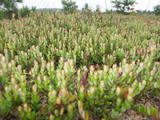 |
Large cranberries were first grown in the Laugas Swamp in Latvia in 1992. Today there are six types of cranberries that were originated in Latvia. Among them is a hybrid between large American cranberries and Latvian cowberries, and it is known as the noble cranberry. You can attend lectures, receive consultations, tour the swamp, and purchase cranberries, cranberry products, as well as purchase turf that is needed to grow your own cranberries. |
|
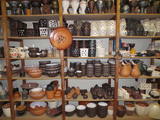 |
This old brickmaking kiln is used to prepare clay that is used by many ceramics artists. The owners also produce handmade household and design objects. Tours are available with attractive stories and creative workshops. Individual orders are also accepted. |
|
 |
Tourists can learn about the history of the estate and the brewing of beer, beginning with raw materials and ending with finished products. The visit is enriched by tastings of live beer and stories about Latvia’s traditional holiday beverage. Alongside the brewery is a store which sells live beer, homemade goodies and selected souvenirs. The “Valmiermuižas alus virtuve” saloon popularises Latvian beers and uses beer in various dishes. A modern approach to homemade products is used to prepare foods and beer-based snacks. There is a beer garden during the summer, and the saloon merges traditional things with modern ones. Latvian cuisine: Smoked pork, filet of pike from Lake Burtnieks, green pea mash, with loganberries, quince, pumpkin birch juice and mushroom sauce as accompaniments. Special foods: Slice of pork marinated in unfiltered winter beer. |
|
 |
The Muiznieki farm
*Object Inactive*

|
This is one of the largest farms in Latvia at which pedigreed goats are bred (more than 100 animals), and it also has state-of-the-art milking and milk storage technologies. You can go on a tour, encounter the animals, and taste and purchase goat cheese. |
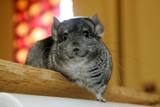 |
The owner of the farm offers attractive tours during which you will learn about chinchillas, animal enclosures, as well as quails which you can view and purchase. |
|
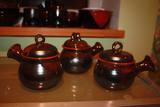 |
The craftswoman is prepared to offer practical activities which allow you to learn about clay, use a potter’s wheel, and release your inner creative abilities. After the firing of the products in a kiln, you will be able to take them along as a fine souvenir which confirms our newly discovered skills. The craftswoman also grows herbs and teas which you can sample. |
|
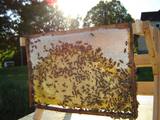 |
Die Pflanzenbau – und Bienenzuchtwirtschaft befindet sich am Ufer des Flusses Amata. In der Wirtschaft werden Nektarpflanzen wie Fazelien, Weißer und Gelber Honigklee angebaut und 150 Bienenvölker gepflegt. Verkostung und Erwerb der Produktion, Bestellungen, Beratung, Organisation von Seminaren. Der einzigartige Buchweizen-Kleehonig, Anfertigung von Wachskerzen- und Figuren.
|


