
| Нo | Название | Описание |
|---|---|---|
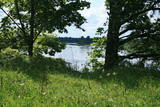 |
Важное место для истории Латвии, так как в 12 - 13 веке здесь находился административный и духовный центр древней Латгальской земли – Ерсика. Замок правителя Ерсики Висвалдиса возвышался на крутом берегу Даугавы высотой 18 метров. Площадку городища (100 × 75 м) окружал вал и деревянная защитная стена. Внутрь можно было попасть через охраняемые ворота, за которыми располагались жилые и хозяйственные постройки и даже небольшая церковь. В городище проводились археологические раскопки, во время которых были обнаружены остатки срубов, а также многие другие артефакты 10 - 13 века, свидетельствующие об активных торговых отношениях, в том числе с Древней Русью. В 1209 году войско епископа Альберта обманом заняло замок и древний город Ерсика. Семью правителя Висвалдиса берут в плен, поэтому латгальский король вынужден стать вассалом епископа. Территория городища находится в частной собственности, поэтому его посещение необходимо согласовать с собственником. |
|
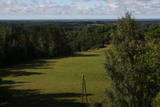 |
This is the highest church tower in Latvia, and from it you can see views of the Alūksne highlands. The view to the South is particularly impressive.
|
|
 3 дня
|
Это один из 6 маршрутов путешествий в серии «Насладитесь деревней!», который приглашает Примерное время прохождения маршрута: четыре – пять дней, в зависимости от количества выбранных достопримечательностей и времени, отведенного для их осмотра. |
|
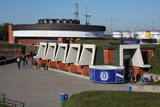 |
Das Museum befindet sich in der Festung von Kopgalis. Im Aquarium des Museums sind Fische und Tiere der Ostsee und anderer Meere und Ozeane zu sehen. Eine Ausstellung. Pinguine und Seehunde. In den Pulverkellern der Festung ist eine Ausstellung der Seefhrt Litauens, aber auf den Bollwerken eine Ausstellung der Gewehr eingerichtet. Das einzige Delfinarium im Baltikum. |
|
 |
Atrodas 0,9 km no Jaunpiebalgas muižas pils, Jaunpiebalgas centra virzienā. Redzot šo ēku, nav jāpārliecina, ka tā ir viena no garākajām Vidzemē. Tik gara, ka grūti pat „iedabūt kadrā”. |
|
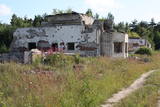 |
В Григальциемсе частично сохранился комплекс из нескольких зданий, о бывшем применении которых недостаточно информации. Здания снесены и использованы под строительные материалы.
|
|
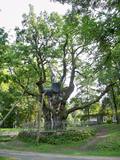 |
Парк усадьбы Стелмуже, что находится к югу от озера Стелмуже, был заложен в середине XVIII в. На холме здесь стоит костёл Креста Господня, к которому со всех сторон стекаются извилистые дорожки. Среди растительности преобладают липы, клены, дубы, вязы, березы, ели, ясени, сосны. У подножия холма можно найти Колодец счастья, прогуляться по дубовой аллее. Деревня Стелмуже также славится своим огромным дубом. Это самый старый и самый толстый дуб в Литве и одно из самых древних деревьев во всей Европе. Его возраст предположительно составляет 1500–2000 лет, в диаметре он достигает рекордных 3,5 м (чтобы обхватить его ствол, потребуется 8–9 человек), а его высота составляет 23 м. |
|
 |
Lauku mājā "Celmiņi" iespējams dzirdēt farmaceites Valentīnas Dāboliņas stāstus par veselību stiprinošiem ārstniecības augiem. Tiek piedāvāta augu atpazīšana un tēju vākšana, kā arī tēju degustācija un iegāde. |
|
 |
Piemājas saimniecība nodarbojas ar augļkopību un biškopību! |
|
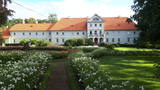 |
В поместье Попеc одним из старейших зданий комплекса является старый замок или охотничий замок, построенный в 1653 году и расположенный за прудом с укрепленными берегами. В нем сохранилась деревянная лестница, ведущая на второй этаж. Господский дом был построен в 1608 или 1620 году. Позже было пристроено кухонное здание, которое с господским домом соединяет дом для прислуги. В конце 17-го века, дом хоть и перестроен, однако все еще является одноэтажным зданием. На рубеже веков здание было вновь перестроено, в результате чего оно превратилось в шикарный замок с 78 стеклянными окнами, что в то время было большой роскошью. В 1840 году было добавлено неоготическое крыльцо. В господском доме сохранилась отделка интерьера 18-го – конца 19-го века - деревянные панели, кассетный деревянный потолок, пластичная отделка потолока, входная дверь в стиле классицизма, печь в стиле рококо. К сожалению, в 2018 году в результате пожара было разрушено одно из старейших зданий – дом управляющего поместьем, однако, в целом, усадебный комплекс не пострадал и не утратил своей красоты. Здесь посетителей радует большой и ароматный сад флоксов в передней части усадьбы и впечатляющие вековые дубы. Стоит прогуляться по склону за главным зданием особняка - неподалеку проходила узкоколейная железная дорога (станция Попе). После ледникового периода, когда здесь плескалось Балтийское озеро, возвышенность Попе, на котором находится комплекс усадьбы, какое-то время была островом. Другие усадебные дома расположены на довольно большом расстоянии, поэтому стоит запланировать несколько часов и осмотреть все село Попе. |
|
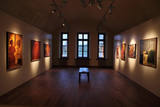 |
Даугавпилсский Центр Исскуств Марка Ротко - многофункциональный художественный комплекс,центр образования и культуры, расположенный на территории Даугавпилсской крепости,в здании Арсенала. Единственное место в Восточной Европе, где будет предоставлена возможность увидеть оригиналы работ Марка Ротко, художника с мировой известностью,одного из основоположников абстрактного экспрессионизма. Даугавпилсский Центр Исскуств Марка Ротко предложит посмотреть постоянные экспозиции: оригиналы и репродукции работ Марка Ротко, дигитальную экспозицию о жизни и творчестве художника, видеозал, культурно-исторические экспозиции, экспозиции с выставками работ художников Латвии, Европы и других стран мира. |
|
 | ||
 |
Das größte im Baltikum. Marathonloipe von Tartu, Wand der künstlichen Felsen und Trasse der Radmarathon. Skimuseum. Auf der Tehvandi-Sprungschanze ist ein Aussischtsplatform eingerichtet. |
|
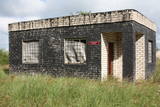 |
Радиотехническая рота в Лужня во времена Советского Союза входила в состав береговой погранохраны. Хороший обзор на когда-то военный комплекс открывается с автостоянки в центре Лужня. Отдельные здания используются в качестве жилых зданий.
|
|
 |
Ремесленники предлагают экскурсию, наблюдение за процессом рождения керамики и возможность самому изготовить свои сувениры, используя технику формирования, точения и гравировки на заранее подготовленных формах. Заказ и покупка керамических изделий. Место полюбили дети и новобрачные. |
|
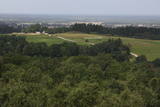 |
The wooden tower was built and stands 28 metres high. It is at the top of the highest hillock of the Northern Courlandian Highlands – Kamparkalns Hill (175 metres above sea level). The tower offers one of the loveliest views in the region of the hillocks of Talsi. On a clear day, you can see all the way to the Bay of Rīga and Talsi. |
|
 |
В рыбацком дворе (рядом с Колкской лютеранской церковью) можно понаблюдать за процессом приготовления и копчения рыбы, попробовать, а также купить пойманную в море рыбу (г.о. камбалу). |
|
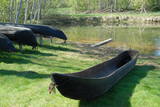 |
В парке «Виенкочу» можно увидеть созданные мастером предметы из деревянных колод, осмотреть макеты Нурмижского замка и других зданий, дом Песка, а также поучаствовать в тематических мероприятиях. Мужчины могут изготовить желобки для березового сока, а женщины – украшения из натуральных материалов. Предметы из колод древние люди изготавливали еще в мезолите, а челночные лодки (в парке их несколько) начали широко использовать с IX столетия. |
|
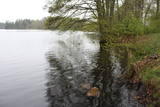 |
It is rare type of lake in Latvia and there are only of few this type of lakes in Kurzeme region. The lake is characterized by high water limpidness (very attractive for tourists) and very rare plant species for Latvia. Nature park includes the lake, costal area and forest on the East from the lake, few smaller lakes and Sarlote Pond. There are several tourist accommodations located around the lake.
|
|
 6 дней
|
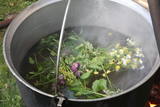
Латыши живут в тесной связи с природой и ее годичными циклами. Старинные знания о том, как использовть дары природы, до сих пор живы. Сбор диких грибов и ягод очень популярен,так же, как и сбор трав и цветов для чаев и настоек. Этот маршрут пытается показать вам различные пути использования природных ресурсов. Маршрут ведет в Национальный парк Кемери, богатый флорой, и интересный своими серными источниками, чья вода используется для улучшения проблем, связанных со здоровьем. Затем вы сможете посетить ферму, которая специализируется на травах и чаях, и чья владелица с готовностью поделится своими знаниями о растениях и как они могут быть использованы. А далее вас ждет осмотр достопримечательностей в живописной Кулдиге и уха на костре на побережье в Павилосте. На следующий день по плану – небольшая поездка по реке в традиционной рыбацкой лодке и поездка, где научитесь готовить блюда, используя природные дары. Экскурсия по Лиепае с ее пляжем из белого песка и исключительным военным наследием. Ночь в Природном заповеднике Папе. Возможность половить рыбу в озере и узнать о традиционных методах копчения рыбы. Посетите традиционный дом в Руцаве, где сможете ощутить и увидеть старинную культуру, а также отведать традиционные блюда. Затем отправляйтесь к производителю грибов шитаки и попробуйте их на вкус. Затем визит к произоводителям травяных чаев. Экскурсия к воспроизведенному семигальскому замку. На следующий день вас ждет поход в лес за грибами и их приготовление. Днем – визит к производителю продуктов из березового сока, где вы можете научиться собирать сок с берез и попробовать как сок, так и искристое вино. Затем возвращение в Ригу. |
|


