
| Нo | Название | Описание |
|---|---|---|
 |
Формирование самого большого в Европе Японского сада (16 га) было начато в 2007 г. Сад был разбит японским мастером Хаджиме Ватанабе и врачом Шарунасом Касмаускасом, которые объединили в своем творении религию, искусство и почтительное отношение к природе. |
|
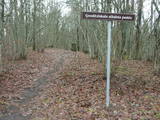 |
Zilais (Blue) Hill is the highest point in the Idumeja highlands – it is a very distinct hillock covered by forest, and from it there is a “narrow” landscape featuring the northern part of the highlands, as well as the Burtnieks flatlands. The restricted area is there to protect habitats such as gullies, hillsides and the boreal (northern) forest of the area. Zilais Hill is a popular tourist destination.
|
|
 |
Zirgi un citi lauku iemītnieki. Dažāda veida izklaides ar zirgiem gan saimniecībā, gan ārpus tās, un saimniecībā mitošo iemītnieku apskate. |
|
 |
Atrodas Liepājā, E. Tisē un Lauku ielas krustojuma galā. Pa Ezera laipu (Liepājas ezera palieņu pļavas) var nokļūt līdz putnu vērošanas tornim, no kura labi pārlūkojama ezera ziemeļdaļa. Laba putnu vērošanas vieta. Ietilpst Liepājas ezera dabas lieguma teritorijā. |
|
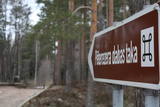 |
природная тропа. Валообразные дюны - кангары и заболоченные впадины между ними – виги, которые видны с тропы, были тесно связаны с повседневной жизнью ливов, и у каждого из них есть собственное ливское название. Тропа протяженностью 3,5 км знакомит с уникальным для Европы ландшафтом кангаров-виг, который образовался около 6000 лет назад при отступлении моря. |
|
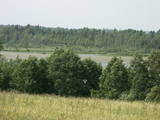 |
Dabas liegumā ietilpst divi aizauguši ezeri ar grūti pieejamiem krastiem - Lielais un Mazais Asūnes ezers, kas atrodas dienvidos no Asūnes ciema. Abus ezerus var vērot, atrodoties ārpus lieguma teritorijas - no blakus esošo pauguru augstākajām daļām, kas atrodas austrumos no abiem ezeriem. Ja līdzi būs paņemts tālskatis, iespējams, izdosies iztālēm novērot šeit esošās aizsargājamās putnu sugas, piemēram, melno zīriņu. |
|
 |
Блюда готовят из латвийских продуктов. Меню меняется в зависимости от сезона, чтобы гости могли насладиться сезонными блюдами. С 360-градусной застекленной террасы открывается живописный вид на сердце Цесиса – площадь Рожу. |
|
 |
Saimniecība “Lejaskroķi” atrodas Abavas senlejā. Tajā nodarbojas ar truškopību. Saimnieku aprūpē ir ap 500 trušu, kā arī kazas un mājputni. Viesojoties saimniecībā, viesi varēs samīļot un pabarot trusīšus, kā arī apskatīt kazlēnus, kam ļoti patīk cilvēku uzmanība. Dzīvnieciņus iespējams apskatīt, iepazīt un samīļot, kā arī pabarot. |
|
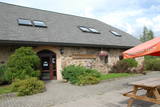 |
«Смецерес крогс» находится недалеко от Мадоны, в долине Смецерского бора, на обочине дороги. Здание «Смецерес крогс» построено в 17 в., и сейчас здесь расположен современный комплекс отдыха – гостиница, корчма - кафе, музыкальный клуб. Латышская кухня: Соус из лисичек, серый горох с салом, ячменная каша с мясными шкварками, овсяная каша с вареньем, картофельные блины, бычьи яйца, дичь (косуля, олень, лось, бобр), фаршированный поросенок. Особое блюдо: Приготовленная из своего рыбопитомника форель. |
|
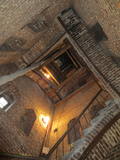 |
Уникальный объект индустриального наследия – единственный открытый завод по производству амуниции в странах Балтии, на территории которого находится самая старая дроболитейная башня в Европе, которая до сих пор используется по назначению. Группы туристов по предварительной договоренности в сопровождении гида могут осмотреть производство, дроболитейную башню и музей. Сейчас на дроболитейном заводе производят пули девяти видов для гладкоствольного оружия, а также пули для пневматического оружия. Продукция экспортируется в соседние страны, Германию и другие страны. |
|
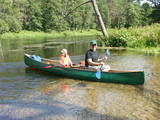 |
Ūla ir viena no skaistākajām un likumsakarīgi – arī populārākajām Lietuvas ūdenstūristu upēm. Tās galvenā pievilcība ir skaistā ainava ar augstajiem upes krastiem, kuros slejas iespaidīgas smilšu kraujas līdzīgi kā Irbes krastos Latvijā. Laivošanu var sākt no Mančagires (Mančiagirė) vai Zervinos ciemiem un turpināt līdz Ūlas ietekai Merķē un tālāk pa Merķi līdz pat Merķinei un Nemunai. Ūla nav plata, taču posmā no Zervinos ciema tajā nav neviena koku aizgāzuma vai cita šķēršļa, kuram laiva būtu jānes apkārt. Ašā straume, asie līkumi, dzidrais ūdens un tajā redzamā zemūdens pasaule rada patiesi patīkamu sajūtu! Upes krastos atrodas gan publiskas (apsaimnieko Lietuvas valsts meži), gan privātas ūdenstūristu apmetnes un atpūtas vietas. Šī ir vienīgā Baltijas upe, kur ūdenstūristiem ir jāpērk licence. Ūlas krastos atrodas divi interesanti apskates objekti – Ūlas atsegums (Ūlos atodanga) un spēcīgs avots – Ūlas acs (Ūlos akis). Savukārt, Merķe jau ir jau krietni platāka upe, taču ar acīm redzamu straumi un dažviet pat jaukām straujtecēm. Kaut arī Merķes krasti ir mazapdzīvoti, tajos atradīsim piemērotas nakšņošanas vietas. Pa Ūlu un Merķi no Zervinos līdz Merķinei sanāk „mierīgs” pusotras - divas dienas ilgs brauciens. |
|
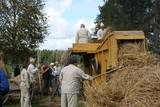 |
На хуторе-музее Кургья Вы можете познакомиться с жизнью и деятельностью крупнейшего представителя эпохи национального пробуждения в 19 веке в Эстонии - Карла Роберта Якобсона, а также с жизнью созданного им хутора. Рядом с хутором-музеем, где по сей день занимаются животноводством, можно увидеть коров, овец и лошадей, а также отреставрированные старые хуторские постройки, например, хлев, амбар, мельницу и ригу. Здесь вы сможете и сами попробовать крестьянские работы. По предварительному заказу в музее можно попробовать Эстонские национальные блюда. |
|
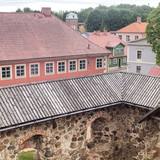 |
Считается, что на горе Кезберкалнс в Либмажи стоял замок Лемиселе государства ливов Метсеполе. Так же имеются сведения, что вплоть до XVI в. сюда по Светупе и Дуньэзерсу приходили с моря торговцы. В 1223 году епископ Альберт построил в Лимбажи каменный замок. Лимбажи, как и Валмиера, стал членом Ганзейского союза. В начале XVI в. экономическая роль поселения значительно снижается, так как Светупе и Дуньэзерс не использовались для судоходства. В период с XVI - XVIII вв. город и горожане страдали от войн, болезней и пожаров. В результате количество жителей достигло своего наивысшего упадка - восемь человек. На рубеже XIX – XX веков и в начале XX столетия хозяйственная жизнь снова восстанавливается. |
|
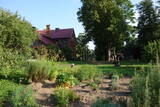 |
Находится в поселке Калдабруня Екабпилсского района, в хозяйственном помещении, принадлежавшем ранее начальной школе Калдабруни, в настоящее время управляемом обществом «Уденсзимес» («Водяные знаки»). Экспозиция Музея луга создана подобно жизненному циклу человека, здесь можно испытать и осмотреть Песочную экспозицию, световой объект «Детство», пояс Калдабруньской Мары в дупле дуба, венок Целителей, Венок приданого, экспозицию охраняемых и редко встречающихся растений. Калдабруньский или пояс Криеванской Мары является одной из величайших культурных и исторических ценностей региона - это уникальный этнографический материал. В узоре пояса, состоящем из 52 элементов, имеется 36 вариаций свастики (огненного креста), и в латвийской этнографии практически нет равноценного материала; в Стамиеренской шерстяной шали выявлено лишь 19 модификаций свастики. Пояс, по сути являющийся матрицецей, создан из синих и желтых узоров, по краям использован красный и зеленый цвета, на концах выложено сложное жемчужное плетение и бахрома. До сих пор ни одна подлинная копия такого пояса не была доступна широкой публике для осмотра. Этот уникальный материал не был доступен и в цифровом виде. Оригинальный пояс, который в конце 19-го века Мара Криеване из Калдабруньского дома «Мачуланов» передала в распоряжение этнографов, хранится в Латвийском историческом музее, где можно осмотреть также единственную известную на данный момент подлинную копию; расшифровка узора доступна в издании «Латвью раксти». В поселке Калдабруня Екабпилсского района, в хозяйственном помещении, принадлежавшем ранее начальной школе Калдабруни, в настоящее время управляемом обществом «Уденсзимес», было открыто небывалое пространство для искусства – Амбарная художественная галерея. Интересен также Музей сена и рассказы о нем. |
|
|
|
Metāla tornis Kazari upes kreisajā krastā, ~ 5 km attālumā no Matsalu līča. No torņa redzamās Kazari deltas palieņu pļavas atrodas tikai 0,3 – 1 m augstumā virs jūras līmeņa, tādēļ pavasara palos un stipru vētru (īpaši rietumvēju) laikā ūdens appludina milzīgu teritoriju. Uzskata, ka platības ziņā šīs ir vienas no lielākajām Eiropas palieņu pļavām, kas ir nozīmīga dažādu tārtiņveidīgo putnu sugu ligzdošanas, dzērvju un zosveidīgo putnu atpūtas un barošanās vieta. Ir pagājis laiks, kad zemnieki Matsalu pļavās ganīja govis un pļāva sienu, tādēļ šobrīd pļavu apsaimniekošanu veic nacionālā parka administrācija. |
|
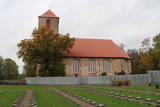 |
На кладбище возле Лестенской лютеранской церкви перезахоронены более 900 воинов, павших во время Второй мировой войны. Это в основном воины, погибшие в боях Курляндского котла на территории Земгале и Видземе. В память павших установлен памятник «Родина-мать Латвия» скульптора Арты Думпе. Лестенское братское кладбище является вторым по величине (после Рижского Братского кладбища ) местом захоронения в Латвии латышских солдат, павших во время Второй мировой войны. На могильных плитах выгравированы имена ~ 11 000 воинов. |
|
 |
Uzcelts Kaņiera pilskalnā un ir Kaņiera pilskalna takas sastāvdaļa. No torņa paveras izcila Kaņiera ezera dienvidrietumu daļas ainava ar niedru saliņām un nelieliem atklāta ūdens laukumiem. Laba putnu vērošanas vieta. |
|
 |
MIGLA ir mazā alus darītava, tas ir sens saimnieka sapnis, kurš realizējies, spēkus apvienojot kopā ar jaunāko meitu. Alus garšu meklēšanā, receptūru izstrādē, kā arī novērtēšanā piedalās visa ģimene, kur īpašas alus someljē īpašības piemīt vecākajai meitai. Apvienojot visas ģimenes stiprās puses - darītāju, runātāju un garšu pazinēju un dizaina ekspertu, tapis MIGLAS alus, kas šobrīd piedzīvo savus pirmos soļus alus pasaulē un cer iepriecināt ne vienu vien alus baudītāju! Lielu daļu alus darīšanas tiek veikta ar rokām, svērti un malti graudi, rēķināts ideālais apiņu un graudu daudzums, tiek liets, pārliets un skalots. Darītava laprāt uzņem viesus degustācijām, kurās piedāvā ne tikai nogaršot alu, bet arī cienā ar pašceptu maizi un cepumiem, kā arī iepazīstina ar alus darīšanas procesu un vēsturisko Uzvaras Līdumu, kurā atrodas alus darītava. Mazais brūzis atrodas vienviet ar Ķiploku pasauli - otru ģimenes aizraušanos, tāpēc uzreiz var apskatīt divas saimniecības. |
|
 |
Наличие Балтийского моря являлось причиной одного из древних названий Юркалне - Феликсберг. До настоящих дней увлекательной остается легенда, повествующая о происхождении этого слова. В Балтийском море у Юркалне было найдено множество обломков затонувших кораблей. |
|
 |
Хотя во время Первой мировой войны из 104 сельских домов было разорено 97, в тридцатые годы XX столетия Лапмежциемс быстро оправился, и здесь действовал один из мощнейших рыбацких кооперативов латвийского побережья. В советское время здесь был создан один из крупнейших рыболовецких колхозов «Селга», корпуса которого видны около устья Силиньупе. Современный Лапмежциемс – это излюбленный дачный район, место отдыха и купания. Интерес для туристов представляет памятник истории рыболовства - Лапмежциемский лодочный причал - бывшая пристань для рыбацких лодок, где рыбаки строили будки для сетей и хранили инвентарь. Между улицей Пиладжу и левым берегом Силиньупе за 3 - 2 тысячи лет до Рождества Христова находилась стоянка рыбаков и охотников, на месте которой установлен памятный камень. Это известное древнейшее поселение человека на территории национального парка «Кемери». Часть находок, обнаруженных при раскопках, можно увидеть в Лапмежциемском музее, где создана краеведческая экспозиция и собраны материалы о боях финских егерей в окрестностях Клапкалнциемса. |
|


