
| No | Name | Description |
|---|---|---|
 |
The restaurant is at the seaside and in an ancient Latvian fishing farm with the view of the beach. Live music is performed during the season. Latvian cuisine: Potato salad with sausage, cold soup, grey peas with bacon, blood sausage, boiled pig’s ear, leg of pork with sauerkraut, pork roasted on coals, bull testicles, potted beef. Special foods: Low-salt herring cooked on coals. |
|
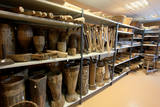 |
Ethnographic and household storage in Sarkaņi offers craft tools collection, furniture and household collection, 19th and the end of the 20th century living room furnishings, and the exhibition dedicated to Madona countrymen. (Source: Madona TIC) |
|
 |
The beginning of this circular trail can be found at the Krimulda church – the oldest in Latvia. In one direction, the tourist will pass along the banks of the little Runtiņupīte river (Runtiņš) to the place where it flows into the Gauja river. Among the points of interest along the way are the parsonage of the church, the Kubesele castle hill, a memorial to the Livonian chieftain Kaupo, the Kubesele cave, the Saulstari rock, the “Great Rock”, ancient anchor blocks, ancient graveyards, a unique labyrinth, etc.
|
|
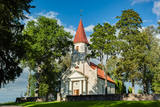 |
Pastāv uzskats, ka tieši Rubenē izveidojusies pirmā latviešu draudze. Baznīcas altārdaļa būvēta jau 14.gs., bet pati baznīca savu pašreizējo izskatu ieguvusi 1739. gadā.Būtiska baznīcas interjera sastāvdaļa ir Ķieģeļu muižas mantinieces Barbaras Helēnas fon Budbergas 1762. gadā dāvinātais kroņlukturis ar Krievijas impērijas divgalvaino ērgli un zaru ornamentiem uz bumbas. Baznīcā redzama arī zīme (1869. g.), kas ir veltīta pusgadsimtam kopš dzimtbūšanas atcelšanas. Pastāv vairākas teikas par Rubenes baznīcas nosaukuma rašanos. Viena no tām vēsta, ka, sargājot baznīcu no velna, tās sienā iemūrēta sieviete un vīrietis, kura vārds bijis Rubens. Baznīca esot nosaukta viņam par godu.Vēl viena versija vēsta, ka baznīcas nosaukums cēlies no rubeņa, kas sēdējis kādā no kokiem, kas vēlāk izmantots baznīcas celtniecībā. |
|
 |
Lina, vilnas apģērbu šūšana, galdautu, dvieļu, jostu u.c. tekstilizstrādājumu šūšana. Tērpu darināšana nav tikai darbs, bet arī aicinājums. Tas palīdz izgatavot vissarežģītākās tērpu konstrukcijas. Nemitīgā zināšanu papildināšana kursos ļauj veiksmīgi dzīvot līdzi mainīgajām modes prasībām. Paralēli individuālajiem pasūtījumiem tiek izgatavoti gan apģērbi, gan citi šūtie izstrādājumi tirdzniecībai. |
|
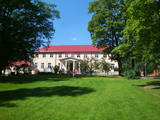 |
Sēļu muiža, par kuru pirmās ziņas saistāmas ar 1561. gadu, ar seno ēku kompleksu un ainavu parku mūsdienās vēl joprojām darbojas kā pagasta administratīvais un kultūras centrs, kur tiek organizēti arī atpūtas un saviesīgi pasākumi. Neskatoties uz to, ka muiža vairākkārt ir tikusi pārbūvēta, tās senatnīgums ir vēl saglabājies. Sēļu pagasta Tautas nams piedāvā bezmaksas ekskursijas Sēļu muižas kompleksā un divas meistardarbnīcas: ādas apstrādes meistardarbnīca pie Benitas Audzes un kokapstrāde un galdniecība pie Uģa Vītiņa. |
|
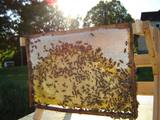 |
This family company offers high-quality and traditional beekeeping products in the Gauja National Park. There are some 110 hives of bees, and the products include honey, pollen, bee bread, wax and propolis. The owners also produce new and unprecedented products which satisfy the demand of clients for something that is unusual, but healthy. You can take a tour and purchase honey. |
|
 |
The spacious cafe in Gulbene with comfortable chairs and a tasty meal of the day menu. It is also possible to taste various types of pizza and dishes typical for the Gulbene district. Working hours: Monday-Thursday: 10:00 - 22:00, Friday-Saturday10:00 - 03:00, Sunday 11:00 - 22:00 |
|
 |
The craftspeople offer tours during which you can watch them at work. You can also produce your own souvenirs with various techniques, including the potter’s wheel and the engraving technique, making use of pre-prepared moulds. You can also commission and purchase ceramics products. This location is popular among children and wedding parties. |
|
 |
Seno un mūsdienīgo amatu prasmju popularizēšana, izkopšana un tālāknodošana. |
|
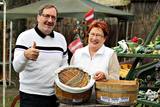 |
Lamprey catching and processing traditions started long ago in Carnikava, in the place where the River Gauja enters the sea. On the tour you can find out about lamprey and their preparation methods, as well as enjoy them grilled, jellied or in the form of lamprey sushi. Latvian cuisine: Grilled lamprey, jellied lamprey, lamprey sandwiches. |
|
 |
The company is in a building that was built in 1911 and produces milk, kefir, buttermilk, cream, cottage cheese, sweet cottage cheese crèmes, butter, yogurt and cheese. A store alongside the co-operative offers Straupe Dairy Co-operative products, as well as cheeses manufactured by its partners – Smiltenes Dairy and SIA Latvijas Piens. This is one of five companies in Latvia that is allowed to manufacture one of the EU’s guaranteed traditional characteristics product, “Summer Solstice” cheese. The products have been awarded the “Green Teaspoon” and “Latvian Goodies” status. Group tours are offered a chance to taste the products and learn about the co-operative’s operations. |
|
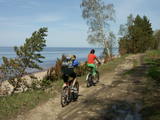 |
The largest NATURA 2000 territory in Latvia covers 6% of the country’s area. It is located in parts of the Limbaži, Valmiera and Valka districts, and it is a place of an enormously diverse range of landscapes, biotopes and species. The Salaca River is one of the most important rivers in the entire Baltic Sea region in terms of spawning grounds for salmon. The river valley and its sandstone cliffs attract many visitors. It is no accident that this is the second most popular river in Vidzeme for water tourism. The shore of the Bay of Rīga, which is not very long, also features a great diversity in landscapes and biotopes. At the northern end, we find the Randu meadows. In the central part there are sandy beaches, but at the southern end – 22 kilometres of rocky shoreline. The so-called Northern swamps are found on the border with Estonia, while the Seda heath is one of the most important places in the region for birds to rest and feed during migration. The reserve also features a diverse forest in which one can find all of the types of forest which are common in Latvia. Nature trails and viewing towers or platforms are found in the Randu meadows, on the banks of Lake Burtnieks, along the Planči and Niedrāji-Pilka swamps, on the banks of Lake Dziļezers and Lake Lielezers, and elsewhere. The Skaņākalns park in Mazsalaca is one of the most popular tourist destinations in Northern Vidzeme. The territory boasts many important cultural monuments, including one of the earliest known settlements in Latvia – a fishing settlement and burial ground which date back to the 5th to the 2nd millennium BC.
|
|
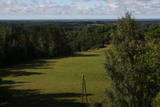 |
This is the highest church tower in Latvia, and from it you can see views of the Alūksne highlands. The view to the South is particularly impressive.
|
|
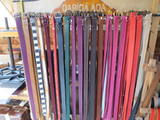 |
This workshop manufactures belts, bags, jewellery (pendants, brooches, bracelets), as well as covers. It offers book binding services and prepares souvenirs. Tours are available for groups of up to 50 people. You can try your own hand at the crafts, taste teas, and cook soups on an open fire. |
|
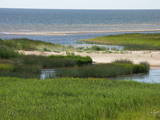 |
This is another important territory for the protection of reefs, is also opposite the Salacgrīva Administrative District, and covers 7,239 hectares.
|
|
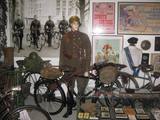 |
This collection contains bicycles from five different armies and five different eras in the history of Latvia. They include a World War I bicycle from the Russian Empire, a bicycle from the Latvian army, two World War II German bicycles, and a Monark-brand military bicycle from Sweden that was donated to the renewed Latvian army in the 1990s. The exhibition also features items that are related to the use of military bicycles – seals, awards, and information about the bicycle units of Latvia’s Home Guard.
This is the only bicycle museum in Latvia, and its exhibits are unique, as well.
|
|
 |
The biological agronomical farm specializes on growing vegetables and their reprocessing. Grain products – flour, groats, pearl barley. Also available vegetable and flower saplings; flowers. |
|
 |
Saimnieks nodarbojas ar biškopību un apmeklētājiem piedāvā ekskursiju pa saimniecību, stāstījumu par bitēm, medus degustācijas. Iespēja iegādāties pašdarinātas vaska sveces un citus biškopības produktus. |
|
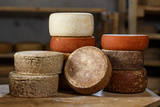 |
This is a biological goat farm and cheese-making plant that offers various cheeses made of goat’s milk and cow milk. The farm has some 100 dairy cows. Owners Ruta and Stefans welcome guests and speak Latvian, German and Russian. The cheese is available on site, at the Kalnciems market in Rīga and elsewhere in Latvia. Production - goat’s and cow’s milk cheeses. Offers excursions in the farm and cheese-making plant, tasting. |
|


