
| No | Name | Description |
|---|---|---|
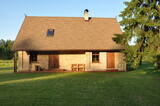 |
This Latvian tradition farmstead, located 12 km from Jelgava, offers to learn about ancient bread baking traditions, Latvian annual festivals, and various types of handicrafts, such as weaving and making puzuri decorations and beeswax candles. The house is designed and decorated in the traditional Latvian style and exudes an authentic ambience while having modern facilities. The heart of the farmstead is a barn with a bread baking stove. The hosts bake rye sourdough bread from “Dobeles dzirnavnieks” flour and the traditional salinātā rye bread from “Grauda spēks” flour. Salinātā rye bread is registered in the EU food quality scheme as a product with traditional speciality guaranteed. The hosts offer to enjoy various traditional seasonal activities. Please arrange your visit in advance.
|
|
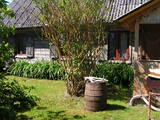 |
A small fishermen’s house preserved in the original style, situated not far from the sea in Berzciems, offers 2 comfortable rooms for peaceful rest, with a fireplace and a small kitchen. The family of the owners through many generations try to preserve old fishermen’s traditions, including those in fish processing and smoke curing. The guests have an opportunity to buy local products – smoked fish from the Engure lake and the Baltic Sea. |
|
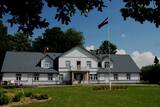 |
Hotel MEKE was opened in 2016. It was established in the premises of Dunte School, built in 1867. The old wooden building has 8 well-equipped guest rooms with preserved historical elements, recreation and seminar rooms. There is a small ballroom 30 m2, a large ballroom 60 m2. Hotel Meke is located 3 km from the rocky seashore of Vidzeme. Bicycle rental is available at the hotel. Nearby is the Mecca Pub, where you can have a delicious meal. |
|
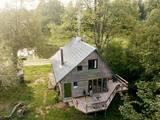 |
Relaxation at the foot of Gaiziņkalns hill. Sauna with fireplace, beds produced in the manner of 12th-century artisans. Sauna specialist available. Wandering through the forest with a guide. |
|
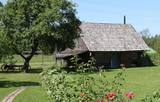 |
A traditional Vidzeme country farm 15 km from Limbaži town, where guests have the opportunity to spend the night in a romantic barn. The granary built in 1924 has turned into a granary for receiving guests. There is also a sauna in the barn building, a pond and a river on the territory for fishing or a romantic boat ride, and an outdoor shed. |
|
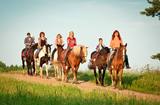 |
Klajumi is situated among picturesque surroundings of Daugavas Loki Nature park and offers accommodation in 3 cottages. Guests can enjoy horse riding facilities. The property is located 2 km from Kaplava village and 5 km from the Latvian – Belarusian border. The town of Krāslava is 10 km away. "Klajumi" holiday house. On the first floor of the holiday house there is a kitchen with fireplace, dishes and other tools necessary for cooking and eating, herbal tea and instant coffee, a fridge, radio and CD player, shower and sauna. On the second floor and in the attic there are bedrooms. Next to the cottage there is a dry toilet. "Klajumu Ķemeri" holiday house. Wooden log house with a kitchen, a bedroom, WC and shower. "Klajumu Ganiņi" holiday house. Two rooms, a kitchen, a bathroom. House is suitable for people with disabilities. |
|
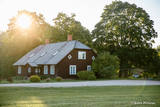 |
A newly renovated Vidzeme farm for those who love comfort. Several halls with fireplaces, a sauna, a pool, catering service, a pond and the forest. A country house in a landscaped setting by a pond and near forest. A wooden bathtub with a wood stove outdoors! |
|
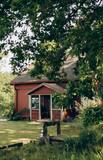 |
Farmstead "Lūķi" is a place in Jūrkalne, where you can be at peace and quiet in nature. You can relax in the cottages in the garden or in the big house. Each place is designed to make guests feel comfortable and undisturbed. The farm has a landscaped landscape with large oaks, a tea garden, an authentic sauna and garden sheds. There is also a salon with ancient and modern handicrafts. The farm is suitable for a quiet rest or family celebration. |
|
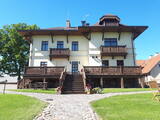 |
The first written information about the estate dates back to the 3rd quarter of the 18th century. It is known that in 1769, the estate had 14 buildings. Charlotte Lieven received Mežotne as a gift from Russian Empress Catherine the Great in 1759. The estate suffered much damage during World War I. After the war it became an exemplary estate, but its roof and mansard burned down during World War II. Restoration of the estate began in 2007. Today Mazmežotne Estate is a beautiful place, surrounded by nature. It offers recreational facilities, including accommodations, dining, banquet facilities for events and seminars, as well as biking, boating and hiking for those who enjoy exercise. The former stables and barn offer spacious halls for celebrations, weddings, seminars, concerts, exhibitions. One of the buildings houses a SPA complex with a range of relaxing procedures. The open chimney house offers an exhibition of the history of sugar-beet cultivation and sugar production industry in Latvia. The old cheese house is now a sauna with a relaxation room, a hot water tub outdoors, and a terrace. |
|
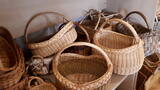 |
Pēteris Tutāns runs a wickerwork workshop, “Kalndaķi,” in a lovely location near Milzukalns hill. The workshop dates back to the mid-1980s as a family operation. In 1999, the family turned the workshop into a true business, “Pinumu Pasaule,” which today is one of the largest wickerwork companies in Latvia. The company is run by wife Lolita, while Pēteris works at his creative workshop, “Kalndaķi.” Raw materials for the wickerwork include debarked or not debarked osier wicker from trees which grow on the farm. The whole process from growing the wicker and finishing the product is handled by hand. Pēteris weaves baskets, kitchen utensils, interior design objects, garden furnishings, toys for children and various souvenirs. Visit the workshop and see how the wicker is grown. Purchase finished products or take part in a wickerwork master class. Overnight accommodations are available. |
|
 |
The farm produces hemp from which it produces hemp butter, roughly ground seeds, as well as hemp oil. The granary, which is 101 years old, features antique instruments once used to process hemp fibres. Visitors can taste and purchase delicious products and take an exciting tour which speaks to the history of hemp farming. Latvian cuisine: Rough and fine hemp spread, hemp sandwiches, pressed and toasted hemp crumbs, hemp oil.
|
|
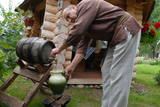 |
The slogan for this farm is “Here we produce real Latgale beer!” You can help to brew beer, listen to stories about traditions, and taste the finished products. The owner also offers country goodies as snacks – ones which are based on Lettigalian traditions. |
|
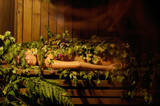 |
Piekūni offers Latvian sauna rituals merged with folk songs and herbal teas. You can then sleep in a bed made of round wood and designed in accordance with ancient Latvian style. The owners will offer you a tour to tell you all about how our ancestors dealt with the environment – plants, rocks, sources of energy, etc. |
|
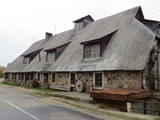 |
This water mill dates back to the 1920s and was restored in 1992. You can view the historical mechanisms and learn about the grinding process. The Cope Cafeteria offers pancakes made of the locally ground flour and filled with mushrooms, cheese, vegetables, meat, honey, sweet cream, cottage cheese, ice cream or caramel. |
|
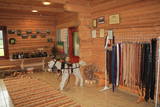 |
Here you will find everything needed for horseback riding, including reins, belts, leather sacks, etc. You can tour the exhibition hall, learn about types of leather, try your hand at the process, and purchase products. The craftswoman will be delighted to talk about the Lettigalian lifestyle. |
|
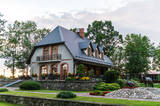 |
The café is at the “Miķelis” leisure venue on the banks of the Mūsa River. Visitors can tour a typical farm from the 19th and 20th century, as well as the Machinery Museum. Latvian cuisine: Cold soup, Valmiera salad, roast Baltic plaice, potato pancakes, stawberry soup with ice cream. Special foods: "Special Bauska foods," "Miķelis" pork chop. |
|
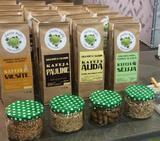 |
Aromatic coffee is produced here from chicory and on the basis of ancient recipes from grandma Alīda. All of the ingredients come from surrounding fields and forests. Roasted chicory coffee PAULĪNE (rye, chicory, carrots, acorns); roasted rye, chicory, and hemp coffee SĒLIJA (rye, chicory, carrots, hemp leaves); rye malt, chicory, and hop coffee VIESĪTE (rye malt grains, chicory, hops). Produce can be purchased.The owner will offer you a tour, during which you will be able to taste and buy her coffee. |
|
 |
This is a farm which popularises Latvian lives, organises traditional rituals, and provides guests with tasty country foods such as porridge, dumplings, pierogi and pastries made of grain and roughly ground flour that are produced at the farm itself. You can purchase teas, herbs and country goodies. Latvian cuisine: Soups, porridges, desserts, pierogi, sheet cakes and country tortes. Special foods: Dumplings made of roughly ground whole wheat flour with cottage cheese and bacon. |
|
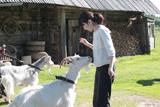 |
This is an organic farm, and visitors are invited to join in the fieldwork - gather hay, make sauerkraut, pull weeds, milk a goat, watch the geese, catch some fish and then smoke them in accordance with the farmer’s own recipe. Visitors can also help to bake bread. There’s a sauna where you can inhale the aroma of healthy grasses and drink some medicinal teas.
|
|
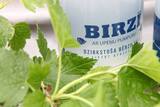 |
Birch sap for Labanovski family is a popular drink already for a long time. Sap is tasty when it’s fresh, but in order to maintain its refreshing and valuable qualities, during many years family has developed new recipes. Moving away from the traditional spices, drink was supplemented with mint, which made the sap more refreshing, fresh for a long time and with a pleasant flavor.
|
|


