
| No | Name | Description |
|---|---|---|
 |
The farm shows traditional rural life activities, raising sheep and Estonian Blackhead sheep. A heritage trail on the farm takes in a sacred grove, ancient burial sites and fields, and we tell stories of ancient Estonians and history of the farm. Handicrafts are displayed and wool workshops are offered. |
|
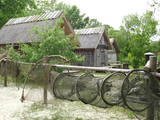 |
This is a very interesting monument to the history of fishing in the region. These areas had docks and areas where fishermen built huts to store their nets and other inventory. The areas also had a social role – men came together to discuss work that had to be done, while women and children wove nets. The huts at Bigauņciems were eventually washed into the sea, and the areas at Ragaciems have been partly destroyed. The ones at Lapmežciems are the ones which are best preserved. One of the net huts has been restored, but the others are in very poor condition, indeed. That may be why you should focus on these huts as you walk along the beach. Make sure that you take some pictures of this historic location. |
|
 |
Mājražotāja Ludmila Peculeviča savu ceļu siera ražošanā sāka no vienkāršas idejas – radīt kaut ko aizraujošu un sirdij tuvu. Sākot mācīties un eksperimentēt ar siera vārīšanu mājas apstākļos, viņa pakāpeniski attīstīja savu prasmi un izveidoja nelielu siera ražotni, kur top dažādi cietie sieri un gardumi. Siers Kā top siers Apmeklētājiem Kur iegādāties sieru |
|
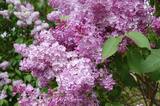 |
The Gardening Institute is the leading scholarly centre for fruit and vegetable research in Latvia. The institute specialises in selection and introduction of plant cultivars that are suitable for cultivation under the agro-climatic conditions in the Baltic countries, have high nutrition value and are rich in fibre content. |
|
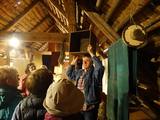 |
The museum at Egļava has an exhibition about forestry in Latvia before and after World War II. The exhibit features forestry tools and equipment, as well as textiles from the former Balvi District along with samples of ceramics and woodworking. The former forest ranger house has rooms to provide accommodations to guests. |
|
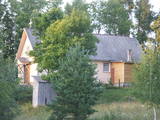 |
The present wooden church on the hill was built in 1947 but today it has been restored. Currently, the deanery of Rezekne is located there. Every day you can see it from the outside. Until 1960, in Dukstigals there were two congregations: White Dukstigals (Šadurska) and Black Dukstigal (Slobodska). In White Dukstigals, the church was built in 1775. In 1960, during the time of the Soviet power, the church was violently demolished, despite the fact that it was an architectural monument and the oldest wooden church in Latgale-367years old! The "excuse" was the explanation that one congregation must not have two churches. |
|
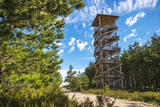 |
Koka skatu tornis atrodas blakus Kolkasraga priežu takai. No tā redzama ar priedītēm aizaugusi „stiga” – t.s. Šautuve, kuru padomju laikā izmantoja šaušanas apmācībām. No torņa skatu platformas labi saskatāma Kolkas bāka, kas atrodas 5 km attālumā no Kolkasraga. |
|
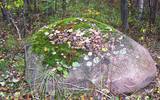 |
The Stone of Āžmugura is a fawn- coloured triangular prism boulder
which recalls the goat's back.
|
|
 |
Saimniecībā "Jauncaunes", Ogres novadā, grupām, kā arī individuāliem apmeklētājiem tiek piedāvāta atpūta brīvā dabā, iepazīstot un izmēģinot metamos ieročus, šaušanu ar dažāda veida lokiem, arbaletiem un pneimatiku. |
|
 4 days
|
This route passes along one of the most diverse and beautiful parts of the coastline of the Bay of Rīga. You will see the Randu meadows, which are known as Latvia’s open-air “herbarium” because of the diversity of plants that can be found there. The coast features various sizes of rocks and stones, as well as no shortage of lovely and sandy beaches. This is the only place in Latvia where Devonian sandstone cliffs can be seen. Past each horn there is a different landscape, and the last 20 kilometres of the route are paradise for bird watchers during migration season. The route is in the Northern Vidzeme Biosphere Reserve. Route information from Latvijas Lauku forums |
|
 1 day
|
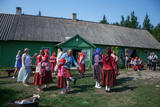
Kihnu is the largest island in the Gulf of Riga, with an area of 16.4 km2. It is only 7 km long and 3.3 km wide. Kihnu's cultural space and traditions are included on the UNESCO List of the Intangible Cultural Heritage of Humanity. There are four villages on the island and the islanders still wear national dress as everyday apparel. The unique atmosphere of the island can be experienced during a guided day programme. Kihnu Mare, the local guide, has developed her own traditional culture network with the people who have the know-how and skills to demonstrate for visitors the different aspects of Kihnu culture: the language, the traditional clothes, farming and fieldwork, handicrafts, the preparation of traditional foods, folklore, church life, singing, and dancing at weddings and village parties, as well as their traditions surrounding the sea, fishing, seal hunting and living with nature. |
|
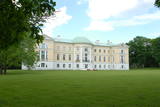 |
This beautiful castle (1797-1802) is seen as the most brilliant example of Classicism in Latvian architecture. It, like the Eleja Castle, was designed by the architect of the royal court in Russia, Giacomo Antonio Domenico Quarenghi and the architect Johann Georg Adam Berlitz. The ornate interior was unique for Kurzeme at the time when the castle was built. Empress Catherine II gifted the castle to Charlotte von Lieven (1742-1828) after Charlotte served as governess for the empress’ grandchildren. An agricultural school operated in the building from 1921 until 1941, and it was very much damaged and pillaged during World War II. Restoration began later, when the Mežotne experimental selection station was housed in it. The lovely building houses a hotel and can be toured. Around the castle, which is on the banks of the Lielupe River, there is one of the most beautiful English-type gardens in Latvia – perfect for a stroll. |
|
 |
Pokaiņu mežs atrodas 13 kilometru attālumā no Dobeles, braucot Īles virzienā. Tas, izvietojies uz stāviem pauguriem un dziļām ielejām, veido neparasti gleznainu ainavu. Mežā grupās, kaudzēs, akmens upēs un valnīšos, atrodas slavenie Pokaiņu akmeņu krāvumi. Krāvumi daudziem cilvēkiem liek sajust savdabīgus enerģijas strāvojumus - vieni redz vīzijas, bet citi – uztver informācijas plūsmu. Takas ved pa pagurainu apvidu.
|
|
 |
The "Veju paradise" café is located alongside the grey dune in the historical part of Pāvilosta. The building has a modern design, but bricks from the historical Liepāja military port were used in its construction. The café features large windows and a summer terrace. It partners with home-based manufacturers of foodstuffs. Latvian cuisine: Marinated herring, fish soup cooked on a campfire, chilled soup, vegetable soup, baked flounder and cod, smoked perch and bream, crepes. Special foods: Baked turbot. |
|
 |
This viewing tower is on a narrow peninsula among Lake Lukna, Lake Višķi, and Lake Boltars. From it, you can see all three lakes, the hillocks of the area, as well as Ambeļi and Višķi. Come here when the bird-cherry trees are in bloom!
|
|
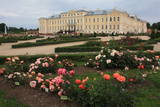 |
The palace was built as the summer residence of the duke of Courland, Ernst Johan Byron, and it was designed by the outstanding Italian architect Francesco Bartolomeo Rastrelli. The construction of the palace ensemble took place between 1736 and 1740. The decorative finishing of the interiors was carried out from 1765 to 1768 by the sculptor Johann Michael Graff and the painters Francesco Martini and Carlo Zucchi. The significance of the palace lies in its authenticity as it has not been modified through rebuilding since then. Intensive restoration works started in 1972 when the Rundāle Palace museum was established. The restoration was completed in 2018. |
|
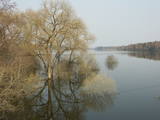 |
The Dviete ancient river valley is a unique territory of environmental, cultural and historical importance between Kaldabruņas, Bebrene and Dviete. The small Dviete River flows through the ancient river valley, through Lake Skuķi and Lake Dviete, and through the wetland meadows that are alongside the valley. During flooding season, these wetlands store up water from the Daugava River, rapidly absorbing masses of floodwater and then slowly returning the water to the river. The views during wet springs are incomparable to anything else that can be seen in Latvia. The specifics of the shifting water level in the ancient river valley are the reason why this is an important place for plants and birds during migration and nesting season. The Dviete Wetlands Nature Park has been set up to protect the territory. It is interesting that higher areas which do not disappear underwater during the floods are known as islands. Archaeologists who have studied the Dviete ancient river valley have found 15 possible settlements of the ancients (from the Stone Age, Bronze Age and Iron Age). They found a wealth of ancient objects of various kinds. There is reason to believe that this is one of the oldest and most important settlements in what is now southern Latvia. |
|
 |
Go horseback or wagon riding all year long, find contacts with goats, sheep, chickens, turkeys, geese, and ducks, and taste smoked goat cheese. The owner also produces Christmas and other decorations. |
|
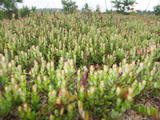 |
Large cranberries were first grown in the Laugas Swamp in Latvia in 1992. Today there are six types of cranberries that were originated in Latvia. Among them is a hybrid between large American cranberries and Latvian cowberries, and it is known as the noble cranberry. You can attend lectures, receive consultations, tour the swamp, and purchase cranberries, cranberry products, as well as purchase turf that is needed to grow your own cranberries. |
|
|
|
Kauņas jūras reģionālais parks (Kauno marių regioninis parkas) dibināts 1992. gadā. Tas ietver Nemunas HES uzpludināto posmu – lielāko Lietuvas ūdenskrātuvi no Kauņas līdz Piļonas (Piliuona) ciemam. Viena no nozīmīgākajām parka vērtībām ir ainava, kas veidojusies ilgā cilvēka un dabas mijiedarbībā. Parkā konstatētas 950 augu sugas, 600 dzīvnieku, t.sk. - 34 zivju sugas. Parka nozīmīgas dabas vērtības ir meži, augstie purvi, kadiķu audze. Parkā ir apskatāmi dažādu vēsturisko periodu liecinieki – senču pilskalni, Pažaislis klosteris, Kauņas cietokšņa Piektais forts, kā arī Rumšišķes (Rumšiškės) brīvdabas muzejs – viens no lielākajiem (195 ha) šāda veida muzejiem Eiropā. Vaišvīdavā (Vaišvydava) ir izveidots parka apmeklētāju centrs, parkā ir dabas takas, piemēram, Žiegždriai ģeoloģiskā taka un Dubravos izziņas taka. |
|


