
| No | Name | Description |
|---|---|---|
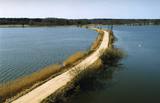 |
This territory is to the North of Skrunda, and it is an important location for water birds during their migration. Northern swans nest in the ponds, and sea eagles and other birds such as falcons and plovers use them for feeding. This is a good place for bird-watching, although it has not been particularly structured for that purpose. |
|
 |
Kloostrimetsa is a cider brand with centuries-old traditions. They specialize in crafting high-quality cider using traditional methods, where the cider is made from their own carefully grown apples, allowing the juice to naturally ferment to preserve its authentic flavor. In addition to cider, they also produce jams, juices, and syrups in their home kitchen. Their gardens and fields are home to various fruits and berries, including chokeberries, sea buckthorn, and blackcurrants. In spring, birch and maple sap is harvested for seasonal products. The farm practices sustainable methods, utilizing solar energy and gentle land management. |
|
 13 days
|
This cycling route will take you from Riga along the West coast of the Baltic Sea of Latvia and Lithuania. On the way the route passes the sea resort Jurmala with 19th century wooden archicture, the picturesque Abava river valley, geologicaly interesting steep banks of Jūrkalne, historically exiting city of Liepaja with great ambience and charming Kuldiga with the widest waterfall in Europe. In Lithuania the route goes through Palanga where Amber Museum is located and culminates at the National Park of the Curonian Spit with 60m high sand dune. |
|
 |
The cave, which is 45 m deep and up to 5.5 m wide is found on the right bank of the Strīķupe river, by the Cēsis-Lenči road. The cave and its nearby sandstone cliff have suffered much damage from local visitors, which is why the administrators of the national park limited access to the surrounding territory a few years ago. You can no longer approach the cave. This is a positive example of who an important geological monument and a protected biotope can be protected. |
|
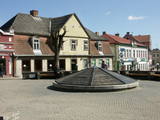 |
Tukums in the historical sources is mentioned in 1253 agreement of the Livonian Order and the Bishop on the division of Kursa. If the town's name is translated from the Liv language, it means "a pile, mountains of sand". at the beginning of 14th century German merchants and craftsmen settlement was formed at the Livonian Order stone castle, whose flowering was facilitated by the proximity of Riga - Prussian road. Later the city was largely influenced by the construction of Riga - Tukums railway in1877. During the Soviet period the on the eastern outskirts of Tukums, the largest Soviet military airfield and military town in the Baltic States was deployed. Today Tukums is a district centre of the same name with a wide range of services offered to tourists. |
|
 |
"Dobele Agra S.I.A." ir moderns, nākotnes perspektīvā domājošs lauksaimniecības uzņēmums Latvijā. "Dobele Agra S.I.A.", kas atrodas netālu no Dobeles - Krimūnās, kā viens no lielākajiem aramzemes apstrādātājiem Latvijā pašlaik apstrādā apmēram 5 800 ha lauksaimniecības zemes Dobeles un Jelgavas rajonos. Uzņēmums specializējas graudaugu audzēšanā pārdošanai vietējos un starptautiskajos tirgos, tādējādi gadā tiek saražotas apmēram 20 00 - 25 000 tonnas graudaugu, no kuriem lielākā daļa ir kvieši mieži, rapsis un pākšaugi. Pārsvarā tiek audzētas ziemas šķirnes. |
|
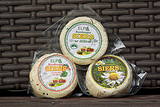 |
For more than 20 years the company has been partnering with some 100 local suppliers of milk. Its main principle is to offer healthy dairy products, including kefir, cottage cheese, cream, yogurts and soft cheese. SIA Elpa is the only dairy processing company in Southern Kurzeme that offers tours and tastings of products. Products can be bought, and during the tours, visitors can taste kefir, cheese and yogurt and help with the dairy processing process themselves. |
|
 |
Saimnieki piedāvā vietu, kur aizbraukt brīvā laika pavadīšanai, atpūtā ģimenei Kurzemē. Šeit viesiem ir iespēja aplūkot sākot no dažādu laiku lauksaimniecības tehnikas un darbarīkiem, līdz pat kara laika paliekām, kā arī dažādu laiku sadzīviskos priekšmetus. Katram priekšmetam seko arī stāsti, kas ir piedzīvoti vai tikai dzirdēti. Tāpat apmeklētājiem ir iespēja apskatīt mājas iemītniekus,kas ir veidoti ar pašu rokām. Asākām un patīkamākām sajūtām pieejama 350 metrus gara Baskāju taka. |
|
 |
Atrodas Vecpiebalgas centrā pie Inešu ceļa. Vieta, kas jāapmeklē katram savas valsts patriotam, jo šeit atdusas leģendārā romāna "Mērnieku laiki" autori - brāļi Reinis un Matīss Kaudzītes, sabiedriskais darbinieks un valodnieks Atis Kronvalds u.c. Kapos apskatāmi brāļu Kaudzīšu un A. Kronvalda pieminekļi. Tos atrast palīdzēs izvietotās kartes un norādes. |
|
 |
The Freedom Monument is opposite the Krustpils Castle in Rīgas Street. Built in 1925 and restored in 1992 (by A. Birznieks), the monument honours people from Krustpils who fell during Latvia’s liberation battles. There are good views of the Little Daugava, Daugavsala, and the Ādamsona (Krustpils) island. |
|
 |
Neliela siera ražotne Ādažos, kas apvieno tradicionālas sierdarīšanas metodes ar mūsdienīgu izpratni par strauji augošo bioloģiskās pārtikas tirgu. Sieru gatavošanā tiek izmantotas tikai divas sastāvdaļas - piens un sāls. Pārējo nodrošina darināšanas veids, baktērijas un pelējumi, kas savu darbu veic jau nogatavināšanas procesā. SieriSoira piedāvā vairāk nekā 20 siera šķirnes – no svaigajiem un maigajiem līdz izteiksmīgiem, ilgi nogatavinātiem cietajiem sieriem. Īpašs lepnums ir premium zilie un pelnu sieri, kuru niansētās garšas ir novērtējuši gan starptautiski eksperti, gan Latvijas gardēži. Kā top siersSiera ražošanā tiek izmantots piens no Latvijas zemnieku ganībām, kur govis dzīvo brīvā dabā. Piens netiek pasterizēts, saglabājot visas dabiskās garšas nianses. ApmeklētājiemIespējams iepazīt siera tapšanu klātienē - apskatīt ražotni, ielūkoties pagrabu plauktos un nogaršot sierus turpat uz vietas. Kur iegādāties sierusRažotnē Ādažos. E-veikalā: www.soira.lv. Specializētajos pārtikas veikalos un Rīgas tirdziņos. Soiras sierus iespējams nobaudīt arī dažādos restorānos. |
|
|
|
Eine der malerischischen Burgberge am Fluss Nemunas mit schöner Sicht aufs Flusstal. In 13 – 14 Jh. befand sich hier eine militäre Festung, die nicht erhalten ist. |
|


