
| No | Name | Description |
|---|---|---|
 |
Laidze Parish Farm "Cukuriņi" is engaged in sea buckthorn cultivation. The farm covers about 10,000 sea buckthorns on an area of 6 hectares. The fields are treated with a computerized irrigation system. The owners of the grown berries both sell and process it themselves, obtaining sea buckthorn juice, oil and frozen berries. |
|
 |
Neliela ziepju un dažādu citu ķermeņa kopšanas produktu darbnīca. Pašu audzētos un saimniecības pļavās ievāktos ārstniecības augus iestrādā ziepēs un skrubjos, gatavo no tiem izvilkumus augu eļļās, kurus iekļauj lūpu balzamos un krēmos. Ziepes tiek vārītas tā, kā to darīja agrāk - no sārma un taukvielām. Apmeklētājiem iespēja ielūkoties “Ezervanna” mazajā darbnīcā, paklausīties stāstā par ziepju vārīšanu, iemēģināt roku un radošumu skrubju gatavošanā vai “pamīcīties” ar ziepju veidojamo masu un pagatavot savu ziepju gabalu. |
|
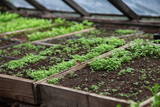 |
The farm grows some 25 types of plants and prepares products from approximately 50 types of plants. Visitors will learn about the use of medicinal plants not just in teas, but also in oils, extracts, tinctures, syrups, etc. These can be used for everyday nutrition. Products can be tasted and bought, and you can help out with the farm’s operations. There is also livestock to view. |
|
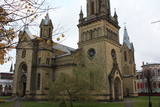 |
Atrodas starp Kr. Valdemāra un Kuršu ielām. Viena no iespaidīgākajām un greznākajām pilsētas celtnēm, kas būvēta neoromantikas formās. 19. gs. beigās katoļu draudze nevarēja saņemt atļauju jauna dievnama celtniecībai, tādēļ uz vecās ēkas uzbūvēja jaunu, kur vecā baznīca tapa par lielākās ēkas sānu kapelu. Baznīcas sienas un koka griestus rotā attēli ar Bībeles sižetiem. Dievmātes kapelā saglabājies mazās baznīcas (no 18. gs.) centrālais altāris. Baznīcas griestos ir iekārts burinieka modelis, ko dāvinājuši vētras laikā izglābušies jūrnieki. |
|
 |
Laivošanas pasākumu organizēšana, kajaku, kanoe laivu, SUP dēļu un aprīkojuma īre un pārdošana. |
|
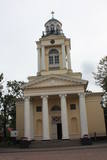 |
Lai arī dievnama pirmsākumi meklējami 18. gs. sākumā, tā celtniecību (arhitekts Johanns Eduards de Vite) pabeidza viena gada laikā 1834. – 1835. g. (vēlīnā klasicisma stils). Būvniecības darbus finansēja Krievijas cars. Gan baznīcas atrašanās piejūrā, gan arī tās nosaukums liecina, ka tā celta, godinot Svēto Nikolaju, kas ir visu jūrnieku un zvejnieku aizbildnis. Baznīca apskatāma arī no iekšpuses, kur uzmanība jāpievērš ērģelēm un altārgleznai (1888. g.). |
|
 |
Port accommodation Kihnu delights guests with mostly local food - if something is needed on the island, Estonian products are preferred. Local foods are mostly prepared from fish and home-grown vegetables. |
|
 |
The café is at the edge of the Cēsis-Valmiera road. It is in a log building with a Latvian interior design. Vegetables and fruits are bought from local farmers. Latvian cuisine: Crepes, potato pancakes, cold soup, wild mushroom soup, sorrel soup according to a recipe from granny, porridge, grey peas, baked herring, filet of cod, beef sautéed in Brenguļi beer, sautéed rabbit, stacked rye bread. Special foods: "Glendeloka". |
|
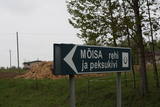 |
Neliela apdzīvota vieta nacionālā parka ziemeļrietumu daļā, kur kādreiz atradusies Rebases muiža. Mūsdienās no tās saglabājušās klēts atliekas, pie kurām apskatāms interesants vēstures liecinieks – sens akmens, ko izmantoja kulšanas procesā (Peksukivi). |
|
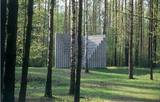 |
Das Museum vom Zentrum Europas. Gegründet vom litauischen Bildhauer Gintaras Karosas. Mehr als 100 von Künstlern aus den 33 Ländern errichtete Installationen sind unter freiem Himmel ausgestellt. |
|
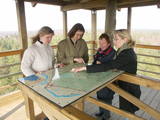 |
Ložmetējkalns Hill is one of the highest locations at the Long Dune. There is a monument to heroic Latvian riflemen who suffered great losses here during the Christmas battles of late 1916. There is a great view of forests all the way to Jūrmala, as well as of the Maztīrelis swamp, where the embankment of the former narrow-gauge railroad is very evident. This is part of a memorial park to commemorate the Christmas battles. You can visit the Mangaļi museum, the restored “German Rampart,” monuments and other objects.
|
|
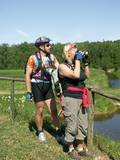 |
The barrow which offers a good view is at the northern end of the Dunduri meadows – at the end of Melnragi. It is an artificial barrow which follows along with the bed of the little Slampe River. The meadows are home to livestock allowed to live in the wild, and you can see a bit of the restored Slampe. The view is particularly interesting during flooding season, when the surrounding wetlands become saturated. This is a location for bird-watching.
|
|
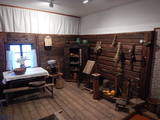 |
has a permanent exhibition that features a Suiti living room and kitchen and liturgical apparel worn by Catholic priests. In the exhibition hall there are changing exhibitions related to the history and present of the Suiti Women ethnographic ensemble. A special offer involves performances by Suiti women, Suiti men and Suiti bagpipe players. Also in the building are the Alsunga Tourism Information Centre, as well as ceramics and weaving workshops. Contact the museum in advance to arrange for performances and master's classes. |
|
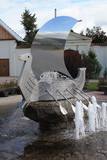 |
Arī 18. novembra laukums. Tas sācis veidoties 18. gadsimtā kā tirgus laukums. Tā dominantes bija 1752. g. celtais rātsnams (nav saglabājies) un aptieka, kas šajā ēkā darbojas no 1810. g. līdz pat mūsdienām. 2010. gadā laukumā izveidota strūklaka, kam ir pilsētas ģerboņa forma. |
|
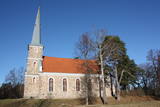 |
A wooden church was built here in 1766, and the new brick church was built on the foundations of the old church and consecrated in 1868. The tall steeple of the church helped ship captains orient themselves during the daytime. An altar painting by Gunta Liepiņa-Grīva, "Christ and Peter on the Sea," was consecrated in 1993 to replace the former painting, which was lost. The blue-white-green Livonian flag was consecrated at the Mazirbe manse (now a recollection centre) on November 18, 1923. Near the manse are several rocks which stand witness to the Black Plague in 1710 and 1711. The text in Latin said that Livonians on the coastline were conquered by Swedish King Karl IX and the bubonic plague. The texts on the rocks have eroded away, but records of them were made. The Mazirbe cemetery has a monument to Old Taisel, a monument to the parents of captain A. Bertholds, and the legendary grave of a werewolf. |
|
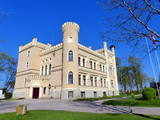 |
The mansion of the Gārsene Estate is built in the Neo-Gothic style, and its design was based on a villa in Germany. The building was erected between 1856 and 1860, and from then until 1920, the baronial dynasty of the Budbergs and Beningshausens owned it. The castle was expanded with another wing in 1885. Between 1939 and 1940, the building was rebuilt to become a school, and President Kārlis Ulmanis attended its opening on June 2, 1940, when he was taking his last official trip as the country’s president. There are other buildings and a park on the estate. The mansion today is home to the Gārsene Elementary School, but there is also an exhibition featuring the baronial dynasty, the history of the school, and the town itself. Just wait until you see the pot-bellied stoves! Outside the mansion are the Gārsene nature trails – the cultural and historical trail, the baronial strolling trail, etc. Before setting off, buy a ticket at the mansion. In front of the mansion is a memorial stone to Professor Pēteris Kulitāns (1878-1951), who was an agro-chemist. |
|
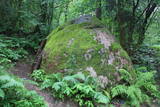 |
200 m attālumā no Gulbenes – Madonas ceļa mežainā nogāzē iegūlis 2,4 m augstais akmens. Tā lēzenajā virsmā iekalta ap metru gara, 0,3 m plata un ap 4 cm dziļa iedobe, bet akmens šķautnē - pakāpieni. Uzskata, ka šis ir sens kultakmens, pie kura ziedots. Lai nokļūtu līdz akmenim, vasaras otrajā pusē var nākties brist pa garu zāli. |
|
 12 days
|
The duration of this route is 9 days with an option to extend it for 12 days. The target audience for this route - independent travellers with transportation like bicycle and canoe boat. The total length sums up to ~ 446 km cycling and ~ 7 km canoeing. Itinerary: Rīga - Gauja National Park - Otepaa - River Ahja - Tartu - Lahemaa National Park - Tallinn. |
|
 |
Established: 1959
60 coniferous and 350 deciduous trees
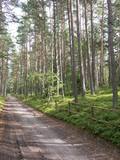
Brief description: Between the Tukums-Kolka road, the Lāčupīte stream and the sea, Igors Mednis has planted a series of foreign trees and shrubs. He has conducted experiments to see how different foreign plants adapt to different conditions. The best time to visit is in May and June, when the rhododendrons are in bloom.
|
|
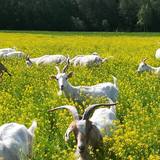 |
The farm breeds dairy and meat goats. They make yogurt, cheeses from the goat milk. They also make ecological organic goat's milk soap. In the farm they also grow rhubarb and make syrups and juices from it. You can take a tour, view the animals, taste milk, yogurt, various cheeses, meats sausages, etc.) and purchase the products, as well. |
|


