
| Nr | Nosaukums | Apraksts |
|---|---|---|
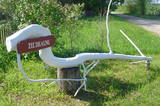 |
Teritorija iepretī Melnsilam iekšzemes pusē, starp Ezermuižu un Dūmeli, ir senā Dieviņezera gultne. Ezers savulaik bijis viens no lielākajiem Kurzemē: 7,5 km garš un 1,6 km plats. 1838.gadā tika izrakts kanāls (tagadējā Melnsilupe) un ezera ūdens nolaist jūrā. Barona Kārļa Ostenzakena mērķis bija iegūt lauksaimniecībai auglīgas zemes. Ezermuiža atrodas kādreizējā Dieviņezera DA galā - jau kopš baronu laikiem ciema iedzīvotāji bijuši saistīti ar pļavu sargāšanu, mežkopību un mežizstrādi. Savukārt Dūmeles ciems atrodas bij.ezera ZR pusē – Košraga virzienā. |
|
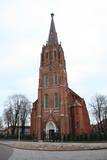 |
Atrodas Kuršu laukuma malā, E. Veidenbauma ielā 1. Pilsētas vecākā baznīca, par kuru saglabājušās ziņas no 1508. gada. Pirmais dievnams šajā vietā bija celts no koka. Pēc vairākkārtējām pārbūvēm (pēdējā - 1893. g. Liepājas arhitekta Paula Marksa Berči vadībā), tas ieguvis tagadējo neogotiskā stila veidolu ar gandrīz 60 m augstu torni. Baznīcas iekārta ir slavena ar vienu no izcilākajiem Latvijas baroka laika meistardarbiem (kokgriezējs Nikolass Sēfrenss jaunākais) - altāri, kam 2012. g. atzīmēja 350 gadskārtu. Altāri uzskata par vienu no izcilākajiem tā laika Austrumeiropas darbiem. Tā retabls (5,8 x 9,7 m) ir pazīstams ar Kristus ciešanu tematisko ciklu. Dievnamā atrodas trešās lielākās Latvijas ērģeles, kas darinātas pēc komponista un ērģelnieka Alfrēda Kalniņa skices. Baznīcu var apskatīt no iekšpuses un uzkāpt tās tornī. |
|
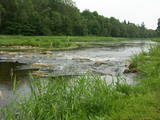 |
Dubīsas reģionālais parks (Dubysos regioninis parkas) dibināts 1992. gadā. Veidots Dubīsas upes ainaviskās senlejas aizsardzībai. Dubīsa – viena no populārākajām Lietuvas ūdenstūristu upēm (liels kritums, straujteces, ainaviski krasti). Tas aptver iespaidīgo Dubīsas ieleju, kuras dziļums sasniedz līdz pat 40 m, bet platums – līdz puskilometram. Skaistās ielejas nogāzes pāršķeļ dziļās sānu pieteku gravas. Šeit sastopami tādi nozīmīgi un Eiropas mērogā aizsargājami biotopi kā sausi zālāji kaļķainās augsnēs, sugām bagātas ganības un ganību pļavas, kuras apsaimnieko vietējie mājlopi, mēreni mitras pļavas, veci un dabiski boreālie (ziemeļu) meži, nogāžu un gravu meži un ozolu meži. Šeit kopumā konstatētas 805 augu sugas, 922 dzīvnieku sugas, no kurām daudzas ir aizsargājamas un reti sastopamas Lietuvas un Baltijas mērogā. Šejienes neparastais dabas skaistums ir ietekmējis senās pagānu tradīcijas – Betīgalā (Betygala) dzīvojis pēdējais pagānu priesteris Gintautas, kuru sauca par krīvu krīvu (krivių krivaitis). Tā dēvēja senos baltu tautu galvenos priesterus. Slavenā lietuviešu dzejnieka Mairoņa (1862. – 1932.) sētā ir izveidots etnogrāfiskais muzejs. Parka apmeklētāju centrs atrodas Kaulakiai ciemā. |
|
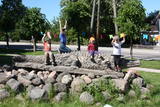 |
1995. g. darinātā (tēlnieks O. Skarainis) skulptūra novietota ceļa krustcelēs (E. Dinsberģa un Talsu ielas krustojums) pie Dundagas pienotavas. „Krokodils” ir veltīts Dundagas stiprajiem vīriem un bijušajam dundadzniekam Arvīdam Blūmentālam (1925. – 2006.), kas dzīvoja Austrālijā, bija liels dēkainis un medīja krokodilus (~ 10 000). A. Blumentāls bijis prototips slavenajā Pola Hogana filmā “Krokodilu Dandijs”. |
|
 |
Saimniecība atrodas netālu no Sangaste rukkiküla neskartas dabas vidū. Saimniecībā var pamieloties ar gardiem ēdieniem, ķert zivis, iet saunā, kā arī pārnakšņot. Sev piemērotas nodarbes atradīs gan aktīvās atpūtas cienītāji, gan vienkārši baudītāji. |
|
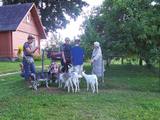 |
Latgales lauku sētas „Mežmalas” saimnieki izveidojuši interesantu
19. un 20. gs. sadzīves lietu, darbarīku un iekārtu kolekciju,
piedāvā tūristiem pašiem izmēģināt roku skalu grozu pīšanā. Skalu
grozu, zāļu tēju iegāde. Enerģētiska meža taka pa priežu mežu.
Darba laiks: pēc pieteikuma |
|
 7 dienas
|
Šis maršruts ir izveidots, lai parādītu Latvijas rudzu maizes cepšanas tradīcijas. Maršruts izstrādāts sadarbībā ar Latvijas Maiznieku biedrību. Rudzi ir gan latviešu uztura pamats, gan spēcīgs Latvijas kultūras un kulinārijas tradīciju simbols. Maršrutā akcentēta tradicionālā rudzu maizes cepšana un ēšana, kā arī sniegts ieskats rudzu graudu vēsturē no Latvijas senākajiem arheoloģiskajiem laikiem līdz mūsdienām. Maršrutā ietilpst saimniecību, graudu ražotņu un kultūrvēsturiski nozīmīgu vietu apmeklējumi. Tūre ir paredzēta grupām, un to ir iespējams pielāgot katram klientam, ņemot vērā viņa vēlmes, vajadzības un atvēlēto laiku. Tūrēs iekļauts: tikšanās ar ekspertiem, apmeklējumi, tūrisma pakalpojumi - naktsmītnes, ēdināšana, apskates vietas, autobusu īre, gidi. |
|
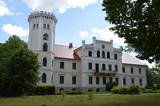 |
Skaistā ēka atrodas Lizuma centrā. Lizuma muižas īpašumi piederējuši dažādām dzimtām – vācbaltiešiem Tīzenhauzeniem, Malamiem un Volfiem. 1836. g. muižu iegādājas barons Otto Gotlībs fon Volfs, kura laikā muižas pils iegūst tagadējo veidolu – Tjudoru neogotikas stilu ar poligonālu torni. Jau no 1937. g. pilī izvietojusies Lizuma skola, kas ir viens no iemesliem, kādēļ saglabājusies ne tikai pati ēka, bet arī atsevišķi interjera elementi kāpņu telpā, Zilajā (Mednieku) zālē u.c. Pili ieskauj parks, kur atrodas muižas saimniecības ēkas – mūra klēts (te kultūras nams), 1876. g. celtais zirgu stallis (sporta halle), kalpu un dārznieka namiņš u.c. Bijušajā spirta brūzī ražo Gotiņas konfektes. Pils tornī izveidots Lizuma vidusskolas veidotais novadpētniecības muzejs. |
|
 |
Amatnieks strādā svēpētās (melnās) keramikas tehnikā. Aicina apmeklētājus uz cepļa atvēršanu, radošajām darbnīcām, piedāvā keramikas izstrādājumu pasūtīšanu un iegādi. |
|
 |
Atrodas ~1 km uz ziemeļiem no Puikules pie bijušā Limbažu dzelzceļa, Ziemeļvidzemes biosfēras rezervāta teritorijā. Saimniecībā audzē Latvijas tumšgalves šķirnes aitas, no kuru vilnas filcējot gatavo cepures, lakatus, suvenīrus. Tos var iegādāties saimniecībā uz vietas. Aitas nogana tuvējās pļavas, tādējādi veicinot augu daudzveidību apkaimē. Par mājdzīvnieku lomu bioloģiskās daudzveidības uzturēšanā var uzzināt arī pagalmā uzstādītajā stendā. Klētī izvietota sadzīves priekšmetu kolekcija. Apmeklētāji var doties ekskursijā, iegādāties suvenīrus. |
|
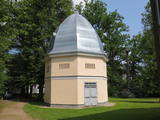 |
Siernīca jeb pulksteņu tornis (to sauca pēc apaļajā jumta logā iebūvētā pulksteņa), atrodas pie Naukšēnu muižas ieejas vārtiem. Astoņstūru mūra ēka ir segta ar kupolveida jumtu, kas noklāts ar skārdu. Pulksteņtornim ir divi stāvi. Otrais stāvs ir labi vēdināms ar nelieliem iegareniem lodziņiem, kas atrodas visās ēkas šķautnēs. Siernīcu varam apskatīt jau ap 1800. gadu zīmētajā J.K. Broces attēlā. Pēc tā noprotams, ka savu sākotnējo veidolu ēka nav zaudējusi līdz pat šodienai. Padomju laikā torņa stāvoklis pasliktinājās - pie tā piebūvēja šķūni un izlauzta lielu vārtu ailu. 2002. gadā izstrādāja un dzīvē īstenoja siernīcas torņa renovācijas projektu (arh. I. Maurāne). Iekštelpās ir saglabājies vēsturiskais ķieģeļu klons un kāpnes uz otro stāvu. Siernīcā izvietoti etnogrāfiski priekšmeti un šodien tas ir viens no Naukšēnu muižas tūrisma apskates objektiem. |
|
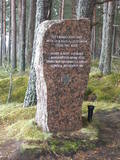 |
Ap 6 km garš un vienmuļš ceļa posms starp Ragaciemu un Klapkalnciemu, kur pēc nostāstiem senos laikos ceļiniekiem mēdza uzbrukt laupītāji. Apmēram 1,5 km pirms Klapkalnciema (dodoties no Ragaciema puses) kāpā pie jūras atrodas Somu jēgeru kaujām veltīts piemiņas akmens. To atklāja 1997. g. 9. decembrī. Akmens „atceļojis” no Somijas dienvidaustrumu daļas, kur 1940. g. tas kalpojis kā prettanku nocietinājums. Piemineklī ir iegravēts teksts: „Šeit 1. pasaules kara laikā, no 1916. gada augusta līdz decembrim cīnījās somu jēgeri”. Savukārt, Klapkalnciemā uzstādīts piemiņas akmens, kur apglabāti pieci somu karavīri. |
|
 17 dienas
|
The route leads through the Gauja National Park which is located on both sides of the ancient Gauja river valley. Sandstone cliffs and caves, hilly landscapes and deep forests and castles are characteristic of the park. Further on at Igate Manor stop for a lunch at their mill tavern to taste traditional Latvian food. The route turns towards the coastwhich belongs to the North Vidzeme Biosphere Reserveand continues through old Estonian fishing villages before arriving at the seaside resort of Parnu with its elegant villas. Next is a guided wilderness day in Soomaa National Park trying old-fashioned bog-shoeing and canoeing. Further on the route you will pass Pootsi with a 19th century manor and the ancient village of Varbla. Take a ferry to Muhu island and stay in the ethnographic fishermen's village of Koguva for a couple of days to explore the area. Cycle across the causeway to Saaremaa island from where you can take a ferry to laid-back Hiumaa island for a day trip to get a feeling for the true spirit of Estonia. Back on Saaremaa there is time for a free day in its capital, Kuressaare with plenty of spa and relaxation facilities. Then by bus head to Tallinn, charming with its medieval Old Town. From there enjoy a day trip to the former military base of Naissaar island where special cycling routes showcase its military history, mine and nature reserves. |
|
 |
Saimniecībā tiek audzēti Helix Aspersa Maxima sugas gliemeži. Ekoloģiska produkcija. Tie tiek baroti tikai ar vietējiem dārzeņiem un gliemežiem domāto īpašo barību. |
|
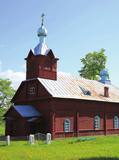 |
Tiskādu vecticībnieku draudzes dievnams atrodas pašā visvecākajā vecticībnieku draudzes apdzīvotajā pagastā Latvijā, celts 1886. gadā un atjaunots
1905. gadā. Šo namu iesvētīja vairāk nekā pirms 100 gadiem. Šobrīd lūgšanu
nams ir liels un plašs. Skaidri iezīmējas uz pakalna virs ciematiem simtgadīgu
koku paēnā.
|
|
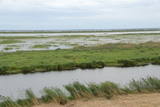 |
Dabas liegums atrodas dienvidaustrumos no Lubāna ezera un tas veidots purva un meža biotopu un tajos esošo sugu aizsardzībai. Gar teritorijas ziemeļu robežu iet Nagļu - Degumnieku ceļš (iekļaujas kopējā Lubāna dambju sistēmā), pa kuru apkārt Lubāna ezeram izveidots velomaršruts. Tas nozīmē, ka teritoriju var aplūkot arī "no malas", netraucējot tās dabiskās norises. Teritorija ietilpst arī Lubāna mitrāja kompleksā.
|
|
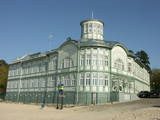 |
Jūrmalas pilsēta (piektā lielākā Latvijā) dibināta 1959. g., apvienojot Ķemeru un Slokas pilsētas ar Rīgas pilsētas Jūrmalas rajonu. Tā stiepjas 32 km garā Rīgas jūras līča piekrastes posmā. Jūrmalas kūrorts savulaik bija viens no nozīmīgākajiem šāda veida objektiem Ziemeļeiropā. To sekmēja vietējā un starpvalstu transporta un satiksmes (diližanss, tvaikoņi, vilciens) attīstība. Pirmos peldviesus uzņēma Dubultos, kur 1834. g. uzcēla pirmo viesnīcu, bet 1847. g. - pirmo kūrmāju. 19. gs. sāka darboties pirmās ārstniecības iestādes. No 1834. g. sākās strauja vasarnīcu izbūve. Kūrorta attīstību pārtrauca 1. pasaules karš. Pēc tā atkal bija vērojams straujš kūrorta uzplaukums no 12 tūkstošiem (1920. g.) līdz 32 tūkstošiem (1935. g.) atpūtnieku. Līdztekus Jūrmalai attīstījās arī Ķemeru kūrorts, kas masveida atpūtnieku raksturu ieguva padomju periodā. Mūsdienās Jūrmala ir populāra koncertu, festivālu, izstāžu, sporta sacensību u.c. publisku pasākumu norišu vieta. |
|
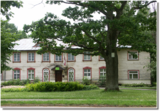 |
Vietējas nozīmes aizsargājams dižkoks
Tukuma ielas malā iepretim Jūrmalas pirmsskolas
izglītības iestādei „Pienenīte”.
|
|
 |
Meža izziņas programmas jaunākā, vidējā skolas vecuma bērniem, |
|
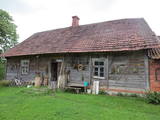 |
Daiļamata meistars no koka taisa karotes (no liepas, bērza koka) un pirtsslotas (ar āboliem). Darba vērošana, iespēja pašiem izgatavot karoti, gatavās produkcijas iegāde un karošu kolekcijas apskate. Aplūkot vērtas ir vecās saimniecības ēkas. |
|


