
| Нo | Название | Описание |
|---|---|---|
 8 дней
|
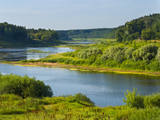
Даугаву не зря называют Рекой Судьбы, Сердечной Даугавой, Матушкой-рекой. Эта большая и полноводная артерия течет по нашей земле и истории. Викинги ее использовали уже с 5-го века. Краслава как место древнего городища на Даугаве была хорошо известна бесстрашным мореплавателям, так как вниз по течению можно было плыть под парусами. В сагах она названа Dynasaiforgarðr. |
|
 3 дня
|
Saaremaa, kas no igauņu valodas tulkojumā nozīmē "salu zeme" ir kā neizskaidrojams magnēts, kas ik vasaru pievelk ne tikai daudzus Latvijas, bet arī ārvalstu ceļotājus. Neparastais ar salām izraibinātais un zilais jūras klajs, savdabīgās kadiķu pļavas - alvāri, seni, neredzētas formas Dievnami, Baltijas tautām nozīmīgi vēstures pieminekļi - pilskalni, pils, nepieredzēta sugu, īpaši - putnu bagātība, vējdzirnavas, Eiropas iespaidīgākais meteorīta krāteris, senie zvejnieku ciemi ar salenieku parašām un īpatnībām - tās ir tikai dažas salas iezīmes. Salas galvaspilsēta - Kuressaare ir viena no skaistākajām Igaunijas mazpilsētām ar senu rātsnamu un rātslaukumu un vienu no iespaidīgākajām viduslaiku pilīm Baltijā, kurai pēc izskata nav līdzīgu. Kuressaare vērts pasēdēt kādā no pilsētas krodziņiem. Saaremaa salā ceļotāji tiek gaidīti vienmēr, par ko liecina labi pārdomātā un kvalitatīvā tūrisma infrastruktūra. Sala ir īsta paradīze ne tikai mierīgas atpūtas meklētājiem, bet arī visa veida aktīvās atpūtas piekritējiem - kājāmgājējiem, velobraucējiem, jūras viļņu vagotājiem un dabas vērotājiem! |
|
 |
Eine einzigartige Kirche mit einem im 17. Jh. beiseite gebauten Glockenturm. |
|
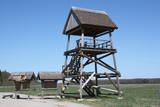 |
This barrow is on the western side of the Dunduri meadows and was built on the parking lot of the former collective farm. From the second level of the tower, you will have an excellent view of the meadows all the way to the Džukste River and the Kauguri canal. There are livestock accustomed to life in the wild, although they will sometimes be quite distant. This is a bird-watching location from the springtime until the second half of the summer. |
|
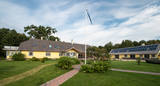 |
Nurka Farm is located in Luitemaa Nature Protection Area in Pärnu County. The farm complex that is over 100 years old has been renovated into a contemporary holiday farm with all modern conveniences. |
|
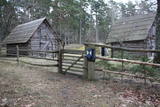 |
В 0,2 км к северо-востоку от Ливского народного дома, с дороги Мазирбе - Кошрагс виднеется «Сеппес». Хозяйственный амбар, имевший в углах бревенчатые соединения впритык, который в 20 - 30 годы прошлого столетия строил пришедший из Самсалы в Мазирбе эстонец - рыбак и плотник Екабс Яга. На другой стороне дороги виднеются «Калши» - жилое строение начала XX века. Восстановлено в наши дни, сохраняя в стенах дома кирпичи, которые обжигались в Брауской кирпичной печи Мазирбе. |
|
 |
Zemnieku saimniecības «Kļavnieki» pirmsākums meklējams 1922. gadā, kad zeme tika iedalīta par dienēšanu armijā. 90-to gadu sākumā saimniecība tikai pārņemta un radīta tāda, kāda tā ir redzama šodien. Pēdējos desmit gadus saimniecība pazīstama ar gardas kazas piena produkcijas radīšanu. Sieri Kā top siers Apmeklētājiem Kur iegādāties sierus |
|
 |
The “Lamb Club” is a farm in Mazsalaca, and it is special because the sheep live in a real club! The owners offer the atmosphere of a farm at which the sheep play major roles. Enjoy mutton and sheep milk foods and beverages, feel how comfortable it is to read your favourite while sitting on a fluffy sheepskin, and, in order not to get cold by the campfire in the evening, you can purchase warm woollen socks and woven woollen cloaks. The owners hope that people from Latvia and all around the world will spend more time at the farm, because accommodations involve a new glamping tent that is as close as possible to nature and the healthy rural environment. Don’t lose a lick of the comfort that you are used to in your everyday life! The owners, Ilze and Valters, will be happy to give you a tour during which they talk about herding sheep. If you contact them in advance, they will prepare a tasty mutton meal for you. The tour can also be supplemented with various activities such as games, quizzes and creative workshops at which sheep wool is utilised. |
|
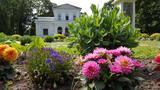 |
Усадебный комплекс Швекшна представляет собой один из красивейших архитектурных ансамблей во всей Жемайтии. Вокруг усадьбы разбит великолепный парк. Обе части парка соединены широкой парадной лестницей, украшенной вазами. С лестницы открывается прекрасная панорама водоемов нижней террасы. На острове посреди центрального усадебного пруда все еще стоит скульптура богини Дианы. На главной аллее парка восстановлены нарядные солнечные часы, ваза на пьедестале, статуя Св. Марии, скульптура «Ангел свободы». Также были отреставрированы и другие элементы парка — обзорные площадки, тропинки, ворота. |
|
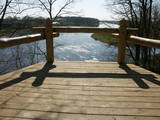 |
Находится на левом берегу Лиелупе, напротив Межотненского замка. Одно из крупнейших укрепленных городищ земгалов 9 - 13 вв., рядом с которым на площади в 13 га располагался древний город. Благоустроено. Через Лиелупе построен понтонный мост, по которому пешеходы и велосипедисты (май - октябрь) могут пройти к Межотненскому замку. Примерно в 0,5 км к югу от городища находится Винная гора, до которой ведут деревянные мостки. |
|
 |
Ugandi Resto ‒ ресторан со стильным интерьером, вкусной едой и приветливым обслуживанием, который находится в Отепя. Блюда готовятся из свежих, качественных местных продуктов. |
|
|
|
Lielā dziesmu vieta "Dzintari" ir ievērojama ar to, ka tieši tur 1866. gadā norisinājās pirmie latviešu skolēnu koru svētki. Lai iezīmētu šo vietu, 2015. gada vasarā Madonas novada, Praulienas pagasta, Šūpuļkalnā (Madona – Varakļāni ceļa malā) tika uzstādīts Ivara Mailīša veidotais vides objekts “Latvija skan”. Šajā vietā atrodas arī māja, kurā dzīvojis ievērojamais koru virsdiriģents Haralds Mednis (1906-2000). Lai saglabātu mākslinieka piemiņu, 2016. gadā durvis vēra Haralda Medņa 20. gs. 30. gados uzceltā māja “Dzintari”. Tajā apskatāma izstādes par virsdiriģentu Haraldu Medni un Pirmajiem latviešu skolēnu koru svētkiem. Vietai dots skanīgs nosaukums – Lielā dziesmu vieta “Dzintari”. |
|
 |
Z/s "Kaupēni" ir ieguvusi bioloģiskās saimniecības statusu. Kaupēnu saimnieks Valdis Apalups ir pievērsies kazu audzēšanai, gaļai - saimniecībā uz vietas notiek arī gaļas pārstrāde. |
|
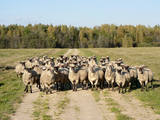 |
На полях хозяйства (разместилось в доме прислуги бывшей господской усадьбы «Кемпену») пасется более 200 голов Латвийской темноголовой овцы. Здесь можно приобрести мясо, шерсть, кожу и принять участие в познавательной экскурсии с дегустацией, ловить рыбу и дегустировать форель (рыба только для клиентов, которые остаются на ночлег). |
|
 |
Saimniecībā tiek piedāvāti dažādi biškopības produkti: medus, bišu maize, propoliss, vaska sveces. Iespēja sarunāt izzinošu ekskursiju - ceļojums bišu pasaulē ar gulēšanu uz bitēm. Tiek piedāvāta arī loku šaušana un zāļu tējas. |
|
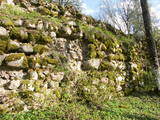 |
The Volkenberga Castle was built in the 13th century by the Livonian Order, and it was practically impregnable, as it was on top of Mākoņkalns hill. These were among the first fortifications in Latgale, and only fragments of the castle remain today. Architect Pēteris Blūms has said that this was a special type of fortification. Legends say that after the lord and lady of the castle died, the property was divided up among their three daughters – Roze, Lūcija and Marija. Each sister built a new castle on the land which she inherited – Roze built Rēzekne, Lūcija built Ludza, and Marija built Viļaka. A memorial plaque at the foot of Mākoņkalns hill recalls the visit which pre-war Latvian President Kārlis Ulmanis paid to Latgale in 1938. |
|
|
|
Бывший танковый полигон, о существовании которого сейчас свидетельствуют лишь случайные воспоминания (см.рассказ).
|
|
 |
Семейная ферма Жиляй основана, обслуживается и развивается одной семьей. Любознательные отдыхающие, прогуливаясь, могут увидеть, как выглядят белые павлины, фазаны, утки, куры, лошадки пони, французский скот породы Шароле, белые свиньи генофонда Литвы. |
|
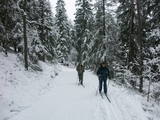 |
The nature park near the town of Ogre is a popular place for leisure, hiking and, in the winter, cross-country skiing. Most of the park is covered with coniferous trees that are on a long and comparatively narrow line of hillocks with steep sides – another element of nature left behind in Latvia by the Ice Age. Many different plants can be found here. The Jaunogres castle hill is one of the most distinct hillocks in the area. |
|
 |
Это место в Валмиере ‒ в самом сердце города, напротив Ратушной площади ‒ пришлось по душе гурманам. Здесь каждый гость может стать гурманом и насладиться самыми разными вкусовыми «букетами» и соответствующими времени года продуктами, доставленными из местных хозяйств. Летний сад ресторана сделан так, чтобы подчеркнуть значение Валмиеры как Ганзейского города ‒ средневекового союза торговцев. Латышская кухня: Ассорти латвийских сыров, Валмиерский салат, картофель в мундире с творогом, холодный суп на кефире, суп из баранины, судак из озера Буртниеку, жареное филе сома, стейк из бараньей ножки, жареные свиные ребрышки. Особое блюдо: Испеченный в меде ржаной хлеб. |
|


