Nature objects in Lithuania
Was ist das Besondere an der Natur in Litauen?
Die Kurische Nehrung - ein sandiger, wüstenartiger Landstrich zwischen dem Ostseesee und dem Kurischen Einlass, die hügeligen Landschaften der Region Samogitia, die blauen Spiegellabyrinthe der Seen in der Region Aukštaitija, die Kiefernwälder in der Region Dzukija, Die Kurven des Nemuna-Flusstals und die vielen regionalen Naturparks, die nicht nur zum Schutz der Natur, sondern auch zur Erholung und zum Interesse der Menschen geschaffen wurden - dies sind die Naturwerte, die Gäste Litauens anziehen.
Handle verantwortungsbewusst - folge dem Grünen Rat!
| Overview | Details |
|---|---|
 |
Lithuania
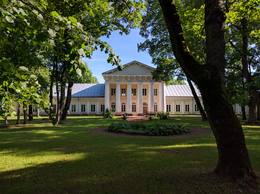
The Salu Estate parkLocated on an island in Lake Dviragio, the Salu Estate and its park, when viewed from above, are reminiscent of the boundaries of Lithuania. The park to the east of the estate is a mixed-type park and is one of the oldest ones in Lithuania. Back in the day, it was a forest park where trees were never cut down. The park featured maple, linden, elm, aspen and other local trees, and they are now around 200 years old. A winding path links the alley to a park trail by the lake. The various plants and fragments of alleys have survived to the present day.  1-12 


Services
1-12 Active season monthsServices - other
Accepts tourist groups
Accepts individual travellers
This destination has specific opening hours which you must determine in advance
Must register in advance |
 |
Lithuania
Kaunas juras regionalais parksKauņas jūras reģionālais parks (Kauno marių regioninis parkas) dibināts 1992. gadā. Tas ietver Nemunas HES uzpludināto posmu – lielāko Lietuvas ūdenskrātuvi no Kauņas līdz Piļonas (Piliuona) ciemam. Viena no nozīmīgākajām parka vērtībām ir ainava, kas veidojusies ilgā cilvēka un dabas mijiedarbībā. Parkā konstatētas 950 augu sugas, 600 dzīvnieku, t.sk. - 34 zivju sugas. Parka nozīmīgas dabas vērtības ir meži, augstie purvi, kadiķu audze. Parkā ir apskatāmi dažādu vēsturisko periodu liecinieki – senču pilskalni, Pažaislis klosteris, Kauņas cietokšņa Piektais forts, kā arī Rumšišķes (Rumšiškės) brīvdabas muzejs – viens no lielākajiem (195 ha) šāda veida muzejiem Eiropā. Vaišvīdavā (Vaišvydava) ir izveidots parka apmeklētāju centrs, parkā ir dabas takas, piemēram, Žiegždriai ģeoloģiskā taka un Dubravos izziņas taka. 
 111 Services
111km - Distance from countries capital city |
 |
Lithuania
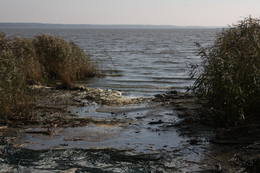
Kurisches HaffDas beinah 100 km langes und bis zu 36 km breites aus dem Süßwasser bestehende Haff, das im Norden mit der Ostsee verbunden ist. Das Haff trennt vom Merr die eindrucksvolle Kurische Nehrung. Ins Kurische Haff mündet der größte Fluss Litauens Nemunas ein. 310
Services
310km - Distance from countries capital city |
|
|
Lithuania
Burgberg SeredziausEine der malerischischen Burgberge am Fluss Nemunas mit schöner Sicht aufs Flusstal. In 13 – 14 Jh. befand sich hier eine militäre Festung, die nicht erhalten ist. 145
Services
145km - Distance from countries capital city |
 |
Lithuania
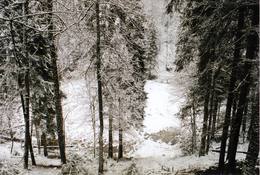
The Aukstadvaris Regional ParkThis territory in the northern part of the Dzūkija Highlands with lots of hillocks and lakes. The most interesting tourist destination is Velnio duobė (Devil’s Flowerbed) – a funnel-shaped hole that is up to 40 m deep and 200 m wide and is thought to have originated during the Ice Age.
Services
56km - Distance from countries capital cityServices - recreational
Nature trailVelnio duobė is the most interesting geological formation of its type in the Baltic States – hike to it. 
Nature watchingViews from the Aukštadvaris castle hill. For more information: www.aukstadvaris.lt/parkas.htm (only in Lithuanian). |
 |
Lithuania
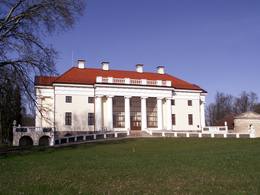
The Pakrujo Estate parkThis landscape park has survived to the present day and was installed between 1850 and 1860. On one side the territory has a boundary that is the dammed Kruoja River, and on the other side there is a fence made of fieldstones. The English park principles at that time meant that advantage was given to a natural landscape with imitations of nature. There are some 26 types of trees in the park, and some of them were introduced from various parts of the world a few centuries ago. 1-12


Services
1-12 Active season monthsServices - amenities
Accommodation availableServices - other
Accepts individual travellers
Accepts tourist groups
This destination has specific opening hours which you must determine in advance
Must register in advance
Optional meals |
 |
Lithuania
Tauragns (Tauragnas)Ap 9,5 km garais un līdz kilometru platais ezers atrodas subglaciālā – t.i. ledāja veidotā vagā, tādēļ tas ir ne tikai Lietuvas, bet arī otrs Baltijas dziļākais ezers (pēc dažādiem avotiem 60,5 m vai 62,5 m). Tauragna dienvidu krastā paceļas Taurapils pilskalns (Taurapilio piliakalnis). Saglabājušies nostāsti gan par pagānu priesteri, kas te dzīvojis, gan nogrimušu baznīcu, gan laikiem, kad pilskalnu no visām pusēm apņēmis ūdens. No pilskalna plakuma paveras visaptverošs skats uz Tauragnu. 117
Services
117km - Distance from countries capital city |
 |
Lithuania
The Kurtuvėnai Regional ParkThis is a small area with lots of different terrains – high hillocks, distinct river valleys, thermal streams, continental dunes, etc.
ServicesServices - recreational
Bicycle trailBike around Kurtuvėnai. For more information: www.kurtuva.lt (available in English).
Nature trailHike the Vainagių forest trail (4.3 km) or the Juodlė information trail (4.5 km). |
 |
Lithuania
The Dzukija National ParkThis territory is Lithuania’s most forested area, and people here have always lived in accordance with nature. Local treasures include berries, mushrooms, honey, clean water from streams and rivers, etc. People here have engaged in various crafts, as well as in beekeeping.
Services
110km - Distance from countries capital cityServices - recreational
Boat tourTake a one or two-day boat ride down the Ūla River (you will need a permit, which can be obtained at the visitor centre in Marcinkonys). Boat to the Merkys River and then down the Merkys River to Merkinė.
Bicycle trailBike the route Marcinkonys-Puvočiai-Mardasavas-Mančiagirė (or Zerviynos)-Marcinkonys (up to 40 km).
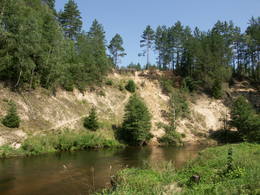
Nature watchingViews in the Džukija forests. Views from the Ūla cliff and the Liškiava and Merkinė castle hills. There are visitor centres in Marcinkonys and Merkinė. For more information: www.dzukijosparkas.lt (available in English). |
 |
Lithuania
Seires dabas taka (Seirės gamtos takas)Četrus kilometrus garā lokveida un marķētā dabas taka meklējama Plateļu pilsētiņas ziemeļaustrumu daļā. Tā ved pa dažādiem biotopiem – mežu, purvu, ezera malu, atklājot dažādas ainavas un tajās mītošās augu, putnu un dzīvnieku sugas. Šī ir interesantākā un ainaviskākā no Žemaitijas nacionālā parka takām. 307
Services
307km - Distance from countries capital city |
 |
Lithuania
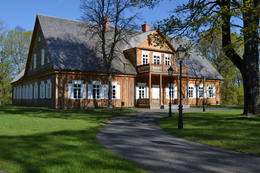
The Birzuvenai Estate ParkThis park surrounds the mansion of the Biržuvenai Estate, and it is based on the terrain of the Virvite River and an old river that provides water for the park. The central part of the park is regularly designed, while the rest has elements of landscape. Opposite the estate is a glass sculpture, and on its western side is a wooden pergola. Local trees dominate in the park, but there are also trees from other countries. Of importance is a group of oak trees on the banks of the river, as is an alley of linden trees that leads to the pond in the direction of the estate. 1-12
Services
1-12 Active season monthsServices - other
Accepts individual travellers
Accepts tourist groups
This destination has specific opening hours which you must determine in advance |
 |
Lithuania
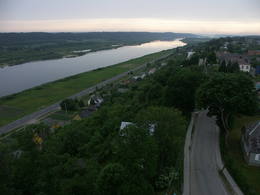
The Panemunių Regional ParkThis park covers the Nemuna River valley between the villages of Seredžius and Geldaudišķis, with lovely views of castle hills, medieval castles, aristocratic estates, etc., along the shores.
Services
156km - Distance from countries capital cityServices - recreational
Bicycle trailBike from Seredžius to Jurbarkas (47 km).
Nature watchingViewing areas from the Seredžius castle hill, the Veliuona castle hill, and the local church. There’s a visitor centre at Šilinė. For more information: www.prpd.lt (only in Lithuanian). |
 |
Lithuania
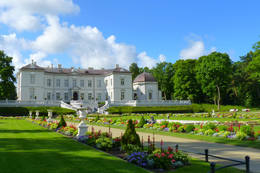
The Palanga Botanical GardenThe Palanga Botanical Garden surrounds the Palanga Amber Museum and is one of Lithuania's most beautiful and well-kept parks. It is in the area of the St Birute Forest, and it is familiarly known as the Birute Park. The park covers 101.3 ha of land, and offers a wide variety of landscapes, carefully organised trails, flowerbeds, two ponds and small architectural elements. 1-12
Services
1-12 Active season monthsServices - other
Accepts individual travellers
Accepts tourist groups
This destination has specific opening hours which you must determine in advance |
 |
Lithuania
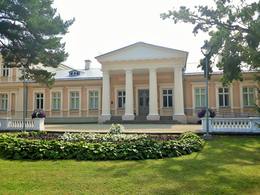
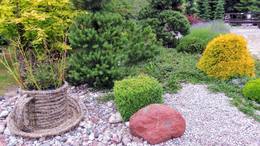
The Renavo Estate ParkDating back to the 19th century, this is a characteristic and beautiful park in Lithuania. There is no shortage of exotic trees in the park, including maples, lindens, elms, firs, oaks, etc. The pride of the park is Lithuania's fattest fir tree with a diameter of 1.2 m, as well as a linden tree with six branches that, over the course of time, have become vertical trunks on their own. Entry to the park is via a pergola that is covered with ivies. 1-12
Services
1-12 Active season monthsServices - other
Accepts individual travellers
Accepts tourist groups
This destination has specific opening hours which you must determine in advance |
 |
Lithuania
The University of Klaipeda Botanical GardenThe botanical garden was established in 1993 in the lovely Dane River valley. It covers approximately 9.3 hectares, and in 2002, it was given the status of a dendrological park.  4-9 Services
4-9 Active season monthsServices - other
Accepts individual travellers
Accepts tourist groups
This destination has specific opening hours which you must determine in advance
Must register in advance |
 |
Lithuania
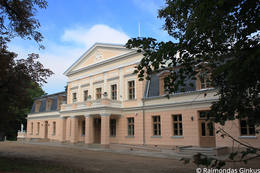
The Zagare Estate parkThis is one of the most colourful and architecturally interesting parks in Lithuania. It was rebuilt and expanded between 1898 and 1900 by the renowned dendrologist G.F. Kuphaldt. The park had more than 200 types of plants, more than 100 of which are still growing. There are various roads and pathways that offer a sense of the mightiness and beauty of the park. A dendrological trail with markers offers information about 15 rare trees. 1-12
Services
1-12 Active season monthsServices - other
Accepts individual travellers
Accepts tourist groups
This destination has specific opening hours which you must determine in advance |
 |
Lithuania
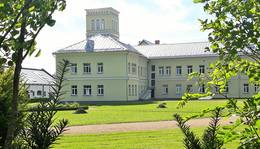
The Rietavas Estate ParkThe Rietavas Park was once the largest landscape park in Lithuania. It was established between 1848 and 1855 in a naturally cleaned forest and reconstructed in 1904 and 1905. This is a very nice park with local bushes and trees, as well as several foreign plants. Various alleys of trees and fragments of the hedges have been preserved along with the white gate, the red gate and a guard's hut. The park has a complex system of bodies of water, including a few ponds, a curvy river and an island that is surrounded by the old river. 1-12
Services
1-12 Active season monthsServices - other
Accepts individual travellers
Accepts tourist groups
This destination has specific opening hours which you must determine in advance |
 |
Lithuania
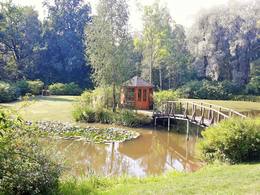
Botanikas takaKaut arī Augštaitijas nacionālo parku uzskata par floristiskā ziņā ļoti bagātu teritoriju, šī ir vienīgā vieta, kur varam iepazīt augu valsts bagātību. To īstenot palīdz takas malās izvietotie informācijas stendi. 3,8 km garās lokveida takas sākums ir meklējams Palūšē, Lūšu (Lūšiai) ezera galējā austrumu punktā. Taka ved gar ezera krastu, mežainām kāpām, nelielu strautu ielejām un pa purvāju. Nenomaldīties palīdz krāsu marķējums uz koku stumbriem. 113
Services
113km - Distance from countries capital city |
 |
Lithuania
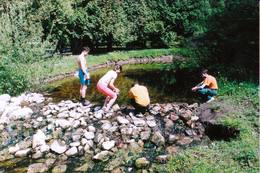
The Izidoras Navidanskas Zemaitija Botanical ParkOne of the oldest botanical parks in Lithuania, this one was opened by Izidoras Navidanskas in 1928, when he was only 16. In 1965, the park because the Žemaitija botanical park, and Navidanskas and his son, Rapolas, who is the current owner, did a lot to expand it.
1-12
Services
1-12 Active season monthsServices - other
Accepts individual travellers
Accepts tourist groups
This destination has specific opening hours which you must determine in advance |
 |
Lithuania
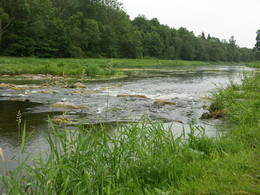
The Birzai Regional ParkThis is one of the most outstanding areas in the entire Baltic States with active underground waterways which still, to this very day, dissolve local gypsum rock. Parts of the area collapse regularly, and there are legends about all of this. Underwater rivers, streams, the so-called Karvės (Cow) cave, etc., can be seen in the area.
ServicesServices - recreational
Nature trailHike along the Smardones šaltiniai stream, with a walking bridge across Lake Širvėnos (500 m). Hike other trails around the little lakes in the area. There’s a visitor centre in Biržai. For more information: www.birzuparkas.lt (available in English). |
 |
Lithuania
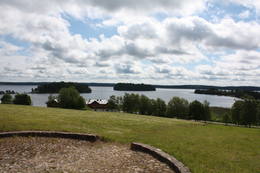
The Dubysa Regional ParkThis park was set up to protect the lovely ancient valley of the Dubysa River. This is one of the most popular rivers for water tourism in Lithuania, because it has a significant drop with rapids and beautiful shorelines.
ServicesServices - recreational
Boat tourA one-day boat trip from the Raseiniai-Baisogala road bridge to the Ariogala bridge. For more information: www.dubysa.info (very little information available in English). |
 |
Lithuania
The Zemaitija National ParkThis park is located in the northern part of the Žemaitija Highlands, and much of it is taken up by Lake Plateliai. The park was established to protect lakes, rivers, wetlands and forest ecosystems, as well as the local cultural environment.
ServicesServices - recreational
Boat tourTake a boat to the Pilies island in Lake Plateliai.
Bicycle trailBike around the lake (~25 km).
Nature trailHike the Šierė nature trail (4.1 km), the Plokštinė information trail (3.1 km), which runs past a former Soviet military base, or the Mikytai information trail (1 km).
Nature watchingLook for birds from a tower near Lake Maudutis in the village of Virkšai. A viewing location from the village of Plateliai offering a look at the lake. There’s a visitor centre in Plateliai, as well. For more information: www.zemaitijosnp.lt (available in English). |
 |
Lithuania
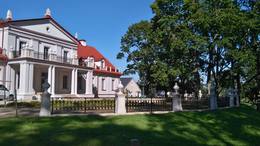
The Ilzenbergo Estate parkThis mixed-type park dates back to the latter half of the 19th century and has remained all but unchanged. It is in a lovely place between two lakes, and its spatial structure was preserved when it was restored. The park covers 10 ha and has two parts. One is a fairly precisely rectangular territory alongside the state, surrounded by a stand of linden trees and introduced trees. The other part has a natural forest. The largest oak tree in the park has been declared to be a protected element of natural heritage. The mighty trunk of the tree is 6.3 m around, has a 2m diameter and stands 30.5 m high. 1-12
Services
1-12 Active season monthsServices - amenities
Accommodation availableServices - other
Accepts tourist groups
Accepts individual travellers
This destination has specific opening hours which you must determine in advance
Optional meals |
 |
Lithuania
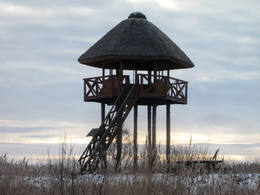
Rusnė IslandA island in the delta of Nemuna. Etnographical museum, Uostadvaris lighthouse, bird watching tower. 304
Services
304km - Distance from countries capital city |
 |
Lithuania
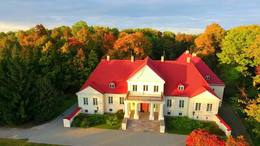
The Joniskelis Estate parkThe Jakiškiu Estate was first mentioned in documents in the late 16th century. The estate had elements of Classicism in terms of its architecture. Among the buildings, the only ones that have survived are the mansion, an ice cellar and a steam-driven windmill. The estate has not been restored, so it is still authentic. Its artistic soul is preserved by various objects that remain from the time when people lived at the estate and from the Soviet era. Alongside the estate are a few fragments of a park, which covers approximately 2 ha. There is an ancient alley of linden trees that are on both sides of the entrance road, as well as several other valuable types of trees and a small pond. 1-12
Services
1-12 Active season monthsServices - other
Accepts tourist groups
Accepts individual travellers
This destination has specific opening hours which you must determine in advance |
 |
Lithuania
Cepkelu purvs (Cepkelių raistas)Lietuvas lielākais sūnu purvs, kura aizsardzības nolūkā ir izveidots Čepkeļu dabas rezervāts (Čepeklių gmatinis rezervatas). Tas izvietojies starp Dzūkijas nacionālā parka dienvidaustrumu daļu un Baltkrieviju. No Marcinkones pa smilšainu meža ceļu (~ 9 km turp - atpakaļ) ar kājām vai divriteni (arī nelielu tūrisma autobusu līdz 20 vietām) var nokļūt līdz purva malai, kur mežainās kāpās un purvā izveidota 1,5 km gara dabas taka un skatu tornis, no kura labi pārredzama purva rietumdaļa. Pirms došanās uz Čepkeļu purvu, ir jāreģistrējas Dzūkijas nacionālā parka apmeklētāju centrā (Šilagėlių gatve 11), kas meklējams aiz dzelzceļa pārbrauktuves. Te apskatāma neliela nacionālajam parkam un rezervātam veltīta ekspozīcija. 112
Services
112km - Distance from countries capital city |
 |
Lithuania
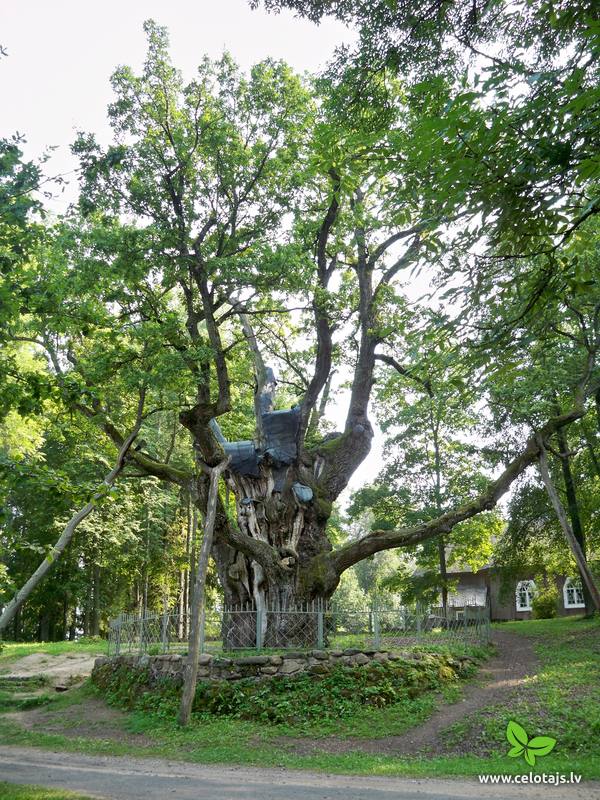
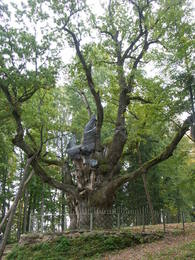
The Stelmuzės oak treeThis is the thickest English oak (Quercus robur) in Lithuania, with a circumference of 9.4 m (as opposed to the Kaive oak in Latvia, which has a circumference of 10.18 m).
|
 |
Lithuania
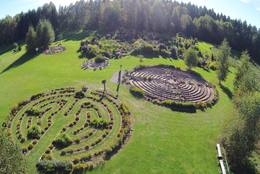
The Energetic Labyrinth and Geometric Figure ParkThis park has five labyrinths with decorative plants, flowers and various kinds of medicinal plants. The longest path in the labyrinth is 1.7 km long. The total distance of the paths is 4.5 km. The park has three geometric figures -- a cupola, a mandala and a Merkabah. 1-12

Services
1-12 Active season monthsServices - other
Accepts individual travellers
Accepts tourist groups
This destination has specific opening hours which you must determine in advance
Pre-order required
Optional meals |
 |
Lithuania
The Varniai Regional ParkIn the central part of the Žemaitija Highland, this park was established to protect local landscapes. Lithuania’s highest hillocks are found here – Mėdvegalis (235 m above sea level) and Šatrija (229 m). There are also other hillocks which offer a great view of the area – make up your own tour here.
ServicesServices - recreational
Nature trailHike the Debesnos botany trail (2 km).
Nature watchingViews from the Mėdvegalis, Šatrija, Moteraitis and Bilioniai castle hills. There’s a visitor centre at Varniai. For more information: www.varniai.lt (only in Lithuanian). |
 |
Lithuania
Bernsteinhaff1855, als einen Schiffahrtsweg getieft wurde, wurde im Haff unerwartet eine Bernsteinablagerung gefundet. In der Zeit zwischen 1860 und 1890 wurde dort 2250 Tonen Bernstein gewonnen, einbezogen einzigartige Bernsteingegenstände aus der Jungsteinzeit und der Bronsezeit. 319
Services
319km - Distance from countries capital city |