Naturobjekte in Litauen
Was ist das Besondere an der Natur in Litauen?
Die Kurische Nehrung - ein sandiger, wüstenartiger Landstrich zwischen dem Ostseesee und dem Kurischen Einlass, die hügeligen Landschaften der Region Samogitia, die blauen Spiegellabyrinthe der Seen in der Region Aukštaitija, die Kiefernwälder in der Region Dzukija, Die Kurven des Nemuna-Flusstals und die vielen regionalen Naturparks, die nicht nur zum Schutz der Natur, sondern auch zur Erholung und zum Interesse der Menschen geschaffen wurden - dies sind die Naturwerte, die Gäste Litauens anziehen.
Handle verantwortungsbewusst - folge dem Grünen Rat!
| Überblick | Details |
|---|---|
 |
Litauen
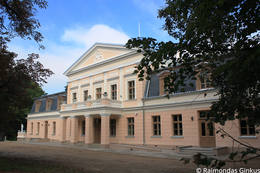
SCHLOSSPARK ZAGARĖDer Schlosspark Žagarė ist einer der prunkvollsten und aus architektonischer Sicht einer der interessantesten in Litauen. Der Park wurde 1898-1900 rekonstruiert und dabei nach einem Entwurf des berühmten Gartenarchitekten Georg Kuphaldt erweitert. Im Park wurden mehr als 200 Arten Pflanzen angepflanzt. Davon wachsen über 100 auch heute noch. Eine Vielzahl an Wegen und Pfaden sind im Park erhalten, auf denen man die Größe und Schönheit des Parks eindrücklich empfinden kann. In dem Park gibt es einen dendrologischen Lehrpfad, wo 15 seltenere Baumarten markiert und beschrieben sind.  1-12 1-12


Leistungen
1-12 Aktive SaisonmonateLeistungen - andere
Hier werden individuell Reisende empfangen
Hier werden Gruppen von Touristen empfangen
Ort mit einer festgelegten Arbeitszeit, über die man sich vorher informieren muss |
 |
Litauen
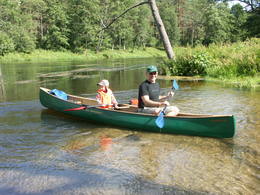
Ula (Ula) un Merke (Merkys)Ūla ir viena no skaistākajām un likumsakarīgi – arī populārākajām Lietuvas ūdenstūristu upēm. Tās galvenā pievilcība ir skaistā ainava ar augstajiem upes krastiem, kuros slejas iespaidīgas smilšu kraujas līdzīgi kā Irbes krastos Latvijā. Laivošanu var sākt no Mančagires (Mančiagirė) vai Zervinos ciemiem un turpināt līdz Ūlas ietekai Merķē un tālāk pa Merķi līdz pat Merķinei un Nemunai. Ūla nav plata, taču posmā no Zervinos ciema tajā nav neviena koku aizgāzuma vai cita šķēršļa, kuram laiva būtu jānes apkārt. Ašā straume, asie līkumi, dzidrais ūdens un tajā redzamā zemūdens pasaule rada patiesi patīkamu sajūtu! Upes krastos atrodas gan publiskas (apsaimnieko Lietuvas valsts meži), gan privātas ūdenstūristu apmetnes un atpūtas vietas. Šī ir vienīgā Baltijas upe, kur ūdenstūristiem ir jāpērk licence. Ūlas krastos atrodas divi interesanti apskates objekti – Ūlas atsegums (Ūlos atodanga) un spēcīgs avots – Ūlas acs (Ūlos akis). Savukārt, Merķe jau ir jau krietni platāka upe, taču ar acīm redzamu straumi un dažviet pat jaukām straujtecēm. Kaut arī Merķes krasti ir mazapdzīvoti, tajos atradīsim piemērotas nakšņošanas vietas. Pa Ūlu un Merķi no Zervinos līdz Merķinei sanāk „mierīgs” pusotras - divas dienas ilgs brauciens. |
 |
Litauen
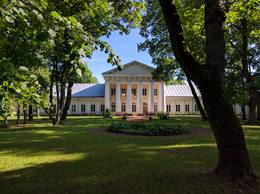
GUTSPARK SALOSDas Gutshaus Salos und der Park befinden sich auf der Insel im See Dviragis, die aus der Luft eine gewisse Ähnlichkeit mit der Landkarte Litauens hat. Auf der Ostseite von dem Gutshaus befindet sich der Park, der einer der ältesten Parks in Litauen ist. Bereits unter der Herrschaft derer von Radvila befand sich hier ein Waldpark, in dem die Bäume nicht gefällt wurden. Im Park dominierten einheimische Laubbäume: Ahorn, Linde, Esche, Pappel, die mittlerweile ein Alter von 200 Jahren erreicht haben. Der zum See hinabgehende Weg verband die Alle mit dem Parkweg am See entlang. Heute sind noch Fragmente der Grünanlagen und der Allee erhalten. 1-12

Leistungen
1-12 Aktive SaisonmonateLeistungen - andere
Hier werden Gruppen von Touristen empfangen
Hier werden individuell Reisende empfangen
Ort mit einer festgelegten Arbeitszeit, über die man sich vorher informieren muss
Mit vorheriger Anmeldung |
 |
Litauen
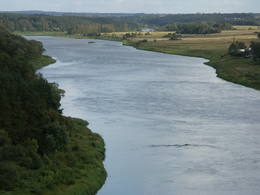
Regionalpark der Nemunas-BögenEine schöne malerische Flussstrecke zwischen Alytus und Pakuoni, wo der Fluss mehrere breite Mäanderkrümmungen mit bis zu 40 m hohen Mörenenabdeckungen macht (Balbieriškio-Abdeckung u.a.). Leistungen
91km - Entfernung von der HauptstadtLeistungen - erholung
Fahrten mit Schiff/BootSpend two days boating from Alytus to Birštonas. 
RadrouteBike the Žvėrinčius forest trails (15 km). 
NaturpfadHike the Velniabliūdis information trail (1.5 km) or the Škėvoniai information trial (1.6 km). 
NaturbeobachtungViews from the Balbieriškis and Škėvonis cliffs, as well as the Punia and Rumbanių castle hills. For more information: www.nemunokilpos.lt (available in English). |
 |
Litauen
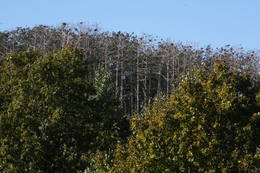
Garnu kalns (Garnių kalnas)Aiz Jodkrantes (Nidas virziens) ceļa labajā pusē ir izveidots autostāvlaukums un labiekārtota vieta, no kuras apskatāma Lietuvas (atrodamas ziņas, ka arī Eiropas) lielākā zivju gārņu Ardea cinerea un jūras kraukļu Phalacrocorax carbo kolonija, kur kopā varētu būt ~ 3000 putnu. Neaizmirstiet līdzi paņemt tālskati! 355
Leistungen
355km - Entfernung von der Hauptstadt |
 |
Litauen
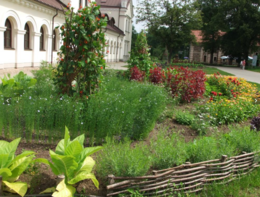
BOTANISCHER GARTEN TRAUPISDer Grundstein für den einzigen botanischen Garten einer Schule in Litauen wurde 1989 an der Schule in Traupis gelegt. Alle Pflanzen in der Kollektion (insgesamt wachsen im Botanischen Garten Traupis über 8000 Arten, Sorten und Formen von Pflanzen) wurden von nur einer Person gesammelt, von Sigutis Obelevičius.  4-9
4-9
Leistungen
4-9 Aktive SaisonmonateLeistungen - andere
Hier werden Gruppen von Touristen empfangen
Hier werden individuell Reisende empfangen
Ort mit einer festgelegten Arbeitszeit, über die man sich vorher informieren muss
Mit vorheriger Anmeldung |
 |
Litauen
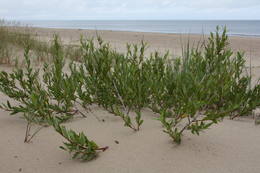
Küsten-regionalparkEin Gebiet zwischen Palanga und Klaipeda, gegründet für den Schutz der Dünen und Biotopen der Küstenwälder. Ein asphaltierter Radweg läuft durch das Gebiet. Leistungen
322km - Entfernung von der HauptstadtLeistungen - erholung
RadrouteBike through the park, where there is a paved bike route between Klaipėda and Palanga – it’s worth the trip. For more information: www.pajuris.info./lt (available in English).
NaturpfadHike along the beach from Palanga to Giruliai (18 km). |
 |
Litauen
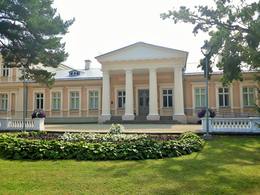
SCHLOSSPARK RENAVASDer Park Renavas (begründet im 19. Jh.) ist einer der Parks zum Repräsentieren, der jedoch seine ursprüngliche, naturnahe Form gut erhalten hat. In dem Parkfragment unterhalb des Schlosses sind bis heute viele exotische Bäume erhalten. Im nördlichen Teil des Parks und im Waldpark herrschen Ahorn, Linde, Esche, Fichte, Eiche u.a. vor. Prunkstück des Parks ist die mächtigste Fichte in Litauen mit einem Durchmesser von 1,2 Meter, ebenso eine Linde, aus deren umgefallenen ursprünglichen Stamm sechs Äste zu neuen, unabhängigen Stämmen erwachsen sind. Der Eingang zum Park ist als Pergola mit Kletterpflanzen ausgeführt. 1-12
Leistungen
1-12 Aktive SaisonmonateLeistungen - andere
Hier werden individuell Reisende empfangen
Hier werden Gruppen von Touristen empfangen
Ort mit einer festgelegten Arbeitszeit, über die man sich vorher informieren muss |
 |
Litauen
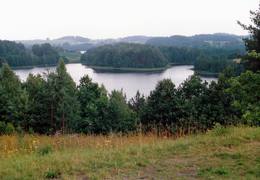
Hügel LadakalnisVermutlich ein heidnischer Hügel. Schöner Blick auf die 6 Seenlandschaften. Ein Symbol vom Nationalpark. 122
Leistungen
122km - Entfernung von der Hauptstadt |
 |
Litauen
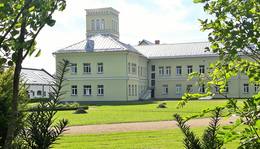
SCHLOSSPARK RIETAVASDer Park Rietavas war der größte Landschaftspark in Litauen. Angelegt wurde er 1848-1855 in einem natürlichen, ausgedünnten Wald; 1904-1905 erfolgte eine Rekonstruktion. Der Park ist gemischt geplant. Den Großteil des Parks nehmen einheimische Bäume und Sträucher ein, jedoch mit zahlreichen Beimengungen fremdländischer Arten. Aus jener Zeit sind einige Alleen und Fragmente von Zäunen erhalten, das Weiße und das Rote Tor, das Wächterhäuschen an den Toren. Der Park enthält ein komplexes System an Gewässern, bestehend aus einigen Teichen einer Schleife des Flusses Jura und Altarmen, die eine Insel bilden. 1-12
Leistungen
1-12 Aktive SaisonmonateLeistungen - andere
Hier werden individuell Reisende empfangen
Hier werden Gruppen von Touristen empfangen
Ort mit einer festgelegten Arbeitszeit, über die man sich vorher informieren muss |
 |
Litauen
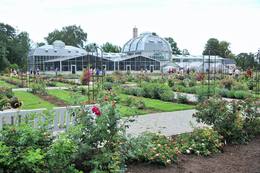
BOTANISCHER GARTEN DER VYTAUTAS-MAGNUS-UNIVERSITÄT IN KAUNASDer Botanische Garten wurde etwa 1923 begründet, als Zentrum der Botanik in Litauen. Der Garten hat eine Fläche von über 60 ha, wovon etwa 30 ha von der öffentlich zugänglichen Ausstellung eingenommen werden.
4-10

Leistungen
4-10 Aktive SaisonmonateLeistungen - komfort
Mitnahme von Haustieren verbotenLeistungen - andere
Hier werden Gruppen von Touristen empfangen
Hier werden individuell Reisende empfangen
Ort mit einer festgelegten Arbeitszeit, über die man sich vorher informieren muss
Mit vorheriger Anmeldung |
 |
Litauen
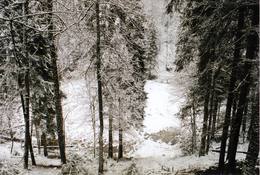
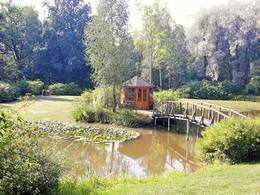
Regionalpark AukstadvarisEin mit Wäldern und Seen reiches Gebiet im Nordteil der Dzūkija-Anhöhe. Das Täufelsbeet (Velnio duobė) ist eine bis 40 m tiefe und 200 m breite trichterförmige Grube, die Entstehung der mit einer Tätigkeit eines urzeitlichen Gletschers verbunden ist. Leistungen
56km - Entfernung von der HauptstadtLeistungen - erholung
NaturpfadVelnio duobė is the most interesting geological formation of its type in the Baltic States – hike to it.
NaturbeobachtungViews from the Aukštadvaris castle hill. For more information: www.aukstadvaris.lt/parkas.htm (only in Lithuanian). |
 |
Litauen
BOTANISCHER PARK NIEDERLITAUEN (IZIDORIUS NAVIDANSKAS)Einer der ältesten botanischen Parks in Litauen. 1928 begann I. Navidanskas, der zu dem Zeitpunkt erst 16 war, mit der Gestaltung des Parks. 1965 wurde der Park als Niederlitauischer Botanischer Park benannt. Izidorius Navidanskas entwickelte den Park zusammen mit seinem Sohn Rapolas Navidanskas, der gegenwärtig Besitzer des Parks ist, weiter.
1-12
Leistungen
1-12 Aktive SaisonmonateLeistungen - andere
Hier werden individuell Reisende empfangen
Hier werden Gruppen von Touristen empfangen
Ort mit einer festgelegten Arbeitszeit, über die man sich vorher informieren muss |
 |
Litauen
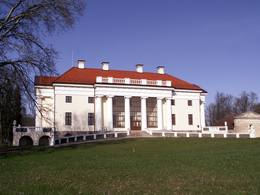
SCHLOSSPARK PAKRUOJISDer Landschaftspark Pakruojis wurde 1850-1860 angelegt und hat seine Struktur bis heute bewahrt. Von der einen Seite bildet die aufgestaute Kruoja eine natürliche Begrenzung für den Park, auf der anderen Seite wurde eine Mauer aus Feldsteinen errichtet. Nach der englischen Mode jener Zeit hatte die natürliche Situation Vorrang bei der Anlage eines Parks. Daneben die Imitation von Natürlichkeit. Im Park wachsen Bäume aus etwa 26 Taxa, darunter auch seltene Exemplare aus aller Herren Länder, die vor Jahrhunderten gepflanzt wurden. 1-12


Leistungen
1-12 Aktive SaisonmonateLeistungen - komfort
ÜbernachtungsmöglichkeitLeistungen - andere
Hier werden individuell Reisende empfangen
Hier werden Gruppen von Touristen empfangen
Ort mit einer festgelegten Arbeitszeit, über die man sich vorher informieren muss
Mit vorheriger Anmeldung
Mahlzeiten auf Anfrage |
 |
Litauen
Veisieji regionalais parksVeisieji reģionālais parks (Veisiejų regioninis parkas) veidots (1992.g.) Sudavas augstienes (Sūduvos aukštuma) ainavu, bioloģiskās daudzveidības un kultūras pieminekļu aizsardzībai. Viena no parka bagātībām ir ezeri, kuru iegarenās formas liecina par ledāja darbības rezultātu. Pēdējā apledojuma laikā šeit atradusies ledāja mala. Ezerus (kopā – 37) ieskauj lielāki meža masīvi uz kontinentālām (iekšzemes) kāpām, kas piemēroti atpūtai dabā, dabas vērošanai, ogošanai un sēņošanai. Parkā ir iekārtotas peldvietas, kur patīkami gremdēties vasaras tveicē, izveidotas dabas takas, bet mazās upītes, kas savieno ezerus, ir piemērotas braucieniem ar kanoe laivām. Veisieji reģionālā parka teritorijā ir liela augu un dzīvnieku daudzveidība. Šeit tiek aizsargātas arī tādas retas sugas kā Eiropas kokuvarde Hyla arborea (parka simbols), purva bruņurupucis Emys orbicularis, dažādas orhideju sugas u.c.  138
138
Leistungen
138km - Entfernung von der Hauptstadt |
 |
Litauen
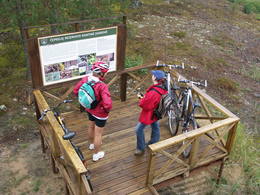
The Cepkelių Nature ParkThis is Lithuania’s largest mossy swamp, and the Čepkeliu Nature Reserve was established to protect it. Before visiting the swamp, you must register at the Dzūkijos National Park’s visitor centre (Marcinkonys, Šilagėlių gatve 11). LeistungenLeistungen - erholung
NaturpfadYou can hike or bike a sandy forest road from Marcinkonys (where the reserve has a museum) (~5 km), which will bring you to the western edge of the swamp. There’s a viewing tower atop a high dune, and from there you will be able to scan a broad territory. There’s a 1.5 km trail right there with a viewing platform atop the swamp. For more information: www.cepkeliai.lt (only in Lithuanian).
|
 |
Litauen
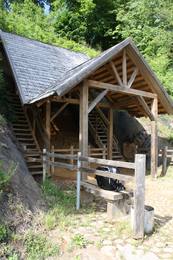
The Venta Regional ParkThe park was established to protect the Venta River valley and the landscapes that are around its tributaries. On the west bank of the Venta, at Papilė, there is a cliff from the Jurassic period which is unique in the Baltic States, has been known since 1925, and has layers in which more than 300 forms of life have been identified over the course of time.
LeistungenLeistungen - erholung
Fahrten mit Schiff/BootTake a 1-2 day boat ride down the Venta, from Papilė to Mažeikiai.
NaturpfadHike to the cliff.
NaturbeobachtungViews form the Papilė castle hill and a viewing tower. For more information: www.ventosparkas.lt (available in English). |
 |
Litauen
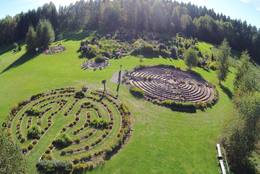
PARK ENERGETISCHERLABYRINTHE UND GEOMETRISCHER FIGURENIm Park befinden sich fünf Labyrinthe, die mit Zierpflanzen geschmückt, mit Blumen und Heilkräutern bepflanzt sind. Dabei handelt es sich um Thymian, Phlox, Pfingstrosen, Beinwell, Hartheu, Pfeifenstrauch, Zierquitten, Brennende Liebe, Eisenhut, Dost, Estragon, Schlüsselblume, Rainfarn, Schöllkraut, Alant, Minze, Goldrute, Mädesüß usw. Der längste Pfad in dem energetischen Labyrinth ist 1,7 km lang. Und wenn man alle 5 derzeit vorhandenen Labyrinthe durchlaufen will, kommt man auf knapp 5 Kilometer. Im Park sind 3 geometrische Figuren eingerichtet: Kuppel, Mandala und Merkaba. 1-12

Leistungen
1-12 Aktive SaisonmonateLeistungen - andere
Hier werden individuell Reisende empfangen
Hier werden Gruppen von Touristen empfangen
Ort mit einer festgelegten Arbeitszeit, über die man sich vorher informieren muss
Mit vorheriger Anmeldung
Mahlzeiten auf Anfrage |
 |
Litauen
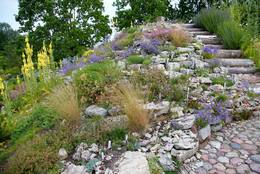
Vilnius University Siauliai Academy Botanical GardenDer Botanische Garten ist Bestandteil der Universität Šiauliai. Hierbei handelt es sich um den jüngsten und flächenkleinsten botanischen Garten in Litauen Die Anlage des Garten begann 1958. Seine Gesamtfläche beträgt 6,54 ha.
3-10
Leistungen
3-10 Aktive SaisonmonateLeistungen - andere
Hier werden Gruppen von Touristen empfangen
Hier werden individuell Reisende empfangen
Ort mit einer festgelegten Arbeitszeit, über die man sich vorher informieren muss
Mit vorheriger Anmeldung |
|
|
Litauen
The Kursiu Dune (Kursių nerija)In terms of territory, it is the most impressive dune range in the Baltics. This is the only place in the Baltics, where one can enjoy open dune sands that are still active and, under the influence of wind, form the so-called eolian relief forms. There are trails, wooded trails and a paved bikeway for the conveniences of visitors. In order to protect the dune, The Dunes of Curonian spit National Park has been established . 340
Leistungen
340km - Entfernung von der Hauptstadt |
 |
Litauen
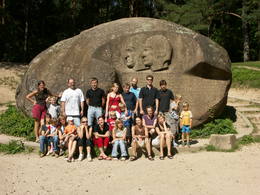
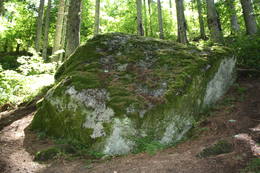
The Anyksciai Regional ParkThe “backbone” to this park is the valley of the Šventoji (Holy) River. One of the most impressive Devonian cliffs in Lithuania can be seen from the river – Vetygalos atodanga. On the shores of the Varius stream is a cliff made of quartz and sand – Variaus atodanga. 6 km to the S of Anykščiai is Lithuania’s second largest rock (5.7 m high, ~100 m3) – Puntukas akmuo.
LeistungenLeistungen - erholung
Fahrten mit Schiff/BootBoat from Anykščiai to Kavarskas (one day), or boat in Lake Rubikiai.
RadrouteBike the route Anykščiai-Puntukas-Anykščiai (12 km).
NaturpfadHike the Švenoji trail (5.5 km).
NaturbeobachtungViews from cliffs and the Šeimyniškėliai castle hill. For more information: www.anyksciuparkas.lt (available in English). |
 |
Litauen
Mikitai izzinas taka (Mikytų pazintinis takas)Vienu kilometru garā lokveida taka, kas ved pa lielāku nacionālā parka meža masīvu, uzskatāmi attēlo Žemaitijas augstienes un tuvākās apkārtnes reljefa veidošanās vēsturi. No takas augstākā punkta – Mikitai kalna, kas ir sens pagānu upurkalns, paveras (ainaviska stiga) tālākas apkārtnes skats. Kā takas interesantākie apskates objekti ir jāmin teikām apvītais akmens ar Velna pēdu un ar akmeņiem izliktas akas paliekas. 316
Leistungen
316km - Entfernung von der Hauptstadt |
 |
Litauen
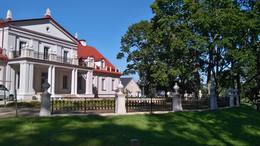
SCHLOSSPARK ILZENBERGASDer Park des Gutes Ilzenbergas, so wie er heute besteht, geht auf eine Anlage der zweiten Hälfte des 19. Jahrhunderts zurück. Die Struktur wird durch das deutliche Relief zwischen den Seen Ilgis und Apvalasas geprägt. Bei der Rekonstruktion wurde Wert darauf gelegt, die räumliche Gliederung unverändert zu belassen. Der Park umfasst ein Territorium von 10 ha und besteht aus zwei Teilen. Zum einen das annähernd rechteckige Gelände am Herrenhaus, eingerahmt von einer Reihe Winterlinden und mit Grünanlagen aus einheimischen und fremdländischen Gehölzen. Zum anderen aus naturnahem, waldartigen Grünanlagen. Die größte in diesem Park wachsende Eiche wurde als staatlich geschütztes Naturerbe eingetragen. Dieser mächtige Baum hat einen Stammumfang von 6,3 m, einen Durchmesser von 2 m und eine Höhe von 30,5 m. 1-12
Leistungen
1-12 Aktive SaisonmonateLeistungen - komfort
ÜbernachtungsmöglichkeitLeistungen - andere
Hier werden Gruppen von Touristen empfangen
Hier werden individuell Reisende empfangen
Ort mit einer festgelegten Arbeitszeit, über die man sich vorher informieren muss
Mahlzeiten auf Anfrage |
 |
Litauen
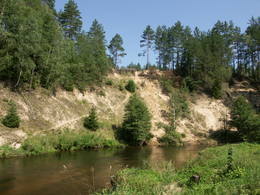
Nationalpark DzukijaGegründet für den Schütz des von Wäldern reichtesten Gebietes Lituens und der mit der Bewirtschaftung des Gebietes verbundenen Volkstraditionen. Leistungen
110km - Entfernung von der HauptstadtLeistungen - erholung
Fahrten mit Schiff/BootTake a one or two-day boat ride down the Ūla River (you will need a permit, which can be obtained at the visitor centre in Marcinkonys). Boat to the Merkys River and then down the Merkys River to Merkinė.
RadrouteBike the route Marcinkonys-Puvočiai-Mardasavas-Mančiagirė (or Zerviynos)-Marcinkonys (up to 40 km).
NaturbeobachtungViews in the Džukija forests. Views from the Ūla cliff and the Liškiava and Merkinė castle hills. There are visitor centres in Marcinkonys and Merkinė. For more information: www.dzukijosparkas.lt (available in English). |
 |
Litauen
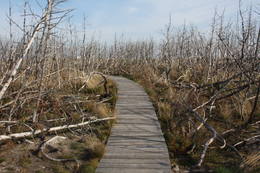
BrändeNahe der Beerkopfdüne ist im Frühling 2006 „ein Brand der Jahrhunderte” gewessen. Es wurde der hundert Jahre alte Wald in der Fläsche von 235h ausgebrannt. Ein Pfad mit Holzbelag. 314
Leistungen
314km - Entfernung von der Hauptstadt |
 |
Litauen
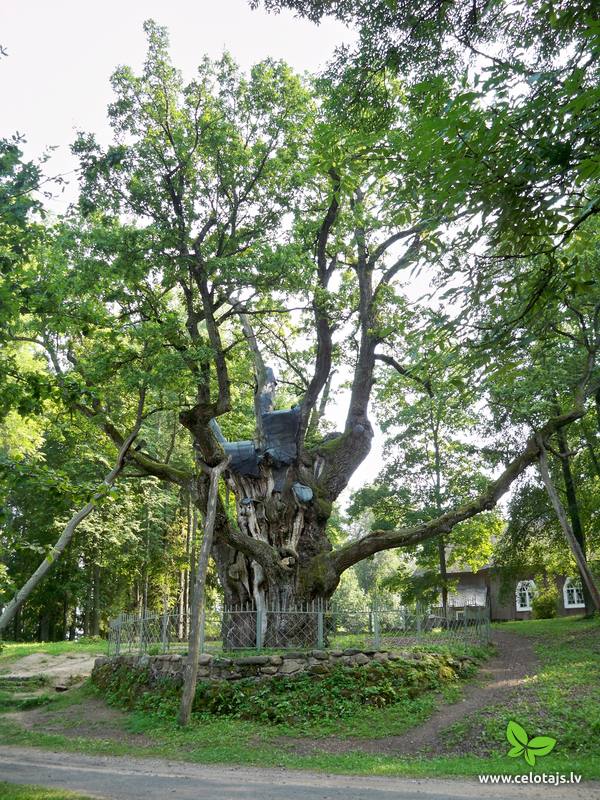
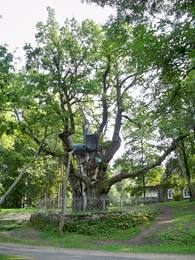
GUTSPARK STELMUZĖDer Park des Gutes Stelmužė wurde Mitte des 18. Jh. südlich vom See Stelmužė angelegt. Von allen Seiten führen gewundene Pfade zu der auf dem Hügel stehenden Jesus-Kreuz-Kirche. In der Baumschicht dominieren Linden, Ahorn, Ulmen, Birken, Fichten, Eschen, Kiefern. Am Fuß des Hügels befinden sich der Glücksbrunnen und man kann die Eichenallee entlang schlendern. Prunkstück ist aber zweifellos die Stelmužė-Eiche, die älteste und dickste in Litauen wachsende Eiche und sogar eine der ältesten Eichen in Europa. Man vermutet, dass der Baum etwa 1500-2000 Jahre alt ist, der Stammdurchmesser beträgt 3,5 m (um den Stamm zu umfassen benötigt am 8 bis 9 Leute), die Höhe 23 m. 1-12
Leistungen
1-12 Aktive SaisonmonateLeistungen - andere
Hier werden individuell Reisende empfangen
Hier werden Gruppen von Touristen empfangen |
 |
Litauen
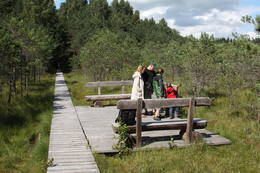
Varniku izzinas taka (Varnikų pazintis takas)Varniku mežā (Varnikų miškas) ir izveidota patiesi interesanta dabas izziņas taka, kas iet cauri dažādiem biotopiem – skujkoku un ozolu mežiem, purvainu mežu un sūnu purvu ar akačiem un nelieliem purva ezeriņiem, kur uzceltas divas skatu platformas. Mitrajās vietās un purvā ir izveidotas koka laipas. Šī ir populāra pastaigu vieta. Taka ir lokveida un marķēta. Tās apskatei būs nepieciešama ~ pusotra stunda. |
 |
Litauen
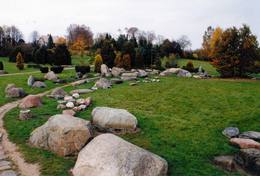
The Salantai Regional ParkThe terrain in this territory was created during the Ice Age. There are the ancient river valleys of the Minija, Salantas and Erla rivers, along with groups of rocks.
LeistungenLeistungen - erholung
NaturpfadFor hikers, the largest collection of open-air rocks can be found in the village of Mosėdis (the collection was put together by Vaclavas Intas). There is also a museum of unique rocks there. At Salantai-Orvydų sodyba is a unique farm with installations featuring rocks and other objects. You can also hike the Šaukliai nature trail (2 km). For more information: www.salanturp.lv (only in Lithuanian). |
 |
Litauen
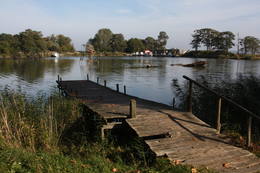
Bernsteinhaff1855, als einen Schiffahrtsweg getieft wurde, wurde im Haff unerwartet eine Bernsteinablagerung gefundet. In der Zeit zwischen 1860 und 1890 wurde dort 2250 Tonen Bernstein gewonnen, einbezogen einzigartige Bernsteingegenstände aus der Jungsteinzeit und der Bronsezeit. 319
Leistungen
319km - Entfernung von der Hauptstadt |
 |
Litauen
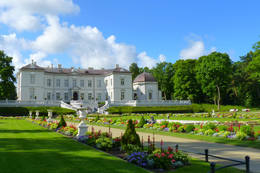
BOTANISCHER PARK PALANGA (BIRUTĖ-PARK)Der botanische Park Palanga umgibt das Bernsteinmuseum in Palanga. Er ist einer der schönsten, reichhaltigsten und am besten gepflegten Parks in Litauen. Begründet wurde er aus dem Birutė gewidmeten einstigen Bannwald und war daher lange Zeit im Volksmund als Birutė-Park bekannt. Er hat ein Areal von 101,3 ha. Der mit Talent entworfene Park zeichnet sich durch große landschaftliche Vielfalt aus, mit meisterhaft gewundenen Pfaden, Blumenrabatten auf den Plätzen, 2 Teichen und Elementen der Kleinarchitektur. 1-12
Leistungen
1-12 Aktive SaisonmonateLeistungen - andere
Hier werden individuell Reisende empfangen
Hier werden Gruppen von Touristen empfangen
Ort mit einer festgelegten Arbeitszeit, über die man sich vorher informieren muss |