
| Nr | Nosaukums | Apraksts |
|---|---|---|
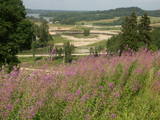 |
Latvijas augstākajā un Baltijas otrā augstākajā punktā, diemžēl atrodas tikai torņa grausts! Tādēļ labākie skatu punkti jāmeklē pašam. Tie daļēji atklāsies no torņa apkārtnes un slēpošanas trasēm, īpaši no Lielā un Mazā Golgāta. Vērts izstaigāt arī Gaiziņkalna dabas taku.
|
|
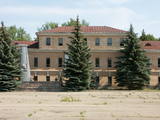 |
Par Daugavpils dibināšanas gadu uzskata 1275. g.. Tas ir laiks, kad Livonijas ordeņa mestrs Ernests fon Ratceburgs Naujenes pilskalnā uzcēla Dinaburgas pili. Tā vairākkārt cieta lietuviešu un krievu iebrukumos, līdz 1577. g. pili nopostīja krievu karaspēks Ivana Bargā vadībā. Pēc šī notikuma Dinaburgu atjaunoja 17 km tālāk upes labajā krastā, kur tagad atrodas Daugavpils pilsēta. Laikā no 1810.-1833. g. tika uzbūvēts jauns cietoksnis. 1826. g. uzsāka tagadējā vēsturiskā centra apbūvi. 1. pasaules kara gados nozīmīgākos rūpniecības uzņēmumus kopā ar strādniekiem evakuēja uz Krieviju. Pirmās Latvijas Republikas laikā uzplauka Daugavpils kultūras dzīve. Lielākā pilsētas daļa tika nopostīta 2. Pasaules kara laikā - 1944. g. jūlijā. Mūsdienās Daugavpils ir otra lielākā Latvijas pilsēta un nozīmīgs Latgales vēsturiskā novada ekonomiskais centrs. Nesen uzsākta arī Eiropas mērogā unikālā Daugavpils cietokšņa atjaunošana. |
|
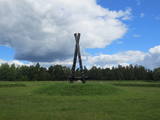 |
Unweit von der Rigaer Ringstraße befindet sich auf dem rechten Ufer der Daugava ein vom Bildhauer Ģ. Burvis 1994 errichtetes Denkmal – Gedenkzeichen für Daugava-Liven und ihren Anführer Ako, der 1206 den Aufstand der Liven gegen Kreuzritter leitete. In der Umgebung vom Denkmal ist entlang des Daugava-Ufers ein breiter Platz für Erholung und Spaziergänge eingerichtet. Es ist einer der malerischsten Plätze an den Ufern des Daugava-Unterlaufes. Etwas weiter sind am Flussufer die Informationsstände zu finden, die die Geschichte der Daugava-Ufer vor dem Bau des Rigaer Wasserkraftwerkes darstellen. |
|
 |
The “Lamb Club” is a farm in Mazsalaca, and it is special because the sheep live in a real club! The owners offer the atmosphere of a farm at which the sheep play major roles. Enjoy mutton and sheep milk foods and beverages, feel how comfortable it is to read your favourite while sitting on a fluffy sheepskin, and, in order not to get cold by the campfire in the evening, you can purchase warm woollen socks and woven woollen cloaks. The owners hope that people from Latvia and all around the world will spend more time at the farm, because accommodations involve a new glamping tent that is as close as possible to nature and the healthy rural environment. Don’t lose a lick of the comfort that you are used to in your everyday life! The owners, Ilze and Valters, will be happy to give you a tour during which they talk about herding sheep. If you contact them in advance, they will prepare a tasty mutton meal for you. The tour can also be supplemented with various activities such as games, quizzes and creative workshops at which sheep wool is utilised. |
|
 |
This is a site where you can try out ancient weapons – bows and crossbows (a reproduction of items from the 14th and 15th century), throwing an axe (replicas of German axes from the 13th century), and spears. Once you’ve learned how to handle those weapons, you can also forge a copy of a Medieval coin. You can try on copies of armoured caps and gloves and have your picture taken with a sword or battle axe. For larger groups, the enterprise will organise ancient sports and table games.
|
|
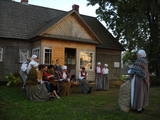 |
Latgalisko tradīciju un prasmju māja “Ambeļu skreine” ir latgalisko vērtību glabātāja un popularizētāja. Interesentiem tiek piedāvātas interaktīvas aktivitātes latgaliešu kultūras garā, dažādas meistarklases. “Ambeļu skreinē” tiek svinēti gadskārtu svētki un izkoptas dažādas amatu prasmes. Te notiek danču vakari, dziedāšana, zīlēšana, tiek cepta maizīte, siets siers un tiek veidotas tautas lietišķās mākslas izstādes. No mājas paveras brīnišķīgs skats uz Višķu ezeru un Latgales krāšņajām dabas ainavām. |
|
 |
Alises Zariņas bioloģiskā saimniecība nodarbojas ar kazkopību. Pašlaik ir divdesmit slaucamas kazas un no to svaigi slauktā piena tiek gatavots siers. Saimniecība dibināta 2015. gadā. |
|
 |
SIA "3x9 zālītes" piedāvā ļoti plašu klāstu zāļu tējas un to maisījumus. Zālītes ievāktas Vecpiebalgas novadā, ekoloģiski tīrās pļavās un mežos. Zālītes vāktas atbilstoši dabas ritmam un mēness fāzēm. Kaltētas dabīgos apstākļos, saglabājot zālīšu vērtīgās vielas, smaržu un garšu. |
|
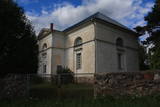 |
Atrodas Lielajā ielā 34 a. Vēlīnā klasicisma stilā celtā baznīca pēc muižnieka Nikolausa fon Korfa ierosmes būvēta laikā no 1828. - 1830. gadam. Dievnams ir interesants ar to, ka tajā apskatāms Vidzemes sakrālmākslā rets altāra tips – kancelaltāris (kancele un altāris ir apvienoti arhitektoniski vienotā mākslinieciskā kompozīcijā). |
|
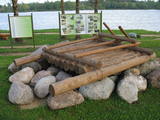 |
Die Umgebung von Pļaviņas und Stukmaņi war schon um 3. Jh. bewohnt. Während des Polnisch-Schwedischen Krieges (1600-1629) hatte an der Mündung des Flusses Aiviekste in den Fluss Daugava das schwedische Kriegslager Platz gefunden, von dem sich Befestigungsanlagen – Schützengraben erhalten haben, die einer der eindrucksvollsten militärischen Bauten dieser Art in Lettland sind. Als eine Ortschaft begann sich Pļaviņas in den 1890er Jahren und am Anfang des 20. Jhs. nach dem Bau der Eisenbahn zu bilden. Heute ist die Stadt Pļaviņas mehr mit der Herstellung der Dolomitsplitter und mit ihren Überschwemmungen im Frühling bekannt. |
|
 |
The museum offers information about local manufacturing traditions, as well as products from SIA Naukšēni – various oils (made of rapeseed and hempseed), ten non-alcoholic beverages (kvass, mineral water), as well as tastings of homemade wine. Some of the products can be purchased. |
|
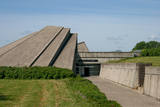 |
Ein am Ende des 19. Jh. gebautes Teil der Festung. Ein Museum, das Verbrechen totalitäre Regimes gegen Menschlichkeit wiederspiegelt. |
|
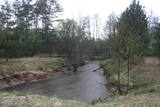 |
Nature restricted area is located to the South from former railroad Ventspils-Liepaja and includes approximately 6 km of Uzava River (and the old drainage system). The territory was used for agriculture during Soviet time, now it starts overgrow by scrubs. The protected nature values – rare bird species, including corncrakes, variety of grassland habitats and plant species. Territory is not useable for tourism activities. There is a possibility to get good insight into the North part of restricted area from the road Alsunga – Berzkalns where information stand is located.
|
|
 |
The fisherman’s homestead that is alongside the Kolka Lutheran Church offers a look at how fish are smoked and prepared. You can taste the fish and purchase fish that were caught in the sea (mostly plaice). |
|
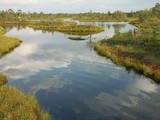 |
Der Ķemeri Nationalpark wurde 1997 gegründet und umfaßt vor allem Feuchtgebiete – die flachen Küsten der Rigaer Bucht, einen überwucherten Küstensee, riesige Sümpfe, feuchte Wälder, Moore und überschwemmte Wiesen. Der Nationalpark ist enorm wichtig für den Schutz der Pflanzen (25% der in Lettlands Roter Liste erfaßten Pflanzen findet man hier) und Tiere, besonders Nist- und Zugvögel. Das Große Ķemeri Moor ist eins der größten Moore in Lettland. Es gibt auch andere, wie das Zaļais und das Raganu Moor. Die gewaltigen Moore sind auch wichtig wegen der Schwefelquellen und dem Heilschlamm. Für das einst berühmte Ķemeri Kurbad war das die Grundlage. Die meisten der kulturellen und historischen Objekte im Ķemeri Nationalpark stehen in Verbindung mit der Meeresküste als Ort für Freizeit und Erholung. Es gibt Naturlehrpfade, Fahrradrouten, Wanderwege, Vogelbeobachtungstürme und andere Einrichtungen. Das Besucherzentrum befindet sich im kürzlich renovierten „Meža mājā” (Waldhaus) in Ķemeri.
|
|
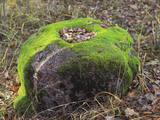 |
Zīleņu Sacrificial Boulder.You will find it on Zelenpole Golden hill beside the escarpment. The boulder
has an annular curvy. It was an ancient Latgalian cult place where people sacrificed to Gods, released themselves
from the bad things and took a positive energy.
|
|
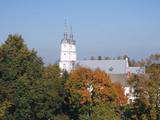 |
St. Michael the Archangel Roman Catholic Church of Viļāni. The Church together with the Monastery
of Bernardian Order was built in the middle of the 18th century. It is a national cultural monument. Many
important paintings, sculptures and objects of applied arts have survived here. The Church has an organ and
a fisharmony. The status of national importance was awarded to the architectural monument in 1952.
|
|
 |
Piedāvājumā relaksācija pirtī - sildīšanās, skrubēšanās, enerģiskais pēriens, kā arī dažādas masāžas. |
|
 |
Nicht weit vom Schloss Cesvaine entfernt, wird im Gebäude des Landgut-Ensembles nach alten Rezepten ein lebendiges Bier gebraut. Hier werden die 150 Jahre alten Traditionen der Brauerei wiederbelebt, die 1865 von der ersten Stadtbrauerei aufgenommen wurden. Es werden eine Führung und Verkostung in der Brauerei angeboten. |
|
 |
Uzpludinātās Zveņģupītes kreisajā krastā – neliela meža pudura malā (170 m no Rīgas – Daugavpils šosejas (A 6)) atrodas 1991. g. atklātais (autors: Juris Zihmanis) akmens – piemiņas vieta 17. gs. Lielvārdes meitenei Katrīnai, kura kā ragana sadedzināta sārtā. |
|


