
| No | Name | Description |
|---|---|---|
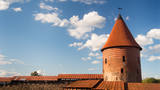 |
Kaunas Castle is the oldest stone castle in Lithuania and interestingly enough, the museum that is inside is also the oldest one in Lithuania. It's possible to take a tour to get know more about Kaunas Castle and also visit the museum where there's not only information about the castle but also about the city of Kaunas itself and much more. |
|
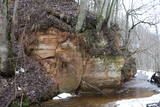 |
It is worth hiking this road where in crosses the Šlītere Blue Hills. This part of the road is approximately one kilometre long, and it goes down to the valley of the stream which crosses the hills. The place has been given a peculiar name – the Kušperlankgrāvis ravine (or the Zeltiņi ravine, as is claimed in other sources). If you're driving, be careful, because there is no bridge here, just a ford. During the early spring or the winter, you will appreciate the ravines and the impressive Blue Hills themselves. Impressive sandstone cliffs which are several metres high and have been vandalised by human hands are on both sides of the road. There is a small niche in one of the cliffs. To the right (East) from the road at the terrace of the Blue Hills is a side road which leads to the Mežlīdumi homestead. Please be gentle with the cliffs! |
|
 |
1339. g. Livonijas ordeņa mestrs (no 1328. – 1340.) Eberhards fon Monheims pašu zemgaļu 1286. g. nodedzinātās pils vietā uzceļ jaunu - mūra pili. To sešus gadus vēlāk nodedzināja lietuviešu karaspēks. Pili gan atjaunoja Kurzemes hercoga Ketlera valdīšanas laikā, taču Ziemeļu kara laikā - 1701. g. to atkal noposta zviedru karapulki. Līdz mūsdienām ir saglabājusies tikai no laukakmeņiem celtās pils sienas atliekas. |
|
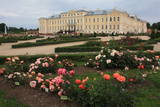 |
The palace was built as the summer residence of the duke of Courland, Ernst Johan Byron, and it was designed by the outstanding Italian architect Francesco Bartolomeo Rastrelli. The construction of the palace ensemble took place between 1736 and 1740. The decorative finishing of the interiors was carried out from 1765 to 1768 by the sculptor Johann Michael Graff and the painters Francesco Martini and Carlo Zucchi. The significance of the palace lies in its authenticity as it has not been modified through rebuilding since then. Intensive restoration works started in 1972 when the Rundāle Palace museum was established. The restoration was completed in 2018. |
|
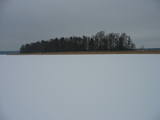 |
There are six islands in the Great Baltezers lake – the Auzu, Priežu, Mazā, Liepu, Ropažu and Meldru islands. These are distinguished by a great diversity of plants, including forests of broadleaf trees, black alders and pines. The territory can be surveyed quite well from the side of the Ādaži Lutheran Church. The Great Baltezers lake is a popular place for fishing, including ice fishing during the winter.
|
|
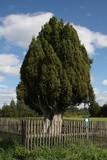 |
This is the thickest common juniper (Juniperus communis) in Latvia and the Baltic States. It stands in the middle of a field and looks wonderful. The tree is sometimes known as the Rieteklis juniper, because the Latvian poet Rieteklis (Jūlijs Eduars Balodis, 1856-1940) like to sit under it.
|
|
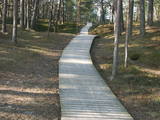 |
The nature reserve “Plieņciema kāpa” is founded in 1987 and covers 60.6 hectares of land. Since 2005 it is a Natura2000 site. The nature reserve protects a 150-200m wide and 3.5km long part of a distinct, continuous dune rampart. The dunes shelter Plieņciems village protecting from sea winds. The key natural values here are rare and protected biotopes of national and European significance: “Wooded dunes of the coast 2180” in the area of 61.8 ha, “Fixed dunes with herbaceous vegetation, 2130 (grey dunes)” in the area of 8.27 ha, “Shifting dunes along the shoreline with Ammophila arenaria (white dunes) 2120 in the area of 3.20 ha”, “Black alder swamp forests 9080”, ) in the area of 2,68 ha, as well as rare and protected species of Latvian and European significance including eastern pasqueflower (pulsatilla patens), Rolling Hen-and-chicks(Jovibarba sobolifera), Nothorhina muricata, Wryneck (Jynx torquilla), Woodlark (Lullula arborea). In the nature reserve, there is a “Vabu square” – a deflation in the dune where for centuries local fishermen have been drying nets. In the 18th and 19th centuries ships were built here. Nine ships have been built here in 1882 - 1925. The four-masted gaff-rigged schooner with hoisting engine “Eurasia” was completed in 1925, the largest ship built by the Kurzeme fishermen. It was one of the works of Martin Morgenstern (1866-1945), a famous shipbuilding master. Thanks to dunes, Plieņciems village was a popular holiday resort and has been mentioned in written sources already in 1738. Clergymen and landlords with their families used to stay here. In 1808, a merchant from Riga bought the local pub and replaced it with a massive two-storey building with a large ball-room and dining hall. On July 15, 1810, a sea bathing facility was opened for health treatment. For arrival of the empress Elisabeth Alexeievna, the wife of emperor Alexander I of Russia, who was a grandson of Catherine the Great, the road from Tukums town was repaired, the two highest hills were levelled, a road passage was dug across the Plieņciems dune, and a lime-tree alley was planted to facilitate access to the beach and bathing spot. Later, in 1920ies, the resort circles consisted mainly of the Kurzeme region landlords. There was a dance-floor in the park of Plieņciems village, and a special orchestra played music for resort guests three times a day. |
|
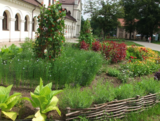 |
The only school-based botanical garden in Lithuania was planted in 1989 at the Traupis school. More than 8,000 types of plants grow in the garden, and all of them have been collected by Sigutis Obelevičius. |
|
 |
The biggest ostrich farm in Latvia, located near Kuldīga, provides the opportunity to purchase healthy and valuable ostrich meat products and go on an excursion in the ostrich and goat farm. |
|
 |
Family farm near Valmiera with large fields, meadows and 400 cows. Production of cream, cottage cheese, yoghurt, cheese, ice-cream and other products from the farm's milk. |
|
 |
Esot Nidā, noteikti ir jāuzkāpj Urbo kalnā (Urbo kalnas) – 52 m augstā un ar mežu apaugušā kāpā rietumos no Nidas centra, kur slejas 1944. g. vācu armijas uzspridzinātā un pēc gada atjaunotā (pēc tam rekonstruēta 1953. g.) 29,3 m augstā bāka – romantiskākā Lietuvas piekrastes bāka. Tās gaisma ir redzama 22 jūras jūdžu attālumā. Kad Nidā satumst, aizstaigājiet līdz Kuršu jomas promenādei, kur labi redzama teiksmainā un mirgojošā bākas uguns! |
|
 |
Viens no populārākajiem Kurzemes piekrastes tūrisma objektiem – līdz 20 m augsts, jūras viļņu noskalots krasts, kas sastāv galvenokārt no smiltīm un šaurām oļu – laukakmeņu joslām. Iepretim Jūrkalnes centram izveidota skatu platforma un kāpnes, pa kurām var nokāpt līdz jūrai. Baltijas jūras stāvkrasts turpinās gan Pāvilostas, gan Ventspils virzienā. |
|
 |
Neliels Daugavas ielejas posms starp Lielvārdi un Dzelmēm ar salām un sēkļiem Daugavā, kā arī niedrājiem un mitrajām pļavām, kas migrāciju laikā piesaista daudzus zosveidīgos un tārtiņveidīgos putnus kā atpūtas un barošanās vieta. Arī nozīmīga dažu sugu ligzdošanas vieta. Daugavas ziemeļu krastā vietumis ir nelieli dolomīta atsegumi ar tiem raksturīgām augu sugām. Teritorija nav labiekārtota, tādēļ vasaras laikā piemērots apskates veids ir brauciens ar laivu pa Daugavu.
|
|
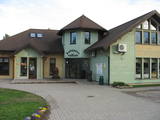 |
Maizes ceptuve "Liepkalni" atrodas Daugavas krastā starp Stukmaņiem un Pļaviņām. Apvieno ceptuvi, veikalu un kafejnīcu. "Liepkalnu" sortimentā ir vairāki desmiti maizes veidi, cepumi, tortes, kūkas un smalkmaizītes, kvass. Pie ceptuves var izbraukt ar Vikingu kuģi pa Daugavu. “Liepkalnu” maize tiek cepta piecās ceptuvēs Latvijā - Vidzemes reģionā Rūjienā, Valmierā, “Liepsalās” un Ķekavas pag., "Džutas", t/c A7 .
|
|
 |
Iegūst bērzu sulu sīrupu ar reverso osmozi. Tehnoloģiski iespaidīgs skats kā stundā no bērzu sulām izspiež 1,5 tonnas ūdeni. Šeit reversās osmozes iekārtas no bērzu sulām var nospiest 95% tīra ūdens. Līdz ar to atlikušajā bērzu sulas koncentrātā cukura līmenis sasniedz 33% pēc briksa. Koncentrāts tiek iesaldēts un pārdots. |
|
 |
Saaremaa salas saimniecībā Epi ražo augļu un ogu kečupus, dažādus ievārījumus, audzē garšaugus un tējas. Produkti tiek gatavoti tikai no vietējām – Saaremaa un Muhu salas – izejvielām. Produktus var nopirkt tieši no saimniecības. |
|
 |
Biškopības produktu ražošana - medus, ziedputekšņi, bišu maize, propoliss, bišu māšu peru pieniņš. Bišu māšu selekcija, bišu saimes. |
|
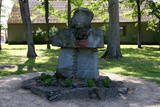 |
Meklējams Džūkstes centrā. 1990. g. uzstādīto pieminekli pēc gada uzspridzināja. Tagadējais veidots no uzspridzinātā atliekām. Veltīts 1944. g. Ziemassvētku kaujās kritušajiem latvieša leģiona 19. divīzijas kareivjiem. |
|
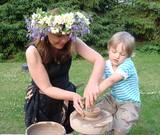 |
Amatniece no māla, akmens masas u.c. materiāliem veido traukus un dažādus interjera priekšmetus, apdedzinot tos atklātā uguns ceplī. Apmeklētāji var doties izzinošā ekskursijā, vērot amatnieci darbībā un paši pamēģināt roku krūzītes izvirpošanā. Aicina uz cepļa atvēršanu. |
|
 |
Atrodas ~ 1,5 km ziemeļos no Krāslavas centra, Jāņupītes krastā (ir norāde). Pēc atsevišķiem savrupatradumiem var spriest, ka pilskalns apdzīvots laikā no I g. t. pr. Kristus līdz vēlajam dzelzs laikmetam. Domājams, ka savu nosaukumu tas ieguvis šeit sastopamo mālu dēļ. Nelielas mālu ieguves vietas pilskalna nogāzēs ir redzamas arī šodien. Saglabājies nostāsts, ka grāfs Plāters šeit apraudājis savu sievu, kuru pats neuzticības dēļ licis iemūrēt pazemē. |
|


