
| Нo | Название | Описание |
|---|---|---|
 2 дня
|
Эта поездка на автомобиле предусмотрена для всей семьи и особенно понравится детям. Вы сможете понаблюдать за работой гончара, а также мастер с удовольствием посвятит Вас в секреты своего мастерства. Побывать в гостях у барона Мюнхаузена, знаменитого своими многочисленными приключениями. Погулять по улочкам Цесиса и отправиться дальше в крестьянское хозяйство, где разводят кроликов. Малышам особенно понравится играть с крольчатами в открытых вольерах. Хозяева оленьего питомника расскажут о жизни диких животных – оленях, кабанах. Вы сами сможете наблюдать за животными со смотровых вышек. В хозяйстве экзотических животных увидите страусов, муфлонов, пони и карликовых свиней. По пути домой рекомендуем насладиться красотами Сигулды. |
|
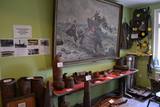 |
Музей открыли в 2007-ом году, в его небольшой экспозиции 180-мм пушка, реконструкция прибрежной полосы, убежище гражданской обороны, бронетранспортеры, пограничные катера, морские мины. В главном здании на своем первоначальном месте морской радар, экспонируются различные предметы, связанные с военной историей, обустроена часть казармы, красный уголок и оружейная комната. |
|
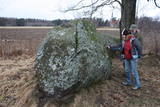 |
К северо-востоку от Мазирбской лютеранской церкви – в полемежду храмом и домом «Пакални» видны два чумных камня. На поверхности бóльшего был высечен (сейчас стерся) текст о ливах, которых одолел король Швеции Карл IX и чума. Сбоку на большой камень опирается второй (самый маленький) чумной камень, который в свое время был установлен у близлежащих домов. Стертый текст рассказывал об армиях, ходивших по Курземе, о голоде и чуме. Третий – Большой чумной камень находится заМазирбским имением священника. Высеченный на нем текст (еще немного просматривается) повествует будущим поколениям о местном священнике (умер во время чумы) и о создании пастората в Сикрагсе. Одновременно камень является памятником шести пасторам обширной окрестной общины. Все три камня повествуют о Большой эпидемии чумы 1710 года, и тексты высечены на них в период с 1711 по 1734 год. |
|
 |
Saimniecība specializējas uz dažādu dekoratīvo stādu audzēšanu nelielos apjopmos. Sezonas laikā pieejamas arī svaigas krūmmellenes, smiltsērkšķi, cidonijas, augļi un ogas. |
|
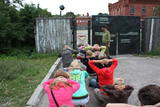 |
Тюрьму военного порта не стоит описывать. Это надо пережить и выжить! И такая возможность предоставляется каждому. На сегодняшний момент это наилучший туристический продукт военного наследия, учиться на примере которого может любой.
|
|
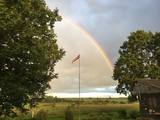 |
This farm is run by a young family which left the hurly-burly of
|
|
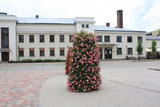 |
Исторический центр города. На этом месте 12 февраля 1670 года Курземский герцог Екаб провозгласил факт основания города. В начале 20 столетия на площади старого города, на булыжной мостовой размещался городской рынок. Теперь на периферии площади находится Народный дом, церковь Униатов и информационный центр туризма. На площади стоит осмотреть водяной насос, огромные весы и скульптуру рыси (символ Екабпилса). Отсюда можно отправиться на прогулку по историческому центру Екабпилса с узкими улочками и малоэтажной городской застройкой. |
|
 2 дня
|
Гауя – это самая популярная река Латвии у водных туристов. Водных туристов влекут сюда красивые обнажения песчаника, спокойное течение реки, природное многообразие и большое многообразие памятников культуры. На описанном участке река течет через древнюю долину Гауи, которая является одной из самых впечатляющих форм балтийского рельефа. Самое технически сложное место на маршруте – пороги Кукю, где нередко случается, что опрокидывается лодка. Информация о маршруте от Latvijas Lauku forums |
|
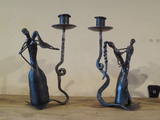 |
В кузнице куют заборы, ворота, указатели ветра, люстры, используемые в быту предметы и сувениры. Интересующимся рассказывают о работе кузнеца и демонстрируют умение кузнечного дела. |
|
 7 дней
|
This study tour is designed to show Latvia's rye traditions as their central focus. This tour has been developed in cooperation with the Latvian Bakers’ Association. Rye is both the basis of the Latvian diet and a powerful symbol of Latvia's culture and culinary traditions. Itinerary emphasize traditional rye bread-baking and eating, as well as insights into the history of the rye grain from Latvia's earliest archaeological record to the present day. Itinerary include visits to working farms, grain mills and culturally and historically important locations. This study tour is designed for groups and may be adapted to the needs, interests and timeframe of each client. Tour cost includes meetings with experts, site visits and admissions, accommodations, specified meals, sightseeing, transportation within Latvia and guides-interpreters. |
|
 |
Ein einzigartiges Örtchen beiderseits des Flusses Minija, wo der Fluss eine „Hauptstraße” ist. Litauens Venedig. |
|
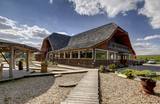 |
Lieliska vieta svinībām vai atpūtai Minijas ielejā Žemaitijā. Kafejnīca 100 pers. un konferenču zāle, kuras izvietotas 6 ha lielajā teritorijā. Spēļu laukumi gan bērniem, gan pieaugušajiem. Kanoe, burbuļvanna un pirts. Nakšņošanai viesnīcas numuriņi, koka namiņš vai 2-zvaigžņu kempings. Pieejama ēdināšana. |
|
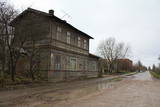 |
Taisnā Celtnieku iela ir bijušās Liepājas – Aizputes šaursliežu dzelzceļa (celta 1900. gadā, 49 km gara) līnijas „trase”, kuras malā (Celtnieku ielā 50) redzama bijusī dzelzceļa stacijas ēka. |
|
 |
Atrodas Valmieras Drāmas teātra ēkas rietumu spārnā. Piedāvā latviešu un pasaules virtuvi, svētdienās - brančus. Sadarbojas ar vietējām zemnieku saimniecībām. |
|
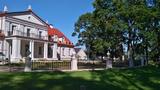 |
Парк усадьбы Ильзенберг отличается смешанной планировкой и сохранился в почти первозданном виде — таким, каким он был создан во второй половине XIX в. на живописном месте с выразительным рельефом, между озерами Апваласас и Ильгис. При восстановлении парка была сохранена его пространственная структура. Парк занимает 10 га и состоит из двух частей. Первая — это сравнительно правильная прямоугольная территория у дворца, ограниченная рядами сердцевидных лип и пейзажными группами местных и интродуцированных деревьев. Вторая часть представляет собой зеленые насаждения по типу естественного леса. Старый дуб из парка усадьбы Ильзенберг объявлен объектом природного наследия и находится под охраной государства. Охват ствола этого гиганта составляет 6,3 м, диаметр — 2 м, а высота — 30,5 м. |
|
 |
В Elly делают домашнее мороженое, а также предлагают ночлег и вкусный домашний завтрак. |
|
 7 дней
|
The most spectacular autumn events are the Crane shows which can be observed at the bogs and fields. The tour will pass several of these places. We have included different biotops in the tour- seacost, different forests, bogs and fish ponds- in order to see various bird species. |
|
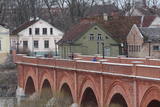 |
Кулдигу заслуженно считают красивейшим латвийским провинциальным городом средневековья. На его месте еще до XIII в. находился центр древней земли куршей Бандавас. В 1242 году у водопада Венты Ливонский орден приступил к строительству каменного замка. Рядом с замком образовалось поселение, которое первым (1378 г.) в Курземе получает права города. Важным было и участие города в Ганзейском союзе. В период с 1561 по 1795 гг. Кулдига - столица Курземского герцогства. Закономерно, что в первой половине XVII века город переживает стремительный экономический подъем, который заканчивается с началом Северной войны и эпидемии чумы. Гордость курземчан и недостаток крупных индустриальных объектов является причиной того, почему в советское время город не наводнило большое количество иммигрантов, и поэтому Кулдига до сих пор остается одним из самых латышских городов Курземе. В Кулдигу стоит поехать не на один день. Любители природы могут увидеть летучих рыб, а для исследователей истории культуры здесь приоткрывается всемерно просторное поле деятельности. |
|
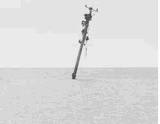 |
На авиационном полигоне в Папе проходило обучение стрельбе и бомбометанию по целям. В настоящее время объект принадлежит совету края и не используется. В море сохранились останки затонувших кораблей и цели.
|
|
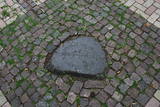 |
Находится в северо-западной части Екабпилса, на левом берегу Даугавы, напротив островка Адамсона (Крустпилс). В 19 веке этот парк был создан как место для отдыха горожан и проведения торжеств. Смело можно утверждать, что это – место мирового масштаба, так как здесь находится памятный камень, установленный в честь деятельности академика Тартусского университета, профессора – астронома и геодезиста Фридриха Георга Вильгельма Струве (1793 - 1864). Камень установлен в том месте, где Ф.Г.В. Струве закончил измерение Видземской губернии. Дуга меридиана Струве (точки дуги находятся во многих других странах Европы) включена в список мирового наследия ЮНЕСКО. |
|


