
| Нo | Название | Описание |
|---|---|---|
 |
В самом сердце Мульгимаа расположена семейная пивоварня, хозяева которой с уважением относятся к местным традициям приготовления еды и напитков. Посетители могут понаблюдать за процессом варки пива, а также попробовать разные сорта пива Mulgi. |
|
 |
Находится в центре Лизума. Предлагают особые блюда края. В интерьере использованы латышские знаки. Латышская кухня: Холодный суп, суп с фрикадельками, охотничьи колбаски. |
|
 |
На пасеке можно познакомиться с жизнью пчел и купить мед разных цветов, прополис, одеяльца с прополисом, восковые свечи. Необычное для Латвии предложение - апитерапия, во время которой лечение проводится по старинным методам - в кровати, под которой расположены пчелиные ульи (созданное пчелами тепло, вибрация, биополе). |
|
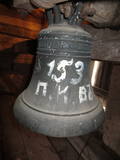 |
Построенную в 1651-м году церковь с перерывами строили на протяжении полувека. Она полностью перестроена и современный вид обрела в 1876-м году. В церкви находится один из самых значимых сакральных предметов интерьера в Латвии – самая старая в государстве церковная кафедра (1590-й год) в стиле маньеризма и установленный в 19-м веке колокол капеллы (1450-й год) разрушенного рыцарского замка, являющийся самым древним церковным колоколом в Латвии. Алтарная картина «Христос на кресте» немецкого мастера Ф. Вольфа, а также алтарь были недавно отреставрированы. |
|
 |
Часовня усадьбы Пуша – местный памятник архитектуры,
построенный в 18 веке. Находится в парке усадьбы Пуша. Парк разбит
в середине 19 века и является национальным памятником архитектуры.
|
|
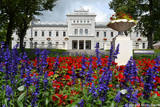 |
Плунге славится парком князей Огинских. Парк смешанного типа был разбит на месте жемайтийской священной рощи в XVIII–XIX вв. Гордостью парка являются один из древнейших и крупнейших в Литве дубов, получивший имя языческого бога Перкунаса (Перуна), легендарная Плачущая липа и Пятиствольный ясень. По указанию князя Огинского здесь было вырыто семь каскадных прудов, соединенных каменными мостами-шлюзами. Уникальную живописность парку придает протекающая по нему река Бабрунгас. |
|
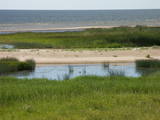 |
After a big storm in 2005, the nature trail of the Randu meadows was restored. It is about 4 km long, and there is a bird-watching tower which offers a fine view of unique shoreline meadows with small lagoons and areas of reeds. It is a fine place to watch migrating birds. This is part of the Northern Vidzeme Biosphere Reserve (ZBR).
|
|
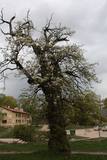 |
This is the thickest wild pear tree in Latvia. The tree is particularly beautiful when it is blossoming.
|
|
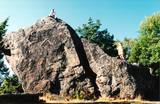 |
The Rock of Jana - Toma is claiming itself to be the highest (almost 8 m) rock in The Baltic. It is located in Kasispea village. |
|
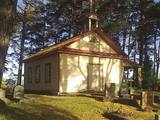 |
Иденская часовня, посвящённая во славу Святого Креста,
построена в 1898 году на средства декана Ф. Смилгевича. Здесь
проводятся католические богослужения. Это деревянное здание
в форме одной комнаты и с небольшой колокольней. Особый
праздник часовни проводится 17 сентября, в День стигматов, и посвящен св. Франциску Ассизскому.
Часовня используется и как каплица.
|
|
 1 день
|
Dodieties ekskursijā, lai gūtu ieskatu lauku profesijā un dzīvesveidā, kā arī iegūtu jaunus iespaidus un labu atpūtu visai klasei. Ekskursijas laikā apciemojiet koka skulptūras Vienkoču parkā, kur iespējams iepazīties arī ar koka amatniecību un sameklēt dārgumu lādi. Vai arī apmeklējiet vienīgo vietu Baltijā, kur var iepazīties ar cilvēku dzīves apstākļiem pirms vairāk kā 1000 gadiem. Pēc tam apmeklējiet zemnieku saimniecību, kurā no cidonijām ražo sukādes, marmelādes, sīrupus un citus labumus, un pļavās ganās savvaļas zirgi. Ekskursijas noslēgumā dodieties uz Porcelāna fabriku, lai varētu padarboties apgleznošanas darbnīcā un iepazīties ar ražotni. |
|
 |
Домашние производители предлагают приобрести разные виды сыра, который продают на зеленых базарчиках в Гулбене и в других местах Латвии. Принимают заказы. |
|
 |
This lovely territory includes the hillocks of Embūte, which are in the ancient Embūte valley. The aim of establishing the park was to protect the landscape, biotopes and species of the region. An ecological tourism trail has been established in the valley, as has a forest trail through the nature park (accessibly only in the company of a guide). Visitors will learn about the hillocks and ravines left behind by the Ice Age. The ravines and the forests along their sides are protected biotopes. There are also important natural and cultural monuments, including the Embūte castle hill and the ruins of a baronial estate, castle and church. Other points of interest include the death place of the Courlandian warrior Indulis, the Joda dam, meadows, a viewing tower, etc. Three unmarked bicycle trails are in the area. |
|
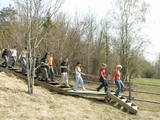 |
Тропа создана на склоне основного берега древней долины реки Абава, где можно осмотреть рассредоточенное выклинивание подземных вод, различные типы лугов, можжевельниковые поляны и др. На береговом склоне весь год „хозяйничают” дикие коровы. 200 ступеней приведут вас к вершине берега древней долины, с которой открывается великолепный вид. Тропу рекомендуется посещать в сопровождении местного гида. |
|
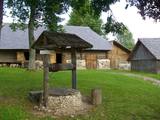 |
Это своеобразный музей на открытом воздухе в Южной Эстонии, где можно познакомиться с крестьянской и школьной жизнью конца 19-го - начала 20-го века. На музейной территории в 5 га можно увидеть здания школы, суда, бедного дома с надворными постройками, зернохранилища, жилой риги и дома бобыля, а также ветряную мельницу голландского типа. Представлены сельскохозяйственные машины и средства передвижения. |
|
 |
Хозяйство занимается разведением кроликов и предлагает сортовую крольчатину, кроличьи шкурки и изделия из них. Ключ к успеху ‒ качественный корм, ветеринарный уход и хорошие условия содержания кроликов. |
|
 |
Auch Königstor (Kuningavärav) genannt. Im Barockstil gebaut ist ein Teil der früheren mittelalterlichen Stadtbefestigung. Der Beginn des alten Postweges. |
|
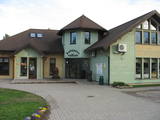 |
В Стукмани, у шоссе Рига – Даугавпилс (A6) находятся булочная «Лиепкални», в которой может покушать и купить только что испеченный хлеб и кондитерские изделия. Несколько десятков видов хлеба, печенье, торты, пирожные и сдобные булочки. Здесь можно покататься на корабле викингов. Рядом с булочной находится Туристический информационный центр Плявиньского края и центр туристических услуг «Латвью спикерис». По берегу Даугавы проложена прогулочная тропа. Латышская кухня: Суп с фрикадельками и щавелевый суп, крестьянский завтрак, глазунья, свиные ребрышки, серый горох, картофельные блины с лососем, тонкие блины, крем из ежевики. Особое блюдо: Лиепкалнский черный хлеб, хлебный квас. |
|
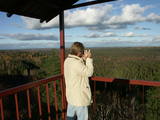 |
The viewing tower is in the southern part of the reserve, along the Ļaudona-Mārciena road and on the Madona-Trepe embankment. Here you can view a very wide territory all the way to the Vidzeme highlands, including Gaiziņkalns Hill if the weather is clear. At the foot of the tower you will see the lakes known as Small and Great Lake Plencis. |
|
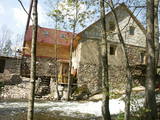 |
The Narūta River which flows out of Lake Ežezers is approximately 1 km long and ends at the small Obiteļi windmill lake. On the right bank of the river is a windmill that was built around 1900. Today the site has the Obiteļa leisure centre with a sauna and banquet facilities. |
|


