
| Нo | Название | Описание |
|---|---|---|
 1 день
|
Ekskursijas sākumā apmeklējiet Enerģētikas muzeja ekspozīciju Pļaviņu hidroelektrostacijā, kur iespējams iepazīties ar unikālās būves un lielākās elektroenerģijas ražotnes Baltijā celtniecības vēsturi un darbības nozīmīgākajiem notikumiem. Pēc tam apmeklējiet Skrīveru pārtikas kombinātu, kurā iespējams iegādāties gardās konfektes un doties ekskursijā. Tālāk - Skrīveru mājas saldējums ar stāstījumu par saldējuma gatavošanu un degustācija. Brauciena noslēgumā dodieties uz savvaļas dzīvnieku dārzu, kur dzīvo ~ 50 dambrieži un Skotijas savvaļas govis. |
|
 |
Трапезная «Даугава» расположена в центре города Краслава у шоссе А6. По предварительной записи предлагаются латгальские блюда в глиняной посуде. Работает пекарня и кондитерский цех. Особое блюдо: Мясо в горшочке чёрной керамики, бульбешники. |
|
 |
Трактир Kaali на протяжении долгих лет предлагает своим гостям лучшие блюда и напитки эстонской и сааремской кухни, приготовленные из местных продуктов, а также знакомит с культурой и историей острова. Посетители музея и метеоритного кратера Каали могут здесь вкусно перекусить. |
|
 |
Здание бывшей аптеки – память от бывшего курорта
Всесоюзного значения. На стене здания осталась
символика, посвященная аптекарской тематике.
|
|
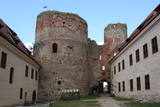 |
Название Бауска впервые упомянуто в исторических источниках в 1443 году. Это время, когда на полуострове между слиянием Мусы и Мемеле началось строительство последнего замка Ливонского ордена на территории теперешней Латвии. Рядом с замком, в Кирбаксале образовалось поселение, т.н. Вайрогмистс. В XVII веке наблюдался быстрый расцвет города. Здесь работали золотари, серебряных дел мастера, столяры, гончары, сапожники и другие ремесленники. В поздние столетия горожане страдали от войн, чумы и армии Наполеона. Сегодня старый город Бауски с только что вновь возведенной Ратушей и восстановленным Бауским замком является одним из интереснейших исторических центров городов Латвии. Бауска известна своими ежегодными мероприятиями - фестивалем Старинной музыки, праздником города Бауски, фестивалем кантри-музыки и др. мероприятиями |
|
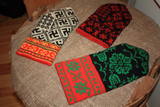 |
Находится в центре Барты, рядом со средней школой. В основной экспозиции музея «Бартские традиции изготовления и ношения народного костюма в XIX – XX столетии» представлены девичьи, женские и мужские наряды и их разнообразие. Посетители могут принять участие в процессе ткачества и вышивания орнамента на бартских рубахах. Вместе с этнографическим ансамблем «Барта» предлагается участие в образовательных программах «Народные костюмы Барты» и «Поют женщины Барты». |
|
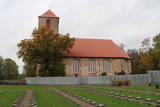 |
На кладбище возле Лестенской лютеранской церкви перезахоронены более 900 воинов, павших во время Второй мировой войны. Это в основном воины, погибшие в боях Курляндского котла на территории Земгале и Видземе. В память павших установлен памятник «Родина-мать Латвия» скульптора Арты Думпе. Лестенское братское кладбище является вторым по величине (после Рижского Братского кладбища ) местом захоронения в Латвии латышских солдат, павших во время Второй мировой войны. На могильных плитах выгравированы имена ~ 11 000 воинов. |
|
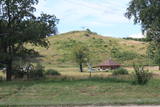 |
Ap 0,5 km ziemeļaustrumos no Stukmaņu muižas – Daugavas ielejas labajā krastā atrodas Vīna kalns – sens pilskalns. Tajā atrodas izpostītie Stukmaņu muižas īpašnieku kapi. Mazliet tālāk redzams klajš upes ielejas nogāzes posms, kurā savulaik darbojās slēpošanas trase. |
|
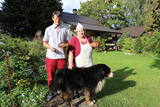 |
В доме «Берзини» выпекают чудесный на вкус пшеничный и ржаной хлеб по старинным родовым рецептам. Вкус и аромат хлебу придает особая печь, которой более 70 лет. Хлеб можно заказать, или, договорившись заранее, сделать и испечь самому свою буханку. |
|
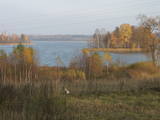 |
Ārkārtīgi ainaviska teritorija Augšzemes augstienes centrālajā daļā ar vairākiem ezeriem - Medumu, Lielo un Mazo Ilgas, Šķirsteņu un dažām mazākām ūdenstilpēm. Medumu ezera salām ir dabas lieguma statuss. Teritoriju šķērso vairāki grantēti ceļi, no kuriem dažviet paveras brīnišķīgas, bet nelabiekārtotas skatu vietas. Teritorijā atrodas Medumu katoļu baznīca. Piemērota teritorija dažādu aktīvā tūrisma veidu attīstībai. Dabas parks ietilpst Augšzemes aizsargājamo ainavu apvidū. |
|
 |
Находится на берегу Рижского морского залива, между шоссе VIA Baltica (A1) и морем, на территории комплекса отдыха «Порт капитанов», которую опоясывают луга Ранду. Летняя терраса с великолепным видом на закат солнца. Латышская кухня: Холодный свекольный суп, картофель с творогом и селедкой, копченый угорь, запеченный в печи сом, жаренный в конопляном масле судак, сырники, клубничный суп. Особое блюдо: Рыбный суп. |
|
 1 день
|
This tour is suitable only for experienced hikers. The itinerary circles the Suurupi Peninsula where the dense forests conceal the military heritage of different eras. The Baltic Coastal Hiking Route meanders through overgrown and rocky seacoasts, birch groves, along former pioneer camps and sand-stone cliffs protecting coves with sharp capes. At the end of the itinerary, one of the most astounding outcrops of the Estonian littoral rises before your eyes – the Rannamõisa Cliffs, which gives views of Kakumäe Bay and Peninsula and the towers of Tallinn’s Old Town |
|
 |
В хозяйстве уже на протяжении 20 лет занимаются производством сыра из молока коров, выращенных в хозяйстве. Произведенный здесь сыр можно приобрести на крупнейших латвийских базарах и ярмарках. |
|
 |
Хозяйство расположено в живописном Национальном парке Карула (Karula Rahvuspark). Здесь можно и поесть, и переночевать. Еда готовится преимущественно из местных продуктов на кухне хозяйства. В хозяйстве также выращивают быков мясных пород. |
|
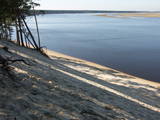 |
An important complex of the coastline and its sand dunes along with the mouths of three major rivers – the Lielupe, the Daugava and the Gauja. This area has ancient traditions of recreation and spa services. The territory has lovely shoreline landscapes and features one of the few coastline meadows in Latvia. The nature park includes several restricted areas – the meadows of the Lielupe estuary, Vakarbuļļi, Daugavgrīva, Vecdaugava and Ummis (see the section on “Restricted Natural Areas”). Interesting elements of nature in this area include the amphitheatre of the Garciems dunes, along with individual dunes such as the Legzdiņi dune and the so-called ski mountain dune. Visitors will be attracted by various cultural and historical monuments – fortifications on the Mangaļi peninsula, military buildings from the period of the Russian tsars all the way through the late period of the Soviet occupation, the fortress of Daugavgrīva, the Vecāķi spa with its old shoreline buildings, and the beaches at Daugavgrīva and Vecāķi. The proximity of the city of Rīga and various important recreational resources are the reason for the massive anthropogenic burden that is placed on this territory. The nature park is appropriate for active tourism (hiking, bicycling, boating, driving), distance skiing, nature and bird-watching, cultural tourism, passive leisure and educational tourism. There are nature trails at Daugavgrīva and the Rožu dunes, along with other elements of infrastructure. |
|
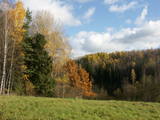 |
The Krustkalni Nature Reserve was established in 1977, and the diversity of plants in the region is based both on the terrain – the Madona-Trepe embankment, a series of hillocks with low areas among them, swamps and small lakes – and on the biotope – natural meadows, forest glades, places where underground streams bubble up to the surface, and vast areas of forest with very old stands of trees. Some 800 types of plants have been defined in the reserve. It can be toured only in the company of a guide from reserve headquarters, and one must apply in advance. Visitors can visit the Krāku streams, Lake Svēte-Dreimaņi, and other sites. |
|
 |
Iekārtots bijušā Džūkstes – Lancenieku skolā, kur ikviens var iepazīt mūsu „Pasaku tēva” – Anša Lerha-Puškaita devumu folkloras mantojuma vākšanā.
|
|
 |
Находится в центральной части Екабпилса. Пекут пиццы, сдобные булочки, пирожные, торты и крендели. Предлагают копчености, деликатесы из оленины и кабана, продукты местных надомников и крестьян. |
|
 |
Pitas ir pēc inovatīvas žāvēšanas tehnoloģijas radītas augļu, ogu un garšaugu garšvielas, kuras ražo mājražotāja Lorita Miķelsone. Mājražotāja labprāt ļaus nodegustēt un iepazīstinās ar Pitām jebkuru interesentu, uzņemot apmeklētājus Skaisto un praktisko ideju dārzā Dobelē. |
|
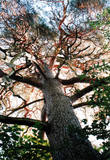 |
This is Latvia’s thickest common pine (Pinus slyvestris)
|
|


