
| Нo | Название | Описание |
|---|---|---|
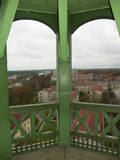 |
From the tower of St Simon’s Lutheran Church, you can see the central part of Valmiera and the banks of the Gauja River. During clear weather, you can see Zilaiskalns Hill. The church contains some cultural and historical treasures, as well as one of Latvia’s most resonant pipe organs.
|
|
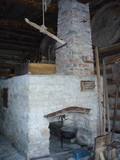 |
In Metsanurme Village Centre you can see restored old threshing barn, limestone barn oven and few tools that were used ages ago. You could be also interested in seeing an outdoor exhibition which focuses on historical agricultural tools. All of this is made to look interesting to not only locals but also visitors. |
|
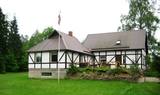 |
Guest house "Aivari" is located in a quiet forest in Inčukalns region. Offers rest in a country sauna, after the sauna it is possible to use a shower, cool off in the pool, also a swim in the spring pond and a wooden tub. There are tent sites, a picnic area with awnings, a volleyball net and several campfire sites. |
|
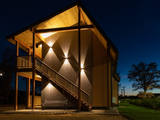 |
Bestes Apartments is a new guest house that can accommodate 45 guests at a time (+ 10 extra beds). The guest house was built and designed in the Latvian style (a wooden building made here in Mūrmuiža), beds made in Latvia, bed linen made in Latvia were used. |
|
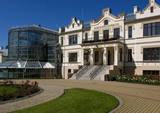 |
Парк усадьбы Кретинга — один из старейших усадебных парков Литвы, сохранившихся с XVI–XVIII вв. Это парк смешанного стиля площадью 23 га. В южной части усадебного парка на месте бывшего фруктового сада установлен Астрономический календарь с солнечными часами, сформирована живая изгородь, проложены аллеи, разбиты клумбы, альпинарии, выращиваются коллекции георгинов, пионов, тюльпанов, восстанавливаются фрагменты розария, оборудованы пешеходные дорожки, места для отдыха. Отреставрированный фонтан усадьбы стал излюбленным местом для отдыха посетителей. |
|
 |
Хутор Maizes māja возле Цесиса ‒ это место, которое подарит радость, силы и научит полезным в жизни навыкам! Здесь проводятся застолья с пирогами и мероприятия по выпеканию хлеба. В Доме хлеба школьники, семьи, группы друзей и туристов на время становятся одной семьей, в которой много работы – носить дрова, топить печь, а в настоящей дровяной печи выпекается ржаной черный хлеб или кисло-сладкий хлеб из ржаной муки «Каупо». Когда все дела переделаны, семья садится за общий стол. Tакже посетителям предлагают ознакомиться с профессией пекаря, кулинара и повара, приобрести жизненные навыки, испытать всевозможные приключения на лоне природы, отметить традиционные праздники и праздники времен года, провести торжество в старинном амбарчике. |
|
 |
Piedāvā ļoti gardus Lietuviešu tradicionālos ēdienus. Var pieņemt līdz 300 personām. Ir āra terase un dzīvā mūzika. Pieņem bankas kartes, pieejama autostāvvieta. |
|
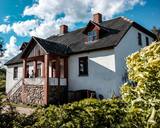 |
Гостевой дом находится в 300-летнем здании пивоварни Омульского фольварка, расположенного в 20 км от Валки. Хозяйство занимается производством домашних копченостей, сыров, белого хлеба, кисло-сладкого и ржаного хлеба. Подворье со скотом, баня. |
|
 |
Кафе со свободной атмосферой в Адажи. С террасы открывается вид на берега реки Вейупе и красивые закаты. В предложении современная мировая кухня: салаты, закуски, супы, сытные основные блюда, бургеры и освежающие напитки. |
|
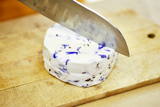 |
В этом хозяйстве разводят коз тюрингской породы и делают сыр из козьего молока, а также различные лакомства. А еще здесь выращивают пряности и лекарственные растения, которые используют для приготовления чаев и производства натуральной косметики. |
|
 |
Established: 1959
60 coniferous and 350 deciduous trees
Brief description: Between the Tukums-Kolka road, the Lāčupīte stream and the sea, Igors Mednis has planted a series of foreign trees and shrubs. He has conducted experiments to see how different foreign plants adapt to different conditions. The best time to visit is in May and June, when the rhododendrons are in bloom.
|
|
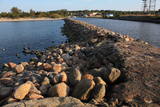 |
Molu (sākotnēji – pāļu rindas ar akmeņu krāvumiem) izbūve pie Sakas ietekas jūrā tika uzsākta 1878. gadā, lai nodrošinātu ostas darbību. 1929. gadā notiek molu pārbūve, pagarinot tos ar masīviem betona blokiem. Pēdējā rekonstrukcija notika 2010. gadā, pārveidojot molus par ērtu pastaigu un makšķerēšanas vietu, no kuras var vērot arī saulrietu. |
|
 |
This restricted area is on the eastern shore of Lake Ķīšezers, and of the greatest importance here are the habitats – flood-land and other meadows, dunes, the aquatorium of Lake Ķīšezers, the shoreline, forests of oak, black alder and other trees, and many huge oak trees in the restricted area and beyond its borders. The Bulduri castle hill, which is the most distinct ancient castle hill in Rīga, is on the southern end of the Lieupsala peninsula. On the border of the restricted area is an affiliate of the Latvian Open-Air Ethnographic Museum, which is known as “Vārnas”.
|
|
 |
The brothers Imants and Ivars Novožilovs have spent more than 10 years collecting local evidence of World War II – weapons, wrecks of armoured vehicles, the everyday objects of soldiers, etc., and they have now opened an exhibition of those items at the former headquarters of the local parish council.
|
|
 |
Meklējams Matsalu līča dienvidu krastā pie Kēmu ostas (Keemu sadam). Blakus sešus metrus augstajam metāla – koka tornim uzcelts neliels apmeklētāju centrs. Tāpat kā no Haeskas torņa, arī no šī paveras viena no izcilākajām Matsalu līča un tā piekrastes ainavām. Laba putnu vērošanas vieta migrāciju laikā. |
|
 |
Небольшая пивоварня и магазин в Лиелварде. Организует дегустации, предлагает попробовать на месте или приобрести на вынос деликатесы латвийского производства. |
|
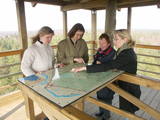 |
Находится на Пулеметной горке, которая является одной из самых высоких точек Длинной дюны. Рядом находится памятник доблестным латышским стрелкам, которые потерпели большие потери в ходе Рождественских боев в конце 1916 г. Просматриваются большие лесные массивы до самой Юрмалы и болото Мазтиреля, на котором хорошо выделяется место бывшей узкоколейной железнодорожной насыпи. Входит в Мемориальный парк Рождественских боев, где можно осмотреть музей Мангали, восстановленный “Немецкий вал”, памятники и другие объекты. |
|
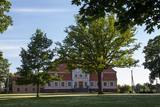 |
Усадьба Кельме представляет собой одну из немногих сохранившихся в Литве провинциальных усадеб в типичном для страны стиле барокко. Это большой усадебный ансамбль с законченной композицией, отличающийся обилием аутентичных построек, зеленых насаждений и водоемов. В усадьбе разбит геометрический парк, в котором до сих пор прослеживаются явные черты барокко. Парк делится на правильные части аллеями, пересекающимися под прямыми углами. В парке есть небольшой холм с обзорной площадкой. Большинство из растущих здесь крупных деревьев местных пород (дубы, клены, липы, ясени) представляют собой наследие старого парка. Украшением этого места являются большой пруд за дворцом, три более мелких пруда и холм с обзорной площадкой в старой части парка. |
|
 10 дней
|
Из Риги маршрут ведет вдоль правого берега реки Даугавы и пересекает ее на Плявиньской гидроэлектростанции, ведя к Саласпилсу. Посетите Национальный Ботанический сад, а затем продвигайтесь вдоль левого берега Даугавы. На своем пути вы увидите модель старинного деревянного замка, где вы можете побродить. Затем посетите Кроличье Королевство, где кроличьи домики напоминают маленькие замки. А затем время отведать вкуснейшего самодельного мороженого в Скривери и посетить руины легендарного Кокнесского замка. На следующий день посетите этнографическое действующее фермерское хозяйство, где вы сможете увидеть диких лошадей, коров, а также различных водоплавающих птиц в пруду. Затем маршрут направляется в частный мини-зоопарк "Ezerlejas", где можно увидеть несколько экзотических животных. Посетите керамическую фабрику, где вы увидите, как от начала до конца изготовляются вручную изделия из глины, прогуляйтесь по руинам средневекового замка. Город Цесис с его величественным средневековым замком и красивым старым городом - следующая остановка на вашем маршруте. В Лигатне пройдитесь по природным тропам, где вы сможете посмотреть на местных диких животных. В Сигулде дети с удовольствием посетят центр приключений «Тарзан». Здесь есть также Олимпийский бобслейный центр и два старинных средневековых замка. Из Сигулды маршрут идет вдоль побережья, делая остановку в элегантном поместье Бирини с его большим парком, где вы сможете покататься на лошадях. Затем вы попадете на песчаный пляж в Саулкрасты. Перед возвращением в Ригу вы сможете посетить ферму с козами и пони, отведать их продукты и приласкать животных. |
|
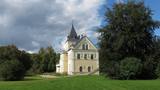 |
Расположен в жилом здании поместья «Доле» (построено в 1898 г. как собственность рода фон Левисов оф Менар).Музейные фонды отображают Даугаву как важный исторический водный путь, предлагают для осмотра одежду, предметы быта племен балтов и ливов, а также другие экспонаты.В парке господской усадьбы «Доле» можно увидеть заколы для миног и восстановленное заграждение для ловли лосося.Рядом с музеем находится пушка времен Курземского герцогства – 17 век (найдена в реке Миса), вылитая на Вагранке в Балдоне. Чуть дальше представлены 4 пушки Российской царской армии, которые были найдены в 2007 году на строительной площадке в городе Саласпилс. |
|


