
| Нo | Название | Описание |
|---|---|---|
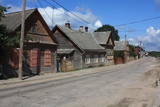 |
Одноэтажная деревянная застройка жилых зданий сформировалась в XIX веке. Здесь можно увидеть характерные для Латгалии закрытые дворы, веранды, деревянную отделку и декор. Деревянная городская застройка серьезно пострадала от пожаров в 1866 и 1938 годах. Историческим центром Лудзы можно считать место Рыночной площади, а Лудзинское городище - главной доминантой, вокруг которой образовывалась сеть городских улиц. У подножья Лудзинского городища находятся развалины Лудзинского замка. В конце XIV века здесь находилась деревянная крепость древних латгалов, на месте которой Ливонский орден возвел мощный каменный Латгальский замок. В 1654 году замок разрушили войска русской армии царя Алексея Михайловича. Экскурсии предлагают гиды Лудзенского ТИЦ. |
|
 4 дня
|
Профессиональный сельскохозяйственный тур, в ходе которого будет возможность ознакомиться с животноводческими хозяйствами, в которых разводят коров, овец, коз и свиней. День знакомства, в течение которого запланирован осмотр Риги – столицы Латвии (наследие ЮНЕСКО), организована встреча со специалистами Министерства земледелия Латвийской Республики, представителями негосударственных организаций сельхозпроизводителей. В первой половине следующего дня отправляемся в Курземе. Посещение крестьянского хозяйства, которое специализируется на мясном животноводстве. Специализация второго хозяйства – различные отрасли: разведение чистокровного и гибридного крупного рогатого скота на племя, откорм и производство мяса, продажа молочных поросят и производство свинины, выращивание зерновых и пищевого картофеля, а также пчеловодство. Вечером – посещение старого города Кулдиги и самого широкого водопада в Европе – Вентас румба. На следующий день отправляемся в Видземе. Первое хозяйство ведет интенсивное сельское хозяйство и специализируется на разведении крупного рогатого скота. Специализация второго сельского хозяйства – молочное животноводство, зерноводство и выращивание трав. Осмотр развалин Кокнесского замка, который находится на берегу Даугавы – судьбоносной реки латышского народа. Вечером – посещение одного из крупнейших козоводческих хозяйств Латвии. В хозяйстве разводят около 160 чистопородных коз (Альпийская, Англо, Немецкая белая благородная) и кабанчиков домашней свиньи (на племя). Экскурсия и дегустация разных сортов сыра. Утром следующего дня посетим одно из крупнейших овцеводческих хозяйств Латвии, которое одновременно является биологическим хозяйством. Здесь разводят около 250 овец Латвийской темноголовой породы. Второе хозяйство работает в двух направлениях – выращивает зерновые и семена трав и занимается молочным животноводством и разведением молодняка. Осмотр Цесисского замка. Цесисский замок был резиденцией магистров Ливонского ордена и одной из сильнейших крепостей ордена на сегодняшней территории Балтии. В завершении дня – поместье Унгурмуйжа – один из выдающихся образцов деревянного барокального строительства в Латвии 18-го века. |
|
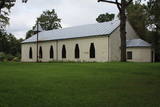 |
Jau pēc dievnama veidola var spriest, ka vēl ne tik sen – padomju laikos ēka bija izmantota citām vajadzībām. Pēc 2. pasaules kara to atsavināja draudzei, bet torni – uzspridzināja, dievnamā ierīkojot noliktavu. 20. gs. deviņdesmitajos gados draudze uzsāka baznīcas atjaunotni un tagad tā kalpo savam pamatmērķim. |
|
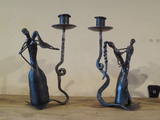 |
В кузнице куют заборы, ворота, указатели ветра, люстры, используемые в быту предметы и сувениры. Интересующимся рассказывают о работе кузнеца и демонстрируют умение кузнечного дела. |
|
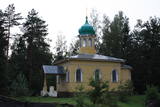 |
Со стороны шоссе Рига – Даугавпилс (А6) (напротив кафе «Бордертаун») стоит необычный (построенный из складывающихся конструкций) храм, который изготовлен в Одессе в 1866 году. Церковь служила передвижной церковью царской армии и стоит на этом месте с 1904 года. Раньше (с 1886 г.) она находилась в Даугавпилсе. При храме построен деревянный дом-молельня, который открыт целые сутки. |
|
 |
Iespēja ielūkoties audējas, rokdarbnieces, ekoloģisko rotaļlietu radītājas, tekstilmākslinieces projekta “100 deči Latvijai” autores Anneles Slišānes senajās Latgales lauku mājās.
|
|
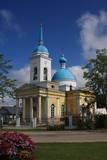 |
Находится в центре старого города - на перекрестке Латгальской и Церковной улиц. Церковь строили в период с 1843 – 1845 годы в стиле русского классицизма. Недавно восстановлена роспись потолков и стен. В башне храма располагается колокол весом 1667 кг. |
|
 |
Находится на берегу озера Усмас и предлагает разнообразные возможности для активного отдыха на воде и на суше, бесплатные места для разведения костра, уличный камин, а также предоставляет услуги питания. |
|
 4 дня
|
Маршрут ведет вдоль обоих берегов судьбоносной реки латышей – Даугавы. В маршрут включены такие значимые места, как развалины Кокнесского замка и создаваемый «Сад Судьбы». Путешественников порадуют как чудесные виды на речные ландшафты, так и древние городища, латгальские гончарные традиции и другие мастера ремесел. Даугавпилс с предложением многообразного военно-индустриального наследия и художественным центром знаменитого художника Марка Ротко. Информация о маршруте от Latvijas Lauku forums |
|
 |
В месте, где правый основной берег древней долины Гауи раскалывают несколько глубоких оврагов с маленькими ручьями, расположился Турайдский музей-заповедник с выдающимися в масштабе Балтии памятниками, история которых уходит в 1000-летнее далекое прошлое. Среди них необходимо упомянуть Турайдскую господскую усадьбу (21 здание), могилу Турайдской Розы, Турайдскую лютеранскую церковь (одна из старейших (1750 г.) деревянных церквей Латвии) и Турайдский замок. Рядом на горе Дайн организуются всевозможные тематические мероприятия. |
|
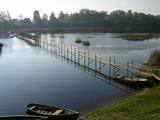 |
Одно из редких мест в мире, где по-прежнему в промышленном масштабе ловят миногу, используя старинный метод, которому более 150 лет – закол, т.е. через реку построены мостки с мережами. На Салаце таких три. В сопровождении местного рыбака можно увидеть процесс рыбной ловли, отведать и на месте приобрести жареную миногу. |
|
 |
Место отдыха находится в историческом местечке «Кони» поселка Папе Южного Курземе. Место для ночлега - клеть, историческая постройка с тростниковой крышей, приспособленная для проживания поздней осенью / летом / ранней весной. 3 комнатки + небольшая передняя и кухня на двух этажах. Предназначена для 8 человек. Идеальное место для проведения творческих лагерей, пленэров, мастерских и других культурных мероприятий. Места для палаток, где можно принять до 80 человек. Двор «Микьяну» в сотрудничестве с группами по интересам «Клуба традиций Руцавы» предлагает по предварительной договоренности попробовать блюда местной традиционной кухни – «селедку на углях», белое масло с вареной картошкой, риезу (картофельную запеканку с луком и салом, а иногда и без мяса), уху и др. Предложение распространяется только на группы, по предварительной договоренности. |
|
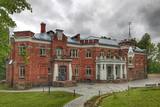 |
Господская усадьба Лузнавас с парком. Поместье построено (1905 – 1911) в стиле модерн и эклектичном стиле. Дом красного кирпича с многочисленными архитектурными художественными украшениями. Парк площадью в 23,7 га, из которых 2,6 га занимают пруды. В 1991 году в парке установлена статуя Л. Вроневской „Мадонна”. |
|
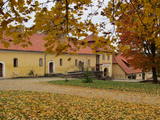 |
Ансамбль поместья в Милзкалне на берегу речки Слоцене начал создаваться в 15-м веке как закрытый комплекс франкского типа для хозяйских нужд ордена и являющийся в наши дни единственным сохранившимся образцом укрепленного поместья такого типа (как место укрытия для помещиков в случае нападения) в Латвии. В конце 17-го века были построены превратные башни с роскошными флюгерами, а в 18-19 веках – также хозяйственные здания. От первоначальной застройки сохранилась стена с бойницами. В одном из крыльев комплекса расположен Латвийский музей дорог. В главном здании поместья расположена гостиница, здесь предлагают экскурсии и дегустацию даров села. |
|
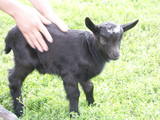 |
В хозяйстве разводят коз и выращивают овощи. Предлагают экскурсию, участие в доении коз, дегустацию и приобретение даров села – сыра, хлеба и пирожков. Предлагается поучаствовать в приготовлении сыра. |
|
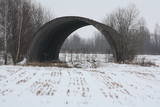 |
Кажется, что это одна из наиболее обвитых легендами в наши дни территория Советской армии,. В советское время здесь находился запасной аэродром, склады ядерного оружия (… 50 км от столицы), которые были замаскированы под два засыпанных землей и обросших растительностью ангара. В разных источниках можно найти сведения, что на складах хранились 430 кг термическая ядерная бомба RX – 24 и 1030 кг ядерная бомба RX – 26 с ядерными зарядами различного типа, а также ядерные ракеты типа земля-воздух. Что бы осталось от Риги и стран (стран Балтии? Северной Европы?), если бы здесь произошел несчастный случай? Сегодня аэродром - это закрытая территория.
|
|
 |
This farm is run by a young family which left the hurly-burly of
|
|
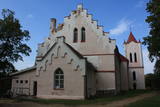 |
Стоит в городище Бейдас – на самом верху крутого склона долины Тебры (запружена Мельничным прудом). Церковь построена в городище куршей, где стояла укрепленная деревянная крепость Бейда древней земли куршей Бандавы. Первые сведения о храме относятся ко второй половине XIII века. Церковь неоднократно восстанавливалась и перестраивалась. Теперешний облик (готика) церковь приобрела во время перестройки в 1860 году и после того, как в 1730 году возвели башню. Это одна из старших церквей Курземе. До XVI века она была католическая, позже перешла в собственность лютеранского прихода. В церкви находится орган (1904 г.) фирмы «Зауэр», алтарь (вторая половина XIX века), надгробнаяплитаепископа Курляндского Х. Базедова (XVI в.), колокол (1589 г.) и др. |
|
 |
Baltijas valstīs lielākie brāļu kapi, kur izveidots (1974. - 1984. g.) piemiņas memoriāls (tēlniece P. Zaļkalne, arhitekti A. Zoldners, E. Salguss un dendrologs A. Lasis) 8 ha platībā. Šeit apglabāti ~ 23 000 cīņās par Kurzemes cietoksni jeb Kurzemes katlu (1945. g. pavasaris) kritušie Sarkanās armijas karavīri. Memoriāla centrā novietots12 m augsts Mātes - dzimtenes tēls, bet uz granīta plāksnēm iegravēti kritušo vārdi, starp kuriem ir atrodami arī daudzi mūsu zemes un kaimiņvalstu dēlu vārdi un uzvārdi. |
|
 |
В овраге притока Огре разместился мини-зоопарк, большую часть которого занимает вольер с кроликами. В глазах детей его делают привлекательным построенные по архитектурным мотивам господских усадеб и замков домики. Здесь можно увидеть коз, свиней, гусей, павлинов, мандариновых уток и жемчужных кур. Дети могут покормить животных. |
|


