
| Нo | Название | Описание |
|---|---|---|
 12 дней
|
The route includes some of the most authentic local expediencies travelling through blue lake districts along the Eastern part of Latvia and Lithuania. This is a region where mass tourism has not yet arrived, and you find very sincere and hospitable people, traditional villages, many churches and cult locations which bring together paganism, Roman Catholicism, Lutheranism, Russian Orthodoxy and Old believers, |
|
 |
Pankūku kafejnīca. Dažādi oriģināli pildījumi. Kafejnīca piedāvā svaigi grauzdētu kafiju, kafijas un alkoholiskos dzērienus, kā arī uzkodas. Atvērta tipa virtuve. |
|
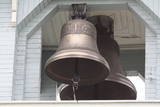 |
Находится в южной части города, на улице Синицина, 4. Храм построен в 1895 г., а в 1906 г. перестроен. На колокольне находится три литых из серебра и меди колокола (отреставрированные), один из которых является самым тяжелым в странах Балтии ( вес 4832 кг, язык колокола весит 200 кг)! Рядом расположен музей, который знакомит с культурной средой старообрядцев и церковной жизнью. |
|
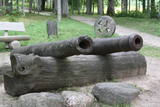 |
Создан в 900 году у места впадения речки Персес в Даугаву (теперь – в водохранилище Плявиньской ГЭС), в нем можно осмотреть шведские пушки 17 века и памятники средневековых могил. В парке (перед школой) находится восстановленный фонтан „Голова фавна”, который в тридцатые годы 20 века находился недалеко от легендарного водопада Персес (сейчас под водой), место которого обозначено расположенной на берегу реки каменной скульптурой „Девушка Персе” (автор: Я. Зихманис). Дорожка ведет вдоль 11-метровой деревянной скульптуры «Вечности», созданной скульптором Г.Бурвисом, и созданной братьями Руранами «Совушки». |
|
 |
Хозяйка встретит вас небольшим рассказом о выращенном в хозяйстве здоровом травяном чае и испеченными ею лакомствами. Если есть желание провести ночь под открытым небом, мы предлагаем места для палаток и костров, расположенные на берегу реки возле старой мельницы Луку. Крестьянское хозяйство «Аплоки» ждет каждого, кто хочет отдохнуть в тихой и спокойной атмосфере. |
|
 3 дня
|
This is the most challenging Forest Trail section, especially on the second day. Here, on the coast of the Gulf of Finland, rises the North-Estonian Klint – a steep, rocky and forest-covered cliff that stretches non-continuously to Tallinn and further to the islands of West-Estonia. The Forest Trail runs on top of the cliff and occasionally descends into valleys. It crosses the deep and vast Pühajõgi valley in Toila-Oru park and comes to Toila, a popular coastal resort. One of the most unusual sections of the Forest Trail in Northern Estonia, which leads along the foot of the impressive North-Estonian Klint in good weather, then climbs to the top of the klint in the villages of Valaste and Saka, revealing breathtaking views of the Gulf of Finland. |
|
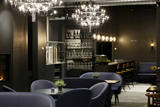 |
The “Zoltners” restaurant offers dainty dishes from fresh seasonal products. The key philosophy of the menu is staying natural and unsophisticated. Endijs Vīnerts, the restaurant chef, has a special approach to create the combinations of tastes that are characteristic to North Europe and to discover new nuances of the tastes of local products. |
|
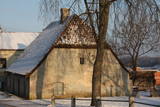 |
(1735 г.). Находится на левом берегу реки Вента за старинным кирпичным мостом по адресу ул. Пилс 4. Строительным материалом послужили камни от разрушенного герцогского дворца, а сам домик был построен на террасе, которая является последним сохранившимся фрагментом замковой стены. Сторожку (именуемую также Домик Палача) перестроили в 19 веке. Сторожку можно осмотреть снаружи. |
|
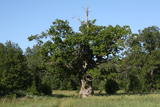 |
The tree is in the middle of an untended field. Despite many dead branches and the messy surroundings, the tree is beautiful and well visible from the road. It is the third thickest tree in the Baltic States.
|
|
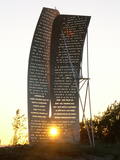 |
В Ошвалки – населенном месте между Юркалне и Сарнате установлен памятный знак «Парус надежды», посвященный тем латышским беженцам (1944 – 1945), которые на рыбацких лодках отправились через Балтийское море в Швецию. Знак установлен на прибрежной дюне между дорогой и морем. |
|
 8 дней
|
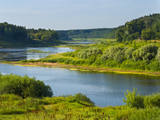
Даугаву не зря называют Рекой Судьбы, Сердечной Даугавой, Матушкой-рекой. Эта большая и полноводная артерия течет по нашей земле и истории. Викинги ее использовали уже с 5-го века. Краслава как место древнего городища на Даугаве была хорошо известна бесстрашным мореплавателям, так как вниз по течению можно было плыть под парусами. В сагах она названа Dynasaiforgarðr. |
|
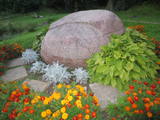 |
Находится в юго-восточной части Пиедруи, на берегу Даугавы. До него можно дойти по Пиедруйской тропе или местной проселочной дороге. Автор памятного камня – скульптор Вилнис Титанс. На камне высечено слово Даугава на семи языках – латышском, ливском, эстонском, польском, русском, немецком и финском. Со стороны камня хорошо видна Друя, находящаяся на белорусском противоположном берегу реки и большой остров, делящий реку на две части. Для посещения Пиедруи необходимо оформить разрешение для пребывания на приграничной территории. |
|
 |
SIA "Lubeco" audzē zemenes un cidonijas 7 ha platībā Talsu novadā, pie ciematiņa Lubezere, kas atrodas netālu no Valdemārpils. Uzņēmums jau gadu ir mājražotājs. Sezonas laikā zemenes pārdod svaigas, bet rudenī un ziemā pārstrādātas dažādos produktos. Cidonijas tiek pārstrādātas sukādēs, sīrupos un sulā. |
|
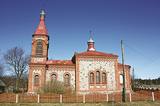 |
Впервые в письменных источниках упомянута в 1387 году под названием Домеснес, и под этим именем известна до начала 20-го века. В церковной книге Ирбе - Гипки есть сведения, что в 1770 году в Колке было 4 двора - Кроги, Уши, Вецвагари и Кабрики. В 1844 году в Колке обустроили церковную школу, в которой учителем работал Ника Полманис, а первое здание школы в Колке было построено в 1881 году. Почти полвека учителем в ней проработал лив Карлис Бернштейнс (1881 - 1951). Предводителем Дундагского бунта, начавшегося в 1859 году, считается сын хозяина Колкских Сарнастов - ливонец Ника Шубергс (1833 - 1884). В конце 19-го века в Колке было 392 жителя, а в 1935 году из 343 жителей 145 были ливами. В середине 80-х годов 20-го века на ливском языке в Колке свободно говорили 13 ливов. Колка - единственная прибрежная ливская деревня, которая продолжала развиваться в условиях советского пограничного режима, поскольку она стала центром рыболовного колхоза. В 50-60-е годы население быстро росло, были построены новые дома, школа и народный дом, детский сад, рыбообрабатывающие заводы. Сейчас Колка с 700 жителями - самый большой поселок на побережье ливов. Здесь работает цех рыбообрабатывающей фабрики «Лицис-93», местные рыбаки и коптильщики рыбы, действует центр ливов «Kуолка» („Kūolka”) и ансамбль ливов «Лаула» (“Laula”), а в Ушах можно попробовать ливские блюда. |
|
 |
В хозяйстве посетителям предлагают экскурсию по саду и винному погребу, возможна дегустация и покупка вина, конфет и мармелада. |
|
 |
В созданном самим пейзажном хозяйстве скульптора по дереву появляются работы, которые объединяют камень и дерево. В поселке Ирлавас установлена работа ремесленника – ложка высотой 6,2 м. Экскурсия, заказ и покупка всевозможных деревянных изделий. |
|
 |
Mожно попариться в паровой бане, понаблюдать за процессом доения коров и даже поучиться этому самому, купить свежевыпеченный хлеб, булочки и уникальный яблочный чай, взять в аренду семейную палатку, поучаствовать в разных подсобных работах и научиться им, половить рыбу и искупаться в пруду, пострелять как из старинного, так и из современного лука. |
|
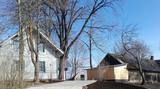 |
«Стиканы» находится в 2 км от Нагали, на самом берегу Оренишских прудов. Гостевой дом имеет 4 комфортабельных двухместных номера и столовую с выходом на садовую терассу. На территории дома оборудована природная тропа, прогуливаясь по которой в сопровождении знающего гида, вы можете ознакомиться с типичными для Латвии деревьями и кустарниками, популярными и менее известными лекарственными растениями и большей частью гнездящихся у нас летом птиц, или понаблюдать за впечатляющей миграцией птиц весной и осенью. |
|
 |
Найденные в Диевукалнсе (Гора богов) свидетельства, вещают о том, что 3000 лет назад на этом месте была стоянка племени балтов, а в VII – IX вв. около Даугавы уже осело племя ливов. На скалистом берегу Даугавы (впервые упомянута в 1229 г.) Рижский епископ из валунов построил замок, развалины которого можно увидеть и сегодня. Лиелварде даволо вдохновение таким работникам культуры времен атмоды (пробуждения), как Андрею Пумпурсу (1841-1902) и Аусеклису (1850-1879). Во время Первой мировой войны (Даугава почти три года служит линией фронта) Лиелварде полностью разрушен. После Второй мировой войны, как и на другой территории Латвии, здесь приступают к созданию колхозов. В это время Лиелварде приобретает известность еще из-за одного символа – пива «Лачплесис». Сегодня Лиелварде является полюбившимся местом для тех путешественников, кто выбирает свой маршрут по правому берегу Даугавы. |
|
 |
Taka izveidota Limbažu Lielezera ZA galā, tā ir 3.6 km gara vienā virzienā. Ezeru ziemeļu galā izbūvēts putnu novērošanas tornis. Izbūvēts bērnu rotaļu laukums, labiekārtotas atpūtas vietas, izveidota laivu piestātne. Pāri Donaviņai izveidots gājēju tiltiņš uz pontoniem. |
|


