
| Нo | Название | Описание |
|---|---|---|
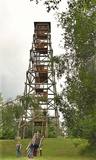 |
Lielais Liepu kalns ir Latgales augstienes Rāznavas pauguraines augstākā un Latvijā trešā augstākā virsotne (289,3 m v.j.l.). Lielpaugura relatīvais augstums ir 86 m! Skatu torņa platforma ir šobrīd augstākais Latvijas punkts (323 m.v.j.l.), kas sasniedzams ar paša kājām! Liepu kalna apkārtne ir labiekārtota. |
|
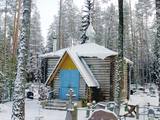 |
Малтская (Розентовская) православная церковь Всех
Святых построена в 1928 году. Рубленая деревянная постройка
с двойными оконными рамами и куполом-луковицей, фасад –
стилизованный солнечный мотив.
|
|
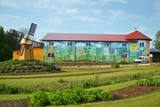 |
Сельское хозяйство "Чай Рукишу" является одним из крупнейших производителей лекарственных растений в Латвии. Предприятие обеспечивает качество продукции путем выращивания и сбора растений в своем хозяйстве, а также путем тщательной сушки, хранения и упаковки. В процессе производства не используются какие-либо ароматизаторы, красители или загустители. Туристическим группам также предлагают дегустацию вкусного чая и советы по выбору чая. Желающие имеют возможность приобрести продукцию по привлекательным ценам в магазинчике производства. В хозяйстве выращивают большое количество самых разнообразных растений, из которых изготавливают чаи - зверобой, валериану, эхинацею, котовник кошачий, календулу, ромашку, тимьян, мелиссу, мяту, пустырник, васильки, полынь и т. д. Сюда особенно стоит заглянуть во время цветения растений, когда каждый кусочек поля окрашивается в свой, характерный только для него, тон. |
|
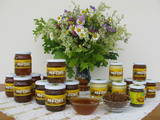 |
На обширных полях хозяйства под присмотром заботливого пчеловода «хозяйничают» ~ 150 семей пчел. Здесь выращивают и нектароносные растения – гречиху, донник, фацелию. Познание секретов пчелиной семьи, дегустация и покупка продуктов пчеловодства. |
|
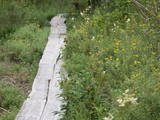 |
Teritorijas apskates nolūkos ir izveidota un labiekārtota dabas izziņas taka. Dabas liegums atrodas Abavas senlejas dabas parka teritorijā. Taka iepazīstina ar vienīgo krūmu čužas savvaļas augšanas vietu Latvijā. |
|
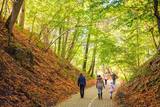 |
Šis ir viens no retajiem ceļiem, kurš saglabājies kā notikumu liecinieks. Ceļš ved no Krimuldas uz Siguldu. Jau vācbaltu apgaismotāja novadpētnieka – mākslinieka Johana Kristofa Broces 1794. gada zīmējumā "Siguldas un Krimuldas pilsdrupas" redzams lauku ceļš gar Krimuldas pili, pa kuru iet zemnieks un darba ratus velk zirgs. Lai braukšana pa Gaujas senlejas nogāzi ar zirga pajūgu būtu droša, ceļu izveidoja līkloča formā, tā uzbrauktuvi padarot daudz lēzenāku. Domājams, ka ceļš atjaunots 19 gs., kad Krievijas cars Aleksandrs otrais un viņa sieva ieradušies uz vizīti siguldā. Pāri ceļam bijuši vairāki mazi tiltiņi, ko iedzīvotāji dēvējuši par velna tiltiem. Tagad serpentīna ceļš kļuvis par romantisku pastaigu vietu. |
|
 |
Gebaut als ein Gebäude des Festungstyps. Wurde in der Zeit des Livländischen Kriegs und des Nordkriegs zerstört. 1865 wurde der heutige Turm gebaut. Die von J. V. Rabe gebaute Kanzel mit Spindeltreppe. |
|
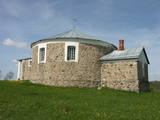 |
This chapel is interesting in form and made of field stones. It was built in the 19th century and is not open to the public. |
|
 |
Namdaris Rinalds Dundurs būvē, atjauno un restaurē vecās koka ēkas. Veido nestandarta masīvkoka mēbeles, bērnu rotaļlietas un lampas. Darbus veic sadarbojoties ar Latvijas dizaineriem. |
|
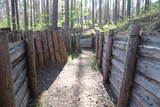 |
Ar Kara muzeja informatīvo atbalstu Garā kāpā pie Antiņiem ir rekonstruēta daļa latviešu strēlnieku nocietinājumu sistēmas. Aspkatāmas ierakumu pozīcijas un vairākas zemnīcas. Netālu atrodas bijusī un no dzelzsbetona veidotā medikamentu glabātuve. |
|
 |
«Буфет замка» находится рядом с развалинами Кокнесского замка. Предлагают перед или после катания на лодке, скандинавской ходьбы, посещения развалин замка насладиться отменным кофе, горячими бутербродами, закусками, картошкой фри, колбасками, пожаренными на гриле, мороженым или приобрести освежительный напиток, которым запить взятые с собой бутерброды, и, сидя в переднем дворе старинного дворца, наблюдать сказочный вид на распутье Персе и Даугавы. После особой просьбе можем приготовить наш вкусный Огненный суп (Угунсзупа). |
|
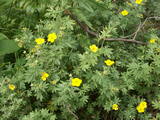 |
This is a swamp into which sulphurous waters flow, and it is on the left bank of the Abava River valley. This is the only place in Latvia where the protected shrubby cinquefoil is found in the wild. This bush covers approximately one-fifth of the restricted territory. It also includes forests, various kinds of meadows and sulphurous streams, including the one which is known as the Devil’s Eye. |
|
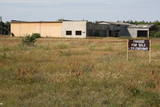 |
В задачу 15-й радиотехнической бригады в Сарайки входила пограничная охрана морского берега. В настоящее время объект находится в собственности Министерства обороны, где расположена учебная база 17-го батальона земессардзе.
|
|
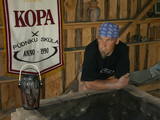 |
Один из участников общества Латвийского Фонда культуры «Школа гончаров» («Пуднику скула»), который использует старинные и проверенные веками методы гончарного дела Латгалии. Предлагает семинары, участие в открытии печи, возможность поработать самим, заказ и покупку керамических работ. |
|
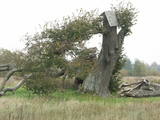 |
Before a great storm in 2005, this was one of the tallest and most noble lime trees in Latvia. Now only one branch is still alive.
|
|
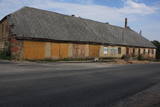 |
Atrodas Sakas un Liepājas ielas krustojumā. Ēka, kas šobrīd atrodas sliktā stāvoklī, celta 19. gs. vidū. |
|
 |
Строительство здания Кемерской школы
закончено в 1934 г. (архитектор К.Цинатс). Это одно из
немногих зданий школы в Латвии, где сохранился
исторически ценный интерьер и экстерьер – в т.ч.
аллегорические образы на фасаде здания.
|
|
 |
Cafe Vizbuļi atrodas Bērzciemā, Engures novadā, apmeklētājiem piedāvā nobaudīt gardu maltīti, svaigi ceptas smalkmaizītes, izbaudīt Bērzciema jūru, atpūsties un relaksēties. Ziemas sezonā kafejnīca atvērta tikai nedēļas nogalē, vasaras sezonā - katru dienu, ir āra terase. |
|
 |
Небольшая хлебопекарня, оборудованная Янисом Курпниексом (Jānis Kurpnieks) – пекарем с более чем 20-летним стажем – в своем отчем доме. Более 12 видов хлеба из латвийского зерна. Самая большая гордость пекарни – цельнозерновой ржаной хлеб и кисло-сладкий хлеб, не содержащий пшеничной муки. Ржаной хлеб выпекается большими караваями весом 8–9 кг, в длину достигающими полуметра. У такого каравая сильнее вкусовой букет и дольше срок хранения. При выпечке хлеба используется только натуральное сырье и самостоятельно изготовленная закваска, которую получают из теста предыдущей выпечки. Тесто бродит в дубовых квашнях, а хлеб пекут в настоящей дровяной печи, которую топят дровами хвойных пород деревьев. |
|
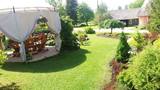 |
Здесь ждут в гости как группы, так и индивидуальных посетителей. Хозяева предлагают насладиться баней по-черному, пообедать и попробовать испеченного по древним рецептам суйтского хлеба, пирогов и особого печенья с семечками. |
|


