
| Nr | Nosaukums | Apraksts |
|---|---|---|
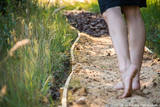 |
Izjūtiet dabu ar visām piecām maņām Jonavas rajona Šveices ciemā Survilu ciema tūrisma saimniecībā esošajā baskāju takā! Takas segums ir visdažādākais – čiekuri, peļķes, kūdra, māls, grants, nogludināts stikls, skujas, salmi, šķēršļu josla un citi. Taka ir vairāk kā kilometry gara, tādā veidā izjutīsiet visai neticamu sajūtu gammu un pozitīvas emocijas, kā arī enerģijas pieplūdumu. |
|
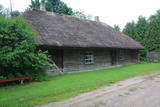 |
Meklējams Jaunpiebalgas dienviddaļā, Jaunpiebalgas vidusskolas teritorijā (no skolas uz dienvidiem). Tas atklāts 1977. g. senā lauku mājā, kuru klāj niedru jumts. Muzeja ekspozīcija stāsta par apkaimes ievērojamākajiem cilvēkiem, notikumiem, vēsturi un tradīcijām. |
|
 |
Kontiki ir kafejnīca Ādažos, no kuras terases paveras skats uz Vējupes krastiem. Piedāvājumā pasaules virtuves ēdieni un dažādi atspirdzinoši dzērieni. Iespējams izbaudīt arī sportiskas aktivitātes - inventāru un apmācības nodrošina blakus esošais "Burusports". |
|
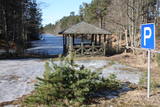 |
Vecročupe iztek no Vaides dīķa, kas radīts mākslīgi, aizsprostojot Vaides un Kukšupes grāvjus. To padomju laikā īstenoja meža apsaimniekotāji ar mērķi – audzēt zivis un izveidot rekreatīvu teritoriju. Pie Vaides dīķa izveidota atpūtas vieta (koka lapene), uzstādīts informācijas stends. Vaides dīķa ziemeļu krastā atrodas 1928. g. izveidotie Vaides kapi, kuros redzami interesanti koka krusti. |
|
 |
Piemājas zoodārzs "Brieži" atrodas netālu no Rīgas. Šeit sastopami daudzi un dažādi dekoratīvie putni, tītari, pīles, fazāni, pāvi un žagata, starp tiem dzīvo jūrascūciņas un truši. No četrkājainajiem draugiem te var sastapt Holandes pundurkaziņas, Haidšnukes aitas, Šetlandes ponijus, ēzeļu ģimeni, vāverēnus un jenotpuiku Bārniju. Zoodārzu palīdz sargāt zosu bariņš un Peruāņu pundursivēns - Pigis. No 2015. gada Briežos dzīvo arī dambrieži un briedis Munžaks. Pēc pastaigas zoodārzā, iepriekš piesakot, iespējams izmantot piknika vietas un bērnu rotaļu laukumus. |
|
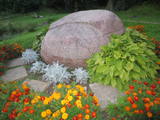 |
Meklējams Piedrujas dienvidaustrumu daļā, Daugavas krastā. Līdz tam var nokļūt, ejot pa Piedrujas taku vai vietējo zemes ceļu. Piemiņas akmeni ir darinājis tēlnieks Vilnis Titāns, iekaļot Daugavas vārdu septiņās – latviešu, līvu, igauņu, poļu, krievu, vācu un somu valodās. No akmens labi redzama pretējā – Baltkrievijas krastā esošā Druja un liela sala, kas sadala upi divās daļās. Apmeklējot Piedruju, nepieciešama terminētā uzturēšanās atļauja pierobežas režīma zonā. |
|
 |
Meklējams Matsalu līča dienvidu krastā pie Kēmu ostas (Keemu sadam). Blakus sešus metrus augstajam metāla – koka tornim uzcelts neliels apmeklētāju centrs. Tāpat kā no Haeskas torņa, arī no šī paveras viena no izcilākajām Matsalu līča un tā piekrastes ainavām. Laba putnu vērošanas vieta migrāciju laikā. |
|
 |
Ciems atrodas pie Irbes (Dižirve, Īra) upes ietekas jūrā, abos tās krastos („jūrspuse” un „zemspuse”). Irbe pirmoreiz minēta 1310. g. robežlīgumā starp Kurzemes bīskapu un Rīgas domkapitulu, bet Lielirbes (Irvemünde) vārds pirmoreiz ierakstīts 1387. g. šķīrējtiesas dokumentā. 19. gs. beigās Lielirbes sīkosta bija aktīvs kokmateriālu tirdzniecības un transporta centrs. 19. gs. beigās un 20. gs. sākumā te uzbūvēts lielākais burinieku skaits Kurzemes rietumkrasta ciemos. 1939. g. ciemā bija ap 300 iedzīvotāju, vairāk kā 70 māju un baptistu baznīca (tagad Ventspils Brīvdabas muzejā). Ciemam cauri kursēja mazbānītis, darbojās pasta un telegrāfa kantoris, divi pārtikas veikali, 1. pakāpes pamatskola, koris un pūtēju orķestris. Lielirbe bija viens no lielākajiem ciemiem, kas izzuda pēc Otrā pasaules kara. Lielirbē dzimusi kultūrvēsturniece Valda Marija Šuvcāne (1923 - 2007), kuras darbu turpina viņas meita Baiba Šuvcāne, rakstot nozīmīgus darbus par Lībiešu krasta dzīvi. Līdz 2019. g. pāri Irbes upei plānots atjaunot trošu tiltu. |
|
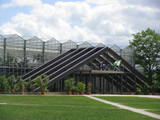 |
Nacionālais botāniskais dārzs Salaspilī ierindojas kā lielākais botāniskais dārzs Latvijā un Baltijā ar 136 hektāru lielu teritoriju. Nacionālā botāniskā dārza augu kolekciju veido apmēram 14 tūkstoši dažādu šķirņu. Vairāk nekā 5000 augu atrodami dendrārijā, tāpat te atrodamas dažādas citas ekspozīcijas, piemēram, augļu dārzs, rozārijs, krāšņumaugi. Botāniskajā dārzā var rast iedvesmu sava dārza sortimenta papildināšanai ar jaunām augu dažādībām, kā arī gūt iespēju botānikas zināšanas apgūt dabā. Iespēja papildināt personīgo fotoarhīvu ar ekskluzīvu fonu fotogrāfijām un tuvplāniem. Botāniskā dārza teritorijā izveidota rotaļu vieta bērniem, ērti celiņi riteņbraucējiem, taciņas nūjotājiem, piknika iespējas. |
|
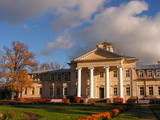 |
Krimuldas muiža pirmoreiz rakstos ir minēta jau 15. gs. Tagad redzamā Krimuldas pils lepni slejas Gaujas senlejas labā pamatkrasta nogāzē iepretim Siguldas Gaisa tramvajam. Gan uz pili (no pretējā krasta un no Gaisa tramvaja), gan no pils paveras lielisks Gaujas senlejas skats. Krimuldas pili būvēja 19. gs. neoklasicisma stilā un tās īpašnieks bija firsts Līvens. 20. gs. 20 gados pēc pils atsavināšanas tā nonāca Latvijas Sarkanā Krusta īpašumā, kas izveidoja bērnu sanatoriju. Mūsdienās muižas pilī atrodas rehabilitācijas slimnīca "Krimulda", bet no saimniecības ēkām ir saglabājušies muižas staļļi, kūts, kalpu, pārvaldnieka un t.s. Šveices māja. Krimuldas muižas apskates nolūkos tiek organizētas izglītojošas ekskursijas, piedāvā naktsmītnes. |
|
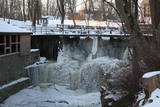 |
Atrodas pie Kuldīgas pils dzirnavām, kur straujā Alekšupīte pirms ietekas Ventā izgrauzusi dziļu „kanjonu” dolomītā. Šo dēvē par vienu no augstākajiem Latvijas ūdenskritumiem (4,15 m). 17. gs. ūdenskritumu ievērojami pārveidoja – paaugstināja un nostiprināja, lai Alekšupītes straumi izmantotu dzirnavu darbināšanai. Upītes kreisais krasts ir labiekārtots. |
|
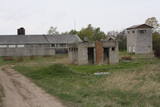 |
Bijusī Pļavmalu sakarnieku daļa šobrīd tiek izmantota kā lauksaimniecības produkcijas noliktava un pieder zemnieku saimniecībai. Tas ir viens no nedaudzajiem bijušās PSRS armijas militārajiem objektiem, kas mūsdienās tiek izmantots saimnieciskiem mērķiem. Zinātājs šo vietu atpazīs arī no ceļa puses.
|
|
 4 dienas
|
Profesionāla lauksaimniecības tūre, kuras laikā tiek iepazītas augļkopības saimniecības, kas selekcionē, audzē un pavairo Latvijas klimatam piemērotas šķirnes. Iepazīšanās diena, kuras laikā Latvijas galvaspilsētas – Rīgas (UNESCO mantojums) apskate un veselīgas pārtikas veikala apmeklējums. Pirmajā dienā dodamies uz Kurzemes pusi, kur apmeklējam saimniecību, kas izstrādājusi īpašu tehnoloģiju, kas smiltsērkšķu pārstrādes procesā spēj saglabāt visas ogās esošās vielas un vitamīnus. Nākamais uzņēmums nodarbojas ar integrēto augļkopību, ražojot augstas kvalitātes augļus un ogas - zemenes, upenes, avenes, plūmes, ābolus, bumbierus. Sabiles Vīna kalna apmeklējums. Tā ir vieta, kur vīnogas audzētas jau 16. – 17. gs. Mūsdienās šeit aug aptuveni 15 dažādu Latvijai pielāgotu vīnogu šķirņu. Nākamais apskates objekts ir Kukšu muiža, kur var iepazīt 18. – 19. gs. Latvijas vēsturisko muižu kultūrvidi. Atgriešanās Rīgā cauri Jūrmalas kūrortam. Vakariņas latviskā krodziņā. Nākamajā rītā dodamies uz Vidzemi un apmeklējam vietu, kur pirmoreiz Latvijā sāka izstrādāt bijušo kūdras purvu un audzēt tajā lielogu dzērvenes. Saimniecība izstrādājusi arī savas pārstrādes tehnoloģijas, ražo sukādes, sīrupus, sulas, tējas. Nākamā ir vieta, kur Latvijā pirmo reizi uzsākta krūmmelleņu audzēšana. Ekskursija un degustācija. Dienas noslēgumā – saimniecība, kur audzē dzērvenes un mellenes. Tā izceļas ar veiksmīgiem un veselīgiem pārtikas produktiem un to mārketingu. Ceturtās dienas rītā – Cēsu viduslaiku pils apskate. Cēsu pils bija Livonijas ordeņa mestru rezidence un viens no stiprākajiem ordeņa cietokšņiem tagadējās Baltijas teritorijā. Priekuļu lauksaimniecības tehnikuma apmeklējums un tikšanās ar mācībspēkiem. Dienas noslēgumā – Ungurmuiža - viens no izcilākajiem Latvijas 18. gs. koka barokālās celtniecības paraugiem. Tās kungu māja (1732. g.) ir vienīgā Latvijā saglabājusies 18. gs. sākuma koka pils. |
|
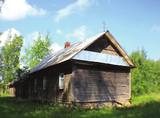 |
Paramonovas vecticībnieku kopienas lūgšanu nams celts
1882. gadā.
|
|
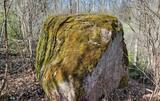 |
Vērēmu pagasta Veremu ciemā, 150 m DA virzienā no Viršukalna mājām. Akmens ir 5,9 m garš, 4,0 m plats, augstums 3,0 m, apkārtmērs 15 m, tilpums 22 kubikmetri. Dižakmeni klāj pelēcīgu sūnu kažociņš, kuram cauri vietām pavīd patriarha sarkanbrūnie sāni. Granīta monolīta skaists rotājums ir 3-4 cm gari laukšpata kristāli, kas saule vizuļo varavīksnes toņos. |
|
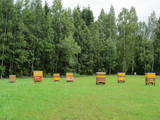 |
Saimniecības apkārtnē plešas iekoptie nektāraugu – sinepju, amoliņa, facēlijas un griķu lauki, kurus izmanto kā bišu dravas un sēklu materiālu. Piedāvā ekskursiju un stāstījumu par bišu dzīvi, kārklu, griķu, viršu un dažādziedu medus degustāciju un iegādi. Medus produkti ieguvuši dažādas godalgas! |
|
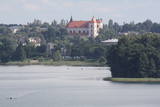 |
Pareizticība Traķu apkārtnē „ienāca” jau Lietuvas dižkunigaiša Ģedimina (Gediminas) valdīšanas laikā (1316. – 1341.). Līdz 18. gs. beigām no astoņām pareizticīgo baznīcām Traķos nebija saglabājusies neviena, tādēļ pareizticīgo draudze 1863. g. uzcēla jaunu baznīcu, kas saglabājusies līdz mūsdienām un apskatāma Vitauta ielā (Vytauto gatve) 32. |
|
 |
Pitas ir pēc inovatīvas žāvēšanas tehnoloģijas radītas augļu, ogu un garšaugu garšvielas, kuras ražo mājražotāja Lorita Miķelsone. Mājražotāja labprāt ļaus nodegustēt un iepazīstinās ar Pitām jebkuru interesentu, uzņemot apmeklētājus Skaisto un praktisko ideju dārzā Dobelē. |
|
 |
Skalu pinumu darbnīca atrodas Jelgavas novada, Sesavas pagastā. Amatniece izgatavo dažāda veida skalu grozus un pinumus no priedes, liepas, apses un melnalkšņa, kā arī dažāda veida un izmēra piknika grozus, grozus sēņošanai vai ogošanai, paliktņus un paplātes, malkas un veļas grozus, sīpolu, ķiploku grozus, bērnu groziņus un dažāda veida groziņus sadzīves lietošanai. Uz pinumiem tiek veidoti arī dažādi uzraksti un zīmējumi. Pieņem pasūtījumus un izgatavo pinumus pēc individuāliem pasūtījumiem. Darbnīcā var redzēt sena aroda - skalu grozu pīšanas procesu. Ir iespēja katram iemācīties uzpīt savu groziņu. |
|
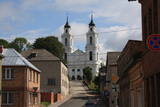 |
Meklējama uz dienvidiem no Ludzas pilskalna, vietā, kur paveras skaists skats un Lielo Ludzas ezeru. Pirmā katoļu baznīca Ludzas Baznīckalnā bija celta 1687. g., taču tā nodega ugunsgrēkā. 1738. g. uzcēla jaunu koka baznīcu baroka stilā, ko krāšņā interjera dēļ dēvēja par Latvijas skaistāko koka dievnamu. Tā nodega 1938. g. lielajā pilsētas ugunsgrēkā. Tagad redzamās celtniecību uzsāka 1939. g., bet pilnībā pabeidza un atjaunoja tikai deviņdesmito gadu sākumā. |
|


