Dabas objekti Igaunijā
Ar ko ievērojama daba Igaunijā?
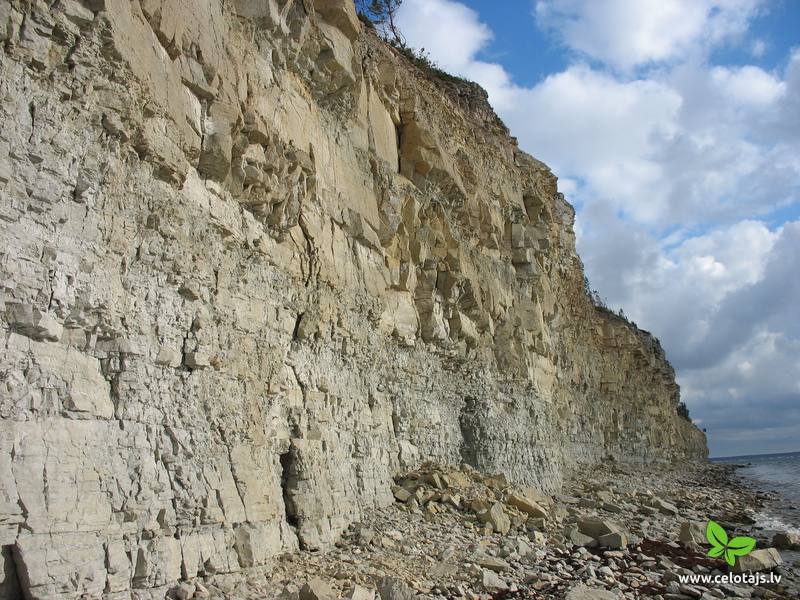
Iespaidīgākā Baltijas klinšu siena – t.s. Ziemeļigaunijas glints, „Līču zeme” – Lahemā ar nacionālo parku, „Salu zeme” – Sāremā sala un Monzunda salu arhipelāgs, Matsalu līcis kā viena no nozīmīgākajām masveida putnu atpūtas vietām migrāciju laikā, viens no izcilākajiem Eiropas meteorīta krāteriem, izcilākie Baltijas dižakmeņi un ūdenskritumi, Munameģis – Baltijas augstākā virsotne, Peipuss – piektais lielākais Eiropas ezers – ar senām zivju ieguves tradīcijām un ārkārtīgi lielā dabas daudzveidība, kas ir acīmredzami mainīga gan austrumu – rietumu, gan ziemeļu – dienvidu virzienā, ir tikai dažas no Igaunijas valsts dabas pievilcībām.
Lai uzzinātu vairāk par apmeklējamām teritorijām aicinām izmantot vides vai vietējo gidu pakalpojumus. Esiet saudzīgi pret dabu ceļojuma laikā - ievērojiet Zaļos padomus!
| Pārskats | Detaļas |
|---|---|
 |
Igaunija
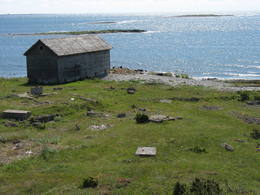
Skats uz Vaikas salām (Vaika saared)No Vilsandi bākas un tai tuvākās apkaimes ir labi saskatāmas leģendārās Vaikas salas. Tām ir piešķirts rezervāta statuss, tādēļ salas var apskatīt tikai no attāluma. Mazākā no saliņām - Kullipank ir tikai pārdesmit metrus diametrā. Tā ir jūras ūdeņu izrobots zemas un asas dolomīta klints fragments, kas klāts ar oļiem, nelieliem laukakmeņiem un kādu atsevišķi stāvošu lakstaugu. Domājams, ka vētru laikā tā pazūd zem jūras ūdens. Savukārt, Alumine Vaigas – Apakšējā Vaikas sala ir lielākā no sešām salām. Šīs salas diametrs ir ~ 150 m un tā paceļas vismaz kādus divus metrus virs jūras līmeņa. Uz salas ir bagātīga veģetācija un pat kāds zems krūms salas centrā. Redzami arī metru augsti atsegumi. Uz salas vēl joprojām atrodas 20. gs. sākumā celto „putnu māju” paliekas, kas bija domātas ligzdojošo putnu piesaistīšanai. |
 |
Igaunija
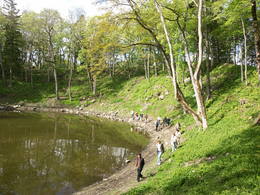
Saaremaa salaLielākā Igaunijas jūras sala. Tulkojumā – „Salu zeme”. Ar Muhu salu to savieno 3 km garš dambis – tilts, pa kuru var braukt velosipēdisti.  160 160
Pakalpojumi
160km - Attālums no valsts galvaspilsētas |
 |
Igaunija
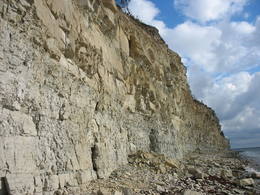
Pangas klintisSāremā salas augstākā (līdz 21 m), iespaidīgākā un ainaviskākā klinšu siena, kas stiepjas ~ 3 km garumā. Stipra R, ZR vēja laikā tās nelielu posmu apskalo jūras viļņi. Atsegumu veido Silūra perioda kaļķakmeņi, merģeļi un dolomīti, tādēļ to piekājē izskalots bagātīgs fosiliju klāsts – koraļļi, galvkāji, stromatopori u.c.
|
 |
Igaunija
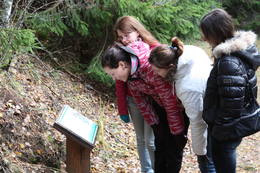
Perajerva meža taka (Pärajärve metsarada)Četrus kilometrus gara marķēta lokveida taka, kas ved pa lielāku meža masīvu, iepazīstina ne tikai ar augiem un dzīvniekiem, bet arī mežsaimniecības tradīcijām. Takas sākums atrodas pie nelielā Perejerves ciema, uz kuru paveras labs skats no tuvējā paugura. Pie autostāvlaukuma izveidota atpūtas un piknika vieta. |
 |
Igaunija
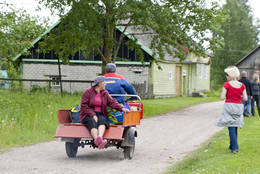
PīrisārePīrissāre ir 7,5 km² liela pastāvīgi apdzīvota Peipusa ezera sala. Pārsvarā šeit uz dzīvi ir apmetušies krievu vecticībnieki, kas vairākus gadsimtus rūpējas par savas savdabīgās kultūras saglabāšanu. Iedzīvotāji galvenokārt nodarbojas ar zvejniecību. Uz lauksaimniecībai piemērotas zemes audzē dārzeņus, visvairāk – sīpolus. Uz Pīrisāri no Lāksāres ostas var nokļūt ar prāmi "Koidula" (tālr.: +372 527 2974, www.veeteed.com). 262
 1-12 1-12
Pakalpojumi
262km - Attālums no valsts galvaspilsētas
1-12 Aktīvie sezonas mēneši |
 |
Igaunija
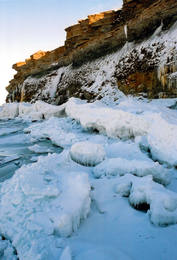
Pakri pussalaPakri pussalas galā slejas vizuāli iespaidīgākā no Baltijas valstu piekrastes klintīm - līdz 24 m augstā Pakri klints (Pakri pank). Aukstās ziemās no kaļķakmens slāņiem izplūstošie avoti veido fantastiskus leduskritumus un neparastas ledus formas.
|
 |
Igaunija
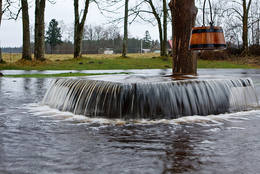
Tuhalas dabas centrs un Raganas aka (Nõiakaev)Tuhalas apkārtne ir apdzīvota vismaz 3000 gadus. Šeit ir atrastas 11 senas apmetnes, 30 kulta akmeņi, 3 akmens senkapi, 4 svētbirzes u.c. Tuhalas lieguma teritorijā atrodas unikālā Nõiakaev (Raganas aka), kas palu laikā “vārās” un izmet 100 litrus ūdens sekundē, kā arī pieci Igaunijas spēcīgākie enerģijas stabi. Pa pastaigu ceļu, kas šķērso Tuhalas karsta procesu teritoriju (2,5 km), var iet kājām, vai braukt ar velosipēdu un automobili. Šis ceļš ir piemērots pastaigām kopā ar ģimeni. 32
1-12
Pakalpojumi
32km - Attālums no valsts galvaspilsētas
1-12 Aktīvie sezonas mēneši |
 |
Igaunija
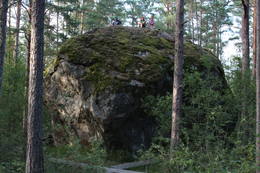
Majakivi akmens (Majakivi)Izmēru ziņā (584 m3, ~7 m augsts, apkārtmērs pie zemes – 32 m) Majakivi ir trešais lielākais Baltijas dižakmens. Tā tulkojums no igauņu valodas - „Mājas akmens” uzskatāmi pamato akmens izmērus. Majakivi ir iegūlis pārpurvotā mežā, kur to slēpj biezā koku lapotne. Akmens apskati ir jāapvieno ar pārgājienu pa Pikanõmme – Majakivi taku (4,5 km gara). Tās sākums ir meklējams Āblas purva (Aabla raba) rietumu malā, kur augstas ar priežu mežu apaugušas kāpas galā ir uzcelts skatu tornis ar lielisku sūnu purva ainavu. Pāri purvam un mitrākās vietās ir izveidotas laipas. Takas otrs „gals” meklējams pie Lēsi – Virves (Leesi – Virve) ceļa malas. 60
Pakalpojumi
60km - Attālums no valsts galvaspilsētas |
 |
Igaunija
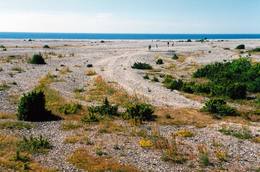
Osmusāre„Nomaļa” sala Somu līcī - 9 km attālumā no Dirhami ostas. Tās „vizītkarte” ir kadiķu lauki, akmeņaini – zāļains jūras krasts, ~ 2 km garš un dažus metrus augsts kaļķakmens atsegums – Osmussaare pank salas Z un A daļā.
|
 |
Igaunija
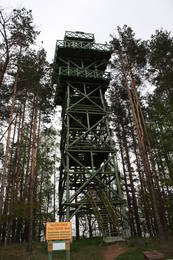
Mēkonnu skatu tornis (Mäekonnu vaatetorn)Viens no diviem nacionālā parka skatu torņiem, kas atrodas ~ 1,5 km ziemeļos no Ehijerva ezera (Ähijärv). Tornis ir veiksmīgi „nomaskēts” nelielā priežu pudurī, tādēļ tas „nebojā” izcilo dabas un kultūrainavu, kas paveras no tā skatu platformas. Pie autostāvlaukuma ir izveidota labiekārtota atpūtas vieta. |
 |
Igaunija
Otepē dabas parksAtrodas Otepē augstienes R daļā. Viens no izciliem piemēriem, kā aizsargājamas dabas teritorijas vērtības un reljefs tiek izmantots rekreācijas, sporta un aktīvās atpūtas vajadzībām, jo parkā ir izveidota šim mērķim atbilstoša un kvalitatīva infrastruktūra.
PakalpojumiPakalpojumi - atpūta
Apvidus slēpošanaSlēpošana 63 km garajā Tartu maratona trasē, kas šķērso parku. 
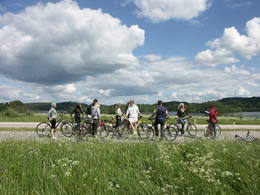
VelomaršrutsVelo maršruts apkārt Pühajärv ezeram no Otepē centra (~ 20 km), Otepää – Kääriku (11 km). 
Dabas takaPārgājiens apkārt Pühajärv ezeram (12 km), Kekkose pārgājienu maršruts (14 km), Murrumetsa pārgājienu taka (3,5 km). 
Dabas vērošanaSkatu torņi Harimägi, Kuutsemägi kalnos, pie Otepē tramplīna un skati no Väike Munamägi un Otepē pilskalna. Informācija: www.otepaaloodus.ee. |
 |
Igaunija
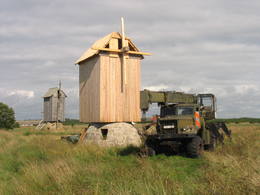
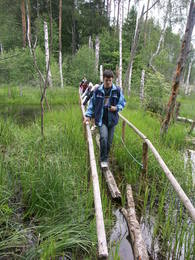
Vilsandi sala (Vilsandi saar)Vilsandi nacionālā parka „sirds” un divpadsmitā lielākā Igaunijas sala (garums - 6 km, platums – 2 km). Tā ir ļoti „jauna” sala, kas sākusi veidoties pirms ~ 2000 gadiem zemes garozas celšanās rezultātā, savienojoties divām salām, kas noticis pirms ~ 350 gadiem. Cilvēki salu sāka apdzīvot 18. gs. un to galvenā nodarbe bija zvejniecība, kuģu būve, nelielā apjomā – lauksaimniecība. Līdz 2. pasaules karam te bija ap 200 iedzīvotāju, kuri vēlāk salu bija spiesti pamest PRSR pierobežas režīma zonas dēļ. Nozīmīgu Vilsandi daļu aizņem mežs un kadiķu lauki. To visā garumā šķērso grantēts - zemes ceļš ar atzariem uz jūras krastu. Salu ar kājām var izstaigāt vairāku stundu laikā, iepazīstot vietējo apbūvi (daļa arī mūsdienās celtas ēkas) un Tolli sētu, kur pēc nostāstiem dzīvojis nīderlandiešu jūras braucējs Johans Dolls, kā arī vējdzirnavas. Noteikti ir jāaiziet līdz salas rietumu krastam, kur atrodas Vilsandi bāka un bākas uzrauga saimniecības ēkas. No šejienes ir labi redzamas Vaikas salas. Šodien uz salas pastāvīgi (visa gada garumā) dzīvo tikai trīs cilvēki. |
 |
Igaunija
Rebases ainavu taka (Rebäse maastikurada)Ap 7 km garš lokveida pārgājienu maršruts (marķēts), kas ved pa dažādiem biotopiem – mežiem, mitrājiem un pļavām, mezdams līkumus pa stāvo pauguru nogāzēm. Takas malās ir izvietoti informācijas stendi un norādes. Rebases ainavu taka ir domāta tiem, kurus nebaida garāka iešana un orientēšanās pa ļoti dabisku un mazapdzīvotu apvidu. |
 |
Igaunija
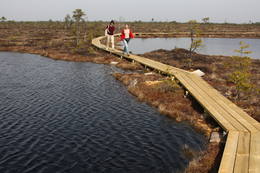
Abruka11. lielākā Igaunijas sala. Tās vidusdaļu aizņem > 100 gadus vecs platlapju (liepu, ozolu, ošu u.c. lapu koku) mežs, bet piekrastē dominē pļavas un nelieli mitrāji. Apdzīvota ir tikai Abrukas Z daļa. Tūristu maz apmeklēta vieta, kur iespējams nodoties mazskartas dabas baudīšanai.
PakalpojumiPakalpojumi - atpūta
Dabas takaPārgājiens cauri salai un gar tās ZA piekrasti (7 km). Informācija: www.abruka.ee.
Dabas vērošana |
 |
Igaunija
Soomā nacionālais parks1993. gadā dibinātais Soomā nacionālais parks aizsargā lielo purvu masīvus, palienes pļavas un mežus. Parka apmeklētāju centrā ir pieejama informācija par pārgājienu takām un vietējiem pakalpojumiem. Pieejamas vairāk kā 10 dabas takas un skatu torņi. Šeit varat iepazīties ar pastāvīgo ekspozīciju un doties tematiskā mācību pārgājienā par bebru dzīvi. Soomā ir plaši pazīstams vērienīgo plūdu (martā un aprīlī) dēļ, ko sauc par piekto gadalaiku. Plūdu laikā pa Soomā mežiem, pļavām un upēm tiek organizēti pārgājieni ar kanoe laivām un vienkocēm (www.soomaa.com). Te var apgūt vienkoču grebšanas prasmi un piedalīties nometnēs. Pakalpojumi
150km - Attālums no valsts galvaspilsētas
1-12 Aktīvie sezonas mēnešiPakalpojumi - atpūta
Makšķerēšana
Apvidus slēpošanaApvidus slēpošana un purva šķērsošana ziemā. Apmeklētāj centrs atrodas Tõramaa. Informācija: www.soomaa.com, www.soomaa.ee 
Izbraukumi ar kuģīti/laivuBraucieni ar kanoe laivām pa applūdušajām teritorijām un nacionālā parka upēm.
Dabas takaWalking tours in the park
Dabas takaGidēts pārgājiens „purva kurpēs”, Riisa purva taka (5 km) ar skatu torni , Ignatsi pārgājienu taka (4,5 km) ar skatu torni , Bebru izziņas taka (3 km), Tõramaa taka (2,5 km) ar skatu torni u.c. takas un maršruti.
Dabas vērošanaBebru safari, dzīvnieku vērošana gida pavadībā. |
 |
Igaunija
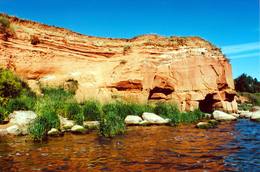
Kallastes smilšakmens atsegumiViena no retajām vietām Baltijā, kur Peipusa ezera (Peipsi järv) krastā pie Kallastes ir izveidojusies 2 – 4 (maksimāli - 9) m augsta un aptuveni 1 km gara Devona perioda smilšakmens atsegumu virkne ar abrāzijas alām, arkām u.c. formām.
PakalpojumiPakalpojumi - atpūta
Dabas takaPārgājiens gar ezera krastu no Kallastes centra līdz atsegumiem un atpakaļ (3 km).
Dabas vērošanaSkati no atseguma uz Peipusa ezeru un piekrasti. Informācija: www.kallaste.ee. |
 |
Igaunija
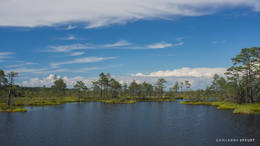
Tolkuse purvsCauri purvam un augstākajam Igaunijas kāpu masīvam izveidota izziņas taka. Skatu tornis ar skatu līdz pat Kihnu salai. 175
Pakalpojumi
175km - Attālums no valsts galvaspilsētas |
 |
Igaunija
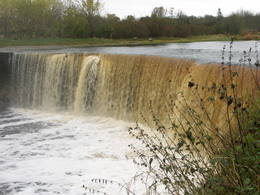
Jegalas ūdenskritumsViens no izcilākajiem Baltijas ūdenskritumiem – ap 8 m augsts un līdz 70 m plats (iespaidīgāks pavasaros un pēc lietavām). Ūdenskritums un tam sekojošais ~ 300 m garais kanjons veidojies Ordovika perioda kaļķakmeņos, kuros zinātājs saskatīs galvkāju u.c. fosīlijas. Mazūdens periodā drosmīgākie mēģina šķērsot upes straumi gan virs ūdenskrituma, gan arī zem tā, kur kaļķakmens pārkares un krītošais ūdens ir izveidojuši savdabīgu „tuneli”.
|
 |
Igaunija
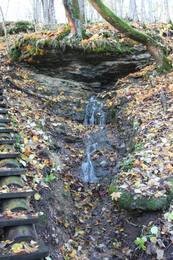
Saleveres Salumegi kalns (Salevere Salumägi)Litorīnas jūras laikā (pirms ~ 6000 gadiem) Saleveres Salumegi kalns bija sala, bet mūsdienās tas kā izteikta kāple (īpaši - ziemeļu pusē) paceļas virs Piejūras līdzenuma. Salumegi ziemeļu pusē slejas 4 - 5 metrus augsts kaļķakmens atsegums – silūra perioda (> 400 mlj. gadu) koraļļu rifa paliekas, kuru noskalojuši Litorīnas jūras viļņi. Atseguma piekājē izplūst Acu avots, kam piedēvē dziednieciskas īpašības. Salumegi apskates nolūkos izveidota lokveida taka (1,5 km). No kalna augšas paveras labs skats uz Matsalu līci. Šeit atradies arī sens pilskalns. 132
Pakalpojumi
132km - Attālums no valsts galvaspilsētas |
 |
Igaunija
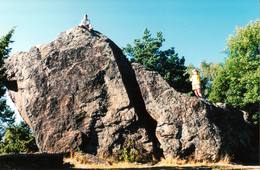
Jāņa - Toma akmens (Jaani - Tooma kivi)Neticami! Tā saka tie, kuri Ziemeļigaunijas dižāko akmeņu apzināšanu ir sākuši ar šo ledāja atnesto gigantu! Jāņa – Toma akmens kopā ar vēl diviem milžiem - Tammispeas akmeni (Tammispea kivi) un Ehalkivi (atrodas netālu no Kundas) pretendē uz Baltijas augstāko dižakmeņu (augstums sasniedz gandrīz 8 m) godu! Kaut arī pēc tilpuma (274 m3) tas ierindojas tikai Igaunijas lielāko akmeņu saraksta 14. vietā, arī pārējie izmēri (garums: 13,9, platums – 7,3 m, apkārtmērs – 35 m) ir gana iespaidīgi. Jāņa – Toma akmens ir meklējams Kasispeas (Kasispea) ciemā, neliela kadiķu lauka malā. 72
Pakalpojumi
72km - Attālums no valsts galvaspilsētas |
 |
Igaunija
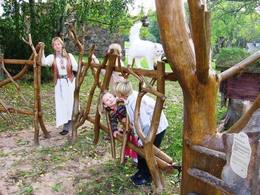
Meža večas ģimenes parks (Metsamoori Perepark)Meža večas ģimenes parks izveidojies starp Kaikas kupolveidīgajiem pauguriem, un sastāv no vairākām viensētām, kas piedāvā uzzināt par dabai tuvu, veselīgu dzīvesveidu un tautas medicīnu. Katrai viensētai ir sagatavota sava programma, kur apmeklētāji var iepazīties ar ārstniecības augiem, ārstēšanu ar dēlēm, bišu un sēņu noslēpumaino pasauli, izjust buramvārdu un meditāciju vietu ietekmi uz sevi. Te māca gatavot ēdienus no nezālēm, cept maizi un taisīt garšaugu maisījumus. Ar viensētām var iepazīties arī individuālie apmeklētāji. 275
5-9
Pakalpojumi
275km - Attālums no valsts galvaspilsētas
5-9 Aktīvie sezonas mēneši |
 |
Igaunija
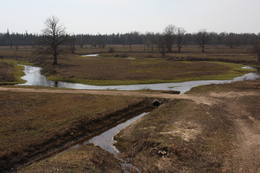
Tēramā taka (Tõramaa matkarada)Divarpus kilometrus gara taka (vienā virzienā) aizved līdz Hallistes palieņu pļavām, kur Hallistes upes labajā krastā ir uzcelts divstāvīgs koka skatu tornis. No tā paveras visaptverošs skats uz atjaunotajām (izcirsti krūmi) Hallistes palieņu pļavām. Pavasara palu laikā no torņa redzamā apkārtne un tornis atrodas ūdenī. |
 |
Igaunija
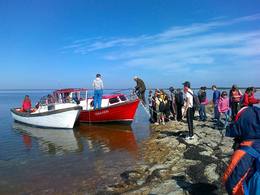
Tautas mantojuma pārgājieni (Pärimusmatkad)Uzņēmums organizē dabas tūrisma pasākumus pa Sāmsalu, lai iepazīstinātu ar dabas mantojumu (roņu vērošana, pārgājieni kājām, ar velosipēdu un slēpēm, gumijas laivās uz Vilsandi un nacionālā parka saliņām, orhidejas u.c.) un kultūras mantojumu (muiža, ciema un pilsētas dzīve, Igaunijas rokdarbi mūsdienās, jūras mantojums). Miku meža parkā, kas ir iekļauts Vilsandi nacionālā parka teritorijā, var iepazīties ar aizgājušo laiku mežstrādnieku darbiem un pārbaudīt savas prasmes. Loonas muižā, kas ir Vilsandi nacionālā parka centrs, atrodas viesu nams un kafejnīca -restorāns. 200
1-12
Pakalpojumi
200km - Attālums no valsts galvaspilsētas
1-12 Aktīvie sezonas mēneši |
 |
Igaunija
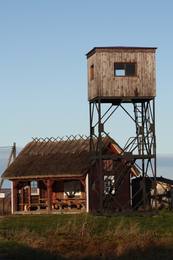
Kēmu skatu tornis (Keemu vaatetorn)Meklējams Matsalu līča dienvidu krastā pie Kēmu ostas (Keemu sadam). Blakus sešus metrus augstajam metāla – koka tornim uzcelts neliels apmeklētāju centrs. Tāpat kā no Haeskas torņa, arī no šī paveras viena no izcilākajām Matsalu līča un tā piekrastes ainavām. Laba putnu vērošanas vieta migrāciju laikā. 129
Pakalpojumi
129km - Attālums no valsts galvaspilsētas |
 |
Igaunija
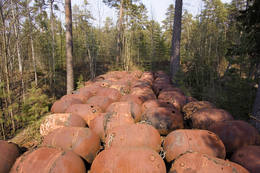
NaissāreNaissāre ir viena no Igaunijas mazajām salām, kas periodā no II Pasaules kara beigām līdz 1993. gadam atradās Padomju armijas pārziņā. Savulaik - slepens padomju militārais objekts. Interešu objekti uz salas ir pastaigu takas, sugām bagātā daba, šaursliežu dzelzceļš, cara laika lielgabalu baterijas un jau minētās armijas jūras mīnu rūpnīca. No Tallinas uz Naissāri kursē kuģītis “Monica”. 12
1-12
Pakalpojumi
12km - Attālums no valsts galvaspilsētas
1-12 Aktīvie sezonas mēneši |
|
|
Igaunija
Otepää pilskalnsĻoti izteikta un cilvēka apdarināta reljefa forma ar plašu skatu uz apkaimi. Tā virsotnē atrodas 1224. g. bīskapa Hermaņa celtās pils drupas. Izrakumos atrasts pasaulē vecākais šaujamierocis. 225
Pakalpojumi
225km - Attālums no valsts galvaspilsētas |
 |
Igaunija
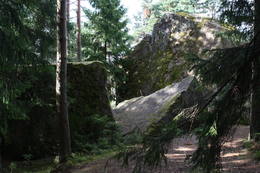
Tammispeas akmens (Tammispea kivi)Tikpat iespaidīgs, taču ne tik populārs tūrisma objekts kā netālu esošais Jāņa – Toma akmens. Tammispeas akmens iegūlis mežā, tāda paša nosaukuma nelielā ciemā, kas atrodas Eru līča (Eru laht) dienvidu krastā. Tilpuma ziņā (262 m3) – 16. lielākais Igaunijas dižakmens. Tā garums ir 10,7 m, platums – 6,5 m, augstums – 7,5 m, bet apkārtmērs – 27,8 m. Iespaidīgas ir arī šī akmens atlūzas. Ar šī akmens attēlu noteikti ir jāpapildina sava lielāko Baltijas dižakmeņu fotokolekcija. 70
Pakalpojumi
70km - Attālums no valsts galvaspilsētas |
 |
Igaunija
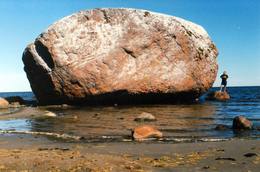
Letipeas Ehalkivi akmensLielākais Baltijas (pēc dažiem avotiem – arī Ziemeļeiropas daļas, ko skāris pēdējais apledojums) dižakmens. Tā tilpums ir 930 m3! Akmens augstums ir 7,5 m, garums – 16,5 m, platums – 14 m, bet apkārtmērs – 48,5 m. Ehalkivi, kas iztālēm atgādina milzu oli, „stāv” uz smilšaini - akmeņaina sēkļa, kas atkarībā no laika apstākļiem vai gadalaika var atrasties ūdenī. Ledājs to „atnesis” no Somijas D piekrastes. Pēc sastāva - pegmatīts.
|
 |
Igaunija
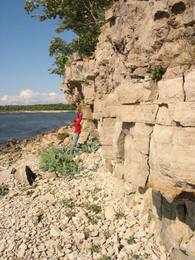
Eldas klints (Elda pank) un pussalaNacionālā parka dienvidrietumdaļā jūrā iestiepjas Eldas pussala – skaists un ļoti omaļš ar kadiķu mežu (alvāriem) noaudzis zemes pleķītis ar interesantu jūras krastu, kur atsedzas silūra perioda nogulumieži. No pussalas gala, kurā slejas vecs Padomju armijas robežsargu tornis (apmeklējumam bīstams!), paveras visaptverošs skats uz Vilsandi salu (atpazīstama pēc bākas), Lonalaidas salu (Loonalaid) – otru lielāko Vilsandi arhipelāgā, Salavu (Salava) un citām mazākām saliņām. Dabas mīļotāji var uzmeklēt Eldas klinti (Elda pank) – ~ 2 m augstu un 0,4 km garu atsegumu, kura piekājē var atrast interesantas ūdens izskalotas fosilijas. 261
Pakalpojumi
261km - Attālums no valsts galvaspilsētas |
 |
Igaunija
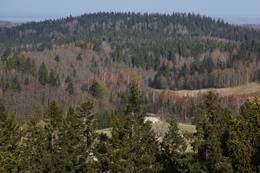
Hānjas dabas parksVeidots Hānjas (Haanja) augstienes ainavas un kultūrvides aizsardzībai. Tās centrālajā daļā atrodas Baltijas augstākais reljefa punkts – Lielais Munameģis (Suur Munamägi) – 318 m.vjl. un otrs augstākais – Vellamegi (Vällamägi) kalns – 304 m.vjl. Parka R daļā meklējama Reuges senleja (Rõuge ürgorg) - 7,5 km gara un līdz 60 m dziļa ledāja veidota ieleja, kurā iegūluši 7 ezeri, t.sk. Igaunijas dziļākais (38 m) – Reuges Lielezers (Rõuge Suurjärv).
PakalpojumiPakalpojumi - atpūta
VelomaršrutsRõuge – Nursi – Tindi – Rõuge (15 km) velomaršruts.
Dabas takaBaltijā visaugstāk izveidotā – Vällamäe dabas taka (2,2 km), Hinni kanjona laipu taka un Reuges senlejas pārgājienu maršruts (10 km), Kavadi ezera (Kavadi järv) pārgājienu taka (4,5 km).
Dabas vērošanaSkatu torņi Lielajā Munameģī un Reuges Lielezera A krastā. Informācija: www.haanjapark.ee. |