Dabas objekti Igaunijā
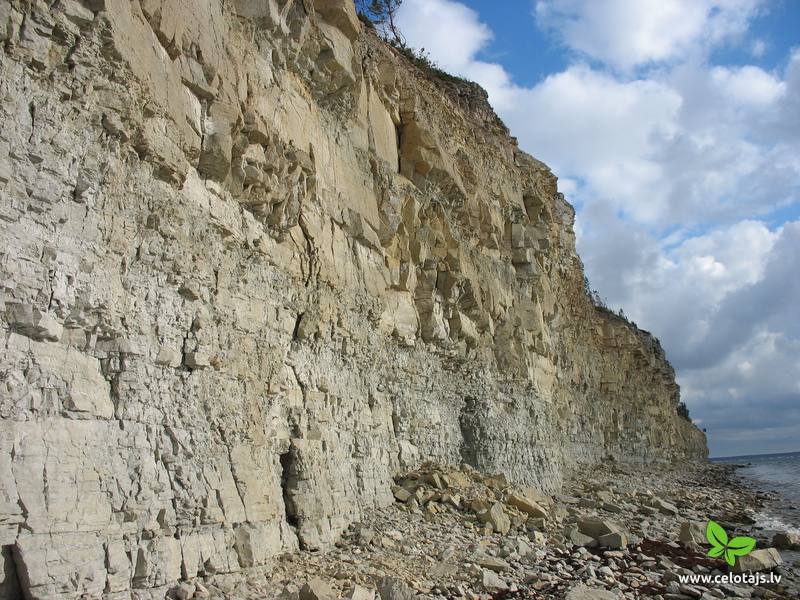
Ar ko ievērojama daba Igaunijā?
Iespaidīgākā Baltijas klinšu siena – t.s. Ziemeļigaunijas glints, „Līču zeme” – Lahemā ar nacionālo parku, „Salu zeme” – Sāremā sala un Monzunda salu arhipelāgs, Matsalu līcis kā viena no nozīmīgākajām masveida putnu atpūtas vietām migrāciju laikā, viens no izcilākajiem Eiropas meteorīta krāteriem, izcilākie Baltijas dižakmeņi un ūdenskritumi, Munameģis – Baltijas augstākā virsotne, Peipuss – piektais lielākais Eiropas ezers – ar senām zivju ieguves tradīcijām un ārkārtīgi lielā dabas daudzveidība, kas ir acīmredzami mainīga gan austrumu – rietumu, gan ziemeļu – dienvidu virzienā, ir tikai dažas no Igaunijas valsts dabas pievilcībām.
Lai uzzinātu vairāk par apmeklējamām teritorijām aicinām izmantot vides vai vietējo gidu pakalpojumus. Esiet saudzīgi pret dabu ceļojuma laikā - ievērojiet Zaļos padomus!
| Pārskats | Detaļas |
|---|---|
 |
Igaunija
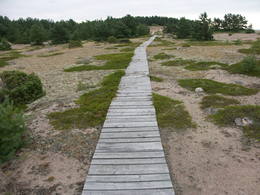
Mohni sala (Mohni saar)Igaunijas jūras ūdeņos ir saskaitīta 1521 sala! Salu sarakstā pēc platības (63 ha) ~ 2,5 km garā Mohni sala ieņem 38. vietu. Lai saudzētu salas trauslo veģetāciju (vietām nedaudz atgādina krūmainu tundru), tās vidusdaļā ir izveidotas koka laipas. Salas dienviddaļā atrodas sašaurinājums, kuru tāpat kā blakus esošo jūras krastu klāj viens no savdabīgākajiem Igaunijas akmeņu laukiem. Salas ziemeļos esošās Mohni bākas (Mohni tuletorn) celtniecība pabeigta 1871. g. un tās gaisma ir redzama 10 jūras jūdžu attālumā. Šī ir viena no skaistākajām Ziemeļigaunijas bākām! Līdz Mohni salai var nokļūt ar laivu (iepriekšēja pieteikšanās) no ~ 5 km attālās Vīnistu ostas (Viinistu sadam). Ar jūras laivu vai kajaku piemērotos apstākļos būs ~ 1h ilgs brauciens. Jārēķinās, ka uz salas nav pastāvīgo iedzīvotāju! Vīnistu ciemā apskatāms 2002. g. izveidotais Vīnistu mākslas muzejs (Viinistu kunstimuuseum). Apmeklētājus iespaidos ne tikai tā āriene, bet arī tapšanas vēsture.  76 76
Pakalpojumi
76km - Attālums no valsts galvaspilsētas |
 |
Igaunija
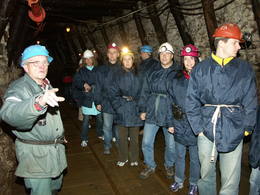
Degslāneklis jeb degakmensDegslānekli – Igaunijas enerģētikas un ķīmiskās rūpniecības galveno izejvielu mūsdienās iegūst atklātos karjeros vai pazemes šahtās. Šis nogulumiezis sācis veidoties Ordovika periodā (pirms ~ 450 - 480 mlj. g.) no tā laika augu un dzīvnieku atliekām. Kohtla – Nõmme piepilsētā vienā no izstrādātajām šahtām gida pavadībā var aplūkot gan šo nogulumiezi (Baltijas valstīs atradnes tikai Igaunijā), gan arī iepazīt tā ieguves veidus un vēsturi.
PakalpojumiPakalpojumi - atpūta
Dabas vērošanaSavukārt, Kivieli (Kiviõli) ciemā var uzkāpt Vecajā degakmens izdedžu kalnā (Vana tuhamägi), no kura paveras viena no savdabīgākajām Igaunijas ainavām. Informācija: www.kivioli.ee |
 |
Igaunija
Haeskas putnu vērošanas tornis (Haeska linnutorn)Pamatīgs trīsstāvu koka tornis, no kura atklājas viens no labākajiem Matsalu līča un tā apkaimes palieņu pļavu skatiem, kuras apsaimnieko mājlopi, veidodami piemērotu vidi dažādām putnu un augu sugām. Laba migrējošo zosveidīgo putnu vērošanas vieta. Tā kā tornis ietilpst Tūlingu (Tuulingu) saimniecības teritorijā – spēkrats ir jāatstāj netālu esošajā autostāvlaukumā, bet suņi jāved piesieti kakla siksnā. |
 |
Igaunija
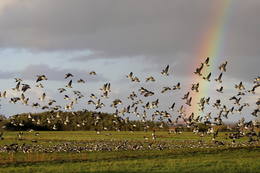
Matsalu nacionālais parksViena no iecienītākajām Igaunijas putnu vērošanas vietām, kur pavasara un rudens migrāciju laikā ir novērojama liela sugu daudzveidība un zosveidīgo putnu bari, kas atpūšas un barojas Matsalu līča un Kazari (Kasari) upes palieņu pļavās un seklajos piekrastes ūdeņos.
Pakalpojumi
1-12 Aktīvie sezonas mēnešiPakalpojumi - atpūta
Izbraukumi ar kuģīti/laivuOrganizēti braucieni pa Matsalu līci un Kazari upi 
Dabas takaKiideva – Puise pārgājienu taka (5 km), Penijõe taka (3 km), Salevere izziņas taka (1,5 km)
Dabas vērošanaPutnu vērošana- visā parkā, īpaši – piekrastē, palieņu pļavās, tīrumos; Putnu vērošanas torņi vai platformas meklējamas: Puise, Kiideva, Haeska, Rannajõe, Kasari jõgi, Penijõe, Suitsu, Keemu. Apmeklētāju centrs atrodas Matsalu ciemā. Informācija: www.matsalu.ee |
 |
Igaunija
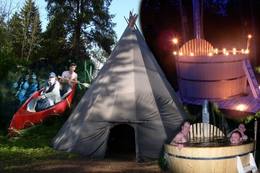
Lahemā tūrisma centrsLahemā tūrisma centrs ir izveidots ar nolūku mudināt piekopt dabai draudzīgu dzīves stilu un uzturēšanos dabā – te tiek stādīti koki, būvēti un uzstādīti putnu būri. Interesentiem piedāvājam laivošanu ar kanoe laivām Lahemā nacionālajā parkā, pārgājienus pa purvu, piedzīvojumus loka un arbaleta šaušanas trasē. Kamīna zālē un pirtī ar kublu var mājīgi pavadīt brīvo laiku. 70
1-12
Pakalpojumi
70km - Attālums no valsts galvaspilsētas
1-12 Aktīvie sezonas mēneši |
 |
Igaunija
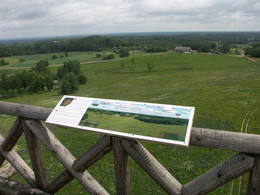
Torņa kalns (Tornimägi)Karulas augstienes augstākais reljefa punkts (137 m.vjl.), kas virs tuvākās apkārtnes paceļas par ~ 60 m. Torņa kalnā ir uzbūvēts skatu tornis ar ļoti plašu apkārtskatu. Uz tā platformas ir novietoti panorāmas fotoattēli, kuros atzīmēti zīmīgākie plašākā apkaimē redzamie objekti – apdzīvotas vietas, pilskalni, baznīcu torņi u.c. Turpat izveidota atpūtas vieta un meklējams Rebases ainavu takas sākums. 260
Pakalpojumi
260km - Attālums no valsts galvaspilsētas |
|
|
Igaunija
Otepää slēpošanas centrsLielākais Baltijas valstīs. Tartu maratona trase, mākslīgo klinšu siena un velomaratorna trase. Slēpju muzejs. Tehvandi tramplīnā – skatu platforma. 225
Pakalpojumi
225km - Attālums no valsts galvaspilsētas |
 |
Igaunija
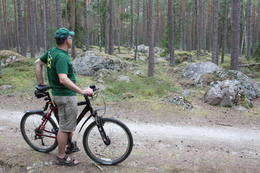
Kesmu pussala (Käsmu poolsaar)Ar skujkoku mežiem klāta pussala – piemērota vieta kājāmiešanai un braucieniem ar divriteni. Te izveidots velomaršruts, kas no Kesmu ciema (Käsmu küla) aizved līdz Kesmu ezeram (Käsmu järv) un tālāk gar pussalas rietumu uz ziemeļu piekrasti aizlokas atpakaļ līdz minētajam ciemam. Tas gan nav domāts iesācējiem, jo vietām ceļi ir smilšaini, bet krasta ceļš var būt aizgāzts ar kritušiem kokiem. Kesmu pussalas ziemeļu daļā atrodas izcilais Kesmu akmeņu lauks (Käsmu kivikülv). Lielākais no akmeņiem ir Matsikivi akmens (tilpums -132,9 m3). Ziemeļos no Kesmu ciema jūras krastā uzmeklējams iespaidīgu akmeņu „bariņš” Iespaidīgākais no tiem ir Vecā Jura akmens (Vana Jüri kivi), kura augstums ir 5,5 m, bet tilpums - 102,9 m3. Piemērotos laika apstākļos (g.k. vasarās) pa akmeņainu strēli var aiziet vai aizbrist līdz ~ puskilometru attālajai Sārtnēmes (Saartneem) saliņai. Atpakaļceļā uz ciemu var atstāt savu akmeni „Laimes akmeņu kaudzē”. Kesmu ziemeļdaļas apskatei izveidots 4,5 km garš kājnieku tūrisma maršruts. Kesmu kapteiņu ciemā (Käsmu kapteniküla) 1804. g. nodibināja pirmo Igaunijas jūrskolu un laikā no 1798. – 1920. g. uzbūvēja > 40 kuģus. Atrodamas ziņas, ka no nedaudz vairāk par 100 no šeit kādreiz dzīvojošajām ģimenēm ir nākuši 62 kapteiņi. Bijušā jūrskolas ēkā izveidots Jūrniecības muzejs. Netālu apskatāma Kesmu kapela. 81
Pakalpojumi
81km - Attālums no valsts galvaspilsētas |
 |
Igaunija
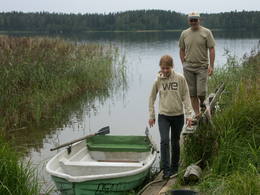
Ehijervs (Ähijärv)Karulas nacionālā parka lielākais ezers - 2,8 km garš, līdz 1 km plats. Ezera ziemeļaustrumu krastā atrodas parka apmeklētāju centrs. 5,5 m dziļais ezers ir gan zivīm, gan nostāstiem bagāta vieta. Ezera un tuvākās apkārtnes iepazīšanas nolūkā ir izveidota 3,5 km garā Ehijerva taka (Ähijärve teerada). Tās sākums atrodas pie iepriekš minētā apmeklētāju centra, kur izveidota atpūtas vieta un atraktīvs bērnu spēļu laukums. Taka sākumā ved gar ezera krastu, nelieliem mitrājiem un meža ceļiem, kas izmantoti iepriekšējos gadsimtos. |
|
|
Igaunija
Tahkuna ragsTālākais Hiiumaa salas ziemeļu punkts. Igaunijas augstākā čuguna bāka (1873. – 1875. g.) un piemineklis kuģa „Estonia” bojā gājušo piemiņai. 175
Pakalpojumi
175km - Attālums no valsts galvaspilsētas |
 |
Igaunija
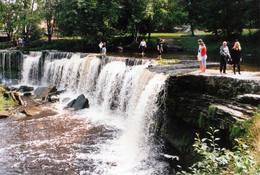
Keilas ūdenskritumsViens no Igaunijas ainaviskākajiem ūdenskritumiem – līdz 6 m augsts un līdz 50 m plats. Straujā Keilas upe aiz ūdenskrituma izveidojusi klinšainu kanjonu un tecējumu ar lielu kritumu, tādēļ pa Keilas parku vērts aiziet līdz ~ 1 km attālajam Somu līča krastam un atgriezties gar upes otru krastu.
|
 |
Igaunija
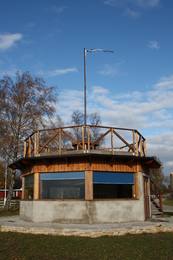
Kīdevas (Kiideva) putnu vērošanas platformasPirmā ir uzcelta uz vienstāvīgā apmeklētāju centra jumta. No tās paveras plašs skats uz Kīdevas ciemu, ostu un niedrēm apaugušo Matsalu līča ziemeļdaļu. Austrumos no šīs atrodas vēl viena - divstāvīga putnu vērošanas platforma. No Kīdevas līdz Puisei gar Matsalu līča var doties pārgājienā pa 5 km garo dabas taku. To izejot, novēroto putnu sugu klāsts noteikti būs lielāks! |
 |
Igaunija
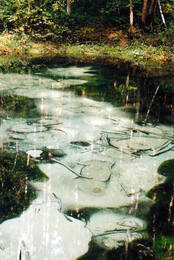
Saulas Zilie avotiPiritas upes kreisajā krastā izveidojušies trīs avotu ezeriņi ar daudzām izverdošām avotu „acīm” – katrs savā krāsā (zilganzaļā, baltā un tumšā), veidojot dažādas krāsu kombinācijas. Nereti saukti par Igaunijas skaistākajiem avotiem. Kopējais no tiem izplūstošā ūdens daudzums ir 20 – 30 l/s. Saglabājušies nostāsti par avotu dziednieciskajām (īpaši – acīm) īpašībām. Apkārtne labiekārtota.
|
 |
Igaunija
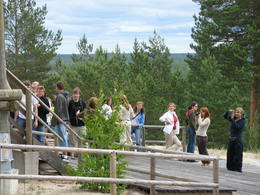
LuitemāTulkojumā no Igauņu valodas Luitemaa nozīmē „Kāpu zeme”. Piekrastes teritorija 13 km garumā starp Vöiste un Häädemeeste ar seklūdeņiem, plašām piejūras pļavām, Igaunijas augstāko kāpu masīvu un Tolkuses purvu (Tolkuse raba). Nozīmīga putnu vieta.
|
 |
Igaunija
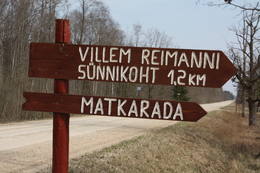
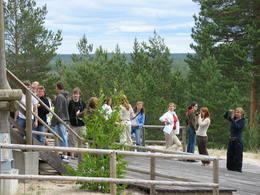
Paunas taka (Pauna rada)Kultūrvēsturiska taka (garums ~ 2 km) Tipu (Tipu) ciemā, kas iepazīstina ar vairākiem interesantiem objektiem: veco skolu (1931. g.), Hallistes upi, pirti un Paunas saimniecību, kurā dzimis viens no Igaunijas nacionālās kustības līderiem Villems Reimans (1861. – 1917.). |
 |
Igaunija
LuitemaaTulkojumā no Igauņu valodas Luitemaa nozīmē „Kāpu zeme”. Tā ir Pērnavas līča piekrastes teritorija 13 km garumā starp Vöiste un Häädemeeste ar seklūdeņiem, plašām piejūras pļavām, Igaunijas augstāko kāpu masīvu un Tolkuses purvu (Tolkuse raba). Kāpu un purva apskates nolūkā ir izveidota Tolkuses purva izziņas taka (~ 2,2 km) un skatu tornis. Atrodas Luitemā dabas liegumā. |
 |
Igaunija
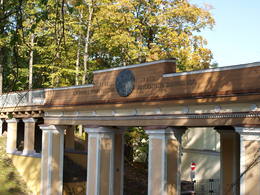
Tartu Doma kalnsNo 19. gs. – publisks parks ar takām, celiņiem, tiltiem (Eņģeļu tilts, Velna tilts) un pieminekļiem, kas veltīti Tartu universitātes zinātniekiem. Te meklējama Doma baznīca, anatomikums, observatorija u.c. interesanti objekti. 185
Pakalpojumi
185km - Attālums no valsts galvaspilsētas |