
| No | Name | Description |
|---|---|---|
 |
The owners have restored a fourth-generation bread oven to continue the tradition of baking bread. The family bakes bread in the autumn and winter months, from September to April. In the events organised by the Ventspils Seaside Museum they offer to taste traditional Latvian dishes that are in line with the rhythm of the seasons. |
|
 |
Zemnieku saimniecība „Virši” audzē kaņepju sēklas, no kurām tiek iegūta kaņepju eļļa un kaņepju staks (apceptas, maltas kaņepes). ZS "Virši" produkciju ir iespējams degustēt dažādās vietās ārpus saimniecības, kā, piemēram, Kalnciema tirdziņā u.c. |
|
 |
Go horseback or wagon riding all year long, find contacts with goats, sheep, chickens, turkeys, geese, and ducks, and taste smoked goat cheese. The owner also produces Christmas and other decorations. |
|
 |
Mācību drava "Kāre" piedāvā iepazīties ar bišu valstības noslēpumiem. Interesanta iepazīšanās ar brīnumiem un noslēpumiem bišu saimes dzīvē. Apmeklētājiem ir iespēja ietērpties speciālos aizsargtērpos un bitenieka vadībā iepazīties ar dzīvas bišu saimes smaržu. Veselībai un dzīvespriekam iespējams iegādāties - medu, bišu maizi, bet romantiskai noskaņai - smaržīgas bišu vaska svecītes. |
|
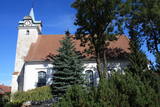 |
The church was built between 1640 and 1642 as a mark of respect for the king of Poland. It was commissioned by Duke Jacob Kettler and has a confessional bench with allegoric paintings (1691), as well as three altars decorated with Rococo carvings. There is a 16th century sculpture of the Madonna and her child. Contact the church for a tour. |
|
|
|
Eine Asstellung der Steine unter freiem Himmel, eingerichtet vom litauischen Ärzt Intas Vaclovas (1925 – 2007). Ein Museum der einzigartigen Steine. |
|
 |
Talsu vecpilsētā, pašā vēsturiskā centra vidū, atrodas īpaša vieta, kur saplūst lauku miers un pilsētas dzīvīgums. Te vari izbaudīt gan klusumu un nesteidzīgu atmosfēru, gan arī sajust tuvumā esošo ielu dzīves ritmu. Šī māja ir kā radīta romantiskam nedēļas nogales atpūtam divatā — vakarā iekurt kamīnu, iemirdzināt telpu sveču gaismā un baudīt siltu vīna glāzi klusā divvientulībā. Tajā pašā laikā tā lieliski piemērota arī ģimenēm vai draugu kompānijām, kas vēlas pavadīt laiku kopā ērtā un plašā vidē. Villā pieejamas piecas guļamistabas, divas vannas istabas, kvalitatīva gultas veļa un dvieļi, satelīttelevīzija plakanajā ekrānā, ērta ēdamzona, pilnībā aprīkota virtuve, kā arī terase ar skatu uz dārzu. Papildus ērtībām viesiem ir atpūtas zona un kamīns, kas lieliski papildina vietas mājīgumu. |
|
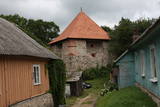 |
Pussalas pils pirmsākumi ir meklējami 14. gs. Tajā laikā minētā pils bija viena no lielākajām šāda tipa aizsardzības pilīm. Pēc Traķu un Viļņas ieņemšanas 1382. g. pils kļuva par Ķēstutu (Kęstutis) - Lietuvas dižkunigaišu dzimtas dzīves un valdīšanas vietu. 1655. g. Polijas – Lietuvas lielvalsts un Krievijas kara laikā pili nopostīja. Līdz mūsdienām no iespaidīgās celtnes (aizņēma 4 ha platību) saglabājušās tikai no laukakmeņiem celtā aizsargmūra un torņu paliekas. Tās iekšpagalmā ir apskatāma efektīvā viduslaiku ieroča – katapultas atdarinājums. |
|
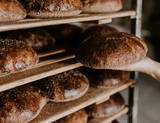 |
SIA N. Bomja bakery “Lielezers” is a sole proprietor enterprise of Normunds Bomis, founded in 1991 and located 3 km from Limbaži. The story of this bakery started more than 25 years ago, when craftsman Alberts Blumbergs’ knowledge and experience was put into practice and very delicious rye bread was made. In the bakery, traditional salinātā rye bread is made by hand, maturing scalded flour in aspen tubs for 24 hours and fermenting with sourdough. Salinātā rye bread is registered in the EU food quality scheme as a product with traditional speciality guaranteed. Bread baking is led by the experienced master bakers Lāsma Bome and Valters Kanopa. Offer tours in the bakery and tasting. |
|
 |
Home restaurant on Kihnu Island, where owners make rich meals, using the island's local ingredients, mainly fish. |
|
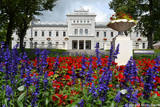 |
The Plunge Estate is famous because its park, which is a mixed-type park that was established during the 18th and 19th century at a holy forest that used to be a sacrificial place. The pride and joy of the park is the Thunder oak tree, a legendary weeping linden tree and an elm tree with five trunks. The lord of the state ordered the digging of seven ponds with cascades. These are linked by rock bridge sluices. The Babrungo River, which flows alongside the estate offers an outstanding landscape for the park. |
|
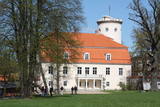 |
The history of Cēsis begins at the Riekstu hill, which is 18 m high and the surrounding area. There was a wooden castle built by the Vendian tribe that stood there from the 11th to the 13th century. The hill is in the central part of the castle’s park, and it offers a fine view of the park, a pond and the ruins of the Cēsis Castle. A long staircase leads to the hill. The Cēsis Castle was built in the early 13th century as the residence of masters of the Livonian Order, and it was one of the most fortified forts in the Baltic region. Alongside is the New Cēsis Castle, which was built in 1777 in a place where gate fortifications had been before. The building houses the Cēsis Museum of History and Art, and an annex contains the Castle Visitor Centre and the Cēsis Tourism Information Centre. From the tower of the castle, we get a good view of the castle ruins, St John’s Lutheran Church and the northern stretches of the city. Opposite the new castle is the stable of the Cēsis Castle Estate and a wheelhouse (both from the first half of the 19th century). Today these house the Cēsis Exhibition Hall. Other buildings include a granary, a hut for coachmen and an old brewery. On the other side of the street is the romantic May park, which was installed during the 1830s. Streets in Cēsis include Lielā Katrīna, Mazā Katrīna, Mazā Kalēju, Kalēju and Lielā Līvu streets and Līvu square with wooden buildings from the late 18th and early 19th century. Torņa Street stretches along the walls of the Medieval castle. Outside the church is a sculpture, “As the Centuries Pass By,” and legend has it that anyone who rubs the lantern of the Old Time Man can see the future. One of the most impressive buildings in Cēsis is St John’s Lutheran Church, which was built in the late 13th century by the Livonian Order. The Roman-style three-segment basilica has elements of Gothic design and a 65 m steeple that was installed in 1853. The building was reconstructed several times during the 20th century and contains grave plaques relates to masters of the Livonian Order and local bishops. The pulpit dates back to 1748, the oak altar was manufactured in 1858, and the altar painting “Crucified One” was painted in 1862. The windows of the altar part of the church contain artistically valuable stained glass. The organ was manufactured in 1907 by the E.F. Walker firm, and it is one of the best concert organs in Latvia. The solar clock with the number 1744 is in the south-wester corner of the church. It is worth scaling the viewing tower of the church. At its foot is Rose Square, which was a market square from the mid-13th century until 1927 and was restored in 2008. This is the central square in the city. During the Middle Ages, a punishment pole and the city well were here. Rīgas Street has been the main street in the old part of the city from the very start, and here we find most of the architecturally distinguished buildings from the 18th and 19th century – the former city hall, the Fābers house and the Princess house. At one end of the street is Liv Square, where there a church, cemetery and the Rīga gate in the city’s walls existed in the 13th century. Today the square is decorated by a lighted fountain at a place where a well was found in the 13th century. On the other end of the street we find a reconstruction of the foundations of the Rauna gate from the 14th and 15th century, offering a good look at Medieval walls and the size and strength of the gates. It is commonly claimed that the national flag of Latvia was born in Cēsis, but it must be emphasised that the flag that is mentioned in chronicles was designed in Cēsis in 1279 as the ideological prototype of the current Latvian flag, while the story of the first national flag actually comes from Valmiera, where it was sewn in 1916. |
|
 |
Eine der größten befestigten Siedlungen im Bezirk Harju, befindert sich auf einer Erhebung des natürlichen Kliffs Nordestlands. |
|
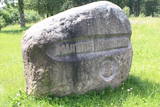 |
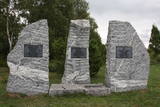
The office of photographer Mārtiņš Buclers was recently found at the Sauka Unity House where the Sauka trade school was located. In 2010, the exhibition was moved to the Sauka Parish Council in Lone. Mārtiņš Buclers (1866-1944) was a founding father of photography in Latvia. He established the first company in the country which produced photo film and paper. The exhibits are of particular interest now that we are in the digital photo era. The Sauka Unity House is closed and can only be viewed from the outside, but alongside it is a memorial stone dedicated to Buclers, as well as a monument commemorating the 150th anniversary of photography. |
|
 |
Located on the shores of Lake Usma, it provides diverse water- and land-based recreational opportunities, a free picnic area and outdoor fireplace, as well as catering services. |
|
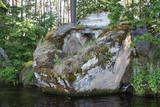 |
These are the ruins of World War II fortifications near what is now the Ķegums hydroelectric power plant. One blockhouse was found on the left bank of the Daugava River, approximately one kilometre to the South-Southeast from the plant’s dam. A second is also on the left bank of the river, opposite the Rēzijas campground. It has slid down the abraded shore of the reservoir and is partly underwater. It is mostly accessible by boat.
|
|
 2 days
|
Маршрут, для прохождения которого не требуется специальная подготовка, если его проходить летом. Абава – это река с самой впечатляющей древней долиной в Курземе. Она есть и остается «классикой» Курземе. На Абаве несколько выраженных стремнин, обычно в местах, где в ее русле и по берегам появляются небольшие обнажения доломитовых пород. На участке между Веги и Рендой падение реки уменьшается и она становится более спокойной. Информация о маршруте от Latvijas Lauku forums |
|
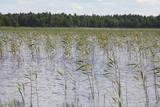 |
There is picnic area and information stand at the end of the forest path leading from Muiznieki to Klanu Bog. Klanu Lake was formed in the place of Littorina marine lagoon. Nature restricted area was established to protect biotopes in the area of Klanu, Dziru and Stavu Lakes. There is wide information about the area available on the information stand.
|
|
 |
The LIELKALNI farm planted two hectares of uncommon berries four years ago – golden currants, viburnum, large-fruit hazel trees, sea buckthorn, the black elder, five-flavour berries, the Chinese gooseberry, edible honey-suckle, etc. The farm has been biologically certified since 2008. In 2009 it received certification from the Latvian Food and Veterinary Service for the production of health-boosting syrups, jellies, jams and teas. Tourists can taste the teas, seasonal berries, syrups, jellies and other treats, all of which are also available for sale.
|
|
 4 days
|
The route leads through beautiful flower gardens of Kurzeme and Žemaitija. The largest in Latvia collection of Dwarf Bearded Iris is found in Kandava. Mierkalni is the largest daylily garden in Eastern Europe, with more than 1000 varieties. The owner also produces fruit and berry wines. In the Talsi Hillocks Nature Park there is the Kurzemnieki apple growing and processing apples (dried apples, apple chips, juices). It also grows Roman snails. The Upmaļi environmental and health farm produces teas, herbs, plant oils, special balms, cosmetics, plant-based soaps, etc., under the brand name AnnA Bermans. Latvia’s oldest magnolia, 50 years old, is found at Sauleskalni arboretum. Over 100 varieties of peonia are grown in Ziedoņi peony garden. The owners of Maras Manor offer stories of historical German manors in the area. Milk Estate Berghof houses a milk museum. Exotics flower and tree cultivars are found in Māra Lindes dendrological gardens. Turaidas farm produces herbal teas and sacks thereof as souvenirs or gifts, using lemon balm, raspberry, tansy, alchemilla, Plantago major and linden. In Nīca village, 7 decorative gardens maintaining the local gardening tradition are open for visitors. Rucava arboretum displays a collection of magnolias. The largest Japanese garden in Europe (16 ha) is a home to collection of traditional aromatic plants and vegetables. Palanga Manor housing the Amber Museum and Birutė Park is one of the best-preserved manor complexes in Lithuania. Kretinga Manor Park is one of the oldest surviving 16th–18th century manor parks in Lithuania. Klaipėda University Botanical Garden has a coastal ethnographic garden with flower arrangements characteristic of this area. Klaipeda, the most popular seaside resort town in Lithuania. The Sea Museum and Dolphinarium are among the most famous attractions there. Šilutė Manor has two parks – an English landscape park with walking paths and the forest park known as Varnamiškis, or “Crows’ Forest”. Pakalnė is a unique traditional fisherman’s homestead with garden plants typical of the Lithuania Minor region. |
|


