
| No | Name | Description |
|---|---|---|
 1 day
|
From Kaberneeme the route runs through a forest where you can see piles of stones carried here during the last ice-age. The trail soon climbs about 20 m up to the hiking trail, which runs on the old shore line of Lake Ancylus. The trail continues to the Linnamäe HES and a suspension bridge. Follow the trail over the ancient fortress hill of Linnamäe and continue on the right bank of the River Jägala, until reaching the Jägala waterfall. This is the highest natural waterfall in Estonia, more than 8 m high. The Suka bridge is about 500 metres up from the waterfall. After crossing the river, the trail passes through the Jägala waterfall park. Finally, the trail runs through the village of Koogi and arrives at Jõelähtme. |
|
 |
A former pharmacy recalls the fact that Ķemeri at
one time was a spa of allSoviet importance. Symbols
devoted to the subject of pharmacies are still on the wall.
|
|
 |
This is Latvia’s oldest nature reserve and, indeed, the country’s oldest protected natural territory. Moricsala is an island in Lake Usma, which is the fifth largest lake in Latvia. The reserve was established in 1912 at the initiative of a group of nature students from Rīga. They wished to protect the deciduous forest of oak trees on the island, along with the local flora and fauna. The nature reserve also includes the Lielalksnīte island. Visits to the reserve, however, are strictly prohibited. |
|
 |
This park covers the Nemuna River valley between the villages of Seredžius and Geldaudišķis, with lovely views of castle hills, medieval castles, aristocratic estates, etc., along the shores.
|
|
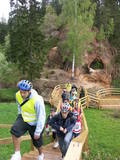 |
In the centre of Līgatne, on the right bank on the rapid Līgatne River, there is a viewing plan which offers a close-up look at one of the most impressive sandstone cliffs which rise above it – the Lustūzis cliff. There are artificial caves in the wall of the cliff, which locals use as cellars and as places to store their property.
|
|
 |
Located in one of the most untouched corners of northern Latgale. Already from the spring they offer worker bee and later both, young and producing bee, propolis and wax mixture candles, pollen bread and propolis in butter. The workshop produces bee hives and other apiary equipment. |
|
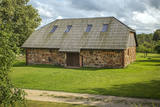 |
One of the 15 semi-estates of the former Dundaga Castle, Vecmuiža, has a private collection of historical materials. |
|
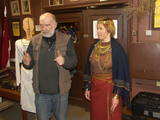 |
The blacksmith’s shop is found at the medieval Cēsis Castle. You can examine, order and purchase reproductions of ancient jewellery, watch the craftsman at work, hear a very attractive story about the history of jewellery-making, and try your own hand at the craft. |
|
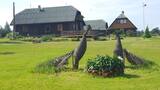 |
Accommodation in a country house for up to 40 people (with extra beds). Sauna and bathhouse services, party room, outdoor recreation - swimming in ponds, fishing, sports and recreation grounds. The hosts offer to taste dried fish or fish soup, also from your own catch. There are 17 fish ponds for fishing. In "Paradises" it is also possible to organize celebrations in the open air, as well as to spend the night in tents. |
|
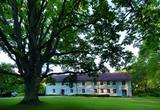 |
The first mention of Pēterupe Rectory goes back to the late 17th century. The Manor Park and the buildings have partially survived to the present day, including a linden alley at the end of Smilšu Street, planted by the pastor Jānis Neilands in 1879 and the grand oak planted by Johann Wilhelm Knierim in 1869. After the fire of 1908, the Rectory was restored and partially rebuilt. In Soviet times, the property was removed from the parish and the house was named “Līgotnes”. During German times the Rectory was occupied by legionnaires. After the war, the building of the Rectory was turned into a hospital, then into a secondary school and later it was transformed into a block of flats for teachers. Now the building again belongs to the parish and it is inhabited by a priest of the parish and his family. |
|
 |
The Lithuanian Pomiculture and Gardening Institute became a national scholarly institute in 1992. It engages in scholarly studies, as well as experimental manufacturing. The institute produces Lithuanian fruits and vegetables that are used to manufacture high-quality, natural and healthy products. |
|
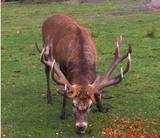 |
he wetland meadows that are around the Pededze River are the site of this 200 ha farm with some 350 red deer, other deer and wild boar. There are towers from which you can watch the graceful animals, and there are ponds for commercial fishing. Please contact the owner well in advance for a tour. |
|
 |
Tas atrodas pie „Burtnieku” mājām Īlē, kur viņš dzīvojis no 1837. – 1845. gadam. Tēvs Juris Barons apglabāts Īles kapsētā. Savu vārdu nemirstīgu Krišjānis Barons darījis, vācot, sistematizējot un sastādot Latvju Dainu krājumu. Tautasdziesmas jeb dainas ir mazi, ritmiski dzejolīši, parasti četrrindes. Pie Latvju dainu vākšanas Barons pavadījis sava mūža lielāko daļu – apmēram 25 gadus gandrīz dienu pie dienas. |
|
 6 days
|
The Baltic Sea littoral on the West coast of Kurzeme is called the Great Wave Sea. The seacoast is mainly sandy. While the Great Wave Sea section is the least populated coastal area in Latvia, at the same time, the third biggest city in Latvia, Liepāja, is also located there. Steep bluffs rise before your eyes on the seacoast between Pāvilosta and Sārnate. The villages are quiet and sparsely populated. At the beginning of the route, you can see the Soviet military heritage in Liepāja Karosta Prison, taste smoked local fish in Pāvilosta and then enjoy one of the most beautiful views of the entire route to the seacoast from Užava lighthouse. The route closes in the port city of Ventspils, where there are various entertainment and sightseeing places, especially for families with children. |
|
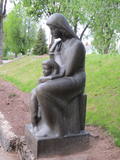 |
Located at the Rūjiena High School, this Kārlis Zemdega sculpture was installed in 1936 in honour of a local teacher, Jūlija Skuiņa, who drowned in 1936 at the age of 24. There are various legends about her death, one of which talks about a tragic love story involving the Rev Roberts Slokenbergs. |
|
 |
Atpūtas vietā ir apskatāmas 370 no koka veidotas skulptūras. Ir izveidoti 5 labirinti- 630 m garš pikants labirints ar “pipariņu” tikai pieaugušajiem, tulpju meditatīvais labirints, “Šausmu labirints”mežā, bērniem- 25 m garš labirints ar maldīšanos upenēs “Tracis”, zaru labirints “Dižputna ligzda”. 60 dažādas lielformāta brīvdabas spēles un atrakcijas. Dabas taka “Putnu iela”, kurā apskatāmi Latvijas dobumperētāju putnu būrīši. |
|
 |
The viewing tower is on the western part of the Blue Hills of Ogre, not far from the Dubkalni quarry. Paths lead to the tower, as does a wooden staircase. The viewing platform offers a very broad view of the Ķegums hydroelectric power plant reservoir and the towers of
|
|
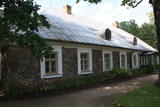 |
Atrodas Tērvetes ziemeļrietumu daļā, Tērvetes upītes krasta līkumā. „Sprīdīšos” sava mūža pēdējo desmitgadi (no 1922. līdz 1933. g.) strādāja un atpūtās latviešu rakstniece Anna Brigadere (1861. - 1933). Šajā laikā top lugas, stāsti, dzejoļi un rakstnieces atmiņu triloģija. No laukakmeņiem celtā „Sprīdīšu” ēka uzbūvēta 1840 g. Te sākotnēji darbojušās ūdensdzirnavas, tad skola, dzīvojuši mežziņi. Tagad šeit aplūkojams rakstnieces memoriālais muzejs. No „Sprīdīšiem” var uzsākt garāku pastaigu pa Tērvetes dabas parku, kur izvietoti no koka darinātie A. Brigaderes pasaku varoņi. |
|
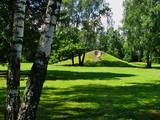 |
The monument dedicated to the Staburags cliff was installed in 2003. Designed by the sculptress Solveiga Vasiļeva, the monument is known as “The Ear of God,” and it is installed in the place where the reservoir of the Pļaviņas hydroelectric power plant flooded one of Latvia’s most interesting geological monuments. Staburags relates to many legends and stories told by rafters. It stood 18.5 m high and was a sandstone cliff on the left bank of the Daugava River, dating back to the last Ice Age. The Liepavots stream that trickled out of the cliff is now also underwater. Staburags and the flooded Daugava quarry were once among the most popular tourist destinations in Latvia. |
|
 |
Baltijā lielākās HES celtniecību uzsāka 1961. g., bet pabeidza 1966. g. Tajā uzstādīto 10 hidroagregātu projektētā jauda bija 825 MW. Pļaviņu HES tiek uzskatīta par unikālu, jo pirmoreiz HES būvniecības praksē tā konstrukcija tika balstīta uz mālsmilts un smilšmālu gruntīm ar maksimālo spiedienaugstumu - 40 m! Pļaviņu HES ēka ir apvienota ar ūdens pārgāzi, zem kuras atrodas Latvijas garākais tunelis - Enerģētiķu iela. 20. gs. deviņdesmitajos gados Pļaviņu HES rekonstruēja un tagad tās jauda ir sasniegusi 870 MW. Apmeklētāji var iepazīt mašīnzāli, skatu laukumus un HES maketu. |
|


