
| No | Name | Description |
|---|---|---|
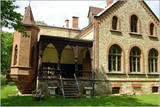 |
Zvārtavas pils aicina ceļotājus un dabas draugus, kultūras un mākslas cienītājus iepazīties ar Zvārtavas pili un citiem muižas kultūrvēsturiskiem objektiem, izbaudīt parku un ezeru, izzināt novada vēsturi un apskatīt mākslas darbus, kuri radīti šeit plenēros un rezidencēs, gan LMS muzeja kolekcijas ekspozīcijas un aktuālās izstādes. Skaistā Zvārtavas pils celta 1881.gadā un ir viena no spilgtākajiem neogotikas stila arhitektūras pieminekļiem Latvijā, kas ir valsts nozīmes kultūras piemineklis. Pašlaik pils pieder Latvijas Mākslinieku savienībai, un tieši šis fakts ir pamats pils unikalitātei. Pilī ir saglabājušies neogotikas interjeri, koka kolonas vestibilā, oriģinālās parketa grīdas, mēbeles un stikla kupols ar vitrāžām, caur kurām gaisma dažādos toņos, veido zīmējumus uz sienām un grīdas. |
|
 |
One of the largest meat and dairy farms in Kurzeme, with a herd of around 500 heads of cattle. The farm also breeds most of the types of fowl that are known in Latvia. An informative tour is available, and you can purchase meat, milk and eggs. |
|
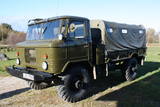 |
Edgars Kārklevalks, operator of a guesthouse Pūpoli, has a restored Soviet military GAZ-66 truck in which he offers historical and informational tours of Northern Kurzeme. The route includes former military territories.
|
|
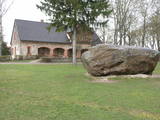 |
The museum is in the Lielvārde Park. It is in the granary of the Lielvārde Estate that was built in the early 19th century. It was later used as a residential building. A veranda was added to it in 1922. The museum has been there since 1970, and it features exhibits about the Latvian national epos “Lāčplēsis” and its author, Andrejs Pumpurs (1841-1902). The museum also features information about the history and ethnography of the Lielvārde Administrative District. Alongside it is a large rock that weighs around 80 tonnes and is known as Lāčplēsis’ Bed. A broken part of the rock is known as the Lāčplēsis blanket. Both rocks were once on the banks of the Daugava River next to the Lielvārde island. Waters from the Ķegums hydroelectric power plant now make waves in that area. Nearby is the so-called Spīdala log that was brought from Aizkraukle.
|
|
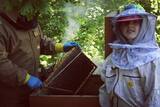 |
The owner produces honey and related products such as pollen and propolis, honey wine, and an alcoholic beverage called “Bee’s Kiss.” You can take a tour of the beekeeping operations and purchase the products. |
|
 |
The craftsman typically produces objects that are of use on an everyday basis. They have laconic forms and reticent decorations. You can take a tour of the workshop and kiln, watch demonstrations, and work with the clay yourself. You can purchase finished products, look at the beekeeping operation, and taste and purchase honey. |
|
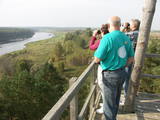 |
The old wooden tower at this site was torn down and replaced with the one that is there now. The restored tower offers one of the loveliest views in Eastern Latvia – one of the eight curves of the Daugava. This is the Rozališki curve. Here you will get a whole new sense of the Daugava River and its mighty valley in a place where the waters of a hydroelectric plant bubble away in our present day and age. It is claimed that the scene that is seen on the 10 lats note is based on the view which can be seen to the West from the tower. |
|
 |
Saimniecība "Dižgāļi" Alsungā nodarbojas ar bioloģisko lauksaimniecību, gaļas liellopu audzēšanu un aitu audzēšanu. Apmeklētājiem ir iespēja aplūkot saimniecību, tajā esošos dzīvniekus, kā arī iegādāties svaigo produkciju. Saimniece pastāstīs par vietas vēsturi, kā arī pacienās viesus ar vistas zupu. |
|
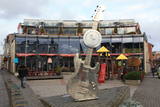 |
The word zivis means fish, and the name of the street is derived from a fish market that once existed at the end of the street near Kurši Square. There are old log warehouses in the yard of Zivju Street 4/6 and the yard of Peldu Street 2. One of the most popular destinations for tourists is the Latvian alley of fame for musicians (since 2006), with bronze replications of the palms of hands of 35 Latvian musicians. There are ten plaques dedicated to popular bands in Latvia, with five others focusing on musicians who have passed away. The largest guitar in Latvia is right nearby. |
|
 3 days
|
This three-day route will allow you to visit one of the most unusual landscapes in the Baltic States - the Curlandian dunes. You will also visit interesting territories here in Latvia - the Pape Nature Park and the Liepāja Naval Port. The port is worth visiting while it still retains some of its Soviet-era "charm". New and unprecedented impressions will also be assured by two unique manmade objects - the "Town of Rock" and the "Town of the Absurd", which are both unique not only at the Baltic level, but in a far more extensive sense. |
|
 4 days
|
This is a professional livestock farming tour to visit farms that breed cows, sheep, goats and pigs. During the introductory day, participants will tour the Latvian capital city of Rīga, which is on the UNESCO List of World Heritage, and meet with representatives of the Latvian Agriculture Ministry and agricultural NGOs. The next morning it’s off to Kurzeme to visit a farm that breeds meat cattle. The second farm on the list specialises in the breeding of purebred and mixed breed cattle for siring, fattening and meat production. It sells piglets and offers pork, grains, potatoes and beekeeping products. In the evening we will visit Kuldīga to see Europe’s widest waterfall on the Venta River. The next morning we will travel to Vidzeme, where the first farm specialises in livestock breeding and intensive farming, while the second specialises in dairy farming and the production of grains and grasses. We will visit the ruins of the Koknese castle, which stands along the banks of the legendary Daugava River. In the evening, we will visit one of the largest goat farms in Latvia, with some 160 purebred goats (Alpine, Anglo, German White Noble), as well as hogs for breeding. Several types of cheese will be available for tasting. The next morning, we will visit one of Latvia’s largest sheep farms. The biological farm has about 250 head of sheep. The second farm grows grain and grasses and engages in dairy farming and livestock breeding. We will visit the Medieval castle in Cēsis, which was the residents of the masters of the Livonian Order and one of the most fortified fortresses in the territory of the Baltic States. At the conclusion of the day, we will go to Ungurmuiža Estate, which is one of the most outstanding examples of 18th century Baroque wood construction in Latvia. |
|
 1 day
|
Tūrisma gide Ineta Jansone piedāvā ekskursijas grupām uz Melnalkšņu dumbrāja laipu. Melnalkšņu dumbrāja laipa ir viena no īsākajām un interesantākajām takām Ķemeru nacionālajā parkā (600 m). Melnalkšņu dumbrājā Vēršupītes krastos novērojami dabiskam mežam raksturīgi elementi – jauni, kā arī veci un dobumaini koki, kritalas, sausoņi, ciņi. Daudzveidīga ir meža putnu fauna. Jebkurā gadalaikā melnalkšņu dumbrājs ir īpašs. Taču visā krāšņumā dumbrājs atklājas tieši pavasarī. Vēršupītes pālu laikā ūdeņi pārklāj lielāko dumbrāja daļu, bet visapkārt zied zeltainās purenes, gaiss vibrē no putnu dziesmām un dzeņu bungošanas. |
|
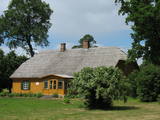 |
The Lejenieki homestead is 1.1 km north of Bangas. Vilis Plūdons (1874-1940) was an outstanding Latvian poet, a representative of the style of National Romanticism, and a schoolteacher. His real name was Vilis Lejnieks, and he was born in at the Lejenieki homestead in the Bauska region. His father was Jānis Lejnieks. As a boy, Vilis was enchanted by fairy tales told by his granny and by folk songs that she sang. Plūdons is buried nearby in the family cemetery. Lejenieki offers an exhibition about the poet’s life and work. The local sauna features sculptures of rabbits, thus recalling Plūdons’ poem, “Rabbit Sauna.” |
|
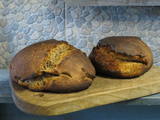 |
Sweet and sour rye bread is baked here on the hearth of a wood-fired oven, following an old family recipe and using home-grown, historical varieties of rye flour. The dough consists of rye or barley flour, salt, sugar, caraway seas and natural yeast. You can help to bake the bread, taste and buy it, and tour the farm’s museum. The farm grows its own grain in an environmentally friendly way. Available for purchase: sweet and sour rye bread, sweet and sour rye bread with peas, garlic, seeds, hemp, or without sugar. |
|
 |
Saimniecībā "Jauncaunes", Ogres novadā, grupām, kā arī individuāliem apmeklētājiem tiek piedāvāta atpūta brīvā dabā, iepazīstot un izmēģinot metamos ieročus, šaušanu ar dažāda veida lokiem, arbaletiem un pneimatiku. |
|
 |
Saimniecībā tiek piedāvāti dažādi biškopības produkti: medus, bišu maize, propoliss, vaska sveces. Iespēja sarunāt izzinošu ekskursiju - ceļojums bišu pasaulē ar gulēšanu uz bitēm. Tiek piedāvāta arī loku šaušana un zāļu tējas. |
|
 |
Auch Königstor (Kuningavärav) genannt. Im Barockstil gebaut ist ein Teil der früheren mittelalterlichen Stadtbefestigung. Der Beginn des alten Postweges. |
|
 |
The Skala silence home is on the banks of the ancient Nevežio river valley. You will be served happy dishes from everything that is grown at the farm. |
|
 12 days
|
The tour combines the most beautiful southern parts of the Forest Trail in Lithuania and Latvia. The route starts in Druskininkai, Lithuania, and for the next day you will walk through forests of the Dzūkija National Park. After getting to Vilnius and Kurtuvėnai Regional Park, two sections of the Forest Trail will take you from Dengtiltis to Šaukėnai. Since it is among the most forested areas of Central Lithuania, the Kurtuvėnai Regional Park with its glaciated valleys is a wonderland of forests, waters and wetlands. The Forest Trail will run along small forest paths, tourist trails, beautiful tree alleys and wetlands. Next you will take public transportation to reach the Žemaitija National Park, where you will taketwo sections of the Forest Trail from the pilgrimage town of Žemaičių Kalvarija along the lakes of Plateliai, Ilgis and Beržoras to the town of Plateliai. It is one of the most beautiful towns of Samogitia taking pride in its manor park and the viewing platform on Lake Plateliai. Žemaitija National Park takes pride in its old pine and fir forests, as well as mixed forests. From there on the Forest Trail takes you along the riverside promenade in Kuldīga, continues through the nature park “Abavas senleja” from Renda to the wine and cider town Sabile and Kandava. The section along the Abava River Valley Nature Park is the most diverse river valley in Kurzeme in terms of landscapes and terrain. The final section of the tour takes you to the Ķemeri National Park, which is an important place for the protection of wetlands. As to the town – Ķemeri – it is the former balneological and sulphur springs resort. The tour ends on the seaside – the village of Bigauņciems, from where you can easily get to Rīga. Optionally, one can take a detour along the Lake Sloka trail with its bird-watching tower or pay a visit to the “Forest House” – the visitor’s centre of the Ķemeri National Park. |
|
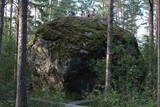 |
Der dritgrößte Feldstein im Baltikum (584 m3, 7 m hoch, Durchmesser bei dem Grund – 32 m ). Auf estnisch bedeutet „Hausstein”. Befindet sich am Rande des Pikanõmme – Majakivi Pfades (4,5 km lang). |
|


