
| No | Name | Description |
|---|---|---|
 |
Iespēja iepazīties ar mājas vīna gatavošanas procesu, un kopā ar Krimuldas muižas vīndari izzināt mājas vīna gatavošanas noslēpumus un degustēt vīnu, kas pagatavots no dažādām ogām. Vīna īstā garša vislabāk atklājas, klausoties stāstus par muižas dzīvi! |
|
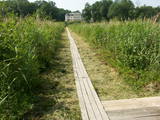 |
The best place to look at the restricted area of the Vīķi swamp and the Lielauce lake which is in the middle of that swamp is the Lielauce castle, where a wooden pathway stars. The pathway will lead visitors across the swampy shores of Lake Lielauce and deliver them at a boating area on the open part of the lake. The swamp itself is to the South-east of the lake. The restricted area is there to protect biotopes and species in the area. |
|
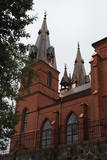 |
In 1685, a military leader from Krakow, Belinsky, paid for the construction of a wooden church in the current location. It was restored in 1749 and lasted until 1887, when it burned down during a storm. A church with two steeples was designed in the Gothic style, and construction of it began one year later. The church was consecrated in 1904 and is one of the most impressive churches in Latvia. Attention should be paid to stained glass windows that feature images of St Meinhard and Albert. Alongside the church is the centre of the Rēzekne-Aglona diocese, which is the seat of the local bishop. |
|
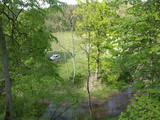 |
The viewing area is near the top of the Vilce castle hill, with a view of the Rukūze River valley, Zaķi meadow, and surrounding forests. This is an unusual landscape for the region of Zemgale. The Vilce baronial estate is nearby.
|
|
 7 days
|
First the route goes to the birch juice and wine maker where you can taste this traditional and refreshing drink, then a goats farm where to taste various diary products and see the animals. Further on head to Sigulda with the Olympic Bobsled Track and three medieval castles located on the banks of the river Gauja - Sigulda, Turaida and Krimulda. There is also a good network of picturesque walking trails. Then explore historic village of Ligatne established around the Paper Mill and visit local craftmen located in one of the caves typical for the area. Cesis is charming town with mighty medieval castle ruins and New Castle. Visit hemp grower and try the hemp prepared traditional way. Enjoy Koni Mill where wool is processed with old fashioned machines and warm blankets are hand-made. Visit crafts studio at Staicele and try to spot the stork colony with more that 30 nests along the road. At Mazsalaca where there is a nature park with trails featuring beautiful steep sandbanks of the river Salaca. The river is also famous for its lampreys and further on the route you could see the weirs for traditional lamprey catching. At Saulkrasti walk the Dune trail and enjoy the beach. Further on visit cranberry swamps where you can taste healthy berry in some form depending of the season. Visit elegant Birini Manor with huge park and great restaurant and return to Riga. |
|
 3 days
|
На маршруте сможете узнать особую культурную среду Латгалии, людей, которые ее создают, порадоваться красивым ландшафтам, пройтись по природным тропам и искупаться в каком-нибудь из прославленнных озер Латгалии. В Ливаны узнаете о работе стеклодува, в Даугавпилсе побываете в крепосте 19-го века, где теперь расположен центр всемирно известного художника Марка Ротко. Дорога будет виться по живописным излучинам Даугавы. Информация о маршруте от Latvijas Lauku forums |
|
 |
In the house that was renovated due to the initiative of the Craftsmen society of Beverina, it is possible to buy the products of both the district craftsmen and those from further territories, to visit creative workshops and events in order to learn the techniques of differnt handicrafts. The house is both a teaching centre and a marketplace, as well as the centre to popularise the cultural, folk and Latvian lifestyle of the Beverina district. |
|
 |
The Livonian Order built a castle made of bricks and fieldstones in this location in 1253. The building measured 72 x 40 metres and had a three-story residential area and a gate tower at its centre. An entrance for soldiers was installed at the height of the second floor of the fortified wall during the 14th century, with barriers and four bastions installed during the 16th and 17th century. Legend has it that the daughter of a knight was bricked into the wall and that there was once a secret underground passage to the Lutheran church that is 200 metres away. The park includes the “Ancient Seashore” promenade, featuring plaques with quotes from Zenta Mauriņa and Jānis Rainis. |
|
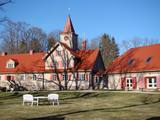 |
Atrodamas ziņas, ka Rankas muižas pils celta 18. gs. vidū un 19. gs. vidū (nozīmīgi - 1836.-1866.g.) pārbūvēta, kad uzceltas pārējās saimniecības ēkas. 20. gs. šeit atradās dažādas ar izglītību saistītas iestādes: 30. gados - Rankas mājturības skola, pēc 2. pasaules kara - Rankas lauksaimniecības skola. Muižas pils cieta 80. – 90. gadu mijā divu ugunsgrēku laikā. Daļēji saglabājušās kalpu mājas, kūtis, klētis, dārznieka māja, “brūzis” u.c. ēkas. Kopš 2013. gada ieguldīts milzīgs darbs, lai Rankas muižas kompleksu atjaunotu un izveidotu par sakārtotu, tīru vidi. Teritorijā notiek atjaunošanas darbi muižas ēkām. 2003. gadā par Rankas muiža kompleksa īpašniekiem kļuva Ābolu ģimene un, pateicoties viņiem, Rankas muižas komplekss pamazām atdzimst. Ekskursija pa Rankas muižu iekļauj visu telpu apskati: recepciju, antīko automašīnu un priekšmetu izstādi, mākslas galeriju, bibliotēku un Romas katoļu kapelu, kā arī muižas 8,4 hektārus plašo parku ar trīs dīķiem. |
|
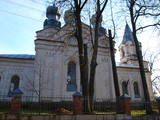 |
The church is on the highest part of the banks of the Marku river, and it is behind the Piedruja border control point. A paved street leads to the church, and it is thought that it was built in the early 20th century by local farmers, who were required to bring stones for the street when they attended worship services. The church has six cupolas and is seen as one of the most beautiful ones in the Krāslava Administrative District. The building was erected between 1883 and 1885 to replace an old 17th century wooden church. It corresponds to the architectural form of the Old Russian town of Vladimir and the Byzantine style. It is said that at one time the church had as many as 1,000 members. |
|
 |
The craftsmen's association unites 65 craftsmen from Rūjiena and its surroundings. Offers baking, jam cooking, cheese tying, jewelry making, leather goods, crochet and culinary master classes. Also offers "Made in Rūjiena" tastings (bread, smoked products, culinary products, jams, fresh juices, pumpkin products, seasonal berries and fruits, other dishes in each season) and shopping. |
|
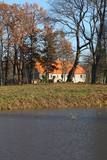 |
The residential building was erected in the early 18th and renovated in the middle of the 19th century. Restoration of the manse and its ancillary buildings is continuing even today. Since September 2009, the Latvian Evangelical Lutheran Church has housed its Recollection Centre at the manse. The ruins of an old stable can be seen. |
|
 7 days
|
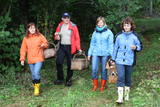
Mushrooming is one of the most popular autumn activities in Latvia. The tour is lead by a professional mycologist and combines the mysterious world of funghi with local historic heritage and mushroom preparation traditions. Mushrooming starts at one the most popular mushroom pickers' sites in the suburbs of Riga. Then it's on to try various locations in the mushrooming paradise of the Gauja National Park, walk nature trail along the Amata river and have a picnic at picturesque outcrop Zvārtes Rock. Further on, the route reaches charming Ungurmuiža Manor park with its ancient oak trees and some specific fungal species. Next the tour visits a shiitake mushroom grower and mysterious Zilaiskalns hill featuring a highland landscape as well as the flatlands of Lake Burtnieks. Zīle Forest is a rare European biotope with ancient oak forest and park type meadows while the natural coniferous forest at Mežole is one of the richest interms of biological diversity. Here you can find mushrooms which are indicators of natural forest. You also visit oyster mushroom growers along the route. Then it's Āraiši reconstructed Bronze Age settlement built on a lake where there are good examples of how mushrooms can damage and destroy man made objects. At one of the guest houses the chef will demonstrate how to cook your collected mushrooms the local way. |
|
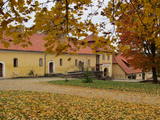 |
The estate in Milzkalne that is along the banks of the Slocene River dates back to the 15th century, when it was built as a closed complex for the Livonian Order. It is the only fortified estate of its type to have survived to the present day, and it was once used as a hiding place for aristocrats during an attack. The gate towers with their ornate weather vanes were built in the late 17th century, and the ancillary buildings date back to the 18th and 19th century. A brick wall with firing apertures survives. The Latvian Road Museum is in one of the wings of the complex, while the former mansion offers accommodations, tours and tastings of local goodies. |
|
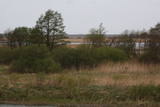 |
At the centre of this restricted area is the eutrophic Lake Tosmare, a former lagoon from the Littorina Sea. The lake and its surroundings offer protection to many plants and birds. At the southern end of the lake one can spot remnants of the former Liepāja fortification system, and to the West is one of the most important parts of that system – the Fortress canal. |
|
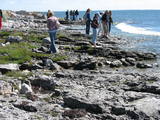 |
The national park was established to protect the 100 or so small islands that make up the archipelago of the local area. The largest island, the Vilsandi Island, is 6 km long and up to 2 km wide. You can rent a boat to get there, or, during appropriate conditions, you can walk across the sea and the small islands from the southern end of the Kuusnõmme peninsula.
|
|
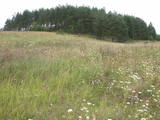 |
This partly forested hillock stands 40 metres above the surrounding area and offers impressive views. The fact that this was once a castle hill is attested by the presence of a moat and remnants of defensive fortifications. It is thought that Lettigalian tribes settled here in the 10th century AD. You can climb the hillock to take a look at the surrounding landscapes. |
|
 |
The saloon is alongside the Ieriķupīte River in the centre of town. There is a nature trail to look at local waterfalls and a windmill. The saloon offers homemade baked goods. Latvian cuisine: Valmiera salad, cold soup, bean soup, sliced pork, baked cod, sausages, stacked rye bread. Special foods: “Ieriķi salad” – tomatoes, cured meat, mushrooms. |
|
 |
Astoņus kilometrus no Kroņauces, saimnieks izveidojis lielāko orhideju kolekciju Latvijā. Interesanti apskatīt arī eksotiskos dzīvniekus - iguānas, sarkanausainie bruņurupuči, pitons un šņācējtarakāni, kuri šeit atraduši mājvietu. Saimniecībā ir arī Šetlandes poniji, ar kuriem var jāt bērni.Piedāvā makšķerēšanu zivju dīķos un teltsvietas.
|
|
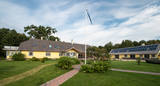 |
Nurka Farm is located in Luitemaa Nature Protection Area in Pärnu County. The farm complex that is over 100 years old has been renovated into a contemporary holiday farm with all modern conveniences. |
|


