
| No | Name | Description |
|---|---|---|
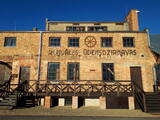 |
18. gadsimta beigās celtās Rundāles muižas ūdensdzirnavas atrodas Pilsrundāles centrā. Ūdensdzirnavas savas pastāvēšanas laikā piedzīvojušas divus postošus ugunsgrēkus, taču laika gaitā to darbība tika atjaunota. Tolaik dzirnavas darbojušās ar ūdens spēku un papildus tam bijusi uzstādīta arī tvaika mašīna. 20. gadsimta trīsdesmitajos gados, kad par īpašnieku kļuva Voldemārs Bergmanis, ūdensdzirnavu ēku atjaunoja un pilnībā nokomplektēja ar tolaik vismodernākajām firmas “O. J. Keller” dzirnavu graudu pārstrādes mašīnām, kā arī tika izvērsta plaša saimnieciskā darbība: labības pārstrāde, galdniecība, vilnas apstrāde un augļu pārstrādāšana. Mūsdienās ūdensdzirnavu ēkā ir izveidots muzejs piecos stāvos, kurā var iepazīties ar dzirnavu darbību. Iespējams sekot līdzi grauda ceļam pa koka šahtām līdz samaltam miltu maisam. Piedāvājumā arī inventāra noma Rundāles ūdensdzirnavu tilpnē. Pieejami SUP dēļi, airu laiva, ūdens velosipēds un kanoe laiva. 2021. gadā tika izveidota neliela alus darītava un uzsākta alus ražošana. Tiek ražots gaišais un tumšais alus, kura visas sastāvdaļas tiek iepirktas Latvijā, bet graudi no vietējiem zemniekiem. Videi draudzīgā iekārta atbilst jaunākajiem ES standartiem un prasībām. Viesiem tiek parādīts alus gatavošanas process, piedāvā degustācijas, kā arī telpas pasākumiem un svinībām. |
|
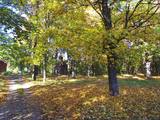 |
Puša Manor - Chapel was built in the end of the 18th century; it is located
in the Pušas Manor park that was built in the middle of the 19th
century. Both are permanent local architectural monuments.
|
|
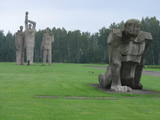 |
A Nazi concentration camp was at this location during World War II, and there is information to suggest that more than 50,000 residents of occupied Europe were murdered here. This is one of the largest ensembles of its type, taking up 25 hectares of land. It was opened in 1967 and has large groups of sculptures, including “Mother,” “Solidarity,” “Unbroken One” and “The Path of Suffering.” The wall of the entrance gates has a thematic exhibitions. |
|
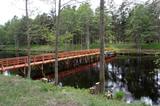 |
This is an artificial body of water that was dug in the 1960s to obtain ice for fish processing plants in Kolka. |
|
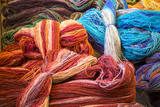 |
This is the only factory in Latvia that offers the full processing of wool, and it has been open since the late 19th century. There is a workshop in Dundaga where woollen blankets and pillows are sewn. |
|
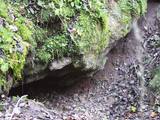 |
The castle hill of Rasnupļi (Opiņķi) is a significant place on the foot of the hill inhabited by ancient Latgalians.
You will notice Velna ala (Devil’s cave) also called small Staburags of Latgale (ancient cult place)
in the right side of the Vīce river. It is a small natural geologically unique formation (length – 3m, width –
2m, high – 0,6m). There are only two such caves in Latvia. There are 5 – 6 m long stalactites.
|
|
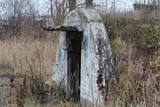 |
In the South-western parts of the former Spilve airfield, you can still see concrete areas on which Soviet-era military helicopters once landed.
|
|
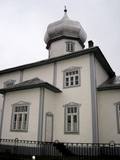 |
A haven for Russian Old Believers. Mustvee village has held fairs for the past two centuries. It is also a traditional fishing town. |
|
 6 days
|
The Baltic Sea littoral on the West coast of Kurzeme is called the Great Wave Sea. The seacoast is mainly sandy. While the Great Wave Sea section is the least populated coastal area in Latvia, at the same time, the third biggest city in Latvia, Liepāja, is also located there. Steep bluffs rise before your eyes on the seacoast between Pāvilosta and Sārnate. The villages are quiet and sparsely populated. At the beginning of the route, you can see the Soviet military heritage in Liepāja Karosta Prison, taste smoked local fish in Pāvilosta and then enjoy one of the most beautiful views of the entire route to the seacoast from Užava lighthouse. The route closes in the port city of Ventspils, where there are various entertainment and sightseeing places, especially for families with children. |
|
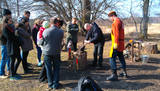 |
Visiting a blacksmith has always been something special. Does this job still exist, and is it still importance? Some may wonder who is a blacksmith is in the first place. The DUDU Nests open-air smithy will answer all of your questions. The blacksmith will teach you all about his profession, talking about the tools and materials that are necessary, the relevant traditions and the everyday work of blacksmiths today. You can forge your own nail to test the difficulty of the work. The blacksmith will happily attend your event with his open-air forge. This is perfect for students, smaller children, wedding guests or individual visitors.
|
|
 |
On the 141st km of the Riga-Jekabpils highway you can rest and have a meal in the motel Sapnis. There is a cafe on the 1st floor as well as the hall for celebrations. |
|
 |
Kihnu farm offers traditional Kihnu island dishes from home-grown vegetables and local fish. |
|
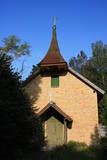 |
Atrodas Labraga – Apriķu ceļa malā. Kāds nostāsts vēsta, ka to 1896. gadā cēlis vietējais muižkungs, kurš vēlējies, lai viņa meitas laulības notiktu baznīcā. Dievnamā atrodas altārglezna "Kristus pie krusta un Sv. Marija Magdalēna", kas gleznota 19. gadsimtā (autors T. Šprengels). |
|
 |
The Lācīši farm can be found in the Galgauska Parish to the Southwest of Gulbene. One of the largest farms in Northeastern Vidzeme, it specialises in grain farming (577 ha), rapeseed farming (295 ha), and various grasses. It is also a dairy farm with some 100 cows to produce meat and breed calves. There is an interesting room for meetings and presentations, with large glass windows opening up to the cattle barn. The farm actively makes use of EU funding. Contact the farm in advance for tours and exchanges of experiences. |
|
 |
Piemājas saimniecība "Rudā lapsa", kas atrodas Ludzas novadā, interesentiem piedāvā iespēju iepazīt laukus, apskatīt mājdzīvniekus, saklausīt dabu, ļauties mierīgai atpūtai. Tiek piedāvātas telšu un piknika/ugunskura vietas. Ciemos tiek gaidīts katrs, kas vēlas atpūsties un izrauties no ikdienas skrējiena. |
|
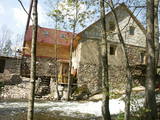 |
The Narūta River which flows out of Lake Ežezers is approximately 1 km long and ends at the small Obiteļi windmill lake. On the right bank of the river is a windmill that was built around 1900. Today the site has the Obiteļa leisure centre with a sauna and banquet facilities. |
|
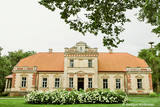 |
The Jakiškiu Estate was first mentioned in documents in the late 16th century. The estate had elements of Classicism in terms of its architecture. Among the buildings, the only ones that have survived are the mansion, an ice cellar and a steam-driven windmill. The estate has not been restored, so it is still authentic. Its artistic soul is preserved by various objects that remain from the time when people lived at the estate and from the Soviet era. Alongside the estate are a few fragments of a park, which covers approximately 2 ha. There is an ancient alley of linden trees that are on both sides of the entrance road, as well as several other valuable types of trees and a small pond. |
|
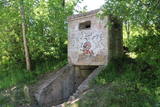 |
Viena no slepenākajām vietām kādreizējā Padomju Latvijā - bunkuri ir bijušais raķešu vadības punkts un patvertne. Bunkurus izveidoja 1950. un 1960. gadu mijā Padomju armijas vajadzībām. Par atrašanos šajā teritorijā draudēja bargs sods. Celtnes izveidošanai ar milzīgām 16- riteņu kravas automašīnām tika atvesti lieli dzelzbetona bloki. Pēc trīs bunkuru izveidošanas, papildus nostiprināšanai un nosiltināšanai tos apbēra ar granti. Celtne sastāv no 2 x 3 sekcijām, kas pievienotas vidējam gaitenim. Blakus ēkā atradās skola, kad 1946. gadā tā daļēji bija izdegusi, tika noslēgts līgums ar Padomju armijas garnizonu par telpu īri. Tā Valkas pilsētas centrā radās militārais centrs un Valka kļuva par Padomju Savienībai svarīgu kodolbruņojuma objektu. Objekts pieejams tikai no ārpuses! |
|
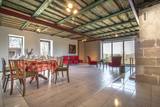 |
Located by the old Daugava bed ravine, Sērene parish, Jaunjelgava region, the house "Lazdāres". The holiday home has three apartments, each with its own kitchen, bathroom and everything you need for a great stay in the countryside. As well as a party hall for up to 20 people. Located 3 km from Aizkraukle and one kilometer from the newly built highway P76, which connects Riga with Jēkabpils. Waiting for guests who want to enjoy the silence and summer in the countryside. Families with children. Reservations for a week and longer with discounts. |
|
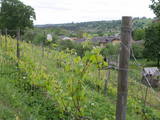 |
Already in the 10th century, an ancient village was located at the Sabile hill fort. After the division of Course land, Sabile was won by the Livonian Order, which built a stone castle (not preserved) here. Sabile is first time mentioned in written sources in 1253. During the 15th century an urban area started to develop at the castle. Town right was awarded to Sabile in 1917. Today Sabile is a small town, surrounded by many notable monuments. Roma culture is an integral part of Sabile and therefore, Sabile is also known as the Latvian capital city of Roma. Sabile has long been known for its wine-growing and oenological traditions, which have been reborn and enjoyable during the Sabile wine festival. |
|


