
| Nr | Nosaukums | Apraksts |
|---|---|---|
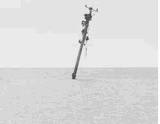 |
Papes aviācijas poligonā, kas atradās jūrā, netālu no krasta - notikusi šaušanas apmācība un aviācijas bumbu mešana uz mērķiem. Jūrā saglabājušies bijušie nogremdētie kuģu vraki un mērķi. Virs ūdens saglabājies vien kuģa masts. Pēc Andra Maisiņa sniegtās informācijas, arī Papes ezera ziemeļdaļā ir bijis aviācijas mērķis - no riiepām veidots lidmašīnas siluets.
|
|
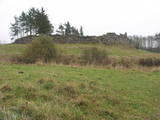 |
Atrodas Vecpiebalgas dienvidaustrumdaļā aiz baznīcas. 1340. - 1365. g. Rīgas arhibīskaps šeit uzcēla pili - cietoksni, ko apjoza aizsarggrāvji (atliekas redzamas arī mūsdienās). Pils ziemeļu pusē atradās priekštilta nocietinājumi, bet austrumdaļā - pils galvenā ieeja un tornis. Pili postīja 1577. g., bet pilnībā sagrāva 18. gs. |
|
 |
Kazas piena produkti, ēdieni no kazas izcelsmes produktiem, izglītošanās programmas. |
|
 4 dienas
|
Profesionāla lauksaimniecības tūre, kuras laikā tiek iepazītas Latvijas modernākās graudaugu ražošanas saimniecības, kas raksturīgas Zemgales reģionam. Iepazīšanās diena, kuras laikā organizēta tikšanās ar Latvijas Republikas Zemkopības ministrijas speciālistiem, lauksaimnieku NVO pārstāvjiem. Latvijas galvaspilsētas – Rīgas (UNESCO mantojums), Rīgas centrālā tirgus (viens no lielākajiem slēgtā tipa tirgiem Eiropā) apskate. Veselīgas pārtikas veikala apmeklējums. Vakariņas ar latviešu tradicionālo ēdienu un alus šķirņu baudīšanu. Nākamajā dienā dodamies uz Jelgavu, kur 18.gs. celtā Kurzemes un Zemgales hercogistes pilī organizēta tikšanās ar Latvijas Lauksaimniecības universitātes mācībspēkiem. Maiznīcas, kurā cep maizi no bioloģiskā veidā audzētiem produktiem – apmeklējums. Nākamā ir saimniecība, kurā apvienota augkopība ar lopkopību un biogāzes ražošanu. Tajā izveidots mākslīgs mitrājs, kas attīra notekūdeņus. Vakariņas modernā un mūsdienīgā atpūtas kompleksā. Nākamajā dienā dodamies uz vienu no lielākajām Zemgales daudznozaru saimniecībām, kas specializējusies, augkopības, lopkopības, zirkopības, biogāzes un alus ražošanas jomās. Pēc tam – lielākās un tehnoloģiski modernākās graudkopības saimniecības apmeklējums. Pēcpusdienā – ekskursija pa Baltijā izcilāko pili – Rundāles pili. Tā celta kā Kurzemes hercoga Ernsta Johana Bīrona vasaras rezidence, kas būvēta pēc ievērojamā itāļu arhitekta F. B. Rastrelli projekta. Vakariņas ēdam kompleksā, kurā ietilpst vēsturiskas vējdzirnavas ar graudkopības tēmai veltītu ekspozīciju. Ceturtās dienas rītā – graudkopības saimniecības apmeklējums, kas audzē sēklas. Pēc tam – bioloģiskās saimniecības apmeklējums, kas audzē kviešus, miežus, zirņus, pupas, rapsi, garšvielas un zāļu tējas. Piedāvā pusdienas lauku sētā, kas gatavotas no pašu izaudzētiem graudiem un rupja maluma miltiem. Atgriešanās Rīgā. |
|
 |
Strausu un kazu ferma "Nornieki", kas atrodas netālu no Kuldīgas, nodarbojas ar strausu un Āfrikas būru kazu audzēšanu un pārstrādi. Saimniecība piedāvā izzinošu ekskursiju pa fermu, maltītes baudīšanu pašu restorānā [ ar putniem ] , dažādus produktus no strausa un kazas - sākot ar gaļu un beidzot ar dažādiem aksesuāriem. |
|
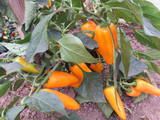 |
Saimniecībā audzē avenes (6 ha), garšaugus un ārstniecības augus (vairāk nekā 100 šķirnes), dārzeņus (paprikas, gurķi, tomāti, čilli pipari, sīpoli, ķiploki) un bites. No izaudzētā taisa salātus, ievārījumus, lečo, čatnijus. Apmeklētāji var iegādāties augu pārstrādes produkciju, paši lasīt avenes un zemenes, degustēt tēju, nopirkt medu un iegūt vērtīgas konsultācijas. |
|
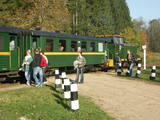 |
Šaursliežu dzelzceļa līnijas posms ar sliežu platumu 750 mm, kas savieno Alūksni un Gulbeni, ir daļa no kādreizējā Stukmaņu–Valkas dzelzceļa līnijas. Šobrīd tas ir Latvijā vienīgais funkcionējošais regulārās pasažieru satiksmes šaursliežu dzelzceļš. Bānītis kursē katru dienu. Alūksnes dienviddaļā celto Alūksnes stacijas ēku atklāja 1903. g. 33 km garo līniju, kurā ir 10 stacijas un pieturas punkti, bānītis veic ~ pusotras stundas laikā. Populāri ir ikgadējie Bānīša svētki, kas pulcina mazbānīša entuziastus. Vasaras sezonā tiek piedāvāti speciālie tvaika reisi ar restaurēto tvaika lokomotīvi “Ferdinands”. |
|
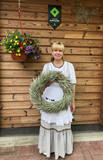 |
Mājas restorāns ''Dzīles'' atrodas Kārsavas novadā blakus Malnavas muižas parkam. Tas ir ģimenes uzņēmums, kas nodarbojas ar maizes un miltu izstrādājumu ražošanu. Saimniece gatavo sātīgus latgaliešu ēdienus un piedāvā lauku laubumus. Viesiem tiek rādīts, kā gatavo tortes un cep pīrāgus. Tāpat tiek organizēti branči - vēlās brīvdienu brokastis. Īpašais ēdiens ir pašceptā „Dzīļu maize”, kuras mīklā iejauc klijas, rozīnes, dzērveņu ievārījumu un linsēklas. Produkciju iespējams iegādāties gan maiznīcā uz vietas, gan Rēzeknes veikalā "Zaļais". Tiek piedāvātas darbnīcas, kurās iespējams izcept rupjmaizi vai saldskābmaizi pēc senču tradīcijām vai iemēģināt roku kādas jaunas un neparastas maizes tapšanā. Tāpat pieejama degustācija, kurā iespējams nogaršot 5 maizes veidus un beigās arī kūku vai asuškas. |
|
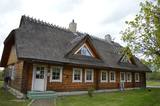 |
Tihuse saimniecībā Muhu salā nodarbojas ar zirgu audzēšanu, kur piedāvā arī autentisku ēdienu, turklāt tiem, kas cieš no dažādām pārtikas nepanesībām, tiks piedāvāti īpaši ēdieni. Ļoti iecienītas ir izjādes ar zirgiem, pēc kura seko pikniks. Kā īpašu gardumu piedāvājam lēcu kūciņas. |
|
 |
Pärnamäe saimniecība Kihnu salā ir četras reizes ieguvusi skaistākās mājas titulu. Saimniece gatavo mājas ēdienus, tradicionālo Kihnu maizi un kūpinātās zivis, ko var arī iegādāties Kihnu ostas tirgū. Naktsmītnes izvietotas trīs ērtās vasaras mājiņās. Ziemā šeit auž unikālos Kihnu paklājus. |
|
 |
No māla veido interesantas krūzes ar uzrakstiem, zīmējumiem un dzīvnieku figūriņām to iekšpusē. Veido arī šķīvjus, māla podus, servīzes un "salocītus" traukus. Piedāvā ekskursiju, darba vērošanu, sīkplastikas un uzrakstu veidošanu uz traukiem. Interesenti ar ģipša formu var izspiest mazus dzīvnieciņus, darboties ar virpu un iegādāties suvenīrus, kā arī veikt individuālos pasūtījumus. Iespējams doties nelielā pastaigā (30 min) pa tuvumā esošo bijušo Paplakas garnizonu, kur pieejamas ugunskura vietas. |
|
 2 dienas
|
The Baltic Coastal Hiking Route goes through Nõva Nature reserve where you will have exceptional views of the white and grey dunes. The beaches are popular for fishing and kite-surfing. In Dirhami you can spend some time in a cafe and from its terrace you will have a beautiful view of the sea and the port. Along the way you can also see ancient Swedish hamlets with a different cultural environment and landscape, as well as shallow lakes that have been separated from the sea. |
|
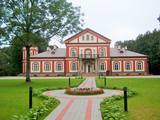 |
Naujasodžo ciemā izveidotais Alantas muižas komplekss: neoklasicisma stila muižas ēkas, 19.gs. parks (gobas, liepas, bērzi, ozoli, ievas), palīgēkas. Itāļu villu atgādinošā, neoromantisma stilā izveidotā muižas parkā iekoptas koku alejas, izrakti trīs dažādu formu dīķi. Koki sastādīti tā, lai augšanas procesā to stumbri savienotos un izveidotu varenu pušķi. Bez vietējiem kokiem netrūkst arī eksotisku augu. Uz parka robežas uzceltas ažūra lapenes, pāris metru augsts balts obelisks, tuvāk muižai – Venēras un Jupitera skulptūras no balta marmora. |
|
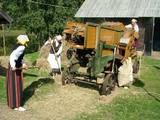 |
Vieta, kas īpaša ar savu Vidzemes lauku sētas burvību, un apmeklētājiem piedāvā ne tikai apskatīt mūsu senču senos darba rīkus, bet arī pamēģināt pašiem tos darbībā. Ekspozīcijā ir vairāk nekā 4000 priekšmetu, kas izvietoti senajā latviešu zemnieka sētā ar 11 dažādām ēkām. Tradicionāli, ik gadu otrajā septembra sestdienā muzejā notiek gada lielākais pasākums – Pļaujas svētki, kas pulcē seno darbu prasmju demonstrētājus, amatniekus un mājražotājus. |
|
 |
Pēc Beverīnas amatnieku biedrības iniciatīvas atjaunotajā namiņā piedāvā gan novada, gan plašākas apkaimes amatnieku produkciju, radošās darbnīcas un pasākumus dažādu rokdarbu tehniku apguvē. Namiņš ir gan apmācību centrs, gan amatniecības izstrādājumu tirgotava, gan arī Beverīnas novada kultūras, folkloras un latviskās dzīvesziņas popularizēšanas centrs. |
|
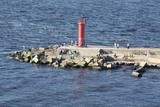 |
Lai mazinātu upes grīvas aizsērēšanu un regulētu tecējumu, 19. gs. vidū tika uzcelts Austrumu mols – 980 m garumā. Tā pamatu veido koka pāļu konstrukcija, kas nosegta ar akmeņiem. 2,2 km garais mols mūsdienās ir atjaunots un kalpo kā iecienīta pastaigu, atpūtas un makšķerēšanas vieta visos gadalaikos. No mola var vērot putnus, paretam var laimēties redzēt arī kādu roni. Mola sākumā apskatāmi 2 laukakmeņi, kuros iekaltais teksts vēstī, ka šo būvi apmeklējuši Krievijas imperators Aleksandrs II (1856. g.) un troņmantnieks Nikolajs Aleksandrovičs (1860. g.). Šis fakts izceļ Rīgas ostas nozīmīgumu tā laika Baltijas jūras tirdzniecības ceļu kontekstā. |
|
 7 dienas
|
Sākumā maršruts ved pie bērzu sulu un vīna izgatavotāja, un tālāk - kazu saimniecība, kur ir iespējams degustēt dažādus piena produktus un apskatīt dzīvniekus. Tālāk dodieties uz Siguldu, kur atrodas bobsleja un kamaniņu trase un trīs viduslaiku pilis - Siguldas, Turaidas un Krimuldas pils. Pēc tam iepazīstieties ar vēsturisko Līgatnes ciematu un Līgatnes papīrfabriku, apciemojiet vietējos amatniekus. Tad - Cēsis ar varenām viduslaiku pilsdrupām un Jauno pili. Apciemojiet kaņepju audzētājus un nogaršojiet kaņepes, kas pagatavotas tradicionālā veidā. Tālāk izbaudiet Ķoņu dzirnavas, kurās vilna tiek apstrādāta ar veclaicīgām iekārtām. Dodieties tālāk uz Mazsalacu, kur atrodas dabas parks ar pastaigu takām. Salacas upe ir pazīstama ar nēģiem, un maršruta laikā jums ir iespēja redzēt tradicionālos nēģu tačus. Saulkrastos izbaudiet pastaigas gar jūru. Tālāk apmeklējiet lielogu dzērveņu purvus un nogaršojiet šīs ogas. Apskatiet eleganto Bīriņu pili ar tās lielo parku un lielisko restorānu. |
|
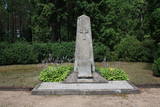 |
Lielākie 1. pasaules kara laika brāļu kapi Latvijā. Tajos atdusas 1800 latviešu strēlnieki un ap 2000 pagājušā gadsimta 30. gados pārapbedītie karavīri, kas dienējuši dažādās Krievijas armijas daļās. Kapu centrā uzstādīts piemineklis. |
|
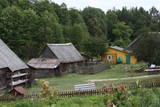 |
Grūti iedomāties, ka vēl joprojām Eiropā ir apdzīvotas vietas, kuru sasniegšanai ir labu laika sprīdi jābrauc pa neapdzīvotu mežu ieskautu smilšainu ceļu, kur tikai paretam var redzēt kādu sēņotāju vai ogotāju! Tāpat kā Zervinos ciemam, arī šim ir piešķirts kultūras mantojuma pieminekļa statuss, jo Linežeris ir viens no dažiem nacionālā parka etnogrāfiskajiem ciemiem. Linežerī ir aplūkojamas 19. – 20. gs. mijā celtās ēkas un apskatāms tā laika ciema plānojums. Šejieniešu tāpat kā citu dzūku galvenā nodarbošanās bija mežistrāde un meža velšu vākšana. Nelielā mērā – arī lauksaimniecība. Apceļojot nacionālā parka etnogrāfiskos ciemus, rodas pamatots jautājums: „Ar ko mūsdienās te nodarbojas cilvēki. Kā viņi spēj dzīvot tik nomaļā vietā”? Jāatzīst, ka lielākā daļa te ierodas tikai vasaras laikā. Neskatoties uz to, etnogrāfiskie ciemi ir ļoti sakopti un joprojām „dzīvi”! |
|
 |
The watermill was restored in the 1920s and renewed operations in 1992. It offers a look at historical mechanisms and the milling process, while the café offers pancakes made of the flour that is ground at the mill. Latvian cuisine: Herring with cottage cheese and boiled potatoes, pancakes with mushrooms, cheese, vegetables, meat, honey, cream, cottage cheese, ice cream and caramel. |
|


