
| No | Name | Description |
|---|---|---|
 |
Offering – a beach created in the quarry as well as the relaxation zone. 2 volleyball playgrounds, swings, trampolines, inflatable attractions. For the youngest kids – water joys in a specially constructed water „eyecup”. In a separated quarry you are offered to fish - trouts, carps, brook trouts, sheatfish. It is possible for you to cook fish, fry, make fish soup. In this case, we offer you all the necessary things for cooking. Fishing takes place all year round. |
|
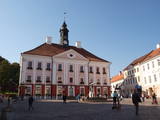 |
Formed on the left side of river Emajõgi, in the valley of Doma Hill. The centre of The Old Town of Tartu is Town Hall Square with Town Hall and the fountain "The Kiss of the Students" (symbol of the city). |
|
 |
The owner offers tours of his beekeeping operation, with visitors wearing the necessary protective gear. You will learn about how honey is produced, watch a video, and be able to taste six or seven types of honey. If you wish, the owner will make pancakes for you. Products are available for purchase. |
|
 |
This is a bakery that offers traditional Lithuanian sweets, including honey buns. You can learn all about how those are produced. |
|
 |
You can take a smoky sauna, watch the milking of cows, learn how to milk a cow, buy fresh bread and pastries along with unique apple tea, rent a family tent, take part in farm work, go fishing and swimming in the pond and shoot arrows with old and modern bows. |
|
 7 days
|
This study tour is designed to show Latvia's rye traditions as their central focus. This tour has been developed in cooperation with the Latvian Bakers’ Association. Rye is both the basis of the Latvian diet and a powerful symbol of Latvia's culture and culinary traditions. Itinerary emphasize traditional rye bread-baking and eating, as well as insights into the history of the rye grain from Latvia's earliest archaeological record to the present day. Itinerary include visits to working farms, grain mills and culturally and historically important locations. This study tour is designed for groups and may be adapted to the needs, interests and timeframe of each client. Tour cost includes meetings with experts, site visits and admissions, accommodations, specified meals, sightseeing, transportation within Latvia and guides-interpreters. |
|
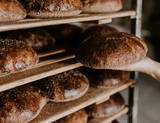 |
SIA N. Bomja bakery “Lielezers” is a sole proprietor enterprise of Normunds Bomis, founded in 1991 and located 3 km from Limbaži. The story of this bakery started more than 25 years ago, when craftsman Alberts Blumbergs’ knowledge and experience was put into practice and very delicious rye bread was made. In the bakery, traditional salinātā rye bread is made by hand, maturing scalded flour in aspen tubs for 24 hours and fermenting with sourdough. Salinātā rye bread is registered in the EU food quality scheme as a product with traditional speciality guaranteed. Bread baking is led by the experienced master bakers Lāsma Bome and Valters Kanopa. Offer tours in the bakery and tasting. |
|
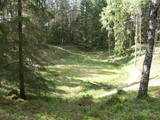 |
There are three craters here, and the biggest one, known locally as Põrguhaud, or Grave of Hell, has a diameter of 80 m and a depth of up to 12 m. There are barriers around the crater that are several metres high. The other two craters are hard to spot. The craters around 6,000 years old. No scraps of the supposed meteorite have been found, however, and so the origins of the craters cannot be confirmed with certainty.
|
|
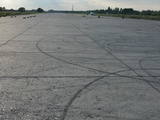 |
The Rumbula airfield was originally a military facility, established after World War II at a place where many single family farms had been before. When the Spilve airfield shut down, civilian aircraft moved to Rumbula, while military aircraft were based at the Rīga airport. Today the world “Rumbula” is most often associated with the automobile and spare parts market that has been established on part of the former airport’s territory. A certain “heritage” at the site is pollution from the former airfield’s fuel containers, where petroleum was stored. Paragliding occurs at the airfield.
|
|
 |
Līdz 40m augsta ar mežu apaugusi Gaujas labā pamatkrasta nogāze ar vairākiem smilšakmens atsegumiem. Viens no tiem atrodas nogāzes lejasdaļā un veido 7m platu 5m dziļu nišu. Otrā krastā – vairākus metrus augstais Leimaņu iezis. Abi atsegumi atrodas aiz Amatas ietekas.
|
|
 8 days
|
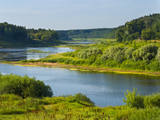
The Daugava River is known as our river of destiny, the Daugava of our hearts, or our beloved mommy. It is a large and full-blooded artery of water that has flowed through our land and our history. The Vikings were aware of the river during the 5th century AD. Krāslava is the site of an ancient castle hill, and the fearless sailors were well aware of it in that downriver from it, the ships could sail with raised sails. It is known in Viking sagas as Dynasaiforgarðr. Goods from the East sail down the river to Rīga, where it is reloaded into seafaring ships for delivery to Europe. That has been the case for many centuries. Many powers wanted to control and govern the process, as is seen in the large number of castle hills, castles and populated areas around the river’s banks. The majestic ruins of the Koknese Castle, Krustpils, the grassy and mighty castle hill at Aizkraukle, another one at Daugmale. The unique fortresses at Daugavgrīva and Daugavpils are like large keys that lock or unlock this mighty and ancient trade route. Under the water in the Daugava are the ruins of the ancient Ikšķile Castle that was built by St Maynard himself. It is seen as the first brick building in the Baltic States. Nearby is Death Island, where Latvian riflemen fought for the future of their country and their land, defending each square metre of land. The Daugava proved insurmountable for Bermont’s troops, and the riflemen defended Rīga successfully. The curves of Daugava are unique. The village of Slutišķi is particularly known because the Daugava there is just like it has been in the past. The high dolomite shorelines and canyons that once made the Daugava unique in all of Northern Europe have now been lost in the reservoirs of hydroelectric power plants, as has the eternally weeping cliff of Staburags, the Liepavotu stream and the Pērse waterfall. The age of national renaissance in Latvia importantly began with a battle against the construction of another power plant on the Daugava, which would have fully destroyed the beauty of the noble river. We managed to protect it, if only a small part of it, but we succeeded. We must not stop! |
|
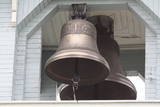 |
The Rēzekne Old Believer Prayer House of St Nicholas is in the southern part of the city, at Siņicina Street 4. The house of worship was built in 1895 and rebuilt in 1906. Its tower has three silver and brass bells (restored), and one of them is thought to be the largest bell in Latvia (4,832 kg with a tongue that weighs 200 kg in and of itself). Alongside is a museum which features the cultural and religious environment of the Old Believers. |
|
|
|
Die Straße führt durch die ehemaligen Fischerdörfer. Eine bessere Radfahr-Alternative auf der Strecke zwischen Häädemeeste und Ainaži. |
|
 |
Saimniecība atrodas Kokneses novada Bilstiņos. SIA "Rīta putni" nodarbojas ar paipalu olu un gaļas delikatešu ražošanu. Reģistrēti divi zīmoli "Olalā" - paipalu olas un to produkti un "Bučers"- paipalu gaļas produkti. Saimniecībā ir veikals "BĀRS un BODE", kurā iegādāties svaigākos produktus un pavadīt mirkli ar saimniekiem un laiku ar draugiem, kā arī nogaršot paipalu olu omleti vai grilētu paipalu gaļu. Saimnieki rīko dažādas interesantas degustācijas. Ir arī dārzs ar eksotiskiem augiem un stikla siltumnīcu. Siltumnīca ir pieejama rezervācija nelielām svinībām, fotosesijai vai meistarklasēm. |
|
|
|
The saloon is in the centre of Jelgava alongside the bridge over the Driksa River, where there is a new shoreline promenade. Wood has been used for interior design, and the saloon regularly organises musical evenings. Latvian cuisine: Cold soup, roast filet of plaice or cod farmer’s breakfast, potato pancakes, crepes. |
|
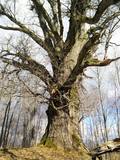 |
Aptuveni 2km garā Ķirbižu meža izziņas taka izveidota apļveidā gar Vitrupes abiem krastiem. Visā takas garumā var mācīties atpazīt Latvijas mežu raksturīgākos kokus, krūmus un augus. Šeit var aplūkot arī Vālodzes dižozolu (6.5 m). Upes labajā krastā, pie tā sauktā vīna pagrabiņa un kreisajā krastā apmēram 200 m no takas sākuma pie Meža muzeja, atklājas ainaviski skati uz ieleju un Vitrupi. |
|
 |
Pärnamäe farm on Kihnu Island has won the title of most beautiful home four times. The owner is preparing traditional, home-made dishes, Kihnu bread and smoked fish that you can also buy at Kihnu port market. The accommodation is located in three comfortable cottages. In winter, unique Kihnu carpets are made here |
|
|
|
Der Turm befindet sich im Gutspark Kiiu. Wurde im ersten Viertel des 16. Jh. errichtet und diente als einen „Schutzraum” für Grundbesitzer. Geöffnet für Besucher und bietet den berühmten estnischen Likör „Kiiu torn” an. |
|
 |
The saloon is on the seashore with a lovely view of the beach at Saulkrasti. Here different water sports and entertainment activities are organised. Latvian cuisine: Cold soup, baked filet of cod, homemade steak haché, roast pork, pancakes with cottage cheese, caramelised oatmeal. |
|
 |
The Atāli homestead is on Putnu Island, and a local researcher, Ārija Gruberte, has used the threshing barn to exhibit everyday objects used in the area of the ancient Dviete River valley over the course of time. She has collected these items over the course of 20 years, and they include objects dating back to the Stone Age, the Iron age and the Middle Ages. All of them speak to human lives over the course of more than 10,000 years. Please call in advance to arrange for a tour. |
|


