
| No | Name | Description |
|---|---|---|
 |
Atrodas Rīgas – Ventspils autoceļa (A 10) 88. kilometrā, pašā Abavas krastā. Pie stāvlaukuma interesants objekts – senais Zemgales un Kurzemes robežstabs un vēsturisko novadu robeža. Piedāvā kempinga pakalpojumus. |
|
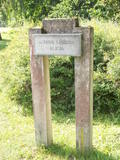 |
Marking of the Jānis Lībietis Alley in the
Ķemeri Park – Lībietis directed the institution
which managed the Ķemeri sulphurous springs
from 1928 until 1944, and the monument to
him is at the end of the Jānis Lībietis Pathway
|
|
 |
Neliela ziepju un dažādu citu ķermeņa kopšanas produktu darbnīca. Pašu audzētos un saimniecības pļavās ievāktos ārstniecības augus iestrādā ziepēs un skrubjos, gatavo no tiem izvilkumus augu eļļās, kurus iekļauj lūpu balzamos un krēmos. Ziepes tiek vārītas tā, kā to darīja agrāk - no sārma un taukvielām. Apmeklētājiem iespēja ielūkoties “Ezervanna” mazajā darbnīcā, paklausīties stāstā par ziepju vārīšanu, iemēģināt roku un radošumu skrubju gatavošanā vai “pamīcīties” ar ziepju veidojamo masu un pagatavot savu ziepju gabalu. |
|
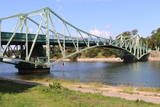 |
The bridge was built in 1906. Part of it was blown up during World War I and later restored. During the Soviet occupation, one needed special permits to cross the bridge. Military ships and other vessels used the canal, because one of the largest military bases in the USSR was sited here. In the summer of 2006, one month before the bridge’s centenary, a Georgian-flagged tanker, the Anna, rammed into the northern support structure of the bridge, and that destroyed the bridge’s turning part beyond recognition. The bridge was renovated and reopened in 2009. You can look at the bridge and cross it at any time.This is a unique engineering monument, and it is the only drawbridge of its kind in the Baltic States. It takes just five minutes to turn the two parts of the bridge.
|
|
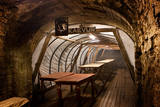 |
The most fascinating part of the Park is its underground museum. Guided underground tours take visitors to where miners used to work and rest and stored their explosives, and include a real train ride and learning about various pieces of equipment and technology. A delicious miner’s lunch can be booked in advance and enjoyed in a genuine miners´ underground canteen. |
|
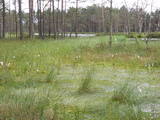 |
This is one of the largest areas of swampland in Latvia, lying between Lake Babīte and Olaine. Most of the area is still made up of peat. Relatively untouched is the northern part of the swamp, where there is a lovely set of swamp lakes, featuring landscapes of moss swamps. The heath is one of the few swamps in Latvia where the western-type and eastern-type swamp coexist. This is an important location for protected birds. A nature trail and viewing tower are to be installed at the heath in the near future.
|
|
 |
The castle diner is situated next to Koknese castle ruins. Either before or after boating, Nordic walking, visiting the castle ruins, enjoy tasty coffee, baked buns, snacks, french fries, grilled sausages, ice-cream or buy a soft drink to go with your sandwiches and to drink while sitting in the courtyard of the ancient castle and watching an amazing view of Perse and Daugava crossing. Upon special request we can also cook our very tasty Firesoup. |
|
 10 days
|
From Riga the tour goes to Sigulda where you can see the Olympic Bobsled truck, visit Sigulda medieval castle and take a cable car across to Turaida medieval Castle with beautiful views across the Gaujas Valley. Kids would love activities at the adventure centre Tarzans. At Ligatne walk Nature trails to see the local wild animals at their enclosed territories and wonder around the historic village originally formed around the Paper Mill. Further on visit impressive medieval castle ruins at Cesis town and the picturesque Devonian Zvarte outcrop at Karli. Then the route goes along the coast with sandy beaches great for walking, playing and swimming. There visit museum of the biggest liar in the world - Munhauzen and listen to his fantastic adventure stories. Then the route goes to the Western part of Latvia and focuses on the sea and coastal life. From Riga visit the sea resort Jurmala, stop at Pure Chocolate Museum and then continues to Cape Kolka where open sea meets Riga Bay. There explore trails at Sliteres National Park, visit villages of Livs which is one of the smallest ethnic nations in the world, enjoy freshly smoked fish. At Ventspils enjoy endless facilities for children - kids town, narrow gauge train, aqua parks, well equipped beach and adventure park. On the way to Riga visit charming Kuldiga with well preserved wooden architecture and stop at the farm where kids could enjoy different farm animals |
|
 |
Atrodas 0,1 km ziemeļos no Dobeles pilsdrupām - laukumā starp Tērvetes ielu un Liepājas šoseju. Tas veltīts 1. pasaules karā un Latvijas Brīvības cīņās kritušajiem kareivjiem. 1940. g. pilsētas Vienības laukumā atklāto pieminekli (tēlnieks K. Zemdega) desmit gadus vēlāk uzspridzināja, bet 1996. g. atklāja no jauna (tēlniece I. Berga). Laukumā apskatāms 1989. g. uzstādītais piemiņas akmens (tēlnieks M. Zaurs) zemgaļu aiziešanai no Dobeles, kas notika 1289. g. Pirms aiziešanas uz Lietuvu, tie nodedzināja savu koka pili Dobeles pilskalnā. No laukuma paveras labs foto – rakurss uz Dobeles pilsdrupām. |
|
 |
This facility is on the southern shore of Latvia’s second-largest lake with a lovely view of it. Lettigalian foods are prepared from local ingredients, some of which are grown on site. |
|
 |
SPURA iznomā SUP dēļus, organizē privātus, korporatīvus pasākumus un dažādus SUP piedzīvojumus Rojas un Irbes upē, kā arī citās ūdenstilpnēs (plašāka informācija par piedzīvojumiem atrodama www.spura.lv). SPURAS SUP dēļi piemēroti gariem pārbraucieniem, jogai, fitnesam, sportam, sacensībām un atpūtai, - tie piemēroti gan pieaugušajiem, gan bērniem. Nodrošinām ar visu nepieciešamo supošanas inventāru līdz 40 personām, nogādāsim līdz supošanas vietai, piedāvājam izstrādātus SUP maršrutus un piedzīvojumus, organizējam ūdens un citas sporta aktivitātes. Pieejama kajaku noma (vienvietīgi un 2+1vietīgi) laivošanai pa Rojas upi, to transportēšana Rojas upes apkārtnē. Iespējams iznomāt kajaku līdzņemšanai un doties uz sev izvēlētu ūdenstilpni. Iznomājam ūdens velosipēdu (katamarānu) braucienam pa Rojas upi un airu laivas. Pieejama hidrotērpu noma. |
|
 |
The restaurant is on the shore of the Bay of Rīga, between the VIA Baltica highway (A1) and the sea. It is part of the “Kapteiņu Osta” territory, which is surrounded by the meadows of Randa. The restaurant has a summer terrace with beautiful sunsets. Latvian cuisine: Cold beet soup, potatoes with cottage cheese and herring, smoked eel, oven-baked catfish, baked pike-perch with hemp butter, cottage cheese buns, strawberry soup. Special foods: Fish soup. |
|
 |
Atrodas Rīgas – Ventspils autoceļa (A 10) 92. kilometrā. Piedāvā ēdināšanas pakalpojumus, klāj galdus un organizē citus pasākumus. |
|
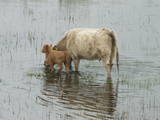 |
The shallow and mostly overgrown (65% of its surface) Lake Engure is one of those Latvian lakes which are most favoured by birds. It is a location which is governed by the Ramsar Convention on Wetlands, and 186 species of nesting birds have been identified there. The area is also distinguished by great botanical diversity (more than 800 kinds of plants). The coastline varies between sandy beaches and seashore meadows. There are forests, fishing villages and damp areas which ensure a great diversity in landscapes and species. The flood-land plains of the lake and the sea are grazing grounds for wild livestock – horses, blue cows, etc. Several bird-watching towers are open to visitors, as is the Orchid trail. The Centre for Ornithological Research is located on the eastern bank of Lake Engure. A unique floating house built by ornithologists is located on the lake. The territory is appropriate not just for holiday-makers, but also for hikers, bicyclists and bird-watchers. A leisure area and a small exhibition are located close to the ornithological research centre. |
|
 |
Viitna Tavern is one of the few 19th C tavern and post station buildings preserved in Estonia to date. Originally landlords and other rich folk had their rooms and a horse stable in the building’s left wing; today it is a canteen and Estonian handicraft shop. The right wing was for peasant folk chambers and a stable; today it houses a restaurant featuring national dishes on its menu. |
|
 |
Находится в Пастари, примерно на расстоянии 2,5 км от дороги Прейли - Виляны, в самом высоком месте с красивейшим пейзажем на Латгальскую возвышенность. Ветряная мельница голландского типа (с вращающимся механизмом крыльев) построена в 1902 году. В 2012 году были восстановлены крылья ветряной мельницы. По предварительной договоренности мельницу можно осмотреть изнутри. |
|
 3 days
|
Маршрут предусмотрен для опытных туристов, кому нравиться объединять наплюдения за природой с познанием культурной среды и истории. Это путешествие по самой впечатляющей речной долине в Балтии – древней долине Гауи. Маршрут начинается в Сигулде, которую с давних пор называют «Видземской Швейцарией». В окрестностях Сигулды открываются одни из красивейших пейзажей в Латвии. Маршрут пересекает глубокие овраги многих притоков Гауи и открывает внушительные в масштабах Балтии обнажения песчаника девонского периода. Природные тропы Лигатне – это единственное место в Латвии, где в условиях, максимально приближенных к естественной жизни в природе – в широких вольерах – можно увидеть разные виды диких животных. Поселок бумажной фабрики Лигатне – это великолепный пример индустриального наследия европейского масштаба со своеобразной средой поселка 19-го – 20-го веков. Цесисский средневековый замок – это мощная крепость средневековой Ливонии с современным центром для посетителей. Конечный пункт маршрута в Валмиере, одном из старейших городов Латвии. Информация о маршруте от Latvijas Lauku forums |
|
 |
Nepilnus 3 km garā taka iepazīstina ar dziļo Imulas ieleju – Abavas kreisā krasta pieteku. Īpaši iespaidīga ieleja izskatās bezlapu periodā, kad ir apjaušami tās izmēri un formas. Viens no takas iespaidīgākajiem objektiem ir Buses jeb Matkules pilskalns. Apskatāmi citi objekti – Baznīckalns, Bedrīšakmens, Ķauķa kalns ar avotiņu. Atrodas dabas parkā „Abavas senleja”. |
|
 |
One of the oldest botanical parks in Lithuania, this one was opened by Izidoras Navidanskas in 1928, when he was only 16. In 1965, the park because the Žemaitija botanical park, and Navidanskas and his son, Rapolas, who is the current owner, did a lot to expand it. |
|
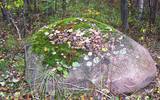 |
The Stone of Āžmugura is a fawn- coloured triangular prism boulder
which recalls the goat's back.
|
|


