
| No | Name | Description |
|---|---|---|
 |
This progressive biological farm grows some 50 types of biological vegetables and greens. The farmers own 10 ha of land where they grow various vegetables outdoors and in greenhouses in the Biržu region. |
|
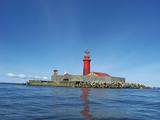 |
The Kolka lighthouse is on an artificial island which was created
between 1872 and 1875. The original lighthouse was made of wood, and
its light was first lit in June 1875. As the island settled into the sea, the
current tower was built. It began operations on July 1, 1884. Today the
lighthouse is six kilometres from Kolkasrags at the end of its sandy
shallows (back when it was built, it was just five kilometres away). The
island still has the building for the lighthouse supervisor, as well as
several outhouses. The metal lighthouse which is there now was built in
St Petersburg. It has been an automated lighthouse since 1979.
|
|
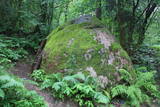 |
200 m attālumā no Gulbenes – Madonas ceļa mežainā nogāzē iegūlis 2,4 m augstais akmens. Tā lēzenajā virsmā iekalta ap metru gara, 0,3 m plata un ap 4 cm dziļa iedobe, bet akmens šķautnē - pakāpieni. Uzskata, ka šis ir sens kultakmens, pie kura ziedots. Lai nokļūtu līdz akmenim, vasaras otrajā pusē var nākties brist pa garu zāli. |
|
 |
Farm Maizes māja near Cēsis, where you can gain joy, strength and vitality! This tourism farm offers cognitive and educational programmes for adults and children, introducing them to the traditional Latvian lifestyle and intangible cultural heritage. At Maizes Māja, groups of students, families, friends, and tourists become members of the family and have a lot of work to do, for example, bringing firewood and firing the oven, before baking rye bread or sweet and sour bread from Kaupo rye flour in a proper bread oven. When the work is done, a nice meal is enjoyed together. |
|
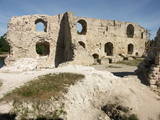 |
The ruins of the Koknese Castle are found where the Daugava and Pērse rivers flow together. The castle, which is on a floodplain, was built for the bishopric of Rīga in 1209, and it replaced an ancient Latvian castle that was made of wood. The castle was blown up by Saxon forces in 1701. A visitors centre is near the ruins, and there you can carve a Medieval coin or rent a boat to sail down the Daugava. Make sure to stroll through the Koknese park, which is alongside the ruins. |
|
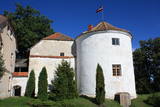 |
The first stone castle in Alsunga was built in 1372, starting with the central part of the southern wing. The authorised representative of the Livonian Order, who was subject to a higher-ranking official in Kuldīga, lived here. The guard towers and other parts of the castle were gradually added between the 15th and the 18th century. The Baroque castle with its two towers is quite impressive. The castle is unique in and outside of Latvia in that it is one of the rare Medieval castles to have survived to the present day in part, but in its original historical appearance. The castle offers an exhibition about its history. Visitors can look at a Suiti kitchen, write a letter with a fountain pen in Barbara’s boudoir, or celebrate a special event in the romantic venue of the castle’s round tower. Renovation of the castle began in 2018, and it is closed to visitors. Still, you can look at its exterior and tour its garden. |
|
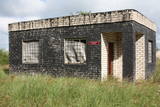 |
The Lūžņa radio equipment company was part of the Naval Border Guard in Soviet Times. The car park in the centre of Lūžņa offers a fine view of the former military complex. Some buildings are used as apartment buildings at this time.
|
|
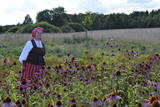 |
The lady of the house greets visitors in a folk costume, offering an educational programme in the local Žemaiši language. She talks about herbal teas and how to find the herbs and brew them. Along with the tea, the lady offers homemade cheese, bread, pierogi and honey. The guesthouse is on the banks of Lake Beržoris, not far from Lake Platelys. The Žemaitija National Park is nearby and easily reached on foot, by bike, by boat or by car. |
|
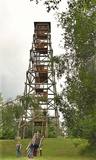 |
Lielais Liepu kalns ir Latgales augstienes Rāznavas pauguraines augstākā un Latvijā trešā augstākā virsotne (289,3 m v.j.l.). Lielpaugura relatīvais augstums ir 86 m! Skatu torņa platforma ir šobrīd augstākais Latvijas punkts (323 m.v.j.l.), kas sasniedzams ar paša kājām! Liepu kalna apkārtne ir labiekārtota. |
|
 |
The Lithuanian Pomiculture and Gardening Institute became a national scholarly institute in 1992. It engages in scholarly studies, as well as experimental manufacturing. The institute produces Lithuanian fruits and vegetables that are used to manufacture high-quality, natural and healthy products. |
|
 2 days
|
The first part of this section of the Forest Trail winds along the magnificent River Piusa valley, then, at Härmä Village, it turns towards Obinitsa, an important cultural centre of Setomaa, the Land of Setos. Here you can discover the traditions of the local Seto people, for example the fine handicraft of the Seto women. After Obinitsa, the Forest Trail leads through beautiful pine forests rich in heather, descends back into the depths of the River Piusa valley and ends at the Piusa caves. The Piusa sandstone caves are the result of hand-mining glass sand from 1922-1966. The biggest wintering colony of bats in Eastern Europe is located in the caves. When accompanied by the guide, you can visit the observation platform at the Museum cave. |
|
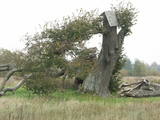 |
Before a great storm in 2005, this was one of the tallest and most noble lime trees in Latvia. Now only one branch is still alive.
|
|
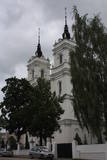 |
This is the highest point in the southern part of Daugavpils. A radius of approximately 300 m around 18. Novembra Street once housed the first Old Believer prayer house (1908-1928), the St Boris and Gleb Orthodox Cathedral (1905), the Daugavpils Mother of God Catholic Church (1905), and the Daugavpils Martin Luther Lutheran Church (1893). |
|
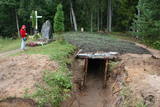 |
In October 1948, nationalist partisans who opposed the Soviet regime built a 9x6 m bunker in the forests of Īle for themselves. Five months later, the KGB attacked the bunker. After five hours of gunfire, 15 partisans lay dead, and another nine were captured. The bunker has been restored in commemoration of this event, and it is open to visitors.
|
|
 |
Opekalns (arī Apukalns, Opekols) ir paugurs Alūksnes augstienē, 235 metrus virs jūras līmeņa, Veclaicenes pauguraines viena no augstākajām virsotnēm. Tā virsotnē uzcelta Opekalna luterāņu baznīca (1774—1779), kas ir visaugstāk virs jūras līmeņa novietotais dievnams Latvijā. Opekalna ciemā dzimis leģendārais Dziesmu svētku virsdiriģents Haralds Mednis. |
|
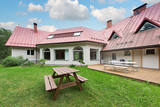 |
Conference and recreation center "Zvīguļi" is located in the territory of Gauja National Park, 10 km from Sigulda - with picturesque and untouched nature on one side and Sigulda highway (A2) on the other. From the inner courtyard there is a forest, from which, walking along a relief, nature-created and well-groomed path, you will reach the bank of the river Gauja in 15 minutes. It offers accommodation in rooms of different comfort or in a common room. There is a spacious and modern kitchen. The guest house also has a quadruple Finnish sauna. If necessary, catering will be provided by our partners. Active leisure opportunities nearby - toboggan run, bicycle rental, fishing, boating, quad and motorcycle track, horse riding. |
|
 |
Wine cellar Murimäe offers wine from the best grapes in Estonia. The farm produces wine from grapes, berries and fruits, organises wine tastings and workshops. |
|
 |
This restaurant-burger shop specialises in 100% Latvian beef burgers, selected pizzas and natural french fries. |
|
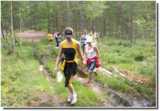 |
The Zaļais (Green) swamp is a medium swamp in
terms of the national park, and it used to be a place
where peat moss was extracted (those areas are flooded
now). In the North it links to the Čaukciems swamp. The
swamp is to the Southwest and West of the Green
Dune.
|
|
 |
The Freedom Monument is opposite the Krustpils Castle in Rīgas Street. Built in 1925 and restored in 1992 (by A. Birznieks), the monument honours people from Krustpils who fell during Latvia’s liberation battles. There are good views of the Little Daugava, Daugavsala, and the Ādamsona (Krustpils) island. |
|


