
| No | Name | Description |
|---|---|---|
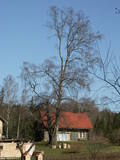 |
This is the thickest birch (Betula pendula) tree in Latvia and can be seen from the Klapkalnciems-Milzkalne road.
|
|
 |
This is a miniature zoo next to a tributary of the Ogre River, and most of it is taken up by a paddock of rabbits. Children just love the animals, as well as the hutches that were designed on the basis of the architecture of estates and castles. There are also goats, pigs, geese, peacocks, mandarin ducks and pearl hens. Children can help in feeding the animals. |
|
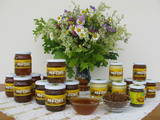 |
This farm has some 150 hives of bees which are carefully tended by beekeepers. The farm also produces nectar plats such as buckwheat, clover and phacelia. You will learn all about beekeeping and taste and purchase beekeeping products. |
|
 |
Gebaut am Ende des 18. Jh. im Stil des Frühklassizismus als der Besitz der Grafen von Mellin. Saaldekorationen vom künstlerischen Wert von K. V. Kalopka (1792) und Öfen (Ende des 19. Jh.). Ein Park. |
|
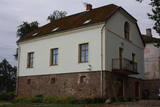 |
Krogus un Brengūža ezeru un Drustu parka ieskāvumā samērā plašā teritorijā „izmētātas” Drustu muižas ēkas. Muižas kungu māja celta 1787. g. Līdz mūsdienām dažādā stāvoklī ir saglabājusies pārvaldnieka māja (19. gs.), klēts (ar kolonnām), krejotava, brūzis, smēde, magazīna, sķūņi u.c. ēkas. Muižas Kavalieru namā ierīkots viesu nams. Interesanti, kāda izskatītos Latvijas lauku ainava, ja tajā šodien nebūtu saglabājušās muižu kompleksi, kas tiek izmantoti vēl joprojām? |
|
 1 day
|
Route meanders between a rocky seacoast richly overgrown with reeds and other grasses on one side and wooded seaside dunes on the other side. In some places, the beach is paved with small round stones, in other places you can see grey dunes with a rich variety of plants. Near Bērzciems village, there are large coastal meadows with shoals appearing far away in the sea that are suited for birdwatching. During this route, it is possible to visit the fishermen’s homestead “Dieniņas”, where you can buy local smoked fish. Also it is worth to see Engure port and Engure Evangelical Lutheran Church. |
|
 |
The Volkenberga Castle was built in the 13th century by the Livonian Order, and it was practically impregnable, as it was on top of Mākoņkalns hill. These were among the first fortifications in Latgale, and only fragments of the castle remain today. Architect Pēteris Blūms has said that this was a special type of fortification. Legends say that after the lord and lady of the castle died, the property was divided up among their three daughters – Roze, Lūcija and Marija. Each sister built a new castle on the land which she inherited – Roze built Rēzekne, Lūcija built Ludza, and Marija built Viļaka. A memorial plaque at the foot of Mākoņkalns hill recalls the visit which pre-war Latvian President Kārlis Ulmanis paid to Latgale in 1938. |
|
 11 days
|
On this tour there are the finest cultural and historical heritage left behind over the course of several centuries – medieval castles, different manors and splendid palaces. Part of the route goes through Gauja National Park with some excellent views of meadows and ancient forest, where farmsteads carry on with their unchanging lives. A picturesque road connects three castles - Sigulda, Turaida and Krimulda - situated on the high valley sides of the Gauja river. Further on, the road passes one of the oldest churches in Latvia and heads to two attractive 19th century manors at Birini and Igate. Next day, relax in luxury at Dikļi manor hotel. The tour then goes through charming medieval town Cesis with mighty castle ruins and a newer castle alomgside. The other part of the tour makes a loop formed by Zemgale's distinctive castles and palaces. It includes Jaunpils Castle, barely changed since medieval times, Dobele Castle ruins and Tervete ancient hillock. Located a short ride from each other are 15th century Bauska Castle, strategically situated between two rivers, the classically styled Mežotne Palace hotel and the most famous pearl in the Baltics - splendid baroque and rococo style Rundāle Palace surrounded by a French park. |
|
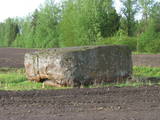 |
Rīgas - Daugavpils šosejas (A 6) 157. kilometrā skats jāpavērš Daugavas (rietumu) virzienā, kur cauri koku alejai klajā laukā 50 m attālumā no ceļa iegūlis Vaiķu akmens (7 m garš, 4,7 m plats un 1,7 m augsts). Akmens, kura tilpumu vērtē ~ 45 m³, pēc formas atgādina plakanu galdu. Nostāsti vēsta, ka to šeit atnesis velns. Kā jau šādiem akmeņiem „pienākas”, stāsta, ka te pusdienojis gan Krievijas cars Pēteris I, gan pats Napoleons. |
|
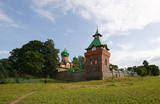 |
Pühtittsa Convent at Kuremäe was established in 1891 and is the only operating Russian Orthodox nunnery in Estonia. Centuries ago there was a sacred grove on Kuremäe hill and a sacrificial spring at its foot, the spring is considered “holy“ for its curative powers. The convent compound is open to visitors; guided tours run by nuns can be booked to learn more about the daily life of convent residents. |
|
|
|
Kartavkalnā, kur senāk atradusies seno zemgaļu apmetne, ir izveidota dabas taka ar soliņiem, piknika vietām. Šeit apskatāms arī Jaunpils Kartavu kalns un lapegļu aleja, kā arī iespējams aplūkot, kāda izskatās senlatviešu apmetne ar īstu guļbaļķu sētu.
|
|
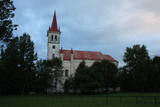 |
Meklējama Nīcgalē, starp Rīgas – Daugavpils šoseju (A 6) un Daugavas krastu. Baznīcu cēla (neogotikas stils) pēc muižnieka Henriha Plātera - Zīberga iniciatīvas 1862. - 1863. g., veltot to Jaunavas Marijas dzimšanai. Kā jau daudzas citas baznīcas, arī šī ēka un tās interjera priekšmeti cieta 1. pasaules kara laika notikumos. To atjaunoja 1922. gadā. Baznīcas iekārta ir saglabājusies no 19. gs. 60. gadiem, bet, centrālā altāra augšdaļu pārbūvēja 1957. gadā. Dažus gadus vēlāk - 1961. g. uzstādīja ērģeles. |
|
 1 day
|
Dodieties ekskursijā, lai gūtu ieskatu lauku profesijā un dzīvesveidā, kā arī iegūtu jaunus iespaidus un labu atpūtu visai klasei. Ekskursijas laikā apmeklējiet saimniecību, kuras galvenā specializācija ir piena lopkopība un graudkopība. Pēc tam izbaudiet pikniku Vilces dabas parkā, kurš ir izvietojies Vilces upītes un tās pieteku gravu krastos. Pie Vilces pilskalna atrodas Zaķu pļava – labiekārtota un iecienīta apmeklētāju atpūtas vieta. Tālāk dodieties uz maizes ceptuvi, lai iepazītos ar maizes cepšanas arodu, degustētu un iegādātos maiznīcas izstrādājumus. Ekskursijas noslēgumā apmeklējiet saimniecību, kur audzē graudaugus un kartupeļus, piedāvā apskatīt senu darba rīku un piena pārstrādes iekārtu kolekciju un praktiski darboties ar tiem. Bērni var atpūsties un pavadīt brīvo laiku atrakciju parkā. |
|
 4 days
|
Маршрут проходит по живописным природным местам Эстонии – биосферному заповеднику Моонзунда (Moonzund), национальному парку Матсалу (Matsalu) и заповеднику Вийдумяэ (Viidumäe). Маршрут включает два самых больших острова Эстонии, богатых природными и культурными памятниками – Сааремаа и Хийюмаа, - а также малые острова Муху и Касари. В маршрут включены самые интересные природные тропы (длина каждой 1-5 км), смотровые вышки и места наблюдения за птицами, биотопы, а также три поездки на пароме между островами Моонзундского архипелага. |
|
 12 days
|
The tour combines the most beautiful southern parts of the Forest Trail in Lithuania and Latvia. The route starts in Druskininkai, Lithuania, and for the next day you will walk through forests of the Dzūkija National Park. After getting to Vilnius and Kurtuvėnai Regional Park, two sections of the Forest Trail will take you from Dengtiltis to Šaukėnai. Since it is among the most forested areas of Central Lithuania, the Kurtuvėnai Regional Park with its glaciated valleys is a wonderland of forests, waters and wetlands. The Forest Trail will run along small forest paths, tourist trails, beautiful tree alleys and wetlands. Next you will take public transportation to reach the Žemaitija National Park, where you will taketwo sections of the Forest Trail from the pilgrimage town of Žemaičių Kalvarija along the lakes of Plateliai, Ilgis and Beržoras to the town of Plateliai. It is one of the most beautiful towns of Samogitia taking pride in its manor park and the viewing platform on Lake Plateliai. Žemaitija National Park takes pride in its old pine and fir forests, as well as mixed forests. From there on the Forest Trail takes you along the riverside promenade in Kuldīga, continues through the nature park “Abavas senleja” from Renda to the wine and cider town Sabile and Kandava. The section along the Abava River Valley Nature Park is the most diverse river valley in Kurzeme in terms of landscapes and terrain. The final section of the tour takes you to the Ķemeri National Park, which is an important place for the protection of wetlands. As to the town – Ķemeri – it is the former balneological and sulphur springs resort. The tour ends on the seaside – the village of Bigauņciems, from where you can easily get to Rīga. Optionally, one can take a detour along the Lake Sloka trail with its bird-watching tower or pay a visit to the “Forest House” – the visitor’s centre of the Ķemeri National Park. |
|
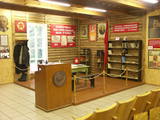 |
Das einzige Museum solches Maßstabs unter freiem Himmel im Baltikum. Gegründet in 1999. Die Ausstellungsobjekte einbezogen die monumentalen Denkmäler spiegeln die sowjetische Ideologie wieder. Ein Minizoo. |
|
 |
Here you can taste the best flavours of the beer kitchen Pihtla, traditional Saaremaa house beer, and also Saare cheese, Fresco ice-cream, apple lemonade and other local delicacies. |
|
 |
Found along
|
|
 |
Located in the Līva Hotel in Old Liepāja, the restaurant offers Latvian and global cuisine. It has an herb garden to produce ingredients for the dishes. Latvian cuisine: Low-salt herring with cottage cheese, stuffed crepes, potato pancakes, sautéed pork ribs, venison with juniper berries, roast leg of duck, roast filet of pike-perch with grits, smoked herring filet. Special foods: Smoked cod with potatoes, onions and dill in a ceramic ramekin. |
|
 |
Atrodas 1905. gada ielā 6. Sinagoga tika celta 1875. g. – Krievijas cara Aleksandra II valdīšanas laikā. Pēc 2. pasaules kara tajā atradās graudu noliktava, kinoteātris, kafejnīca un visbeidzot – naktsklubs. No 2003. gada to vairs neizmantoja. Pirms gada tika pabeigts vērienīgs projekts - sinagogas un lūgšanu nama atjaunošana, kurā izveidots sabiedrībai pieejams kultūras un informācijas centrs un pārcelta Kuldīgas novada bibliotēka. |
|


