
| No | Name | Description |
|---|---|---|
 |
Viens no jaunākajiem Latvijā celtajiem mūra tiltiem. Tā akmens margas ir barona Karla fon Manteifeļa dāvinājums (celts 1907. gadā) Aizputei. Tilta ziemeļu puses margās ir iemūrēta granīta plāksne ar Manteifeļu dzimtas ģerboni, kas ir vāji izšķirams. |
|
 11 days
|
To start the tour you take a train from Riga to Liepaja, a city with white sandy beaches and a lively cafe culture. The route goes through suburbs of Liepaja to the former millitary town where you see the Orthodox cathederal, old naval fortifications, former barracks and an imposing military prison which is now a tourism site. Pavilosta is a small seaside town and a favourite with windsurfers. Next the route follows the picturesque coastline, including steep banks at Jurkalne and finishes at the well-maintained town of Ventspils. Then along to fishing villages that are home to the tiny Finno-Ugric ethnic group, the Livs. At Cape Kolka the Baltic Sea meets the Gulf of Riga. Here, sampling the local smoked fish is a must. Further on, the route crosses three different types of sea shore – the stony beach at Kaltene, a sandy one at Upesgriva and coastal meadows at Engure. Finish with the trails at Kemeri National Park and return to Riga from the popular resort town of Jūrmala. |
|
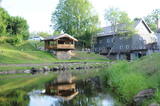 |
An old farm near the river, where water mills have been operating since 1851. |
|
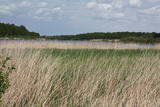 |
The main “treasure” in this restricted area is the shallow and eutrophic lake, which is home to many important birds. The lake and its flood-land meadows also feature many different plants. The Svētupe River flows from the northern part of the lake.
|
|
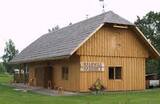 |
The carpenter’s workshop offers special excursions and events for grown-ups and children; there are some thematical programmes available. Under the guidance of a craftsman it is possible to work with traditional wood-working tools and get to know ancient games. In the end you will have a chance to try special „strengthening” tea and have a picnic in a romantic Bonfire house. It is possible to buy wooden souvenirs as well as order them. |
|
 |
Atrodas Rīgas – Daugavpils autoceļa (A 6) 118. kilometrā. |
|
 |
The cafe Kolumbine is situated in the suburb of Talsi city, about 1,5 km away from the centre. |
|
 1 day
|
Dodieties ekskursijā, lai gūtu ieskatu lauku profesijā un dzīvesveidā, kā arī iegūtu jaunus iespaidus un labu atpūtu visai klasei. Ekskursijas laikā apmeklējiet maizes ceptuvi, kurā pielieto no seniem laikiem izkoptās meistaru zināšanas un prasmes. Te var doties ekskursijā, veidot un cept maizes kukulīti. Pēc tam apmeklējiet atpūtas kompleksu, kur iespējams gan ieturēt maltīti, gan izstaigāt baskāju taku. Ekskursijas noslēgumā dodieties uz kazu saimniecību, lai noklausītos saimnieka atraktīvo stāstījumu par kazu audzēšanu un piena produktu (piens, siers, kefīrs) ražošanu. |
|
 |
Plašajā piedzīvojumu un atpūtas parkā ir iespējams piedalīties elpu aizraujošās aktivitātēs. Piedzīvojumu parkā "Supervāvere" visiem aktīvās atpūtas cienītājiem ir iespēja izmēģināt vairāk kā 60 atrakcijas: augstu un zemu kokos izvietoti dažādi virvju ceļi, pārejas un šķēršļi, kā arī ierīkoti nobraucieni pa trosēm. Laižoties pa garākajiem šāda veida nobraucieniem Latvijā gar ausīm svilpo vejš un acīm paveras lielisks skats uz Gaujas senlejas koku galotnēm. Tāpat ir iespējams doties Gaujas upē - ar plostiem, raftiem, kanoe vai piepūšamajām laivām. Gaujas krastā atrodas arī Ozolkalna kempings ar 6 mājīgiem mazajiem namiņiem. Katrā ir divas istabas ar kopīgu sanitāro mezglu. Namiņos iespējams izguldīt 4 – 5 personas. Tie ir apsildāmi, visas gultas ir saklātas, katram viesim ir dvieļu komplekts, iespēja uzvārīt tēju namiņā, pieejams grils, koplietošanas virtuve, bezmaksas WiFi. Ozolkalns arī piedāvā vietu pasākumiem kempinga teritorijā un kopā ar sadarbības partneriem palīdzēs noorganizēt uzņēmuma āra pasākumus.
|
|
 |
Winner of the first bakery contest in baking rye bread according to a traditional recipe using wholegrain rye-flour milled in Sangaste Mill. |
|
 |
Atrodas pie Jēkabpils – Rēzeknes autoceļa (A 12), - autostāvlaukuma malā. No torņa redzama samērā plaša Teiču purva daļa ar atsevišķām salām (kokiem apauguši paaugstinājumi) augstā purva ainavā. Teiču purvam ir dabas rezervāta statuss, tādēļ apmeklējams ir tikai tornis. |
|
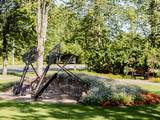 |
Parkā blakus pusloka tiltiņam ir novietotas trīs milzīgas dzelzs atslēgas, kuras balsta akmens mūris un metāla arkas. Tās simbolizē trīs vēsturiskos centrus un to vienotību – Siguldu, Turaidu, Krimuldu. Dobēs pie šī objekta sezonāli zied dažādi kultūraugi. |
|
 |
Delicious, home-made canned food and other culinary specialities for everyone who appreciates local products. Local cuisine is served and canned food can also be purchased. |
|
 |
Die größte Bernsteinausstellung im Baltikum (seit 1963) mit Bernsteineinschlüssen. Ist die Bedeutung des Bernsteins in der Geschichte des baltischen Völkern wiedergespiegelt. Das Museum ist in einem dem Grafen Tyszkiewicz (1865 – 1932) gehörteten Schloss (gebaut 1897) eingerichtet. |
|
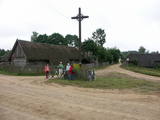 |
Ein der ethnografischen Dörfer in Dzūkija mit Holzgebäuden und Kruzifix. |
|
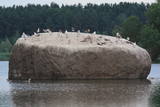 |
The Radžu stone is located to the South of Jēkabpils and at the north-eastern part of the Radžu sand and gravel quarry (the Radžu reservoir). The stone is the second largest rock in Latvia with a size of nearly 100 m3. At one edge of the quarry is the Jēkabpils Forest Park, which is popular among residents and their guests for leisure, hiking and sports. The beach of the reservoir was granted the Blue Flag in 2012. |
|
 |
The restaurant is alongside the Salacgrīva Tourism Information Centre, in an historical ice cellar for fish. The interior design is based on seamanship. Latvian cuisine: Cold beet soup, sea fish soup, fish and vegetable casserole, chocolate sausage, pancakes with strawberry jam, kvass. Special foods: Baked and grilled fish – perch, plaice, pike-perch. |
|
 |
This farm keeps Thuringian breed goats and makes goat's milk cheese, as well as a various snacks. In addition, herbs and medicinal plants used for teas and natural cosmetics are also grown here. |
|
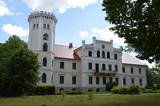 |
Skaistā ēka atrodas Lizuma centrā. Lizuma muižas īpašumi piederējuši dažādām dzimtām – vācbaltiešiem Tīzenhauzeniem, Malamiem un Volfiem. 1836. g. muižu iegādājas barons Otto Gotlībs fon Volfs, kura laikā muižas pils iegūst tagadējo veidolu – Tjudoru neogotikas stilu ar poligonālu torni. Jau no 1937. g. pilī izvietojusies Lizuma skola, kas ir viens no iemesliem, kādēļ saglabājusies ne tikai pati ēka, bet arī atsevišķi interjera elementi kāpņu telpā, Zilajā (Mednieku) zālē u.c. Pili ieskauj parks, kur atrodas muižas saimniecības ēkas – mūra klēts (te kultūras nams), 1876. g. celtais zirgu stallis (sporta halle), kalpu un dārznieka namiņš u.c. Bijušajā spirta brūzī ražo Gotiņas konfektes. Pils tornī izveidots Lizuma vidusskolas veidotais novadpētniecības muzejs. |
|
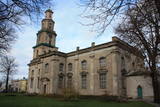 |
The church was built between 1742 and 1578 after a design by J.K. Dorn and for the needs of the local German congregation. The 55 metre steeple was completed only in 1866. The façade and interior of the church are in the style of late Baroque and Classicism (with elegant Rococo elements inside the church). The church is known for the organ that was built by H.A. Koncius between 1773 and 1780. Since a reconstruction in 1885, the instrument has more than 7,000 pipes, 131 registers and four manuals. It is suggested that it is the largest mechanical organ in the world, and its sound is just wonderful. Visitors can visit the church, examine the organ and climb the steeple. |
|


