Skatu vietas
Scenic road sections, views of hills, mounds, river valleys or seashore.
| Pārskats | Detaļas |
|---|---|
 |
Latvija
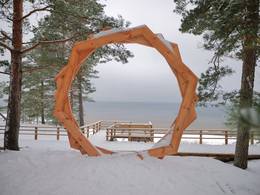
"Saulrieta vērotājs"Saulkrastos netālu no Baltās Kāpas un Saulrieta takas posmā no Bērzu ielas līdz Selgas ielai gar jūru izbūvēts jauns pastaigu takas posms un izveidots vides objekts “Saulrieta vērotājs”. Tas ir foto objekts, kur jaunlaulātie un ikviens Saulkrastu iedzīvotājs, viesis var iemūžināt atmiņas Saulkrastiem tik raksturīgajā saules simbolā. 

 42  1-12 Pakalpojumi
42km - Attālums no valsts galvaspilsētas
1-12 Aktīvie sezonas mēneši |
 |
Latvija
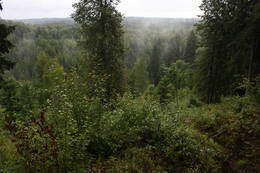
Skatu vieta KrievkalnosKrievkalnu augstākajā punktā (149 m v.j.l.) ir izveidota labiekārtota atpūtas vieta, no kuras paveras iespaidīgs skats austrumu virzienā.
1-12
Pakalpojumi
1-12 Aktīvie sezonas mēneši |
 |
Latvija
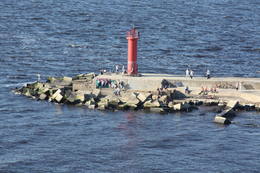
Daugavas Austrumu molsLai mazinātu upes grīvas aizsērēšanu un regulētu tecējumu, 19. gs. vidū tika uzcelts Austrumu mols – 980 m garumā. Tā pamatu veido koka pāļu konstrukcija, kas nosegta ar akmeņiem. 2,2 km garais mols mūsdienās ir atjaunots un kalpo kā iecienīta pastaigu, atpūtas un makšķerēšanas vieta visos gadalaikos. No mola var vērot putnus, paretam var laimēties redzēt arī kādu roni. Mola sākumā apskatāmi 2 laukakmeņi, kuros iekaltais teksts vēstī, ka šo būvi apmeklējuši Krievijas imperators Aleksandrs II (1856. g.) un troņmantnieks Nikolajs Aleksandrovičs (1860. g.). Šis fakts izceļ Rīgas ostas nozīmīgumu tā laika Baltijas jūras tirdzniecības ceļu kontekstā. 1-12
Pakalpojumi
1-12 Aktīvie sezonas mēneši |
 |
Latvija
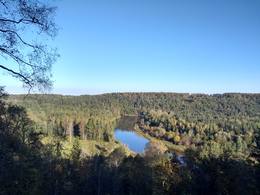
ĶeizarskatsGaujas kreisajā krastā iepretim Piķenes kraujai slejas varenā Beites krauja, kuru pāršķeļ dziļa strauta grava. Tās rietumu pusē meklējams Ķeizarskats, kas atrodas ~ 67 m virs Gaujas līmeņa ar labu skatu perspektīvu uz Krimuldu un Turaidas pili. Šeit skatu vieta bija iekārtota jau 1862. g. kad Siguldā viesojies Krievijas cars Aleksandrs II. Lai tur nokļūtu, ir jāpārvar pieminētā grava (koka kāpnes un meža takas), vai arī jāapiet tai apkārt pa Laurenču, Kalna un Gulbju ielām. 60
Pakalpojumi
60km - Attālums no valsts galvaspilsētas |
 |
Latvija
Bākūžu kalnsLielpaugurā ir vairākas augstākās vietas – Laktas kalns (250 m v.j.l.), Egļu kalns (268 m v.j.l.) un Bākūžu kalns (272 m v.j.l.). Tos savieno zemes ceļš, kuru vērts izstaigāt un pameklēt interesantus skatu punktus. Ļoti labs skats uz Vidzeme augstienes pauguru mugurām paveras no Laktas kalna ziemeļu nogāzes.
 1-12 Pakalpojumi
1-12 Aktīvie sezonas mēneši |
 |
Latvija
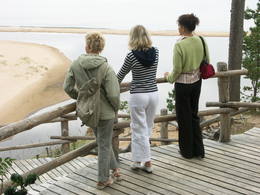
Skatu laukums Baltajā kāpāPie Inčupes ietekas paceļas ap 18 m augstā Baltā kāpa – Vidzemes piekrastes ainaviskākais vēja, smilšu un jūras veidojums. Kāpas apskates un aizsardzības nolūkā izveidota laipu taka (Saulrieta taka) ar skatu laukumu. Teritorija dienvidos no Inčupes atrodas Piejūras dabas parkā.
|
 |
Latvija
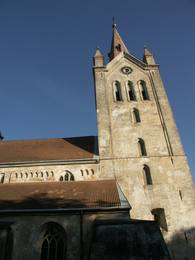
Skatu vietas CēsīsNo Cēsu Sv. Jāņa luterāņu baznīcas (viena no senākajām Vidzemes mūra celtnēm) torņa paveras plašs skats uz Cēsu vēsturisko centru un plašu apkārtni (līdz pat Zilamkalnam). Savukārt, no Cēsu pilsdrupu (viens no spēcīgākajiem Livonijas ordeņa cietokšņiem Baltijā) Rietumu torņa var baudīt skatus uz Pils parku.
90
1-12
Pakalpojumi
90km - Attālums no valsts galvaspilsētas
1-12 Aktīvie sezonas mēneši |
 |
Latvija
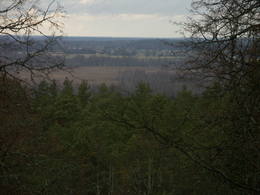
ZilaiskalnsNo teikām un nostāstiem apvītā stāvā paugura (ap 66 m virs tuvākās apkārtnes) dienvidu nogāzes skatu stigas paveras skats uz Burtnieku līdzenumu. Tornis nav publiski pieejams.
 107
1-12 Pakalpojumi
107km - Attālums no valsts galvaspilsētas
1-12 Aktīvie sezonas mēneši |
 |
Latvija
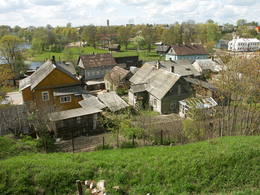
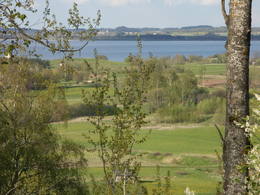
Ludzas pilskalnsNo Ludzas pilskalna paveras viens no interesantākajiem Latgales skatiem uz vecāko Latvijas pilsētu un tās vēsturisko centru, Lielo un Mazo Ludzas ezeru, Livonijas ordeņa pilsdrupām, Baznīckalnu, dievnamiem. Novadpētniecības muzeju, Amatnieku centru u.c. objektiem.
267
1-12
Pakalpojumi
267km - Attālums no valsts galvaspilsētas
1-12 Aktīvie sezonas mēneši |
 |
Latvija
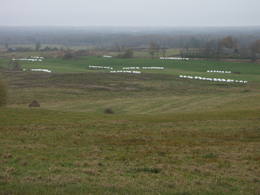
Mākoņkalns (Volkenbergas, Padebešu kalns)Viens no populārākajiem Latgales tūrisma objektiem. No lielpaugura plakanās virsotnes (247 m vjl, ap 60 m virs tuvākā apkārtnes) paveras viena no skaistākajām Latgales ainavām un redzams 2 km attālais Rāznas ezers. Mākoņkalnā atradās 13. gs. celtā un praktiski neieņemamā Livonijas ordeņa Volkenbergas pils, - viens no pirmajiem Latgales nocietinājumiem, no kuras līdz mūsdienām saglabājušies tikai pils mūra fragmenti. Mākoņkalna pakājē atklāta piemiņas plāksne, kas vēsta par Latvijas pirmās brīvvalsts prezidenta Kārļa Ulmaņa Latgales apmeklējumu 1938. gadā. 281
1-12
Pakalpojumi
281km - Attālums no valsts galvaspilsētas
1-12 Aktīvie sezonas mēneši |
 |
Latvija
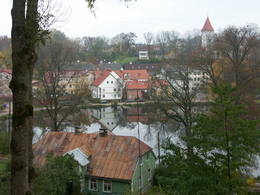
Elkas kalnsNo Elkas kalna (viens no augstākajiem Vidzemes augstienes rietumdaļas punktiem) paveras plašs un skaists skats ziemeļu virzienā. Te neliels stāvlaukums, retranslācijas tornis un iedomātais Gaujas sākums.
1-12
Pakalpojumi
1-12 Aktīvie sezonas mēneši |
 |
Latvija
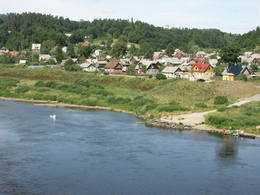
Skatu vietas TalsosTalsus tēlaini sauc par deviņu pakalnu pilsētu, tādēļ vērts izstaigāt šo skaisto pilsētu ar kājām. Skaistākie skati pavērsies no Talsu pilskalna (uz Talsu ezeru, Ķēniņkalnu), Sauleskalna (Talsu ezeru, pilskalnu, Ķēniņkalnu) un Ķēniņkalna pastaigu takām (uz Talsu ezeru, pilskalnu un pilsētas vēsturisko centru).
119
1-12
Pakalpojumi
119km - Attālums no valsts galvaspilsētas
1-12 Aktīvie sezonas mēneši |
 |
Latvija
Skatu vietas KrāslavāVisaptverošs skats uz Daugavas ielejas pilsētainavu paveras no stāvlaukuma, kas atrodas Augusta ielas sākumā pie Krāslavas robežas. Savdabīgo koka namu apbūvi no tuvāka skatu punkta (Kaplavas ielas rajons) var vērot no tilta pāri Daugavai. Jāuzkāpj arī Karņicka kalnā un jāizstaigā Grāfu Plāteru parks, no kura pavērsies lokālāki skatu punkti.
1-12
Pakalpojumi
1-12 Aktīvie sezonas mēneši |
 |
Latvija
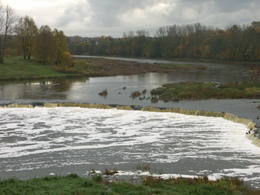
Skati uz Ventas rumbuNo nesen atjaunotā Vecā ķieģeļu tilta un skatu laukuma, kas atrodas Ventas kreisajā krastā aiz Pils sarga namiņa paveras ļoti skaists skats uz Latvijas platāko un iespaidīgāko ūdenskritumu – Ventas rumbu. Te vērts atbraukt pavasara palu un vimbu migrāciju laikā.
153
1-12
Pakalpojumi
153km - Attālums no valsts galvaspilsētas
1-12 Aktīvie sezonas mēneši |
 |
Latvija
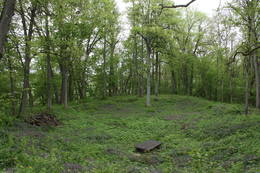
Vīna kalns MežotnēAptuveni 0,5 km dienvidos no Mežotnes pilskalna atrodas Vīna kalns, kas līdzīgi kā Mežotnes pilskalns, ir veidots, izmantojot Lielupes ielejas stāvās krastu nogāzes, tās pārveidojot. Vietvārds ir it kā radies no stāsta, ka šeit parādījies dievgalds ar maizi un vīnu. Vīna kalnu ar Mežotnes pilskalnu savieno jauka koka laipa, kas ved pa Lielupes ielejas pamatkrasta lejas daļu. 74
Pakalpojumi
74km - Attālums no valsts galvaspilsētas |
 |
Latvija
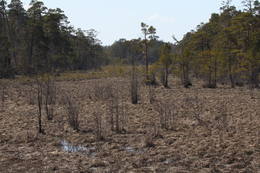
Kangaru - vigu ainavaKurzemes pussalas (t.sk. Slīteres nacionālā parka teritorijā) piekrastes posmā no Melnsila un Kolkas līdz Ovišiem un Liepenei plešas Latvijā unikālā un Eiropā lielākā kangaru un vigu ainava. To vislabāk var iepazīt, izejot Pēterezera dabas taku. Kangarus un vigas redzēsim arī citur – piekrastes ciemu apkārtnē, vietā, kur Kukšupes vigu (viena no lielākajām, stiepjas ~ 8 km garumā) šķērso Ventspils – Kolkas autoceļš, Apakšceļa tuvumā u.c. Tikai tos jāmāk ieraudzīt un dabā atpazīt. 178
Pakalpojumi
178km - Attālums no valsts galvaspilsētas |
 |
Latvija
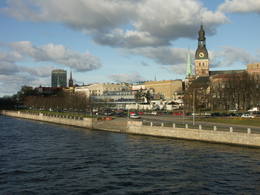
Vecrīgas skatiKlasiskais Vecrīgas siluets baudāms no vairākām vietām: Mūkusalas ielas (starp Dzelzceļa un Akmens tiltu), Akmens tilta, A – B dambja, atpūtas vietas pie Hansabankas centrālā biroja, Vanšu tilta un Balasta dambja Ķīpsalā. Savienojot šīs vietas sanāks labs kājnieku vai velomaršruts. Savādāki skati pavērsies no kuģīšiem, kas sezonas laikā kursē pa Daugavu.
1-12
Pakalpojumi
1-12 Aktīvie sezonas mēneši |
 |
Latvija
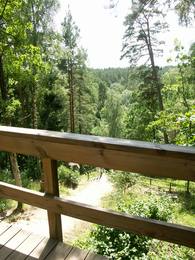
Incēnu pilskalnsViens no ainaviski izteiksmīgākajiem Latvijas pilskalniem ar ļoti labu skatu uz plašu apkārtni līdz pat Lietuvai. Pēc Latvijas pilskalnu pētnieka E. Brastiņa domām šeit atradusies zemgaļu Sidrabenes pils. Nelabiekārtots.
1-12
Pakalpojumi
1-12 Aktīvie sezonas mēneši |
 |
Latvija
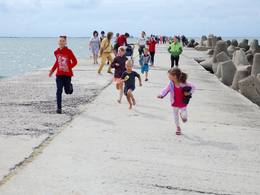
Liepājas Ziemeļu molsLiepājas Ziemeļu mols, kas atrodas Karostā, ir ne tikai lieliska pastaigu, bet arī jūras vērošanas vieta. Dienvidos no tā paveras labs skats uz Liepājas brīvostu, to ieskaujošo molu sistēmu, austrumos – unikālo Karostu, bet ziemeļos – uz fortu paliekām jūrā. Lieliska Baltijas jūras vētru vērošanas (uzmanīgi, ievērojot drošību! Mola virsma stipri cietusi!) vieta.
215
1-12
Pakalpojumi
215km - Attālums no valsts galvaspilsētas
1-12 Aktīvie sezonas mēneši |
 |
Latvija
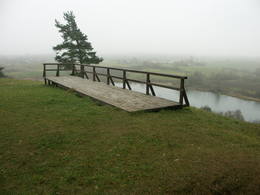
Lubānes pilskalnsAtrodas Dagdas dienvidrietumu daļā, 100 m no Daugavpils ielas. Viens no retajiem Latvijas pilskalniem, uz kura plakuma uzbūvēta skatu platforma. No tās paveras plašāka ainava uz Luboneņa ezeru un tuvāko apkaimi. 269
1-12
Pakalpojumi
269km - Attālums no valsts galvaspilsētas
1-12 Aktīvie sezonas mēneši |
 |
Latvija
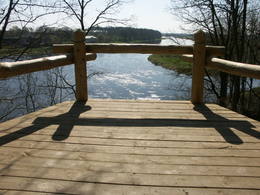
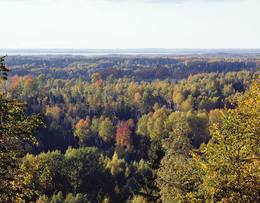
The Mezotne castle hillThe Mežotne castle hill is on the left bank of the Lielupe River and opposite the Mežotne Castle. This was one of the largest Semigalian fortified castle hills during the 9th to the 13th century, and an ancient town alongside the hill covered 13 ha of land. The castle hill has been improved. A pontoon bridge across the Lielupe allows hikers and bikers to reach the castle (between May and October). Vīna Hill is approximately 500 m to the South of the castle hill, and a wooden pathway leads to it.  66
1-12 Services
66km - Distance from countries capital city
1-12 Active season months |
 |
Latvia
Great Liepukalns HillThis is the highest point in the Latgale highlands (289 metres above sea level), opening up a narrow but lovely view of Lake Rāzna and the massive forests of the highlands. You really should visit this hill when the sun is setting beautifully!
283
1-12
Services
283km - Distance from countries capital city
1-12 Active season months |
 |
Latvia
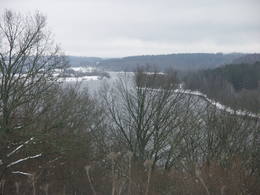
The Druskas castle hillThis is a view worth a journey from a distance. This is an impressive terrain for Latvia, and here you will see as far as the Hanja highlands of Estonia, where the Great Munameģis Hill – the highest surface in the Baltic States – can be found.
1-12
Services
1-12 Active season months |
 |
Latvia
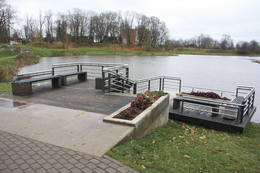
Views of the Daugava River valleyAt the Aizkraukle Lutheran church along the upper part of the shores of the ancient Daugava River valley, there is a bit of an old road from which one of the most beautiful views of the central section of the river can be seen, particularly when the trees are bare. Approximately one kilometre to the North-west is the Aizkraukle castle hill, which offers a no less impressive view.
1-12
Services
1-12 Active season months |
 |
Latvia
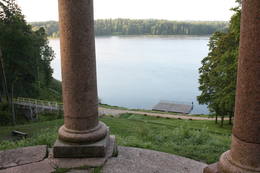
Grobinas promenade „Senais juras krasts”Gar Grobiņas ūdenskrātuvi (Ālandes labais krasts) izveidota mūsdienīga un labiekārtota pastaigu un atpūtas vieta - promenāde, uz kuras izvietotas plāksnes ar Zentas Mauriņas un Jāņa Raiņa citātiem. No promenādes paveras labi skatu punkti uz Skābaržkalnu un Grobiņas pilsdrupām. Grobiņas ūdenskrātuves sašaurinājumā pāri Ālandei ved neliels tiltiņš, kas ir bijušā Liepājas – Aizputes šaursliežu dzelzceļa tilta ferma. 206
Services
206km - Distance from countries capital city |
 |
Latvia
Viewing areas in AluksneThese are beautiful and impressive views, particularly early in the morning, of the historical locations of Alūksne. Go to Templis Hill, the Aleksandrs Pavilion, the obelisk which commemorates Heinrich von Fittinghoff, and the memorial to soldiers of the No. 7 Sigulda Brigade for good views. The Templis Hill, the castle ruins, the estate and the pavilions are arhitectural monuments.
200
1-12
Services
200km - Distance from countries capital city
1-12 Active season months |
 |
Latvia
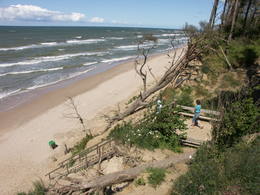
The view from the steep shore of the Baltic SeaAt Jūrkalne, there is a small viewing area on the steep shore which offers a magnificent view. At the foot of the shore, which can be accessed via a set of steps, the view is no less wonderful. It is worth hiking along the entire shore from Pāvilosta to Sārnate (approximately 30 kilometres).
200
1-12
Services
200km - Distance from countries capital city
1-12 Active season months |
 |
Latvia
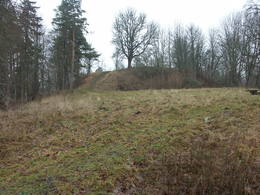
Viewing areas near the Buse castle hillThe Buse (Matkule) castle hill is near the Imula River. From the castle hill and from the opposite shore of the river, you can find one of the loveliest views of Kurzeme’s small rivers. Their appearance is best when trees and other flora are bare and the view is unimpeded. A wonderful view of the Imula valley is also seen on the road to the castle hill – near the Buse homestead.
1-12
Services
1-12 Active season months |
 |
Latvia
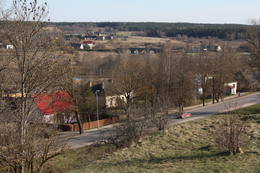
Viewing areas in KandavaWe recommend that you walk through the town of Kandava not only to enjoy the charm of a small town, but also to find fantastic viewing locations where you can see the town and the shores of the ancient Abava River valley from the Kurši (Ancestor) castle hill, Lielā Street, the Bruņinieki castle hill and Zīļu Street (School Hill), as well as from the area of the Ozolāji open-air stage.
95
1-12
Services
95km - Distance from countries capital city
1-12 Active season months |
 |
Latvia
ZINATNU AKADEMIJAS SKATU LAUKUMSViena no augstākajām Latvijas celtnēm ar vienu no augstākajiem skatu laukumiem (65 m). Paveras izcila Vecrīgas un Rīgas ainava, kā arī Daugavas (līdz Rīgas HES dambim) un Pārdaugavas skati. Labi redzami blakus esošie Rīgas centrāltirgus paviljoni. |
 |
Latvia
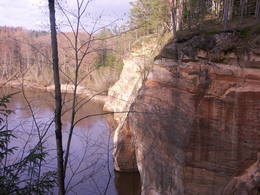
The Ergli cliffsThe viewing area on the Ērgļi (Ērģeles) cliffs offers an impressive view of Latvia’s most monolith sandstone cliffs (up to 22 metres high) – this is the highest location in the Gauja River valley. Please be very careful and don’t go anywhere near the edge of the cliff!
1-12
Services
1-12 Active season months |
 |
Latvia
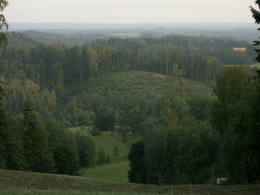
Delinkalns HillFrom the highest point in the Alūksne highlands, you will see an unusually beautiful view of the surrounding forested hillocks and the small areas of meadows and farmland. Sadly, there are no improvements to the location, which can be difficult to access. It is on private property.
1-12
Services
1-12 Active season months |
 |
Latvia
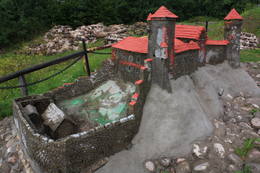
The Naujene castle hillThe Naujene castle hill is on the steep bank of the Daugava River, is up to 25 metres high and has two valleys on its sides. Between 1275 and 1277, the master of the Livonian Order, Ernst von Ratzenburg, organised the construction of a brick castle to replace a Lettigalian wooden castle that had stood there before. The castle had a drawbridge and an external and internal forecastle. Until the middle part of the 16th century, the castle was the residence of one of the top officials in Dünaburg. The forces of Ivan the Terrible sacked the castle in 1577, after which the location lost its strategic importance. New fortifications were built in the location that is now the city of Daugavpils. Alongside the ruins of the castle is a miniature model that helps to imagine the appearance of the location many centuries ago. A well-appointed pathway leads from the car park to the castle hill. The hill offers one of the loveliest views of the curvy Daugava River and its surrounding nature park.
235
1-12
Services
235km - Distance from countries capital city
1-12 Active season months |
 |
Latvia
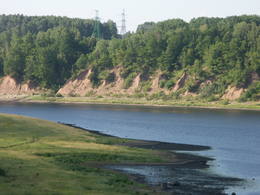
A view from the dam of the hydroelectric power plant at PlavinasIn Aizkraukle, drive down Enerģētiķu Street to the Selonian side (there will be small “pockets” at the side of the road) to see one of the best views of the Daugava River valley, reminding us of what this fateful river was like before the power plant was built. You will see that the river has eroded the steep cliffs on the right bank. The further part of the valley is part of the Daugava Nature Park.
1-12
Services
1-12 Active season months |
 |
Latvia
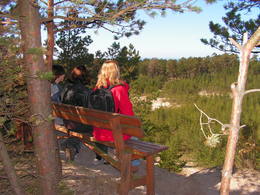
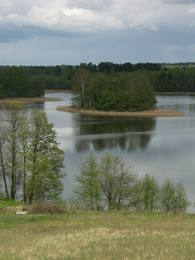
The Pusenu HillOne of the highest dunes in Latvia, located between Bernāti and Jūrmalciems villages. It is 37m high and offers a magnificent view of the sea and natural pine forests. The highest dunes in Latvia stand to the South of Jūrmalciems village: the Pūsēnu hill, the Ķupu hill, the Mietragkalns or Tiesas hill, the Pāļu hill, the Garais hill, the Ātrais hill, the Lāvas hill. The Pūsēnu dune is the highest of these dunes which are all called hills by the local people. The Pūsēnu hill developed between 1785 to 1835 when shifting sand became extremely dangerous. Several homesteads were buried in sand, among them „Pūsēni”, where a forester’s family lived. The family is said to have moved to Bārta. The dune was named after the buried homestead. Jēkabs Janševskis, a Latvian writer, wrote in his book „Nīca”: “In olden times, large pine trees were growing in the dunes on the coast of Nīca and they stood steady and firm. But i Swedish times (around 1650), the Swedes built a large kiln for charcoal and tar. Pine wood and stumps provided an excellent material for this. Once a big fire rose, and the charcoal kiln burned down as well as the whole pine forest. The remaining stumps and bare trunks in the vast burnout could not hold the storm-driven sand; it flew further and further burying not only the burned-out forest, but also the nearest fields. In wintertime, when the vast, low marshy grasslands were covered with ice, jets of sand drifted further over its surface, and soon most of the grasslands and large meadows turned into sandy heath-land and dunes.” To reconstruct Liepāja, severely damaged during WWII, a silicate brick factory was built in the town. The main raw material was white sand and it was taken from the Bernātu forest. In the 1960-ies they started to dig off the Green Dune and the White Dune, later also the Pūsēnu hill. The excavators used to work day and night, in three shifts. The work stopped at around 1980, as there was no more sand suitable for production of brick. A trail is set up to facilitate walking in the Pūsēnu Dune in the Bernātu Nature Park.
232
1-12
Services
232km - Distance from countries capital city
1-12 Active season months |
 |
Latvia
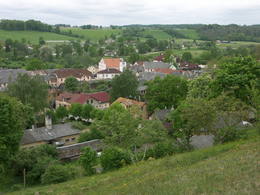
Views of VecslabadaIn Vecslabada, there is a peninsula among Lake Dziļezers, Lake Audzeļi, and Lake Istra. From the highest point on the peninsula, you will see a truly unusual view of the land of the blue lakes – lake islands, as well as the village of Vecslabada with its church towers. The Lake Istra nature reserve is nearby.
318
1-12
Services
318km - Distance from countries capital city
1-12 Active season months |
 |
Latvia
The Wine Hill of SabileThe Wine Hill of Sabile has been known since the age of the Duchy of Courland as the northernmost place where grapes were grown to produce more or less sour wine for the duchy. A wine festival has been held each year during the latter half of July in Sabile since 1999. The hill offers an excellent view of the small town that is on the banks of the ancient Abava River Valley.
109
1-12
Services
109km - Distance from countries capital city
1-12 Active season months |
 |
Latvia
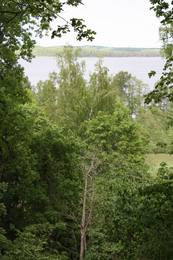
Daugavas aizsargdambji JekabpiliDaugavas aizsargdambju būvniecību Jēkabpilī uzsāka pēc 1981. gada lielajiem paliem, kad ūdens līmenis pārsniedza kritisko - 6,3 m atzīmi un pakāpās līdz rādījumam „8,7 metri”. Šo plūdu laikā puse pilsētas klāja Daugavas ūdeņi. 2011. gada vasarā notika plašāki dambja atjaunošanas un labiekārtošanas darbi. Pie tā uzstādīja laternas, soliņus, izveidoja pastaigu promenādi un piemiņas zīmi Daugavas kreisajā krastā, kas parāda maksimālo plūdu līmeni. Uz aizsargdambja Daugavas labajā krastā ir izvietoti informatīvie stendi, kur var uzzināt daudz interesantus faktus par pilsētas vēsturi. Dambji ir piemērota vieta, kur fotografēt vai gleznot pilsētas ainavas. 137
Services
137km - Distance from countries capital city |
 |
Latvia
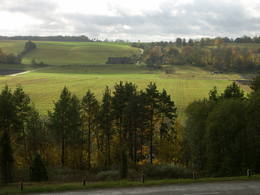
The Augstroze castle hillThis is not a well known castle hill, but it offers one of the most unusual views of Lake Lielezers of Augstroze. There are ruins on the castle hill, and a short hiking trail has been installed to look at them. This is part of the ZBR.
1-12
Services
1-12 Active season months |
 |
Latvia
A viewing area on Greili HillAs you travel from Kandava to Sabile, you will find a parking lot on the right side of the road. From there, there are steps to a viewing area on the highest hill in the Abava Ancient River Valley – Greiļi Hill. This offers a wonderful view of the ancient river valley and the local mosaic of meadows and forests. The landscape is enriched by the Imula and Amula valleys that are on the other side of the ancient river valley.
1-12
Services
1-12 Active season months |
 |
Latvia
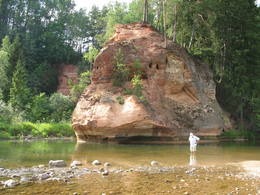
The Zvarte cliffThis is one of the most beautiful and popular tourism locations in Vidzeme. The cliff is 45 metres high, and the height of the lovely open-faced portion is around 20 metres high. You can look at the wide and deep Amata River valley and its forested banks.
83
1-12
Services
83km - Distance from countries capital city
1-12 Active season months |
 |
Latvia
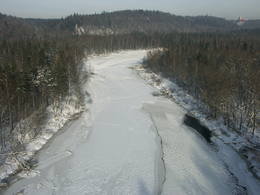
Viewing locations in SiguldaThe impressive Gauja River valley and its best natural and cultural landscapes can be seen from Paradīze (Gleznotāji) Hill, the Sigulda castle ruins, the aerial tram, the Ferris wheel, the Ziediņi and Pilsēta ski trails, the area of the bobsled and sledding trail, Ķeizarskats, the viewing area of the Velnala cliffs, the mountain bike route of Sigulda (on the right bank of the Gauja, particularly when the trees are bare), the area of the Krimulda castle ruins, Dainu Hill, and the Turaida castle tower.
53
1-12
Services
53km - Distance from countries capital city
1-12 Active season months |
 |
Latvia
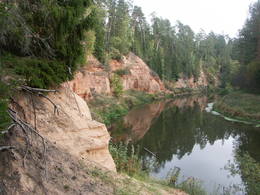
The Nelkes cliffsThe Neļķes cliffs are in Skaņākalns Park, and they offer the most beautiful view of the Salaka River valley, with its sandstone cliffs and peaceful river. There are good views from the “devil’s pulpit.” It’s worth visiting the Skaņamkalns Hill to check out the views from the famous echo cliff. This is part of the ZBR.
1-12
Services
1-12 Active season months |
 |
Latvia
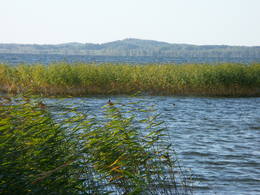
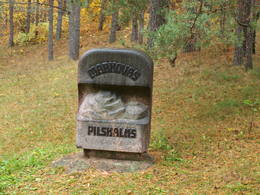
Folvarkova-VilkakrogsA beautiful part of the Rēzekne-Dagda-Krāslava road – along two km or so, you can see Lake Rāzna and Mākoņkalns hill, which is 10 km away on the other shore of the lake. 270
Services
270km - Distance from countries capital city |
 |
Latvia
The Markova castle hillFrom the Markova castle hill, which you will access from the local information trial, you will see a view of the Daugavsargi curve of the Daugava. Further along, you will reach the open shore of the Daugava to see one of the most unique landscapes of Latvia’s river valleys. The Slutišķi village of Old Believers and the mighty Slutišķi cliff will be in the background.
245
1-12
Services
245km - Distance from countries capital city
1-12 Active season months |
 |
Latvia
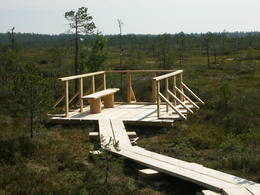
A viewing area at the Planci swampAt the end of a wooden footpath in the Planči swamp is a viewing area and place for leisure. This is the place where you can enjoy landscapes of the high-type swamp and breathe the unusual air of the swamp. This is the only outdoor infrastructure object in Latvia with information posted in Braille. It is in the ZBR.
1-12
Services
1-12 Active season months |
 |
Latvia
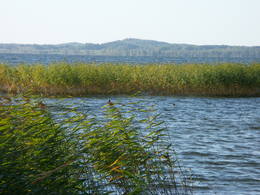
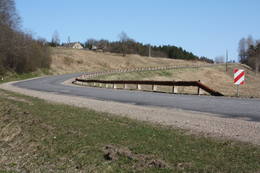
A lovely road along Lake RaznaThe eastern, southern and western shores of Lake Rāzna have roads which offer many lovely and unusual views of Latvia’s second largest lake and its surrounding landscape. Particularly lovely is the road between Foļvarkova and Vilkakrogs, which is part of the Rēzekne-Ezernieki road.
1-12
Services
1-12 Active season months |
 |
Latvia
Other viewing areas in and around SabileBeautiful views are accessible from the Sabile castle hill (steps, a location for relaxation), Upurkalns Hill (no improvements) and Briņķpedvāle, which part of the Pedvāle Open-Air Art Museum. There are also the Drubaži nature trails. The road between Kandava and Sabile which runs along the right bank of the Abava and the Aizdzire-Kalnmuiža road which runs on the left bank of the Abava also offer beautiful landscapes.
1-12
Services
1-12 Active season months |
 |
Latvia
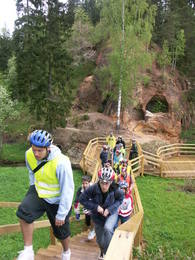
A viewing area at the Lustuzis cliffIn the centre of Līgatne, on the right bank on the rapid Līgatne River, there is a viewing plan which offers a close-up look at one of the most impressive sandstone cliffs which rise above it – the Lustūzis cliff. There are artificial caves in the wall of the cliff, which locals use as cellars and as places to store their property.
1-12
Services
1-12 Active season months |
 |
Latvia
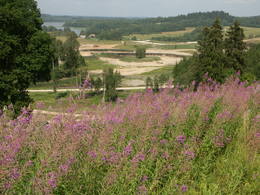
BAKANo ūdens tūrisma attīstības centra „Bāka” skatu laukuma, kas atrodas Lubāna ezera ziemeļdaļā pie V 560 autoceļa, paveras viens no labākajiem Lubānas ezera skatiem. Redzams milzīgais Latvijas lielākā ezera klajs un Kvāpānu – Īdeņas zivju dīķu ar dambjiem ainava. 219
Services
219km - Distance from countries capital city |
 |
Latvia
Gaizinkalns HillLatvia’s highest hill is the second highest in the Baltic States, but alas, it has only a wrecked viewing tower, so you’ll have to look for the best views on your own. You’ll find some around the tower and the ski trails, particularly Large and Small Golgotha. It is worth hiking the Gaiziņkalns nature trail.
1-12
Services
1-12 Active season months |
 |
Latvia
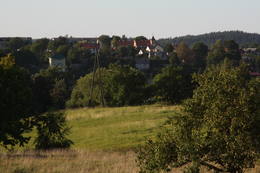
Views of EmbuteThe hill is the highest point on the shores of the little Slocene River valley, and it is located in Tukums, at the side of Jelgavas Street. It opens up a broad view of the Slocene River valley and the town of Tukums with its historical centre on the opposite side of the valley. The view is particularly interesting in the evening, when the town is lit up. There is a monument to the liberators of Tukums.
1-12
Services
1-12 Active season months |
 |
Latvia
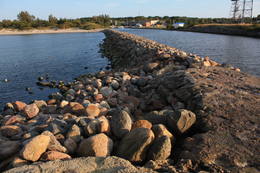
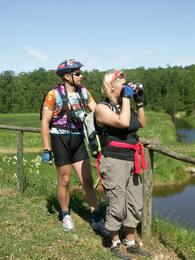
Sakas moliMolu (sākotnēji – pāļu rindas ar akmeņu krāvumiem) izbūve pie Sakas ietekas jūrā tika uzsākta 1878. gadā, lai nodrošinātu ostas darbību. 1929. gadā notiek molu pārbūve, pagarinot tos ar masīviem betona blokiem. Pēdējā rekonstrukcija notika 2010. gadā, pārveidojot molus par ērtu pastaigu un makšķerēšanas vietu, no kuras var vērot arī saulrietu. 216
Services
216km - Distance from countries capital city |
 |
Latvia
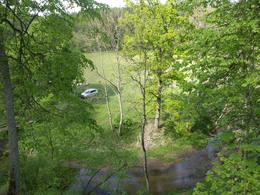
The Dunduri meadowsThe barrow which offers a good view is at the northern end of the Dunduri meadows – at the end of Melnragi. It is an artificial barrow which follows along with the bed of the little Slampe River. The meadows are home to livestock allowed to live in the wild, and you can see a bit of the restored Slampe. The view is particularly interesting during flooding season, when the surrounding wetlands become saturated. This is a location for bird-watching.
1-12
Services
1-12 Active season months |
 |
Latvia
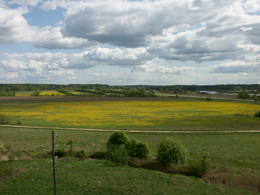
A viewing area on the Vilce castle hillThe viewing area is near the top of the Vilce castle hill, with a view of the Rukūze River valley, Zaķi meadow, and surrounding forests. This is an unusual landscape for the region of Zemgale. The Vilce baronial estate is nearby.
|
 |
Latvia
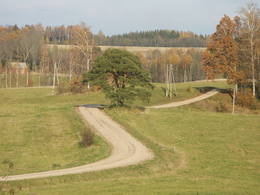
The Asote castle hillFrom the Asote castle hill, which is on the right bank of the Daugava River near Jēkabpils, there is a fine view of the Daugava River valley, the Ābeles Island, and the Kaupre castle hill that is at the northern end of the island.
137
1-12
Services
137km - Distance from countries capital city
1-12 Active season months |
 |
Latvia
The views of AraisiThe loveliest views of the local cultural and historical treasures (the Āraiši lake castle, the Lutheran church, the parsonage, Medieval castle ruins – all of these cultural monuments). The hillocks of the area which offers this view can be found in the immediate proximity of the Āraiši windmill and the Drabeši-Āraiši road.
1-12
Services
1-12 Active season months |
 |
Latvia
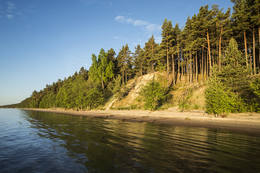
A viewing area on the steep shore of EvaziViewing area is at the end of the Ēvaži shore trail (300 metres). The shore here has been washed by the waves and is up to 15 metres high. This is the only place along the Kurzeme shore of the Bay of Rīga where a high dune opens up such a lovely view of the bay water.
|