
| Нo | Название | Описание |
|---|---|---|
 |
В Лиепене Вентспилского района находится бывшая военная часть погранохраны, которая в настоящее время является частной собственностью и используется туристами в качестве места проживания.
|
|
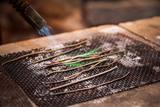 |
Apmeklētājiem tiek piedāvāta ekskursija ar stāstiem par Limbažiem, kas kādā veidā saistīti ar sudrabu. Ekskursijas laikā iespējams apskatīt paraugdemonstrējumus lodēšanā. Sadarbībā ar juvelieriem, darbnīcā būs iespējas apgūt prasmes darbam ar misiņu un sudrabu, tiks piedāvātas arī meistarklases. Pēc iepriekšējas pieteikšanās grupām būs pieejamas arī O.Auzera lekcijas par sudraba ietekmi uz veselību. Ekspozīcija atvērta apmeklētājiem no trešdienas līdz svētdienai no pl.10:00-17:00, citā laikā grupām- pēc iepriekšēja pieteikuma. Ieejas maksa: |
|
 |
Atrodas Cēsu rietumdaļā – pie ceļa, kas ved uz Cīrulīšiem. Piedāvājumā – plašs ēdienu klāsts no brokastīm līdz vakariņām. |
|
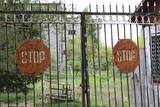 |
Скрундский военный городок – сегодня это недоступный и охраняемый объект, но заслуживает упоминания, так как здесь находится известный Скрундский локатор, взорванный после восстановления независимости Латвии. !!! С марта 2018 года Скрундский военный городок закрыт для посетителей. |
|
 |
Хозяйство «Рожлеяс» находится в Тукумском крае в Джукстской волости, где Восточно-курземская возвышенность сменяется Тирельской равниной. В 1989 году заниматься хозяйством начали родители нынешнего хозяина – Яниса Укша. Было создано натуральное хозяйство, где изначально выращивали сахарную свеклу, а позже – пшеницу. На протяжении двадцати пяти лет, в результате продуманной хозяйственной деятельности, «Рожлеяс» стало одним из крупнейших хозяйств по выращиванию зерновых в западной части Латвии. Хозяева приняли активное участие в некоторых проектах ЕС. Была закуплена современная техника, построены зернохранилища и ангары для хранения техники. Специализация хозяйства – зерновые (озимый ячмень, озимая пшеница), которые в данный момент выращиваются на площади в ~1200 га. |
|
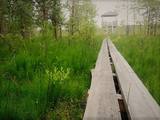 |
Taka ved cauri mežam uz skatu torni purva malā. Takā apskatāma Nāzara priede –priede, pie kuras 1905. gadā nošauts dumpinieks, pati priede – ekoloģiskais koks ar dzilnu kaltiem dobumiem, nokaltusi. Melnalkšņu dumbrājs - slīkšņa ar cūkaušiem un puplakšiem. Oleru purvs no skatu torņa – pārejas un sūnu purvs, kas izveidojies nolaista ezera vietā. Papildus objekti blakus takai, pieejami pa ceļu – Oleru muižas komplekss, Krustakmens, Oleru muižas kapi. Kopējais takas garums: 1,1 km. |
|
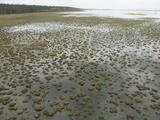 |
The tower on the eastern shore of Lake Engure (next to the meadow for wild cattle, accessible from the side of Bērzciems) offers a view of the reeds, small islands, Great Island, cows and horses of the north-eastern part of the lake. The tower on the northern shore of the lake (accessible from the side of Mērsrags) offers a look at the boating facility and the very overgrown northern part of the lake. The tower at the north-western shore of the lake (accessible from the side of Ķūļciems) shows the Apaļrova island (a footpath), stands of juniper, the boating facility, and the mosaic-like landscape of the lake itself.
|
|
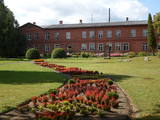 |
ТИЦ был создан в 2017 году с целью развития туризма в Алсунге и в историческом краю суйтов, для предоставления информации о туристических возможностях в Алсунгском краю, создания положительного и привлекательного образа Алсунги и всего исторического региона в Латвии и за рубежом. |
|
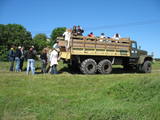 |
Ap 6 km garā pussala ir vieta, kur jānokļūst tiem, kas grasās doties vienā no neparastākajiem pārgājieniem pāri jūras šaurumam. Cauri Kūsnemmes pussalai līdz tās ziemeļu daļai iet šaurs un ļoti līkumains grants ceļš (ar garāku tūristu autobusu jābrauc lēni un uzmanīgi), kura galā izveidots autostāvlaukums, neliels namiņš, kur patverties lietus un vēja laikā, kā arī informācijas stends. Turpat redzamas divas Padomju armijas „KRAZ” tipa automašīnas. Lai sasniegtu robežkontroles posteni, Padomju robežsargi brauca pa jūru un mazajām saliņām, kas kā pērļu virtene savieno Kūsnemmes pussalas galu ar Vilsandi salas dienviddaļu. Turpat divas desmitgades pēc Igaunijas neatkarības atjaunošanas „KRAZ” automašīnu kravas kastēs vasaras laikā uz Vilsandi vizināja tūristus, taču spēkrati savu mūžu ir nokalpojuši un unikālais piedāvājums vairs nav spēkā! Ko darīt? Pa mazajām saliņām uz Vilsandi var doties ar kājām. To var īstenot tikai siltā laikā, kad nav gaidāms stiprs vējš un ir zināma laika prognoze vismaz divām tuvākajām dienām. Kā sava veida orientieris var kalpot augstsprieguma elektrolīnija. Kopumā ir jārēķinās arī ar 1 h 40 – 2 h ilgu un ~ 4 km garu gājienu. Dziļākā vieta (ja ietur pareizo „kursu”) atrodas pārgājiena sākumdaļā, kur starp saliņām izveidots laivu ceļš - ~ 1 m dziļa vieta atkarībā no vēja virziena un ūdens līmeņa. Zināmu priekšstatu par maršrutu sniegs redzamā ainava, kas paveras no skatu torņa. Kaut arī šis maršruts tiek reklamēts dažādos informatīvajos materiālos, atbildību par tā veikšanu uzņemas katrs pats! |
|
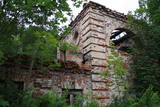 |
Atrodas Kraujā – Daugavas ielejas krasta malā un nogāzēs. Atrodama informācija, ka šajā vietā Livonijas kara laikā atradusies krievu karaspēka nometne. Muižas nosaukums cēlies no vācu Hof zum Berg – „Kalnu muiža”. Pēdējie muižas īpašnieki līdz 1. pasaules karam bija grāfu Šahno dzimtas pārstāvji. Viens no tiem – Marians Šahno 1910. gadā uzceļ muižas pili, kas bija būvēta eklektisma formās. Daļēji nojaukta tā pārdzīvo padomju laikus, līdz 2002. gadā nodeg. Līdz mūsdienām saglabājušās vien ēkas sienas, kuras slēpj biezs augājs. Var tikai iedomāties, kādi skati šeit kādreiz pavērušies uz Daugavas ieleju! Muižas parks ir vietējo iedzīvotāju pastaigu vieta. |
|
 |
Neliela siera ražotne Ādažos, kas apvieno tradicionālas sierdarīšanas metodes ar mūsdienīgu izpratni par strauji augošo bioloģiskās pārtikas tirgu. Sieru gatavošanā tiek izmantotas tikai divas sastāvdaļas - piens un sāls. Pārējo nodrošina darināšanas veids, baktērijas un pelējumi, kas savu darbu veic jau nogatavināšanas procesā. SieriSoira piedāvā vairāk nekā 20 siera šķirnes – no svaigajiem un maigajiem līdz izteiksmīgiem, ilgi nogatavinātiem cietajiem sieriem. Īpašs lepnums ir premium zilie un pelnu sieri, kuru niansētās garšas ir novērtējuši gan starptautiski eksperti, gan Latvijas gardēži. Kā top siersSiera ražošanā tiek izmantots piens no Latvijas zemnieku ganībām, kur govis dzīvo brīvā dabā. Piens netiek pasterizēts, saglabājot visas dabiskās garšas nianses. ApmeklētājiemIespējams iepazīt siera tapšanu klātienē - apskatīt ražotni, ielūkoties pagrabu plauktos un nogaršot sierus turpat uz vietas. Kur iegādāties sierusRažotnē Ādažos. E-veikalā: www.soira.lv. Specializētajos pārtikas veikalos un Rīgas tirdziņos. Soiras sierus iespējams nobaudīt arī dažādos restorānos. |
|
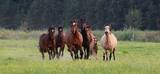 |
The “Dabas zirgi” centre for horse and human welfare is in the historical Mežinieku neighbourhood in suburban Rīga, and it will be a revelation to those who wish to have a sense of belonging related to Latvia and its environment. Touch the forest, enjoy the cool water of the Misa River, encounter a swamp or see the breath of a horse on a foggy morning. You’re welcome to spend a longer amount of time at this venue with new glamping opportunities in a lovely forested area next to the steep shores of the Misa River. This offers complete silence with only the woods and the river nearby. Along with the horses, of course. “Dabas zirgi” offers strolls with a horse, tours involving feeding the animals, as well as horseback rides. Family celebrations are perfect here with a lean-to, a grill, and a pot on a campfire. Contact the venue in advance to arrange for prepared breakfast, lunch and dinner. There is also a sauna with a jacuzzi. |
|
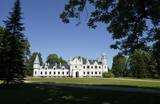 |
В отреставрированном замке Алатскиви можно познакомиться с жизнью и историей одной помещичьей семьи в экспозиции, которая проходит через три этажа. Гиды замка расскажут различные истории и легенды, можно изготовить свой личный замковый сувенир. Сказочный замок у восточной границы Эстонии ждет своих гостей! |
|
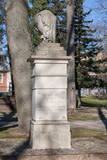 |
В 1877 году, отдавая дань заслугам предков в создании Нейбаде, барон Август фон Пистолкорс велел соорудить в парке памятник. После Первой мировой войны, в 30-е годы, памятник случайно был обнаружен при очистке русла реки Кишупе. Общество помощи и благоустройства Нейбаде памятник восстанавливает и в 1933 году его заново открывают. Памятник пострадал и после Второй мировой войны. В настоящее время памятник восстановлен и находится в парке эстрады. |
|
 |
Kihnu is the largest island in the Gulf of Riga with an area of 16.4 km2, it is only 7 km long and 3.3 km wide. There are four villages on the island and the unique atmosphere of the island can be experienced by visiting a local family at Kuraga Farm. Three generations live in this farm and are happy to welcome guests. |
|
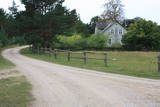 |
Древнее поселение. В 30-е годы 20-го века здесь насчитывалось 50 дворов, а в 1990 году - всего 10. В Овиши родился ученый - энтомолог ливского происхождения Карлис Принцис (1893 - 1978), который в 1944 году эмигрировал в Швецию. Овишский маяк (1814) - старейший действующий маяк в Латвии - высотой 38 метров. С него открывается прекрасный вид. Сохранилось здание, построенное в 1905 году для рабочих маяка, в свое время в нем была обустроена станция узкоколейной железной дороги. В подсобном помещении был создан музей Овишского маяка. Рядом с маяком – металлический Аустрас кокс (дерево Аустры). Напротив Овишрагса - хорошее место для наблюдения за птицами. |
|
 |
Межа мая – здание, построенное в 1933 г.,
является одним из самых ярких строений
национального романтизма в Латвии.
Первоначально здание служило в качестве
широко известного в округе ресторана "Яутрайс
одс" ("Веселый комар"). После Второй мировой
войны в здании разместился детский санаторий
"Межа мая" (Лесной дом). С 1997 г. с
созданием Кемерского национального парка,
"Межа мая" стало зданием администрации и
одновременно современным центром для
посетителей, а также местом проведения
различных экологопросветительских
мероприятий.
|
|
 |
Apmeklētāju centrā var iegūt noderīgu informāciju un iepazīt ekspozīciju par Karulas augstienes veidošanās vēsturi, ezeru iemītniekiem un šejienes novada kultūrvēsturiskajām tradīcijām. Apmeklētāju grupas semināru zālē var noskatīties izzinošu prezentāciju. |
|
 |
Piedāvā ļoti gardus Lietuviešu tradicionālos ēdienus. Var pieņemt līdz 140 personām. Ir āra terase un dzīvā mūzika. Pieņem bankas kartes, pieejama autostāvvieta. |
|
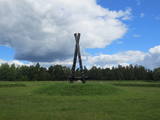 |
Недалеко от Рижской окружной дороги на правом берегу Даугавы находится памятник-памятный знак скульптора Г. Бурвиса, открытый в 1994-м году. Он посвящен Даугавским ливам и их предводителю Ако, который в 1206-м году возглавил борьбу против крестоносцев. В окрестностях памятника вдоль берега Даугавы создано место для отдыха и прогулок. Это одно их живописнейших мест по берегам низовья Даугавы. Немного дальше на берегу реки установлены информационные стенды, отражающие историю берегов Даугавы до строительства Рижской ГЭС. |
|


