
| No | Name | Description |
|---|---|---|
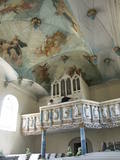 |
The Apriķi Lutheran Church is, for good reason, known as one of the most beautiful churches in Kurzeme. It was owned by the Osten-Zacken dynasty in the past, built in the 17th century, and rebuilt in 1710. The wooden interior is in the Rococo style with elements of the Baroque, and it dates to the mid-18th century. It is amazingly ornate. The beautiful ceiling paintings, which were produced by a Prussian painter called Rode, were painted between 1744 and 1746. |
|
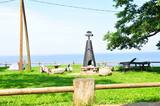 |
Camping "Klintis" on the very shore of the sea near Veczemju cliffs offers parking, tents and picnic places with benches, tables, grill, the opportunity to buy firewood. There are well-equipped camping houses, places for campers, showers and WCs available for camping guests. In the territory of the camping there is a restaurant "Rankulļrags" and a summer cafe. There is a playground for younger guests. |
|
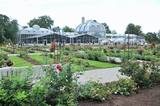 |
This botanical garden was opened in 1923 as a scholarly centre. The garden covers more than 60 hectares, and approximately 30 ha are open to the public. |
|
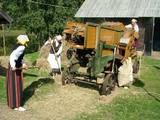 |
The 11 buildings of the museum feature farm equipment, horse-related equipment, several dozen internal combustion motors, as well as tools used by craftspeople and farmers during Latvia’s first period of independence. The annual harvest festival brings together as many as 2,000 visitors. A harvest festival features special porridge. Groups can take part in a bread programme, watching the production of bread from dough to loaf. |
|
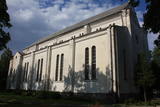 |
was built between 1930 and 1947. On both sides of the altar are sculptures of angels that date back to the late 17th century and were sculpted in Subate. They are the only elements of this kind in the Baroque decorative sculpture in churches in Kurzeme. It may be that the figure of the Saviour on the cross with a sleeping lamb at his feet was produced by the same artists. No one knows how the artworks arrived in Subate. The organ with its wooden pipes was manufactured by Juris Bokums. During the season, the interior of the church can be toured, and if you contact the church in advance, you can arrange for organ music performances. |
|
 |
Kafejnīca "Kalnakrogs" atrodas Skrundas novada Rudbāržu pagastā pie Rīgas - Liepājas šosejas. Kafejnīcas ēdienkartē iekļauti latviskie ēdieni, iespējams pasūtīt banketu un izīrēt telpas semināriem. Piedāvā nakšņošanu. |
|
 5 days
|
The historical route from Rīga to Liepāja passes through Dobele, Saldus, Skrunda, Durbe and Grobiņa, and it dates back to the 13th century. Remnants of Scandinavian settlements near Grobiņa also testify to the antiquity of the region. Many things happened on the road and around it that were directly linked to the establishment of the Republic of Latvia and to its subsequent freedom battles. At the Tīreļpurvs swamp, Latvian riflemen demonstrated their battel capabilities and heroism during the so-called Christmas battles, thus proving that a new country had been born. The trails of the swamp are open to visitors, and there is an historical exhibition at the Mangaļi homestead. Rīga is clearly marked along this route by the Latvian National Theatre, where independence was proclaimed in 1918. Later the hostile attack of Bermont’s forces was stopped at the banks of the Daugava, and the superior force was ejected from Rīga and Latvia. Approximately 70 km from Rīga is the Pikšas museum, which is the birthplace of Latvian President Kārlis Ulmanis and a good example of farming between the two world wars. The museum of Colonel Oskars Kalpaks at Airītes offers a look at battles that occurred in the region and at things that Kalpaks did during World War I and the subsequent liberation battles. There were battles near Skrunda and Saldus, and it was in Liepāja that German General von der Goltz conducted a coup that led Latvia’s temporary government to seek refuge on the ship the Saratov, upon which it sailed to Rīga after the city’s liberation. Liepāja has always been an important port, and once it offered passenger services all the way to New York. |
|
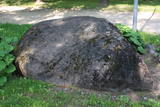 |
Atrodas Kalēju ielas malā. Savu popularitāti ieguvis ar nostāstu, ka Ziemeļu kara laikā pie tā pusdienojis Krievijas cars Pēteris I un Polijas valdnieks Augusts (Stiprais). |
|
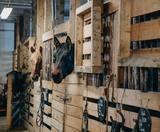 |
Vidzemē, Valmiermuižā, 19.gs. celtā ēku kompleksā, ko iekļauj mūra žogs, atrodas Valmiermuižas stallis un Valmiermuižas jātnieku skola. Tajā saimnieko Jurašu ģimene - zirgkopju, zirgu selekcionāru un vetārstu ģimene daudzās paaudzēs. Ir iespēja doties izjādēs, ekskursijās, kā arī tiek rīkotas radošās nometnes bērniem. |
|
 |
Atrodas Zebrus ezera austrumu krastā pie Latvijas Valsts mežu laivu bāzes. No torņa labi pārskatāms Zebrus ezers, ziemeļu virzienā – Ezerlūķu pilskalns. Laivu bāzē – atpūtas vietas. |
|
 |
This was the first estate farm in the Baltic States and is the largest one. Work is in harmony with nature. You can purchase various kinds of bread made of natural yeast, fowl and their eggs, ecological beef, milk and dairy products, locally caught fish, traditionally grown vegetables, ecological honey from the local region, as well as various dried, pickled and smoked products. |
|
 |
This is basically a grain farm, but in 2006 it also began to work as a dairy farm. In 2008, the farm began to produce cheese and cottage cheese. The farm has more than 200 dairy cows, using the milk to produce milk, yogurt, cheese and ice cream. |
|
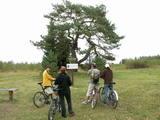 |
This tree, too, was supposedly planted by the king of Sweden – and upside down, no less.
|
|
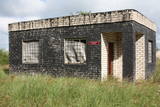 |
The Lūžņa radio equipment company was part of the Naval Border Guard in Soviet Times. The car park in the centre of Lūžņa offers a fine view of the former military complex. Some buildings are used as apartment buildings at this time.
|
|
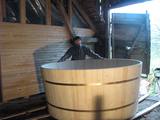 |
The craftsman represents the fifth generation of the oldest dynasty of Latvian barrel makers. The family began such work in the early 19th century, and he is continuing on with traditions related to barrels that are made of oak and ash. He will talk about the various aspects of making a barrel, and you will be able to watch him at work. The craftsman produces barrels, wooden tubs, scoops for saunas, etc. You can order and purchase these items. |
|
 |
Visitors to the brewery can learn how beer is brewed and taste the beers and mead drinks that are produced there. |
|
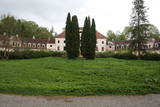 |
Vieta, ko nekādi nevar uzskatīt par tūrisma objektu, bet tajā pat laikā tas ir Latvijas mērogā nozīmīgs kultūras un vēstures piemineklis, ko nevar nepieminēt! Laikā no 1923. – 1943. gadam muižas pilī atradās Latvijā zināmākā mājturības skola, kurā mācījās izslavētās kaucmindietes! Tagad muižas pils ir pamesta, avārijas stāvoklī un apskatāma tikai no ārpuses un „pa gabalu”. Ap 1780. gadu celtā pils, kas 1909. – 1912. g. tika pārbūvēta pusloka būvapjomā, ir Latvijai diezgan unikāls arhitektūras paraugs. |
|
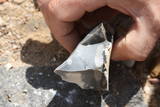 |
Neliela apdzīvota un ainaviska vieta plašajā Skrobļa (Skroblus) strauta ielejā. Ciema austrumu pusē atrodas Lietuvas mērogā unikāls objekts – klēts - rija, kur no 1929. g. vietējie cilvēki uzveda un skatījās lauku teātra izrādes. Netālu no tās (uz abiem objektiem ir norādes) atrodas Skrobļa avoti (Skroblaus versmės), kas iztek no dziļas starppauguru ieplakas. Avotu gan ir appludinājis bebru uzceltais dambis. Dienvidos no ciema atrodas vecs grants karjers, kas ir viena no retajām vietām Baltijā, kur dabā ir atrodami krama ieža gabali, kas atnesti ar ledāju. |
|
 |
Ošvalkos uzstādītā piemiņas zīme veltīta latviešu bēgļiem (1944. - 1945. g.), kas pāri Baltijas jūrai uz Zviedriju devās zvejas laivās. |
|
 |
Lohjansaari island is in the middle of the largest fresh water lake in southern Finland. Due to its fertile soil and warm micro climate, the area hosts several arboreta. You can visit apple orchards or spend the night at Martinpiha destination and enjoy a truly rural experience with the friendly local people. |
|


