
| Nr | Name | Beschreibung |
|---|---|---|
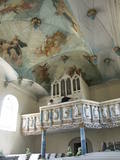 |
The Apriķi Lutheran Church is, for good reason, known as one of the most beautiful churches in Kurzeme. It was owned by the Osten-Zacken dynasty in the past, built in the 17th century, and rebuilt in 1710. The wooden interior is in the Rococo style with elements of the Baroque, and it dates to the mid-18th century. It is amazingly ornate. The beautiful ceiling paintings, which were produced by a Prussian painter called Rode, were painted between 1744 and 1746. |
|
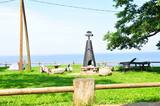 |
Der Campingplatz "Klintis" am Ufer des Meeres in der Nähe der Klippen von Veczemju bietet Parkplätze, Zelte und Picknickplätze mit Bänken, Tischen, Grill und die Möglichkeit, Brennholz zu kaufen. Es gibt gut ausgestattete Campinghäuser, Plätze für Camper, Duschen und WCs für Campinggäste. Auf dem Campingplatz gibt es ein Restaurant "Rankuļrags" und ein Sommercafé. Es gibt einen Spielplatz für jüngere Gäste. |
|
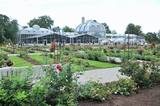 |
Der Botanische Garten wurde etwa 1923 begründet, als Zentrum der Botanik in Litauen. Der Garten hat eine Fläche von über 60 ha, wovon etwa 30 ha von der öffentlich zugänglichen Ausstellung eingenommen werden. |
|
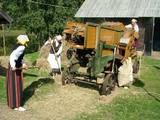 |
In den 11 Gebäuden des Museums sind Agrartechnik, Pferdegeschirre, viele Verbrennungsmotoren, Handwerkerwerkzeuge und andere Feldwerkzeuge ausgestellt, die während der Ersten Republik Lettlands benutzt wurden. Zu dem jährlich organisierten Erntefest versammeln sich bis zu 200 Besucher. |
|
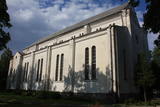 |
was built between 1930 and 1947. On both sides of the altar are sculptures of angels that date back to the late 17th century and were sculpted in Subate. They are the only elements of this kind in the Baroque decorative sculpture in churches in Kurzeme. It may be that the figure of the Saviour on the cross with a sleeping lamb at his feet was produced by the same artists. No one knows how the artworks arrived in Subate. The organ with its wooden pipes was manufactured by Juris Bokums. During the season, the interior of the church can be toured, and if you contact the church in advance, you can arrange for organ music performances. |
|
 |
Kafejnīca "Kalnakrogs" atrodas Skrundas novada Rudbāržu pagastā pie Rīgas - Liepājas šosejas. Kafejnīcas ēdienkartē iekļauti latviskie ēdieni, iespējams pasūtīt banketu un izīrēt telpas semināriem. Piedāvā nakšņošanu. |
|
 5 Tagen
|
Ein historischer Weg von Rīga nach Liepāja durch Jelgava, Dobele, Saldus, Skrunda, Durbe un Grobiņa ist schon seit dem 13. Jh. bekannt. Vom Altertum zeugen auch die Reste der skandinavischen Siedlung in der Nähe von Grobiņa. |
|
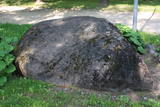 |
Atrodas Kalēju ielas malā. Savu popularitāti ieguvis ar nostāstu, ka Ziemeļu kara laikā pie tā pusdienojis Krievijas cars Pēteris I un Polijas valdnieks Augusts (Stiprais). |
|
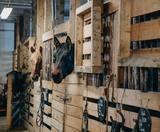 |
Vidzemē, Valmiermuižā, 19.gs. celtā ēku kompleksā, ko iekļauj mūra žogs, atrodas Valmiermuižas stallis un Valmiermuižas jātnieku skola. Tajā saimnieko Jurašu ģimene - zirgkopju, zirgu selekcionāru un vetārstu ģimene daudzās paaudzēs. Ir iespēja doties izjādēs, ekskursijās, kā arī tiek rīkotas radošās nometnes bērniem. |
|
 |
Atrodas Zebrus ezera austrumu krastā pie Latvijas Valsts mežu laivu bāzes. No torņa labi pārskatāms Zebrus ezers, ziemeļu virzienā – Ezerlūķu pilskalns. Laivu bāzē – atpūtas vietas. |
|
 |
Ilzenbergas ist der erste und größte landwirtschaftliche Gutshof im Baltikum. In der Wirtschaft, die in Harmonie mit der Natur betrieben wird, kann man verschiedene Sauerteigbrote kosten und kaufen, Geflügel, Eier, Fleisch von auf ökologischen Weiden gehaltenem Rind, Milch und Milchprodukte, Fisch aus den eigenen Fischteichen, Obst und Gemüse, Honig aus der maximal ökologischen Umgebung des Gutes, verschiedene geräucherte, getrocknete und sauer eingelegte Produkte. |
|
 |
Die Haupttätigkeit des bäuerlichen Betriebs ist Getreidezucht. Seit 2006 beschäftigt sich der Betrieb mit Milchviehzucht und seit 2008 – mit der Herstellung von Käse und Quark. Zur Zeit sind im Betrieb mehr als 200 Melkkühe, von deren Milch Rohmilch, Joghurt, Käse und Eis hergestellt werden. |
|
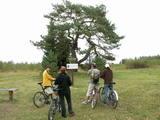 |
This tree, too, was supposedly planted by the king of Sweden – and upside down, no less.
|
|
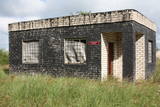 |
In der Zeit der Sowjetunion befand sich die radiotechnische Kompanie von Lūžņa im Bestand von der Küstengrenzwache. Eine sehr gute Aussicht auf den ehemaligen Militärkomplex von dem Parklpatz im Zentrum von Lūžņa aus. Manche Gebäude werden als Wohngebäude genutzt.
|
|
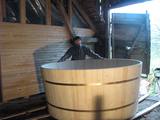 |
The craftsman represents the fifth generation of the oldest dynasty of Latvian barrel makers. The family began such work in the early 19th century, and he is continuing on with traditions related to barrels that are made of oak and ash. He will talk about the various aspects of making a barrel, and you will be able to watch him at work. The craftsman produces barrels, wooden tubs, scoops for saunas, etc. You can order and purchase these items. |
|
 |
Beim Besuch der Bierbrauerei kann man den Prozess der Bierherstellung kennenlernen. Verkostung der Biersorten und Malzgetränke, die in der Bierbrauerei hergestellt werden. |
|
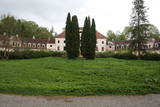 |
Vieta, ko nekādi nevar uzskatīt par tūrisma objektu, bet tajā pat laikā tas ir Latvijas mērogā nozīmīgs kultūras un vēstures piemineklis, ko nevar nepieminēt! Laikā no 1923. – 1943. gadam muižas pilī atradās Latvijā zināmākā mājturības skola, kurā mācījās izslavētās kaucmindietes! Tagad muižas pils ir pamesta, avārijas stāvoklī un apskatāma tikai no ārpuses un „pa gabalu”. Ap 1780. gadu celtā pils, kas 1909. – 1912. g. tika pārbūvēta pusloka būvapjomā, ir Latvijai diezgan unikāls arhitektūras paraugs. |
|
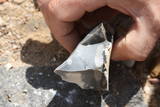 |
Neliela apdzīvota un ainaviska vieta plašajā Skrobļa (Skroblus) strauta ielejā. Ciema austrumu pusē atrodas Lietuvas mērogā unikāls objekts – klēts - rija, kur no 1929. g. vietējie cilvēki uzveda un skatījās lauku teātra izrādes. Netālu no tās (uz abiem objektiem ir norādes) atrodas Skrobļa avoti (Skroblaus versmės), kas iztek no dziļas starppauguru ieplakas. Avotu gan ir appludinājis bebru uzceltais dambis. Dienvidos no ciema atrodas vecs grants karjers, kas ir viena no retajām vietām Baltijā, kur dabā ir atrodami krama ieža gabali, kas atnesti ar ledāju. |
|
 |
Das Gedenkzeichen in Ošvalki, das den lettischen Flüchtlingen (1944 – 1945) gewidmet ist, die über die Ostsee in Fischerbooten nach Schweden geflüchtet sind. |
|
 |
Lohjansaari island is in the middle of the largest fresh water lake in southern Finland. Due to its fertile soil and warm micro climate, the area hosts several arboreta. You can visit apple orchards or spend the night at Martinpiha destination and enjoy a truly rural experience with the friendly local people. |
|


