Контактная информация
Связанные объекты
| Фото | Название | Описание |
|---|---|---|
 |
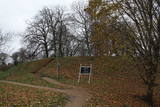
Место, где во время Второй мировой войны в 1916 году прошли так называемые Рождественские бои между войсками Германии и России, после которых слава о мужестве и героизме латышских стрелков прозвучала далеко за пределами страны. На Пулеметной горке создано мемориальное место латышским стрелкам и восстановлена смотровая вышка. С нее хорошо просматривается болото Мазтиреля с линией бывшей немецкой узкоколейной железной дороги, которая пересекает его в северо-южном направлении. Здесь можно прогуляться как в сопровождении гида, так и без него, посетить дом Мангали музея Рождественских боев, рядом с которым был создан особый познавательный маршрут, поучаствовать в тематических образовательных мероприятиях и в постановках боев. Можно осмотреть памятники, захоронения воинов, траншеи, фортификации, землянки и многое другое. Также можно осмотреть так называемый «Немецкий вал» - реконструированный участок оборонной системы – блиндаж и часть передовой линии немецкой обороны. |
|
 |
С исторической и архитектурной точки зрения – интересный памятник градостроительства 17-19 веков. Старый город Лиепаи находится в районе Старой рыночной площади и площади Куршу, где торговля велась с 60-х годов 16 века. До 1792 г. площадь Куршу была также местом исполнения наказаний. В 1910 году рядом с ней был построен теперешний павильон рынка Петра (Петертиргус). При взгляде на карту видно, что сеть улиц вплоть до наших дней сохранила частичную хаотичность средневековых городских центров. |
|
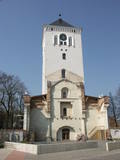 |
Находитсярядом с мостом через Лиелупе(ул. Академияс, 1). В 2009 году началась реконструкция церковной башни, и сейчас здесь создан один из лучших интерактивных музеев Латвии (дружественный для детей) и застекленная смотровая платформа. |
|
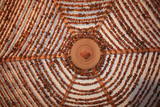 |
Здесь можно наблюдать за работой разных ремесленников (обработка янтаря, ювелиры, ткачи, портные и др.) и приобрести работы мастеров. Представлены самые длинные в мире янтарные бусы (123 м, 19 кг!), которые сделаны из подаренного жителями города кусочков янтаря. Дети могут принять участие в творческих мастерских. |
|
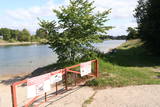 |
Канал военного порта и размещенная там база военного флота и подводная база были вырыты по приказу Российского царя еще перед Первой мировой войной. Территория подводного порта в настоящее время закрыта и используется для хозяйственных нужд. Канал военного порта просматривается со стороны улицы Пулвера и восстановленного моста Калпака.
|
|
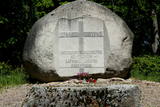 |
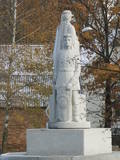
Находится на обочине автодороги А9 в полукилометре от поворота на Лестене в направлении Риги. Камень (автор O. Фелдберг) установлен в 1991 году (на месте бывшего дома „Румбу”) в память о защитниках Курземской крепости, которые, выдержав десятикратное превосходство советской армии, дали возможность ~ 300 000 латвийским военным беженцам эмигрировать от следовавшего за этим советского террора. |
|
 |
Название Добеле впервые упоминается в исторических источниках в 1254 году. Добеле было одним из наиболее укрепленных земгальских мест, поэтому в период с 1279 по 1289 гг. пережило шесть нападений немецких крестоносцев. В 1289 году земгальцы вынуждены были отступить. В 1335 году завоеватели на месте земгальского замка приступили к строительству нового, каменного замка. На противоположном левом берегу Берзе начался образовываться посад торговцев и ремесленников. Город сильно пострадал во время Северной войны и последующей эпидемии чумы. Важное событие в хозяйственной жизни города произошло в 1927 году, когда была построена железнодорожная линия Лиепая - Глудас. После Второй мировой войны в Добеле и окрестности города пришли советские военные, которые построили один из крупнейших танковых полигонов СССР «Добеле-2». Сейчас путешествующим по Добеле предлагается интересный выбор посещаемых объектов. |
|
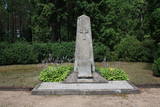 |
Самое большое братское кладбище воинов Первой мировой войны в Латвии. На нем похоронены 1800 латышских стрелков и в 30-е годы прошлого века перезахоронены 2000 солдат, служившие в разных частях Российской армии. В центре кладбища установлен памятник. |
|
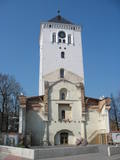 |
Наиболее значимый для города период связан с периодом с1561 по 1795 гг., когда Елгавский край входил в состав Курземского и Земгальского герцогства. Как только Елгава получила статус резиденции герцога (1567 г.) и столицы герцогства (1616 г.), началось быстрое развитие города, которое достигло наивысшей точки во времена правления герцога Екаба. Во время правления двух последних Курземских герцогов – Эрнста Иоганна Бирона и его сына Петра учреждается (1775 г.) Академия Петра (Academia Petrina) - первый Латвийский университет, в 1816 году создается Курземское Литературное и художественное общество, в 1822 г. выходит в свет первая газета на латышском языке «Латвиешу Авизес» («Латышские Газеты»), в 1802 г. строится первое здание театра в Латвии, а в 1898 г. – первое предусмотренное для музея здание. В 1937 г. в Елгавском замке размещается Латвийская Сельскохозяйственная камера, а через два года открывается Елгавская Сельскохозяйственная академия. Летом 1944 года погибает почти вся историческая застройка города и художественные ценности. По окончании Второй мировой войны Елгаву восстановили. Не так давно восстановлена башня церкви Святой Троицы, в которой в настоящее время создан один из лучших интерактивных музеев Латвии (очень дружественный по отношению к семьям с детьми). |
|
 |
Тюрьму военного порта не стоит описывать. Это надо пережить и выжить! И такая возможность предоставляется каждому. На сегодняшний момент это наилучший туристический продукт военного наследия, учиться на примере которого может любой.
|
|
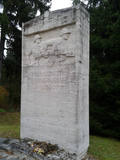 |
Находится на обочине шоссе Р 100 (недалеко от шоссе А 8, направление на Озолниеки и Елгаву). Памятник посвящен стрелкам 6-го Рижского пехотного полка, павшим и пропавшим без вести в боях с бермонтовцами 17-го ноября 1919-го года возле бывшей основной школы Скуяс. Памятник (автор Николай Войт, автор барельефа Мартиньш Шмалцс, консультант Карлис Зале) был открыт 24-го октября 1937-го года. Его отреставрировали в 2009-м году. |
|
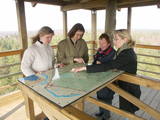 |
Ложметейкалнс в Тирельпурве является историческим памятником государственного значения – единственный культурно-исторический заказник в Латвии (парк памяти Рождественских боев). Стоит подняться на восстановленную смотровую башню, откуда открывается вид на Мазтирельское болото с бывшей старой узкоколейкой, пересекающей болото в северо-южном направлении (в природе обозначенную как самый большой деревянный ряд в болоте). В окрестностях домов Ложметейкалнса, Тирельпурва и Мангали сохранились уникальные свидетельства Балтийского масштаба о фортификационных сооружениях Первой мировой войны и проходивших в этих местах Рождественских боях. В Мангали можно осмотреть посвященную боям экспозицию, так называемые немецкие валы и др. С территорией знакомят опытные гиды. Кроме того, в парке проходят тематические и познавательные мероприятия.
|
|
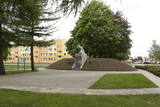 |
Находится в центре Пиньки, на улице Ригас. Посвящен событиям 1919-го года, когда 22-го мая после почти двухмесячного бездействия бригада полковника Балодиса пошла в наступление на Ригу для освобождения столицы от большевиков. Поддержку бригаде Балодиса должны были оказать немецкий ландесвер и немецкая «Железная дивизия», а также отделение русского князя Ливена. Первый памятник был открыт президентом Латвии Карлисом Улманисом 23-го мая 1939-го года. В 1951-м году советская власть его уничтожила, а в 2003-м году была установлена копия памятника (скульптор Я. Бриедис, копия О. Скарайниса). |
|
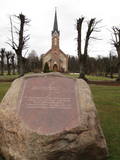 |
Первая церковь в Пиньки была деревянной. Идея о строительстве новой церкви возникла уже в 50-х годах 19-го века, но первый камень в основание новой церкви (архитектор И. Д. Фельско) был заложен 25-го мая 1872-го года. Строительство церкви продолжалось с 1872-го по 1874-ый год. Орган с девятью регистрами был изготовлен известным органных дел мастером Вильгельмом Зауэром в 1890-м году. 17-го июля 1916-го года пятый батальон латышских стрелков, направлявшийся на линию фронта возле Смарде, остановился возле имения Пиньки. В упомянутый день в церкви в Пиньки полковник Юкум Вациетис прочитал проповедь (насчет этого факта у историков разное мнение), которая вошла в историю Латвии как одно из самых значимых событий того времени. Историческое событие побудило Александра Чака увековечить его в своей поэме «Проповедь в церкви в Пиньки». Церковь (является памятником культуры) можно осмотреть и изнутри. В темное время суток она подсвечивается. Возле церкви находится камень, установленный в память о латышских стрелках. |
|
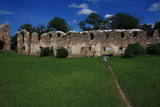 |
Возвышается на правом берегу реки Берзес, в западной части Добеле. Городище с укрепленным форбургом было обжито уже в 10 – 13 веке, а у его подножия (площадка между улицей Терветес и Лиепайским шоссе) находился древний город. Как это „обычно” и случалось, то и на этом городище предков (земгалов) в период с 1335 – 1347 года Ливонский орден построил каменный замок. Замок был разрушен в 18 веке, а сохранившиеся от него весьма впечатляющие и живописные развалины сейчас законсервированы. В руинах выстроена смотровая площадка. |
|
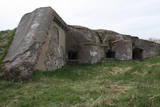 |
Кроме упомянутых в этой базе данных Лиепайских Северных фортов, береговых батарей и Военного порта, по периметру города Лиепаи находятся и другие впечатляющие элементы этой системы, из которых, находясь в Лиепае, стоит осмотреть Лунете (южная часть озера Тосмаре), Средний форт (между улицей Гризупес и бульваром 14 ноября), Восточный форт (к югу от улицы Бривибас и к северу от Лиепайского озера), Южный форт (рядом с каналом Перконе) и Старые форты рядом со стадионом «Олимпия». Все упомянутые места свободно доступы для посещения, но во время осмотра следует соблюдать меры предосторожности, иначе взорванные форты могут быть опасны для посетителей изнутри.
|
|
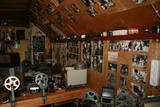 |
Находится в Букупе (Салдусский край, Зирньская волость) в сельской усадьбе «Зики». Можно осмотреть коллекцию кино и фото экспонатов, собранную хозяином усадьбы Андрисом Бушинскисом. Коллекция включает старинные устройства для создания фильмов и предметы, демонстрирующие процесс фотографирования и киносъемки. Экспозиция размещена в бревенчатой постройке в виде пчелиных сот, построенной хозяином. |
|
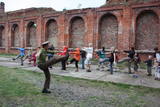 |
В Европе и, предположительно, в мире - уникальный комплекс военных строений, который находится между Балтийским морем и Лиепайским и Тосмарским озерами. Крепость (заплатили 45 миллионов золотых рублей) начали строить в конце XIX века по приказу русского царя Александра III. Она состояла из строений военного городка и фортификационных построек - для позиций пушек, бункеров, пороховых погребов, системы каналов, узкоколейной железной дороги и др. В 1908 г. в соответствии с новой оборонной концепцией России крепость прекратила функционирование, так как строительство крепости было признано стратегической ошибкой. Подземные сооружения и погреба во время Первой мировой войны пытались взорвать, но это не удалось. Отдельные элементы крепости имели большое значение в освободительных боях за Латвию. До сегодняшних дней сохранились отдельные части крепости – Северные форты, Средний форт, Восточный форт, Южный форт, защитные береговые батареи (№ 23, 3), редан, люнет и др. Большая часть из них не благоустроены, поэтому осмотр их отдельных частей может быть опасен. Северная часть бывшей крепости включает Военный порт (Караоста), который пережил семь разных армий и властей. В советское время Военный порт был закрытой и недоступной зоной для гражданского населения. Здесь находится много прекрасных памятников военной истории и полюбившаяся туристам тюрьма Военного порта. |
|
 |
Находится в 0,1 м к югу от развалин Гробиньского замка, на правом берегу Гробиньского водохранилища. Гробиня является одним из древних заселенных мест Латвии, так как в период с VII по IX вв. (согласно другим источникам IV – Х вв.) здесь находилась крупная известная на территории теперешней Балтии скандинавская колония торговцев и воинов. Переселенцы-колонисты из Готланда и Швеции образовали колонию на холме правого берега судоходной в то время реки Аланде Скабаржкалнсе. Считается, что именно здесь находился упоминаемый в хрониках IX века куршский Юрпилс (Seeburg). Происхождение топонима (Скабаржкалнс) связывают с тем фактом, что в Курземе грабы в свое время назвали гробами. Скабаржкалнс - древнее городище куршей, рядом с которым найдены остатки древнего города. Исторические источники свидетельствуют о том, что в 1263 году замок куршей без боя был отдан рыцарям Ливонского ордена для сожжения. С противоположным берегом городище соединяет небольшая деревянная переправа. |
|
 |
Путени
*Object Inactive*

|
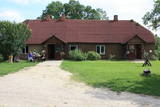
В хозяйстве „Путени” можно увидеть характерных для села домашних птиц и животных и отправиться на прогулку „По тропе барона фон Бера”. Хозяева предлагают познакомиться с традиционными ежегодными обычиями, узнать секреты приготовления тминного сыра и других блюд национальной латышской кухни. |
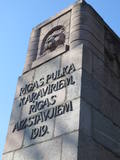 |
Поросшая соснами дюна, на которой находится памятник воинам 6-го Рижского пехотного полка – защитникам Риги в 1919 году. Здесь воины полка вели тяжелые бои против превышавшей по численности армии бермонтовцев и продолжили освобождение Риги и Пардаугавы. Центральный элемент памятника, созданного скульптором Карлисом Зале (обращен в сторону улицы Слокас), представляет собой стену высотой 12 метров с изображением головы льва в воротах Риги. По бокам стены расположены барельефы, изображающие древних латышских воинов и латвийских воинов в обмундировании 1919 года. На вершине дюны находится площадь с алтарем, чаша для огня и памятная табличка с именами павших воинов. Памятник в 1937-м году был открыт президентом Латвии Карлисом Улманисом. |
|
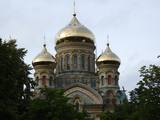 |
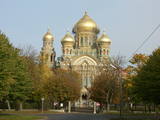
Собор построен в византийском стиле в 1900 - 1903 гг. как военный гарнизонный приход, (в честь защитника всех моряков Святого Николая), в освящении которого участвовал император Николай II. Роскошное здание было разграблено немцами во время Первой мировой войны. Во время Первой независимой Латвийской Республики кафедральный собор действовал как храм Лиепайского гарнизона. Советская армия использовала помещения собора в качестве кинотеатра, склада, спортивного клуба для матросов. Сохранились истории о том, что советские солдаты отламывали от икон кусочки золотой мозаики. Теперь в церкви - православный приход. В строительстве кафедрального собора использована уникальная беспрерывная технология бетонирования, поэтому конструкции постройки не имеют опорных колонн, и тяжесть конструкций приходится только на стены здания. Стены удерживаются четырьмя перекрестными сводами арок. В настоящее время это самый высокий православный кафедральный собор в Латвии. |
|
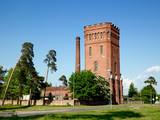 |
В окружении жилых (в т.ч. брошенных) зданий возвышается построенная в 1905 году из красных кирпичей в стиле псевдоготики 37-метровая Тосмарская водонапорная башня. В свое время с помощью насосов на паровых двигателях (сохранились до наших дней) воду из скважины качали в башенный резервуар. Оттуда ее трижды в день подавали жителям Каросты. В настоящее время водонапорная башня больше не выполняет свои „прямые” обязанности. Наружный осмотр возможен в любое время. В масштабе Латвии уникальный объект индустриального наследия. |
|
 |
Город ветра, янтаря и музыкантов. В письменных источниках Лиепая впервые упоминается в 1253 году. Расцвет города как торгового порта начался уже в конце XVI века. Особенно знаменательным было правление Курземского герцога Екаба и Фридриха Казимира, когда через Лиепайский порт обеспечивался экспорт и импорт товаров из Литвы и Курземе. На месте засыпанной песком дюны реки Ливы был прорыт канал, создана пристань для кораблей. Рост города продолжался и в XVIII веке, после Северной войны и эпидемии чумы. Когда в 1795 году Курземе присоединили к Российской империи, Лиепайский порт стал одним из важнейших стремительно развивающихся западных портов империи. В конце XVIII – XIX вв. Лиепая одновременно становится излюбленным местом отдыха аристократии Санкт-Петербурга. В конце XIX века начались работы по возведению крепости и строительству военного порта. Город приобрел военно-стратегическое значение. Лиепая сильно пострадала во время Второй мировой войны. В 1967 году в Лиепае приостановил работу морской торговый порт, и город стал закрытым городом, где военный порт стал городом в городе. Сегодня военный порт и связанное с ним предложение является одним из востребованных продуктов туризма Латвии. |
|
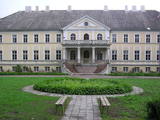 |
Поместье построено в 1835-м году для рода баронов фон Фирксов по заказу баронессы Теа фон Фиркс. После перестройки в 1883-м году здание обрело роскошную декоративную отделку в стиле маньеризма и ренессанса и больший строительный объем. 15-го декабря 1905-го года здание поместья было сожжено революционерами. Восстановительные работы под руководством архитектора Л. Рейнира были начаты три года спустя. Во дворце поместья можно осмотреть зал для торжеств с двумя мраморными каминами, в отдельных помещениях – паркет, выложенный в начале 20-го века и створки наружных дверей, украшенные металлической чеканкой. В 1938-м году дворец перестроили. Во время Второй мировой войны в здании находился военный госпиталь немецкой армии, в послевоенные годы – школа для работников леса. С 1962-го года во дворце находится Рудбаржская школа, названная в честь О. Калпака. На стене здания прикреплена мемориальная плита в честь батальона Калпака. Во время Борьбы за независимость Латвии 22-го января 1919-го года большевики захватили Скрунду. Через семь дней после этого батальон О. Калпака выступил из Рудбаржского поместья в направлении Скрунды. После трехчасового боя он одержал победу, захватив стратегическую позицию вдоль берега Венты. Это была первая победа батальона Калпака после многократных отступлений, что вдохновило на дальнейшую Борьбу за независимость Латвии. |
|
 |
Одно из первых и крупнейших хозяйств козоводства в Латвии. Во время экскурсии можно услышать интересный рассказ хозяина о выращивании коз и производстве молочных продуктов (молоко, сыр, кефир). Продукты можно как попробовать, так и купить. |
|
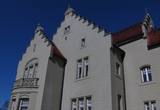 |
В фондах музея хранится более 120 000 предметов, экспозиция представляет историю Лиепаи и юга Курземе – начиная с каменного века и вплоть до 19-го века. Посетителям предлагается также экспозиция, посвященная жизни и творчеству скульптора по дереву Микеля Панкока (1894-1983). В других выставочных залах периодически проводятся выставки современного искусства. |
|
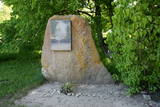 |
Первоначально памятный камень Президенту Латвийской Республики Густаву Земгалу (1871 – 1939) был установлен в 1990 году рядом с его отчим домом – „Братыни”, а в 2016 году он был перенесен в мемориальный парк Джуксте. |
|
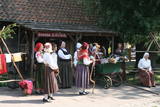 |
2003.gada decembrī folkloras kopa „Atštaukas” izveidoja folkloras centru „Namīns”, kurā svin svētkus, organizē Jāņu ielīgošanu, Lieldienu iešūpošanu, Miķeļdienas tirgu, Annas dienas Saimnieču svētkus, tautiskos Ziemassvētkus. „Atštaukas” palīdz saglabāt un popularizēt dažādus latviešu tautas godību rituālus, gan kāzu, gan arī bēru tradīcijas. Folkloras centrā „Namīns” darbojas arī skola, kurā bērniem tiek mācīta folklora un tautas tradīcijas. |
|
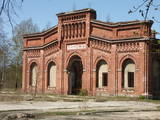 |
Северная часть Лиепайской крепости включает в себя Военный порт, после восстановления независимости Латвии ставший открытой территорией. Северные форты, батареи береговой обороны, Свято-Никольский морской православный собор, водонапорная башня, манеж, тюрьма Каросты, Северный мол, разводной мост Оскара Калпака. |
|
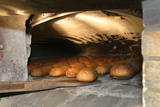 |
В процессе выпечки хлеба «Лачи», популярного в Латвии и за ее пределами, применяют дошедшие с древних времен и сохраненные мастерами знания и умения. Здесь в дровяных печах пекут хлеб, используя только качественное сырье, натуральную закваску и опару. Ржаной хлеб выпекается из грубой и обдирной ржаной муки. Тесто бродит в деревянных квашнях и вымешивается вручную. За соблюдением традиций выпечки хлеба следят два мастера-пекаря и четверо подмастерьев.Здесь можно отправиться на экскурсию, сделать и выпечь буханку хлеба, подкрепиться в прекрасном кабачке и купить произведенную здесь продукцию. Латышская кухня: Крем-суп из боровиков, разные горячие блюда в горшочках, хлебный суп, «Десерт булочника». |
|
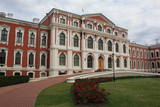 |
Находится на острове Пилс между Лиелупе и Дриксу. Построенный в стиле барокко дворец проектировал известный итальянский архитектор Франческо Бартоломео Растрелли, что является его наиболее значительной работой раннего творчества. Во дворце находится Латвийский сельскохозяйственный университет. В 1968 г. здесь создан музей.+ 371 63005617. В юго-восточном крыле цокольного этажа дворца расположены родовые гробницы правителей Курземе и Земгале – Кетлеров и Биронов (период времени с 1569 по 1791 гг.), где к осмотру представлены 18 отреставрированных саркофагов. |
|
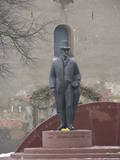 |
Opposite the tower of the Church of the Holy Trinity, the monument was designed by Arta Dumpe and commemorates Latvia’s first president, Jānis Čakste (1859-1927). It was consecrated on November 14, 2003, precisely 81 years after the statesman was elected to the important position. |
|
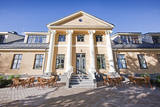 |
Скрундское поместье расположено в уникальном месте. Попасть в него просто и удобно. В шоссе Рига-Лиепая вплетается удобная, покрытая брусчаткой дорога, которая ведет к дверям поместья. Скрундское поместье полностью реновировано и отвечает высочайшим стандартам качества, став значительным объектом культурной среды Латвии, обеспечивая организацию активного отдыха и общественных мероприятий. |
|
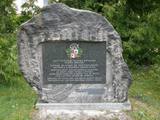 |
Находится в сквере возле Скрундского дома культуры. Установлен в 2005-м году в честь победы полковника О. Калпака и его батальона над большевиками в Скрундском бою. Во время Борьбы за независимость Латвии 22-го января 1919-го года большевики захватили Скрунду. 29-го января батальон Калпака из Рудбаржского поместья выступил в направлении Скрунды. После трехчасового боя он одержал победу, захватив стратегическую позицию вдоль берега Венты. Это была первая победа батальона Калпака после многократных отступлений, что вдохновило на дальнейшую Борьбу за независимость Латвии. |
|
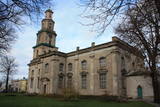 |
Находитсянаул. Лиела, д. 9. Храм строился в 1742 – 1758 гг. (проект Я.К. Дорна) для нужд немецкого прихода. Строительство 55-метровой башни закончилось в 1866 году. Фасад церкви и интерьер выполнены в стиле позднего барокко с чертами классицизма (в интерьере – роскошные элементы стиля рококо). Церковь славится органом, который построен в период с 1773 - 1780 года (Х.А.Конциус). После перестройки в 1885 году инструмент имеет >7000 труб, 131 регистр и 4 мануала, и номинирован как крупнейший в мире механический орган. Осмотр храма, органа и колокольни. Этот и остальные объекты Лиепаи или их части находятся вВецлиепае (Старой Лиепае), которая является интересным памятником градостроительства XVII – XIX веков. Познакомиться с ним можно, пройдя по пешеходному маршруту «Лиепая – как по нотам», который в природе обозначен нотными символами на брусчатке города. |
|
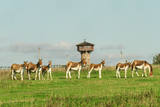 |
Te plašos aplokos mīt 38 sugu savvaļas dzīvnieki (kiangi, lāči, lūši, vilki, meža cūkas, aļņi, vāveres, plēsīgie putni) un visdažādāko šķirņu mājdzīvnieki – Latvijas zilās, Hailandes un Galovejas govis, Romanovas aitas, Vjetnamas cūkas, pīles, zosis, tītari u.c. Acīgākie dīķos pamanīs retās Eiropas kokvardes. Kalvenes pagasta „Cīruļi” – tā ir lieliska, nesteidzīga atpūta lauku vidē, iepazīstot dzīvo dabu! Darba laiks no novembra līdz martam: katru dienu no 10:00 – 16:00 |
|
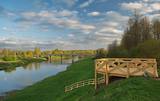 |
Находится на левом берегу реки Вента, в 100 метрах на северо-запад от моста через Венту на Лиепайском шоссе (А 9). Городище предков, на котором с 14-го по 18-й век находился орденский замок (разрушен во время Северной войны). До наших дней от него ничего не сохранилось. На городище расположена эстрада, построенная в 1987-м году – популярное место проведения мероприятий. Эстраду окружает парк с деревянными тронами первых куршских королей, изготовленными скульптором Г. Бурвисом. О городище сложены предания – о подземных ходах, о белой женщине, которая появляется раз в сто лет. |
|
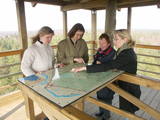 |
Находится на Пулеметной горке, которая является одной из самых высоких точек Длинной дюны. Рядом находится памятник доблестным латышским стрелкам, которые потерпели большие потери в ходе Рождественских боев в конце 1916 г. Просматриваются большие лесные массивы до самой Юрмалы и болото Мазтиреля, на котором хорошо выделяется место бывшей узкоколейной железнодорожной насыпи. Входит в Мемориальный парк Рождественских боев, где можно осмотреть музей Мангали, восстановленный “Немецкий вал”, памятники и другие объекты. |
|
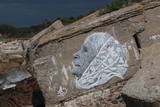 |
Северные форты, располагающиеся на самом берегу Балтийского моря (частично смыты), только небольшая, но впечатляющая часть уникальной системы фортификации Лиепаи, опоясывающей город по всему периметру. Подземные бункеры фортов имеют два этажа, и пройтись по ним стоит в сопровождении опытного гида Военного порта (организованные экскурсии от тюрьмы Военного порта). Рядом с фортами имеется автостоянка. Осматривая Северные форты, стоит совершить пешую прогулку по 4-километровому морскому берегу до Лиепайского Северного мола, откуда на морском берегу и в море впечатляюще смотрятся две батареи береговой обороны.
|
|
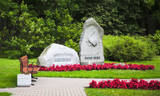 |
С VI – VIII вв. на месте теперешнего города Гробиня находилась крупнейшая известная в странах Балтии колония скандинавских торговцев и военнослужащих. Переселенцы из внутренних земель Готландии и Швеции основали свое поселение на холме, который находился на берегу судоходной в то время Аланды. Существует мнение, что именно здесь был упомянутый в хронике IX века замок куршей - Seeburg. После строительства замка ордена в XIII веке Гробиня стала краевым центром. Самая древняя городская застройка образовалась вокруг улицы Лиела, а также вокруг улиц Саулес и Парка. |
|
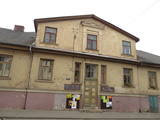 |
В исторических документах Салдус уже упомянут в 1253 году. До XIII века здесь находился старинный замок куршей Salden (Салден), который отображен на гербе города. Примерно в 1341 году недалеко от городища куршей построил замок Ливонский орден, вокруг которого образовались поселение. Своего расцвета, подобно другим населенным местам Курземе, город достиг во времена герцога Екаба, в 1642 - 1682 гг. В качестве года основания Салдуса упоминается 1856 год, когда начались работы по восстановлению разоренного Северной войной места. В конце Второй мировой войны у города проходили тяжелые бои, и вплоть до 8 мая 1945 года город оставался в оккупированной немецкой армией части Латвии. Современный Салдус привлекает своими мероприятиями - днями города, фестивалем музыки «Салдус саулес» («Салдусское солнце»), а также многими туристическими объектами, среди которых упоминается а/о «Друвас партика», где можно наблюдать за процессом приготовления мороженого, и Салдусский пищекомбинат, где можно попробовать вкусные конфеты «Коровка» и понаблюдать за производственным процессом. |
|
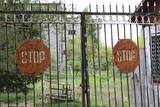 |
Скрундский военный городок – сегодня это недоступный и охраняемый объект, но заслуживает упоминания, так как здесь находится известный Скрундский локатор, взорванный после восстановления независимости Латвии. !!! С марта 2018 года Скрундский военный городок закрыт для посетителей. |
|
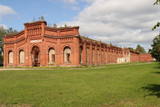 |
Манеж (построен в 1903 – 1904 году) был местом военных тренировок, упражнений и проведения торжественных мероприятий Военного порта. В южной пристройке (не сохранилась) находилась небольшая часовня. В Манеже проводились гимнастические представления и соревнования наездников в упражнениях на ловкость. В нем устраивали официальные приемы пищи для матросов, где одновременно обслуживал до 3000 человек. К сожалению, до наших дней сохранились только «голые» стены здания. Осмотр Манежа как снаружи, так и изнутри возможен в любое время. Это было единственное закрытое здание такого рода и размера в Латвии, в кровельное перекрытие которого были встроены стеклянные панели. |
|
 |
"Гейдас"
*Object Inactive*

|
Хозяйство специализируется в молочном скотоводстве. Для школьников и других интересующихся предлагают учебную экскурсию – «Путь молока», познакомиться с ходом производства молочных продуктов. |
 |
От родного дома Атиса Кронвалда (1837 – 1875) – выдающегося латышского публициста, педагога и языковеда – «Леяс Мики» в Кроте Приекульского края ничего до сегодняшнего дня не сохранилось. На месте дома установлена мемориальная плита с надписью «Для каждого священно то место, где родился и вырос» (А. Кронвалдс). |
|
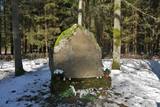 |
Находится недалеко от автодороги А 9, к западу от дома Батаров, где 22 марта 1919 года состоялся бой между бригадой генерала Яниса Балодиса и большевиками. Открыт в 1936 году. |
|
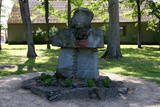 |
Находится в центре Джуксте. Установленный в 1990 году памятник через год был взорван, нынешний создан из его остатков. Памятник посвящен воинам 19-ой дивизии Латышского легиона, павшим в Рождественских боях 1944 года. |
|
 |
Находятся в Гробиньском парке напротив водохранилища - затопленной реки Аланде. В 1253 году на этом месте из кирпичей и колотых валунов Ливонский орден возвел замок фогта, который являлся строением 72 x 40 м, с трехэтажным жилым корпусом и надвратной башней посередине. В XIV веке вокруг укрепленной стены на высоте второго этажа вдоль бойниц проложили проход для воинов, а в XVI - XVII вв. рядом насыпали валы и построили четыре бастиона. Предания повествуют о замурованной в стену замка рыцарской дочери и секретном подземном ходе к находящейся на расстоянии 200 м лютеранской церкви. К парку подходит променад «Древний морской берег». Здесь установлена доска с цитатами Зенты Маурини и Яниса Райниса. С променада приоткрываются хорошие точки осмотра на развалины Гробиньского замка и Скабаржкалнс. В месте сужения водохранилища, через Аланде ведет небольшой мостик – мостовая ферма бывшей узкоколейной железной дороги Лиепая – Айзпуте. |
|
 |
Место отдыха находится в историческом местечке «Кони» поселка Папе Южного Курземе. Место для ночлега - клеть, историческая постройка с тростниковой крышей, приспособленная для проживания поздней осенью / летом / ранней весной. 3 комнатки + небольшая передняя и кухня на двух этажах. Предназначена для 8 человек. Идеальное место для проведения творческих лагерей, пленэров, мастерских и других культурных мероприятий. Места для палаток, где можно принять до 80 человек. Двор «Микьяну» в сотрудничестве с группами по интересам «Клуба традиций Руцавы» предлагает по предварительной договоренности попробовать блюда местной традиционной кухни – «селедку на углях», белое масло с вареной картошкой, риезу (картофельную запеканку с луком и салом, а иногда и без мяса), уху и др. Предложение распространяется только на группы, по предварительной договоренности. |
|
|
|
Здесь можно наблюдать за работой разных ремесленников (обработка янтаря, ювелиры, ткачи, портные и др.) и приобрести работы мастеров. Представлены самые длинные в мире янтарные бусы (123 м, 19 кг!), которые сделаны из подаренного жителями города кусочков янтаря. Дети могут принять участие в творческих мастерских. |
|
 |
Находится в Гробине, недалеко от Лиепу гатвес (известен под названием Приедиенский могильник). Захоронения в виде могильных ям, огненныхпогребений и курганов появились здесь с VII по IX вв. (сведения отличаются, указываются и IV – Х вв.). Во время раскопок в 1987 году здесь нашли уникальное, украшенное старинными орнаментами надгробие (стелу) скандинавского война VIII - IX вв., которое хранится в Лиепайском историко-художественном музее и является единственной такого рода находкой на юго-востоке Балтийского моря. Гробиньский археологический ансамбль включен в национальный список Латвии ЮНЕСКО. |
|
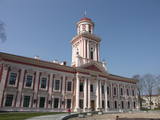 |
Теперешнее здание (позднее барокко, ранний классицизм) было построено по инициативе герцога Курземе и Земгале Петера Бирона в период с 1773 – 1776 годы (датский архитектор Северин Енсен) на месте, где располагался дворец герцогини Анны. В 1775 году здесь было основано первое в Латвии высшее учебное заведение Academia Petrina (Академия Петра - названа так в честь ее основателя), а в 1782 году - создана первая обсерватория. Во времена Российской империи здесь находилась гимназия. Среди ее выпускников стоит упомянуть таких, как К.Баронс, Ю. Алунанс, Я.Чаксте, А.Сметонс и др. В 1952 году в здании гимназии основали Елгавский музей истории и искусства, которому в 1975 году было присвоено имя классика латышской живописи Гедерта Элиаса (1887 – 1975). Экспозиция музея рассказывает об истории города и края в период Курземско-Земгальского герцогства и после него. У впечатляющего здания расположены четыре пушки времен Курземского герцогства и памятник Г. Элиасу (1987 год, скульптор И. Зариньш), а также фрагмент памятника освободителям Елгавы “Лачплесис и Чёрный рыцарь”, изготовленный скульптором К. Янсоном. |
|
 |
На кладбище возле Лестенской лютеранской церкви перезахоронены более 900 воинов, павших во время Второй мировой войны. Это в основном воины, погибшие в боях Курляндского котла на территории Земгале и Видземе. В память павших установлен памятник «Родина-мать Латвия» скульптора Арты Думпе. Лестенское братское кладбище является вторым по величине (после Рижского Братского кладбища ) местом захоронения в Латвии латышских солдат, павших во время Второй мировой войны. На могильных плитах выгравированы имена ~ 11 000 воинов. |
|
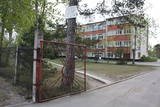 |
На месте 94 автошколы морского военного флота Лиепайского военного флота размещена 3-я основная школа города Лиепаи.
|
|
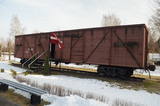 |
Установленный железнодорожный вагон посвящен депортированным в Сибирь 2916 невинным жителям Скрунды и окрестностей, которых в вагонах для скота увезли в восточном направлении. Находится возле железнодорожной станции Скрунда по адресу ул. Стацияс 1. |
|
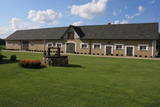 |
Родной дом первого Премьер-министра и впоследствии Президента страны Карлиса Улманиса (1877 - 1942), где в 1993 г. был создан музей. За последние 20 лет "Пикши" пережили невероятное преобразование: благоустроен ландшафт местности, заново построены здания, которые были разрушены или находились в плохом состоянии. Здесь можно осмотреть жилое и хозяйственное строение, хлев – сарай, амбар. В зданиях размещена экспозиция, посвященная жизни К. Улманиса, а также богатая коллекция оборудования и инструментов для использования в сельском хозяйстве. Интересным экспонатом является самая большая деревянная маслобойка в Латвии. |
|
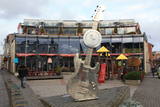 |
Название улица получила от рыбного рынка, который находился в конце улицы у площади Куршей. По адресу Рыбная улица 4/6, во дворе дома № 2 на соседней улице Пелду сохранились старые здания складов, построенные из цельных бревен. На Рыбной улице находится одна из самых популярных достопримечательностей города - Аллея славы Латвийских музыкантов (с 2006 года), на которой размещены 35 слепков рук Латвиийских музыкантов, вылитых из бронзы; выставлены 10 мемориальных досок, посвященных самым популярным музыкальным группам Латвии, а пять – уже ушедшим из жизни музыкантам. Там же находится самая большая гитара Латвии. |
|
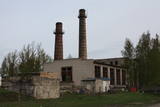 |
Котельная военного порта годами использовалась для обеспечения отопления в городе. Объект принадлежит Лиепайским теплосетям, заброшен, территория не охраняется.
|
|
 |
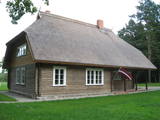
Находитсяв центре Руцавы, в 0,15 км к северу от Руцавской лютеранской церкви. В построенном в конце XIX века деревянном здании (преобразовано в музей после восстановления) можно ознакомиться с жизненной средой людей более 100 лет тому назад. Здесь представлены предметы быта, характерные для Руцавы народные костюмы, носки, узоры рукавиц. Местные энтузиасты и руцавские женщины организуют проведение посиделок, попевок, игр и переплясов, ткут полезные вещи, а также предлагают культурно-просветительные программы «Посиделки» и «Почитаемые блюда Руцавы» с блюдами Нижнего Курземе. Латышская кухня: Подовый хлеба, скабпутра, самоиспеченный хлеб, мед, травяные чаи. |
|
 |
«Айритес» находится на том месте, где первый главнокомандующий Латвийскими вооруженными силами полковник Оскарс Калпакс и другие латышские воины (в том числе три офицера) погибли 6-го марта 1919-го года в бою возле Айритес. В 1920-м году на пожертвованные средства в Айритес начали возводить памятник, который открыли 3-го сентября 1922-го года. В 1935-м году по инициативе объединения «Батальон полковника Балодиса» началось строительство здания, в котором планировалось разместить музей, посвященный борьбе батальона Калпака. Его открыли годом позже. В советское время памятный ансамбль был уничтожен, а в здании разместили почту и оборудовали квартиры. Во времена Атмоды (1988 – 1989) памятное место было восстановлено, а 11-го ноября 1990-го года заново был открыт музей О. Калпака. В 2007-м году во время ремонтных работ сгорел второй этаж здания. Музей и экспозицию восстановили в 2013-м году. Экспонаты рассказывают о жизненном пути и об участии О. Калпака в Борьбе за независимость Латвии и боях Первой мировой войны. Работники музея регулярно организуют мероприятия памяти О. Калпака и празднования дня Лачплесиса. |
|
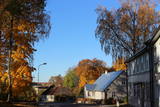 |
Дурбе - самый маленький город в Латвии со знаменитой историей, а также самый маленький город Латвии по численности населения (около 500 жителей). Дурбе упоминался уже в договоре 1230 года между куршами и Балдуином Альнским. В окрестностях Дурбе в 1260 году произошла знаменитая битва при Дурбе между объединенными силами Ливонского и Германского орденов и жемайшами, на сторону которых перешли курши, призванные в войско ордена. В Дурбе жил и работал один из первых садоводов Латвии Симанис Клевер (1834-1922). Благодаря ему в окрестных садах встречается много редких сортов яблонь. На гербе Дурбе, утвержденном в 1925 году, изображена серебряная яблоня. В окрестностях находится много хозяйств, специализирующихся на выращивании фруктов, и много активных садовников. Каждый сентябрь проводится праздник яблок. |
|
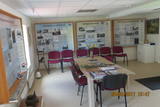 |
В экспозиции данной комнаты есть экспонаты, повествующие об истории волостей Лестене и Джуксте, о событиях Второй мировой войны и ее последствиях. Вход за пожертвование. |