Природные объекты в Литве
Что особенного в природе в Литве?
Куршская коса - песчаный, пустынный участок земли между Балтийским морем и Куршским заливом, холмистые ландшафты Жемайтийского региона, голубые зеркальные лабиринты озер в Аукштайтийском регионе, сосновые леса в Дзукийском регионе, Изгибы долины реки Немана и многочисленные региональные природные парки, созданные не только для защиты природы, но и для отдыха и интереса людей - это природные ценности, привлекающие гостей Литвы.
Действуй ответственно - следуй Зеленому совету!
| Обзор | Подробности |
|---|---|
 |
Литва
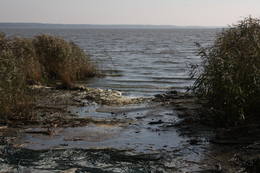
Kurisches HaffDas beinah 100 km langes und bis zu 36 km breites aus dem Süßwasser bestehende Haff, das im Norden mit der Ostsee verbunden ist. Das Haff trennt vom Merr die eindrucksvolle Kurische Nehrung. Ins Kurische Haff mündet der größte Fluss Litauens Nemunas ein.  310 310
Услуги
310km - Расстояние от столицы |
 |
Литва
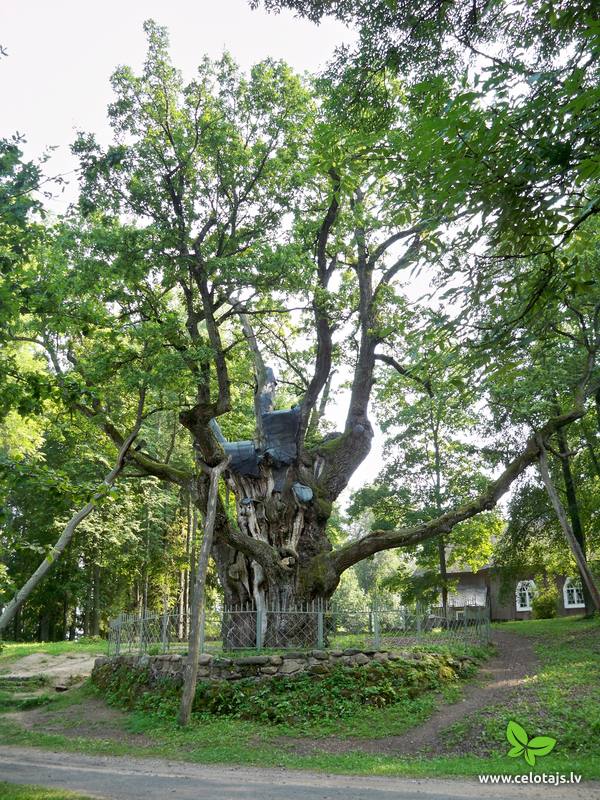
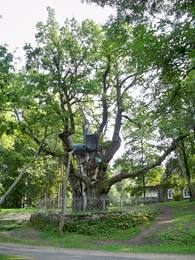
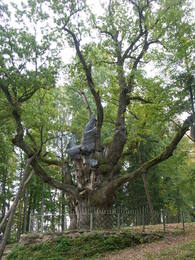
ПАРК УСАДЬБЫ СТЕЛМУЖЕПарк усадьбы Стелмуже, что находится к югу от озера Стелмуже, был заложен в середине XVIII в. На холме здесь стоит костёл Креста Господня, к которому со всех сторон стекаются извилистые дорожки. Среди растительности преобладают липы, клены, дубы, вязы, березы, ели, ясени, сосны. У подножия холма можно найти Колодец счастья, прогуляться по дубовой аллее. Деревня Стелмуже также славится своим огромным дубом. Это самый старый и самый толстый дуб в Литве и одно из самых древних деревьев во всей Европе. Его возраст предположительно составляет 1500–2000 лет, в диаметре он достигает рекордных 3,5 м (чтобы обхватить его ствол, потребуется 8–9 человек), а его высота составляет 23 м.  1-12 1-12


Услуги
1-12 Месяцы активного сезонаСервисы - другие
Принимаются индивидуальные посетители
Принимаются туристические группы |
 |
Литва
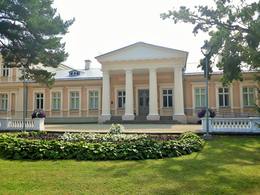
ПАРК УСАДЬБЫ РЕНАВАСПарк усадьбы Ренавас, заложенный в XIX в., представляет собой один из литовских парков репрезентативного типа и сохранил свое первичное природное начало. В небольшом партере дворцовой части парка сохранилось немало экзотических пород деревьев. В северной части парка и в лесопарковой зоне преобладают клены, липы, ясени, ели, дубы и др. Украшением парка является самая толстая ель в Литве: ствол этого дерева достигает 1,2 м в диаметре. Также здесь растет необычная липа: ее главный ствол некогда сильно накренился, и сейчас на нем растут шесть отдельных деревьев, отпочковавшихся от основного ствола. В парк ведет так называемая пергола (крытая аллея), увитая вьюнком. 1-12

Услуги
1-12 Месяцы активного сезонаСервисы - другие
Принимаются индивидуальные посетители
Принимаются туристические группы
Место с конкретным временем работы, которое следует уточнить заранее |
 |
Литва
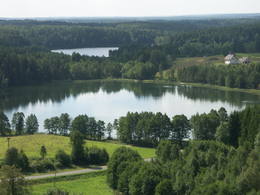
The Labanoras Regional ParkThis territory is rich with forestland and lakes (some 285 in all). There are extensive opportunities for active recreation or calm leisure.
Услуги
82km - Расстояние от столицыСервисы - отдых
Прогулка на кораблике/лодкеTake a one or two-day boat ride through the park’s lakes and streams. 
Природная тропаHike the Peršokšnai information trail (4 km). 
Наблюдение за природойThere’s a viewing tower at the Ethno-Cosmology Museum. A visitor centre is found in the village of Labanora. For more information: www.labanoroparkas.lt (only in Lithuanian). |
 |
Литва
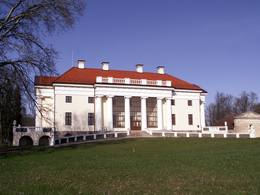
ПАРК УСАДЬБЫ ПАКРУОЙИСПейзажный парк усадьбы Пакруойис, чья структура сохранилась до наших дней, был разбит в 1850–1860 гг. С одной стороны естественную границу территории образует полоса запруженной реки Круойи, а с другой парк обнесен оградой из диких валунов. Согласно популярной в те времена английской схеме формирования парков преимущество отдавалось дикой природе и имитации естественности. В парке растет около 26 наименований деревьев, среди которых можно найти и редчайшие растения из различных уголков мира, привезенные сюда более сотни лет назад. 1-12


Услуги
1-12 Месяцы активного сезонаСервисы - удобства
Предлогают ночлегСервисы - другие
Принимаются индивидуальные посетители
Принимаются туристические группы
Место с конкретным временем работы, которое следует уточнить заранее
Посещение по предварительной заявке
Есть возможность заказать еду |
 |
Литва
Burgberg SeredziausEine der malerischischen Burgberge am Fluss Nemunas mit schöner Sicht aufs Flusstal. In 13 – 14 Jh. befand sich hier eine militäre Festung, die nicht erhalten ist. 145
Услуги
145km - Расстояние от столицы |
 |
Литва
Cepkelu purvs (Cepkelių raistas)Lietuvas lielākais sūnu purvs, kura aizsardzības nolūkā ir izveidots Čepkeļu dabas rezervāts (Čepeklių gmatinis rezervatas). Tas izvietojies starp Dzūkijas nacionālā parka dienvidaustrumu daļu un Baltkrieviju. No Marcinkones pa smilšainu meža ceļu (~ 9 km turp - atpakaļ) ar kājām vai divriteni (arī nelielu tūrisma autobusu līdz 20 vietām) var nokļūt līdz purva malai, kur mežainās kāpās un purvā izveidota 1,5 km gara dabas taka un skatu tornis, no kura labi pārredzama purva rietumdaļa. Pirms došanās uz Čepkeļu purvu, ir jāreģistrējas Dzūkijas nacionālā parka apmeklētāju centrā (Šilagėlių gatve 11), kas meklējams aiz dzelzceļa pārbrauktuves. Te apskatāma neliela nacionālajam parkam un rezervātam veltīta ekspozīcija. 112
Услуги
112km - Расстояние от столицы |
 |
Литва
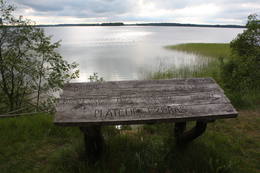
Platelu ezers (Platelių ezeras)Nacionālā parka galvenā ainavas dominante. Ezers ir ~ 8,4 km garš un līdz 3,3 km plats. Tā austrumu krasti pārsvarā ir ar mežiem apauguši, ziemeļrietumu krasts – purvains, bet rietumu krastā parādās apdzīvotas sētas un simpātiskā Plateļu (Plateliai) pilsētiņa, kur meklējamas skaistākās skatu vietas. Ezera krastos ir labi attīstīta infrastruktūra - tūristu mītnes, ēdināšanas uzņēmumi (Plateļos), ūdenssporta un atpūtas inventāra noma. Ūdens dzidruma dēļ, Plateļu ezeru ir iecienījuši zemūdens niršanas entuziasti. Ezerā ir vairākas salas, no kurām interesanta ir Pils salas (Pilies sala), uz kuras no 15. – 16. gs. atradās muiža. Pastāv uzskats, ka senie Plateļu apkārtnes iedzīvotāji sākotnēji ir dzīvojuši uz salas, kuru ar krastu savienojis uz pāļiem celts tilts. Jāpiemin, ka 15 gs. pirmoreiz pieminētā Plateļu pilsētiņa atradusies uz Šventorkalņa (Šventorkalnis) kalna. Apkārt Plateļu ezeram ir izveidots ~ 24 km garš velomaršruts. Tā ir ļoti laba iespēja iepazīt parku videi un ceļotāja veselībai draudzīgā veidā. 307
Услуги
307km - Расстояние от столицы |
 |
Литва
The Stelmuzės oak treeThis is the thickest English oak (Quercus robur) in Lithuania, with a circumference of 9.4 m (as opposed to the Kaive oak in Latvia, which has a circumference of 10.18 m).
|
 |
Литва
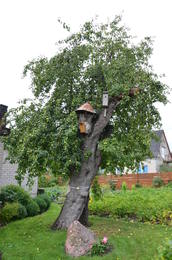
САМАЯ СТАРАЯ ЛИТОВСКАЯ ЯБЛОНЯСамая старая яблоня в Литве, плодовое дерево, представляющее собой ботанический объект природного наследия. Вид дерева: яблоня лесная. Это единственная яблоня в Литве, которая находится под охраной государства. 
|
 |
Литва
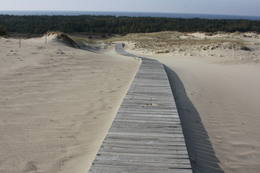
The Dunes of Courland National ParkThis is the only place in the Baltic States where there is such a vast territory of open-air sand dunes which still change the local terrain very actively because of the wind. The only Sea Museum and Dolphinarium in the Baltic States can be found here.
Услуги
325km - Расстояние от столицыСервисы - отдых
ВеломаршрутYou can bike from Nida to Smiltynė (>50 km along a bike route).
Природная тропаHike the Raganu Hill trail (1.6 km), the Naglių pathway in the sandy area of the nature reserve (~1.5 km), or the Parnidžio dune information trail (~2 km).
Наблюдение за природойWatch for birds on Garnių Hill and throughout the area during migration season. Views from the Naglių and Parnidžio dunes, as well as from the Hageno and Miškos galva dunes. For more information: www.nerija.lt (available in English). |
 |
Литва
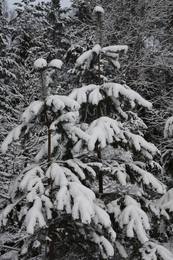
The Kurtuvėnai Regional ParkThis is a small area with lots of different terrains – high hillocks, distinct river valleys, thermal streams, continental dunes, etc.
УслугиСервисы - отдых
ВеломаршрутBike around Kurtuvėnai. For more information: www.kurtuva.lt (available in English).
Природная тропаHike the Vainagių forest trail (4.3 km) or the Juodlė information trail (4.5 km). |
 |
Литва
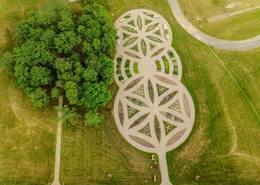
МУЗЕЙ БАЛТИЙСКИХ ТРАВВ 2014 г. при посредничестве Ботанического сада Шяуляйского университета был основан Музей генофонда балтийских растений. Посетителей ждет объект площадью 0,34 га, длиной 85 м и шириной 40 м.
5-9
Услуги
5-9 Месяцы активного сезонаСервисы - другие
Принимаются индивидуальные посетители
Принимаются туристические группы
Место с конкретным временем работы, которое следует уточнить заранее
Посещение по предварительной заявке |
 |
Литва
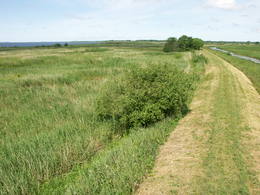
The Nemuna Delta Regional ParkThe Nemuna River divides up into two large streams at its estuary at Kuršių Marios, and this has established the Rusnė Island. This is a unique environmental territory with wetlands, streams, ancient rivers, lagoon lakes and flood plains which are important places for birds to nest and rest during migration season. Vast tracts of this territory are flooded each spring. The park includes the territory to the N and W of Rusne (lagoons, swamps, fishing ponds, Kuršių Marios).
Услуги
330km - Расстояние от столицыСервисы - отдых
ВеломаршрутBike the route Rusne-Pakalne-Uostadvaris-Rusne (20 km).
Природная тропаHike the Aukštumalos swamp information trail (1.7 km).
Наблюдение за природойBird watching on Rusnė Island, as well as at Ventės ragas (Cape Venta), where there is a bird ringing station. There is a viewing tower on the NW end of Rusnė Island, with a visitors centre in the village of Rusne. For more information: www.nemunodelta.lt (available in English). |
 |
Литва
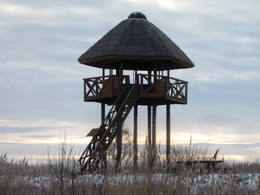
Rusnė IslandA island in the delta of Nemuna. Etnographical museum, Uostadvaris lighthouse, bird watching tower. 304
Услуги
304km - Расстояние от столицы |
 |
Литва
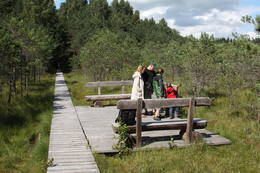
Varniku izzinas taka (Varnikų pazintis takas)Varniku mežā (Varnikų miškas) ir izveidota patiesi interesanta dabas izziņas taka, kas iet cauri dažādiem biotopiem – skujkoku un ozolu mežiem, purvainu mežu un sūnu purvu ar akačiem un nelieliem purva ezeriņiem, kur uzceltas divas skatu platformas. Mitrajās vietās un purvā ir izveidotas koka laipas. Šī ir populāra pastaigu vieta. Taka ir lokveida un marķēta. Tās apskatei būs nepieciešama ~ pusotra stunda. |
 |
Литва
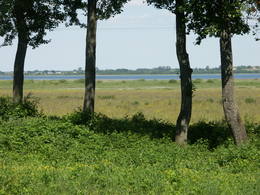
The Meteliai Regional ParkThere are three large lakes at the centre of this park – Lake Dusia, Lake Metelys, and Lake Obelija. Lake Dusia has very clear and transparent water, and its southern and south-eastern beaches are popular among swimmers. The lakes and their nearby wetlands are important during the migration season of birds.
УслугиСервисы - отдых
ВеломаршрутBike around Lake Dusia (25 km) or Lake Metelys (27 km).
Природная тропаHike the information trail in the Bijotų and Širvinto forests (4 km).
Наблюдение за природойWatch birds along the shores of the lake during migrating season. Views from the Prelomčiškė castle hill and from the side of the Seirijai-Meteliai road. For more information: www.meteliuparkas.lt (available in English). |
 |
Литва
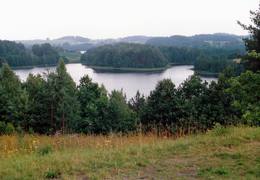
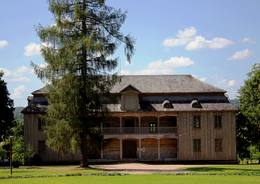
Hügel LadakalnisVermutlich ein heidnischer Hügel. Schöner Blick auf die 6 Seenlandschaften. Ein Symbol vom Nationalpark. 122
Услуги
122km - Расстояние от столицы |
 |
Литва
ПАРК УСАДЬБЫ КУРТУВЕНАЙМесто, где стояла усадьба Куртувенай, окружено старым парком геометрически-пейзажной планировки. Во второй половине XIX в. парк отличался ландшафтным стилем (т. е. повторял естественный природный ландшафт) с некоторыми элементами геометрической структуры. Территория парка составляет 4,2 га. Здесь до сих пор произрастают старые липы, клены, ясени, дубы, другие декоративные деревья и кустарники — в целом более 20 пород древесных растений 1-12
Услуги
1-12 Месяцы активного сезонаСервисы - другие
Принимаются туристические группы
Принимаются индивидуальные посетители
Место с конкретным временем работы, которое следует уточнить заранее |
|
|
Литва
Veisieji regionalais parksVeisieji reģionālais parks (Veisiejų regioninis parkas) veidots (1992.g.) Sudavas augstienes (Sūduvos aukštuma) ainavu, bioloģiskās daudzveidības un kultūras pieminekļu aizsardzībai. Viena no parka bagātībām ir ezeri, kuru iegarenās formas liecina par ledāja darbības rezultātu. Pēdējā apledojuma laikā šeit atradusies ledāja mala. Ezerus (kopā – 37) ieskauj lielāki meža masīvi uz kontinentālām (iekšzemes) kāpām, kas piemēroti atpūtai dabā, dabas vērošanai, ogošanai un sēņošanai. Parkā ir iekārtotas peldvietas, kur patīkami gremdēties vasaras tveicē, izveidotas dabas takas, bet mazās upītes, kas savieno ezerus, ir piemērotas braucieniem ar kanoe laivām. Veisieji reģionālā parka teritorijā ir liela augu un dzīvnieku daudzveidība. Šeit tiek aizsargātas arī tādas retas sugas kā Eiropas kokuvarde Hyla arborea (parka simbols), purva bruņurupucis Emys orbicularis, dažādas orhideju sugas u.c.  138
138
Услуги
138km - Расстояние от столицы |
 |
Литва
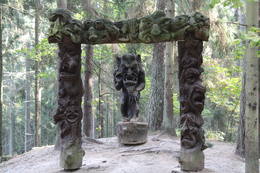
HexenhügelEine große parabolische Düne mit einer Ausstellung der Holzskulpturen unter freiem Himmel, die der litauischen Mythologie gewidmet sind. Die Skulpturen haben litauische Meister der angewandten Kunst angefertigt. 354
Услуги
354km - Расстояние от столицы |
 |
Литва
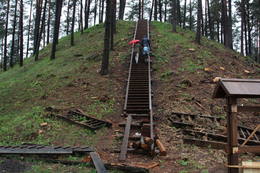
Ginucu pilskalns (Ginucių piliakalnis)Viens no lielākajiem Augštaitijas pilskalniem, kas 2011. g. pēc vērienīgiem rekonstrukcijas darbiem ir izzināms jaunā kvalitātē - gan no infrastruktūras, gan arī ainaviskā viedokļa, jo iepriekš biezais pamežs (tagad retināts) traucēja uztvert iespaidīgo objektu. Arī no pilskalna plakuma paveras labs skats uz diviem blakus esošajiem ezeriem. Tā virsotnē apskatāms piemiņas akmens, kas vēsta par pirmā Lietuvas valsts prezidenta Antana Smetona (Antanas Smetona) apmeklējumu 1934. g. viņa 60 gadu jubilejā. Pilskalns it ticis apdzīvots jau I tūkstošgadē pirms Kristus. Uzskata, ka 14. – 15. gs. te atradusies hronikās aprakstītā Linkmenu pils. Jaunizveidotā taka pilskalnu savieno ar vēl vienu populāru apskates objektu – Ladakalni. 122
Услуги
122km - Расстояние от столицы |
 |
Литва
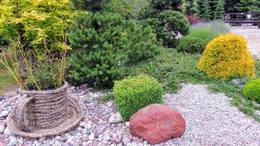
БОТАНИЧЕСКИЙ ОГОРОД ИМ. ТРАУПИСАЕдинственный в Литве школьный ботанический огород был заложен в 1989 г. в Школе им. Трауписа. Все коллекции растений (в целом здесь произрастает уже более 8000 видов, форм и сортов) были собраны одним человеком – С. Обелявичюсом.
4-9
Услуги
4-9 Месяцы активного сезонаСервисы - другие
Принимаются туристические группы
Принимаются индивидуальные посетители
Место с конкретным временем работы, которое следует уточнить заранее
Посещение по предварительной заявке |
 |
Литва
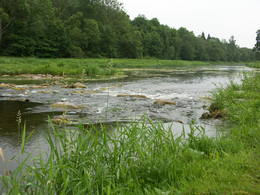
БОТАНИЧЕСКИЙ САД КЛАЙПЕДСКОГО УНИВЕРСИТЕТАБотанический сад был основан в 1993 г. в живописной долине реки Дане. Он занимает около 9,3 га. В 2002 г. саду был присвоен статус дендрологического парка.
4-9
Услуги
4-9 Месяцы активного сезонаСервисы - другие
Принимаются индивидуальные посетители
Принимаются туристические группы
Место с конкретным временем работы, которое следует уточнить заранее
Посещение по предварительной заявке |
 |
Литва
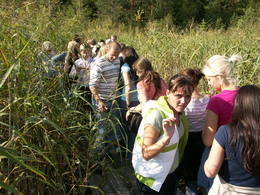
The Dubysa Regional ParkThis park was set up to protect the lovely ancient valley of the Dubysa River. This is one of the most popular rivers for water tourism in Lithuania, because it has a significant drop with rapids and beautiful shorelines.
УслугиСервисы - отдых
Прогулка на кораблике/лодкеA one-day boat trip from the Raseiniai-Baisogala road bridge to the Ariogala bridge. For more information: www.dubysa.info (very little information available in English). |
 |
Литва
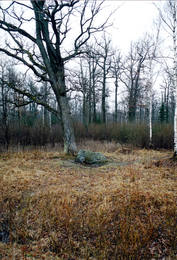
Botanikas takaKaut arī Augštaitijas nacionālo parku uzskata par floristiskā ziņā ļoti bagātu teritoriju, šī ir vienīgā vieta, kur varam iepazīt augu valsts bagātību. To īstenot palīdz takas malās izvietotie informācijas stendi. 3,8 km garās lokveida takas sākums ir meklējams Palūšē, Lūšu (Lūšiai) ezera galējā austrumu punktā. Taka ved gar ezera krastu, mežainām kāpām, nelielu strautu ielejām un pa purvāju. Nenomaldīties palīdz krāsu marķējums uz koku stumbriem. 113
Услуги
113km - Расстояние от столицы |
 |
Литва
The Neries Regional ParkThis territory was established to protect the lovely central section of the Neries River, local species, and Lithuania’s largest oak forest.
УслугиСервисы - отдых
Прогулка на кораблике/лодкеTake a two-day boat ride down the Neries River, from Grigiškės to Kernavė.
ВеломаршрутBike the Neries tourism route on the left bank of the river (23 km).
Природная тропаHike the Dūkštos oak forest trail (2.3 km) or the Dūkštos walking trail (5 km).
Наблюдение за природойViews at the place where Route 108 arrives at the right bank of the Neries River in the river valley. For more information: www.neriesparkas.lt (available in English). |
 |
Литва
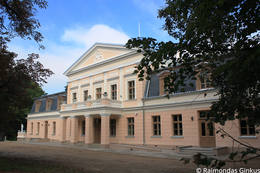
ПАРК УСАДЬБЫ ЖАГАРЕПарк усадьбы Жагаре — один из самых красочных и с архитектурной точки зрения интересных парков в Литве. В 1898–1900 гг. усадебный парк был реконструирован и расширен по проекту известного дендролога Г. Ф. Купхальда. В парке было высажено более 200 видов растений. Более 100 из них произрастают здесь и по сей день. В парке до сих пор сохранились различные дорожки и тропинки, прогулка по которым позволит ощутить величие и красоту этого места. Здесь оборудована дендрологическая тропа, на которой информационными стендами отмечено около 15 редких деревьев. 1-12
Услуги
1-12 Месяцы активного сезонаСервисы - другие
Принимаются индивидуальные посетители
Принимаются туристические группы
Место с конкретным временем работы, которое следует уточнить заранее |
 |
Литва
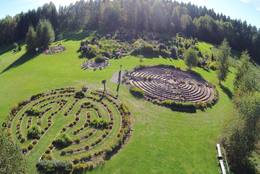
ПАРК ЭНЕРГЕТИЧЕСКИХ ЛАБИРИНТОВ И ГЕОМЕТРИЧЕСКИХ ФИГУРВ парке находятся пять лабиринтов с декоративными растениями, цветами и лекарственными травами: чабрецом, флоксами, старинными сортами пионов, окопником, зверобоем, жасмином, хеномелесом (японской айвой), зорькой халцедонской, борцом клобучковым, душицей, эстрагоном, примулой, пижмой, чистотелом, девясилом, мятой, золотарником, таволгой и мн. др. Самый длинный маршрут составляет 1,7 км, а общая протяженность дорожек всех пяти лабиринтов: около 4,5 км. Также в парке выставлены три геометрические фигуры: купол, мандала, меркаба. 1-12

Услуги
1-12 Месяцы активного сезонаСервисы - другие
Принимаются индивидуальные посетители
Принимаются туристические группы
Место с конкретным временем работы, которое следует уточнить заранее
Pre-order required
Есть возможность заказать еду |
 |
Литва
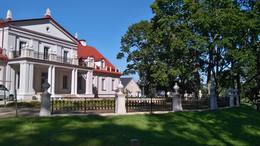
ПАРК УСАДЬБЫ ИЛЬЗЕНБЕРГПарк усадьбы Ильзенберг отличается смешанной планировкой и сохранился в почти первозданном виде — таким, каким он был создан во второй половине XIX в. на живописном месте с выразительным рельефом, между озерами Апваласас и Ильгис. При восстановлении парка была сохранена его пространственная структура. Парк занимает 10 га и состоит из двух частей. Первая — это сравнительно правильная прямоугольная территория у дворца, ограниченная рядами сердцевидных лип и пейзажными группами местных и интродуцированных деревьев. Вторая часть представляет собой зеленые насаждения по типу естественного леса. Старый дуб из парка усадьбы Ильзенберг объявлен объектом природного наследия и находится под охраной государства. Охват ствола этого гиганта составляет 6,3 м, диаметр — 2 м, а высота — 30,5 м. 1-12
Услуги
1-12 Месяцы активного сезонаСервисы - удобства
Предлогают ночлегСервисы - другие
Принимаются туристические группы
Принимаются индивидуальные посетители
Место с конкретным временем работы, которое следует уточнить заранее
Есть возможность заказать еду |