
| Nr | Nosaukums | Apraksts |
|---|---|---|
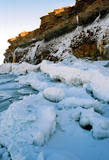 |
Pakri pussalas galā slejas vizuāli iespaidīgākā no Baltijas valstu piekrastes klintīm - līdz 24 m augstā Pakri klints (Pakri pank). Aukstās ziemās no kaļķakmens slāņiem izplūstošie avoti veido fantastiskus leduskritumus un neparastas ledus formas.
|
|
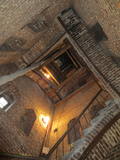 |
Unikāls industriālā mantojuma objekts – vienīgā atvērtā munīciju ražojošā rūpnīca Baltijas valstīs, kuras teritorijā atrodas Eiropas vecākais skrošu liešanas tornis, kuru līdz pat mūsdienām izmanto minētajam mērķim. Tūristu grupas, iepriekš piesakoties, gida pavadībā var apskatīt ražotni, skrošu liešanas torni un muzeju. Šobrīd Skrošu rūpnīcā ražo 9 veida lodes gludstobra ieročiem, kā arī lodes pneimatiskajiem ieročiem. Produkciju eksportē uz kaimiņvalstīm, Vāciju u.c. |
|
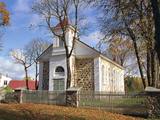 |
Nagļu Sv. Jāņa Kristītāja Romas katoļu baznīcu 1862. gadā cēlis
muižkungs Nābels. Nagļi sākotnēji ir bijuši Viļānu filiālbaznīca, un to
apkalpojuši Viļānu bernardiešu mūki. Pēc klosteru slēgšanas 19. gs.
30-tajos gados kā Viļānus, tā Nagļus apkalpoja laicīgie priesteri.
|
|
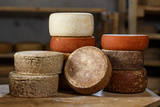 |
Bioloģiskā kazkopības saimniecība un siera ražotne, kur top dažāda veida kazas un govs piena sieri. Saimniecībā ir ap 100 slaucamu kazu. Saimnieki – Ruta un Stefans - uzņem apmeklētājus (latviešu, vācu un angļu valodās). Sieru var iegādāties uz vietas, Kalnciema tirdziņā Rīgā u.c. Latvijā. |
|
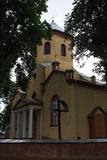 |
Atrodas Līvānu ziemeļdaļā, Baznīcas ielā 17. Dievnams uzbūvēts 1861. g. un paplašināts 1880. gadā. Pēc nopostīšanas 1. pasaules kara laikā to atjaunoja 1918. gadā. No interjera ievērības cienīgas ir ērģeles (uzstādītas 1936. g.), glezna „Svētais Jānis Kristītājs” (mākslinieks Šēnbergs) un 14 Krusta ceļa gleznas, kas ir vācu mākslinieka Fogela gleznu kopijas (19. gs. pirmā puse). Kopš 20. gadsimta sākuma bez izmaiņām ir saglabājies tikai Ostrabramas Dievmātes altāris ēkas labajā pusē. 2007. gadā nokrāsoja dievnama fasādi. Šo darbu laikā, no ēkas sienas izņēma nesprāgušu artilērijas lādiņu, kas bija iestrēdzis 1. pasaules kara laikā. |
|
 |
Restorāns "Marijas kafija" atrodas Rēzeknes centrā blakus Rēzeknes augstskolai, un iekārtota ēkā ar velvētiem pagrabiem. Latviešu virtuve: aukstā zupa, plānās un kartupeļu pankūkas, cūkgaļas cepetis, cūkas ribiņas, teļa gaļas kotletes, jēra gaļas sautējums, cepta menca vai forele. Īpašais ēdiens: kazas siera salāti. |
|
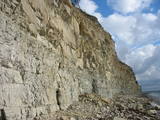 |
Sāremā salas augstākā (līdz 21 m), iespaidīgākā un ainaviskākā klinšu siena, kas stiepjas ~ 3 km garumā. Stipra R, ZR vēja laikā tās nelielu posmu apskalo jūras viļņi. Atsegumu veido Silūra perioda kaļķakmeņi, merģeļi un dolomīti, tādēļ to piekājē izskalots bagātīgs fosiliju klāsts – koraļļi, galvkāji, stromatopori u.c.
|
|
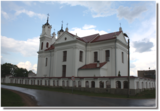 |
Atrodas nelielās Dvietes centrā. Tās baltais stāvs ir redzams jau pa lielāku gabalu. Pirmo koka baznīcu šeit cēla 1775. g. vietējās muižas īpašnieka grāfa J. K. Višlinga vadībā. Pēcāk dievnamu nojauca un pārveda uz Zarinku kapiem. Mūsdienās redzamās Dvietes katoļu baznīcas (neobaroka stilā) ar diviem torņiem celtniecību 1864. g. īstenoja ar grāfa Kazimira Plātera - Zīberga dotā finansējuma palīdzību. Dievnamu sagrāva 1. pasaules kara laikā, tāpēc līdz tā atjaunošanai un iesvētīšanai 1929. g. kā lūgšanu telpu izmantoja Dvietes muižas magazīnas klēti (divslīpņu jums), kas atrodas Dvietes – Bebrenes ceļa malā un tagad ir atjaunota. 1940. g. apkārt baznīcai uzcēla mūra žogu ar kārniņu jumtu, bet 20. gs. 70. gados uzbūvēja draudzes māju. Dievnamā ir īpaši grezns sakrālā baroka interjers, ko uzskata par krāšņāko bijušajā Daugavpils rajonā.
|
|
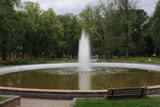 |
Mūsdienās redzamais parks starp Rīgas un Parādes ielu tapa vairāk nekā pirms 100 gadiem un tā patrons bija pilsētas pirmais mērs - Pāvels Dubrovins (1839. – 1890.). Pilsētas „zaļā saliņa”, kuras centrā atrodas strūklaka, ir iecienīta atpūtas un pastaigu vieta. Atraktīvs ir no bronzas veidotais piemineklis (2007. g., tēlnieks A. Tartinovs),kas veltīts pilsētas pirmajam mēram. |
|
 |
Piemājas saimniecība nodarbojas ar augļkopību un biškopību! |
|
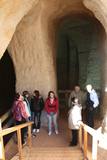 |
~ 15 km garš Piusas senlejas posms starp Vana - Vastseliina un Ignasõ ciemiem, kur upei novērojams liels kritums, ātras straujteces un skaisti Devona perioda smilšakmens atsegumi, no kuriem Hermas siena (Härma müür) ir augstākais (ar senlejas nogāzi – 43 m) smilšakmens atsegums Igaunijā. Piusas ciemā atrodas Piusas raktuvju alas. Tikai pavisam neliela daļa no > 10 km garās Piusas raktuvju sistēmas ir eksponētas un labiekārtotas kā apskates objekts.
|
|
 7 dienas
|
Sākumā maršruts ved pie bērzu sulu un vīna izgatavotāja, un tālāk - kazu saimniecība, kur ir iespējams degustēt dažādus piena produktus un apskatīt dzīvniekus. Tālāk dodieties uz Siguldu, kur atrodas bobsleja un kamaniņu trase un trīs viduslaiku pilis - Siguldas, Turaidas un Krimuldas pils. Pēc tam iepazīstieties ar vēsturisko Līgatnes ciematu un Līgatnes papīrfabriku, apciemojiet vietējos amatniekus. Tad - Cēsis ar varenām viduslaiku pilsdrupām un Jauno pili. Apciemojiet kaņepju audzētājus un nogaršojiet kaņepes, kas pagatavotas tradicionālā veidā. Tālāk izbaudiet Ķoņu dzirnavas, kurās vilna tiek apstrādāta ar veclaicīgām iekārtām. Dodieties tālāk uz Mazsalacu, kur atrodas dabas parks ar pastaigu takām. Salacas upe ir pazīstama ar nēģiem, un maršruta laikā jums ir iespēja redzēt tradicionālos nēģu tačus. Saulkrastos izbaudiet pastaigas gar jūru. Tālāk apmeklējiet lielogu dzērveņu purvus un nogaršojiet šīs ogas. Apskatiet eleganto Bīriņu pili ar tās lielo parku un lielisko restorānu. |
|
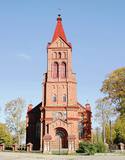 |
Ciskādu Sv. Jāņa Kristītāja Romas katoļu baznīca uzbūvēta ap 1900. gadu
no akmens un sarkanķieģeļiem romāņu stilā, ievērojama ar gleznu „Madonna
ar bērnu’’, krucifiksu un ērģelēm.
|
|
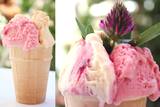 |
Ģimenes uzņēmums (izveidots 2006. gadā) no pašu izaudzētiem augļiem un ogām gatavo mājas saldējumu. Taisa gan klasiskos – plombīra, krējuma, jogurta saldējumus un sorbertus, gan arī mūsdienu modernās virtuves „brīnumus” – brētliņu, zilā siera, mārrutku un kartupeļu saldējumu ar tomātu mērci. Līdz šim pagatavotas 80 dažādas saldējumu receptes. Iepriekš piesakoties, var doties ekskursijā un izzināt visu par saldējuma gatavošanu no pašiem pavāriem. Kafejnīcā iespējams nobaudīt vairākus saldējumu ēdienus - katru ar citu saldējuma piedevu. Kafejnīcā ar prieku uzņem arī četrkājainos draugus! Īpašais ēdiens: Mārrutku saldējums ar siļķi. |
|
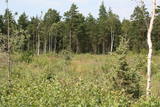 |
Līdzīgi kā ar Alsungas mežiem – apmeklējumiem nepiemērota un nespeciālistam „neinteresanta” teritorija. Taču nelielu tās daļu var apskatīt no Sakas – Apriķu ceļa (neliels klajums – izcirtums), neieejot lieguma teritorijā. Dabas liegums veidots g.k. grīņu sārtenes aizsardzībai, kurai šeit ir viena no nozīmīgākajām Latvijas dzīves vietām.
|
|
 |
Atrodas Vecpiebalgas centrā pie Inešu ceļa. Vieta, kas jāapmeklē katram savas valsts patriotam, jo šeit atdusas leģendārā romāna "Mērnieku laiki" autori - brāļi Reinis un Matīss Kaudzītes, sabiedriskais darbinieks un valodnieks Atis Kronvalds u.c. Kapos apskatāmi brāļu Kaudzīšu un A. Kronvalda pieminekļi. Tos atrast palīdzēs izvietotās kartes un norādes. |
|
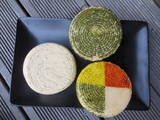 |
Talsu pienotavu dibināja 1922. gadā, apvienojot vairākas citas pienotavas. Uz šīs bāzes vēlāk izveidojās „Talsu piensaimnieks”, kura viens no pazīstamākajiem produktiem ir „Talsu rituļa” siers. „Talsu piensaimnieka” produkciju – pienu, kefīru, biezpienu, sviestu, sieru u.c. var iegādāties uzņēmumam blakus esošajā veikalā „Piena sēta”. |
|
 |
Vecajā baznīcas skolā ierīkotajā Limandas ēdnīcā var nobaudīt garšīgus ēdienus. Gardo ēdienu gatavošanā ir izmantoti dabīgi un apkārtnes tīrumos audzēti dārzeņi. Zivju ēdieni ir gatavoti no vietējo zvejnieku piegādātajām zivīm. Blakus ēdnīcai atrodas rokdarbu veikals. |
|
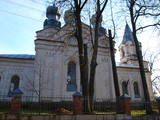 |
Atrodas augstākā, ar kokiem apaugušā – Marku upītes krastā aiz Piedrujas robežkontroles posteņa. Līdz baznīcai nonākam pa bruģētu ielu, kuru, domājams, 20. gs. sākumā veidojuši vietējie zemnieki. Nākot uz dievkalpojumu, līdzi bijis jāņem akmens, kas ieguldīts ceļa segumā. Dievnamu, kuru rotā seši kupoli, uzskata par vienu no skaistākajām tagadējā Krāslavas novadā. Ēka celta 1883. - 1885. gadā vecās koka baznīcas (jau 17. gs.) vietā saskaņā ar senkrievu Vladimiras pilsētas un bizantiešu arhitektoniskajām formām. Atrodamas ziņas, ka draudzes lielums iepriekšējos laikos sasniedzis pat tūkstoti draudzes locekļu. |
|
 |
Krasta robežapsardzības postenis šobrīd netiek izmantots. Teritorijā saglabājies piemineklis, robežstabs un bijušās tualetes ar koka papīra turētājiem. Labs robežsardzes punkta kopskats redzams no tā dienvidaļā esošā augstā vaļņa. Kur vēl Pasaulē var atrast Padomju armijas sauso tualeti ar tās atsevišķiem atribūtiem?
|
|


